Is that crumbling mortar in your gutters just a messy weekend chore, or is it a sign your roof is losing its battle against the Pacific salt air? For many homeowners, the sight of cracked cement falling from the roofline is the first warning that your ridge capping repair Manly Beach needs are becoming urgent before the next storm hits the coast.
It’s stressful to watch your property’s first line of defence degrade, especially when you’re worried about structural water damage during a heavy downpour. We understand that you want a home that looks great and stays dry regardless of the weather. This guide explains how professional ridge capping repair and modern flexible repointing compounds create a durable seal against the elements. You will learn the difference between bedding and pointing, why flexible polymer materials are essential for coastal durability, and how to restore your roof’s street appeal while securing its long-term integrity.
Key Takeaways
- Learn how the unique coastal environment of the Northern Beaches accelerates mortar decay and why specialist protection is required for local roofs.
- Understand the technical difference between structural bedding and flexible pointing to ensure your ridge capping repair Manly Beach project remains watertight for years.
- Discover why modern polymer-based compounds outperform traditional cement by allowing for the natural thermal expansion and movement common in coastal homes.
- Identify the essential preparation steps in a professional restoration process that prevent leaks and secure your ridge tiles against heavy sea winds.
- Recognise how investing in high-quality roof maintenance protects your home’s structural integrity and improves street appeal in the competitive Manly property market.
Why Tile Roofs in Manly Beach Require Specialist Ridge Capping Repair
Living on the coast means your home faces environmental pressures that inland properties simply don’t encounter. For Manly Beach residents, the roof is the primary shield against a constant barrage of salt-laden air and high humidity. These conditions create a unique set of challenges for tile roofs, making specialist ridge capping repair Manly Beach a necessity rather than an optional upgrade. Traditional materials that thrive in the dry heat of Western Sydney often fail prematurely here due to the aggressive nature of the coastal atmosphere.
The Impact of Salt Air on Traditional Cement
Older roofs typically rely on a standard sand and cement Mortar to secure ridge caps. While this material is structurally sound in many environments, it is naturally porous. In a coastal suburb like Manly, salt particles carried by the sea breeze penetrate these pores. As the moisture evaporates, salt crystals grow and expand within the mixture. This process, known as efflorescence, creates internal pressure that eventually shatters the bond between the tile and the bedding. You’ll often see this as a white, powdery residue or fine cracks spreading across the ridge line. Because of this “Mortar Rot”, Manly homes frequently require repointing cycles much earlier than properties in less volatile climates.
Identifying Coastal Roof Fatigue
Recognising the early stages of roof fatigue can prevent a minor repair from turning into a major structural headache. You should look for specific visual and physical indicators that your ridge capping is failing. These signs often manifest long before a leak becomes visible on your ceiling.
- Visual signs: Look for white powdery patches or “weeping” marks on your roof tiles. These are clear indicators that salt is leaching through the bedding and weakening the structure.
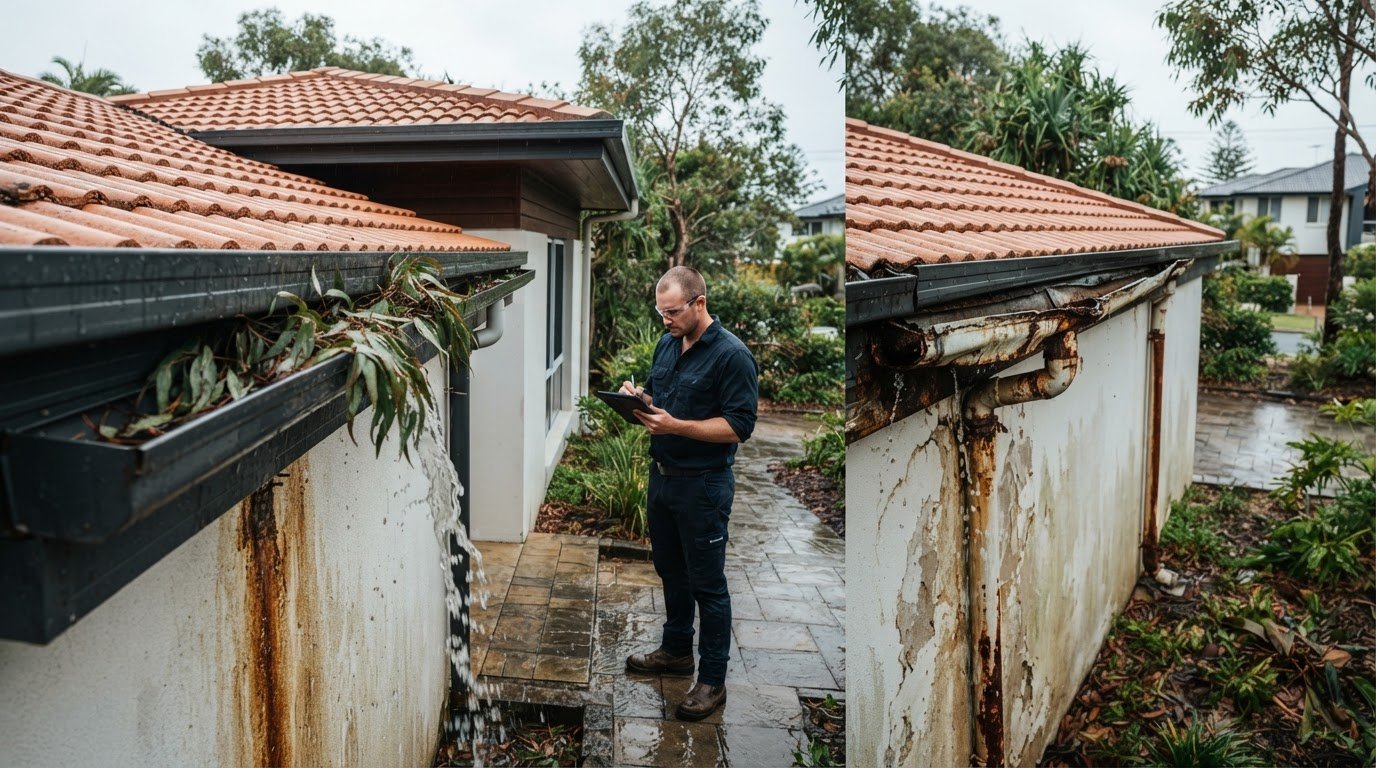
- Physical signs: Check your gutters for grey or brown chunks of hard material. If you find mortar debris in your downpipes, your ridge caps are already losing their structural foundation.
- Structural signs: Observe the line of your roof’s peak. If any ridge tiles appear slipped, crooked, or out of alignment, the bedding has likely failed, leaving the tiles vulnerable to being dislodged by high winds.
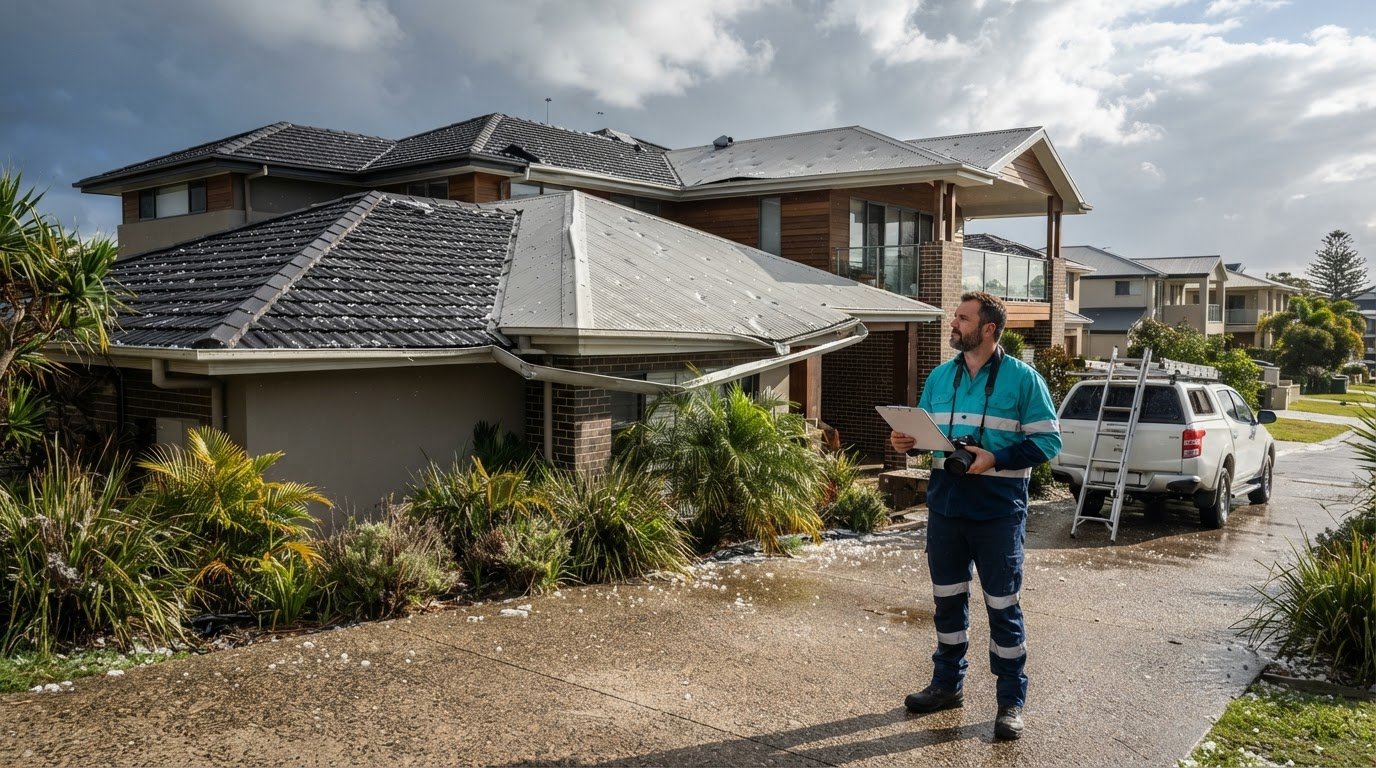
Beyond the chemical decay of salt, Manly’s weather patterns introduce mechanical stress. Coastal temperature shifts cause tiles to expand and contract rapidly, a process called thermal expansion. Rigid, old-fashioned cement cannot move with the house, leading to hairline fractures. When you combine these cracks with the high wind loads experienced during East Coast Lows, loose ridge caps can become dangerous projectiles. Ensuring your ridge capping repair Manly Beach is handled by a specialist means using materials designed to withstand these specific local forces and provide long-term security.
Understanding the Difference Between Roof Bedding and Pointing
Many homeowners use the terms bedding and pointing interchangeably, but they serve very different roles in your roof’s structural system. When we perform a ridge capping repair Manly Beach, we treat these as two distinct layers that must work in harmony. Think of bedding as the heavy structural foundation and pointing as the protective, flexible skin that keeps the entire assembly watertight.
What is Roof Bedding?
Bedding is the thick mortar base that provides the primary support for your ridge tiles. It traditionally consists of a specific 3-to-1 sand and cement mix. This layer creates the level surface required to ensure each ridge tile sits securely and follows the correct line of the roof peak. According to the Australian Roof Tile Association (ARTA), a solid bedding foundation is essential for the long-term stability of any tiled roof. If your bedding has failed, you might notice ridge tiles that look “slipped” or hear a hollow sound when the tiles are tapped during an inspection. In coastal areas, moisture often gets trapped behind failed bedding, leading to hidden timber rot in the roof framing.
The Role of Modern Roof Pointing
Pointing is the final layer applied over the edge of the bedding. While it used to be a simple cement finish, modern technology has introduced polymer-based flexible compounds. This layer is the most important weather seal on your roof. It prevents water from driving under the tiles during a heavy southerly buster and protects the porous bedding from salt air. Unlike old cement, modern flexible pointing can expand and contract with the natural movement of your home. This flexibility is vital for preventing the hairline fractures that eventually lead to leaks. Beyond its functional role, pointing provides the finished look for your roof, with various colours available to complement the aesthetic of your Manly residence.
Understanding whether your roof requires a simple repoint or a more intensive re-bedding is the key to a lasting repair. Applying new pointing over crumbling, unstable bedding is a temporary fix that won’t survive a single season of coastal storms. If you’re concerned about the state of your ridge tiles, a professional roof leak detection and repair assessment can identify which layer has failed before water enters your ceiling space.
Flexible Pointing vs. Old Cement: The Best Choice for the Northern Beaches
For decades, the standard for finishing a roof was a simple mix of sand and cement. While this was adequate for inland suburbs, it often fails the “Manly test”. When we perform ridge capping repair Manly Beach, we almost exclusively use high-quality flexible polymer compounds. Unlike traditional mortar, which is brittle and prone to hairline fractures, flexible pointing acts like a heavy-duty adhesive with elastic properties. It is designed to grip the tile surfaces and remain intact even as your home settles or shifts in the wind.
Using these modern materials ensures compliance with the National Construction Code (NCC), which sets the safety and performance standards for Australian building projects. For a coastal residence, following these standards isn’t just about red tape; it’s about structural survival. Flexible pointing offers superior UV resistance, which is critical for Manly roofs that bake in the afternoon sun before being hit by a cool sea breeze. This rapid temperature change creates thermal shock that would shatter old-school cement within a few years.
The difference in maintenance cycles is stark. A traditional cement pointing job typically begins to show signs of failure within five years in a salt-air environment. In contrast, premium flexible pointing is designed to last ten years or more. It provides a mechanical bond that keeps ridge caps firmly in place during the high wind loads of a coastal storm, preventing tiles from becoming loose or dangerous.
Why We Recommend Flexible Pointing in Manly
Coastal homes experience more structural movement than those in stable, inland environments. Flexible pointing is engineered to withstand this movement without cracking. It maintains a watertight seal even when the roof frame expands and contracts. Additionally, the polymer-based nature of these compounds provides a superior grip on glazed or concrete tiles. This mechanical bonding is your best defence against ridge caps blowing off during the severe weather events that frequently hit the Northern Beaches.
The Risk of Ignoring Cracked Pointing
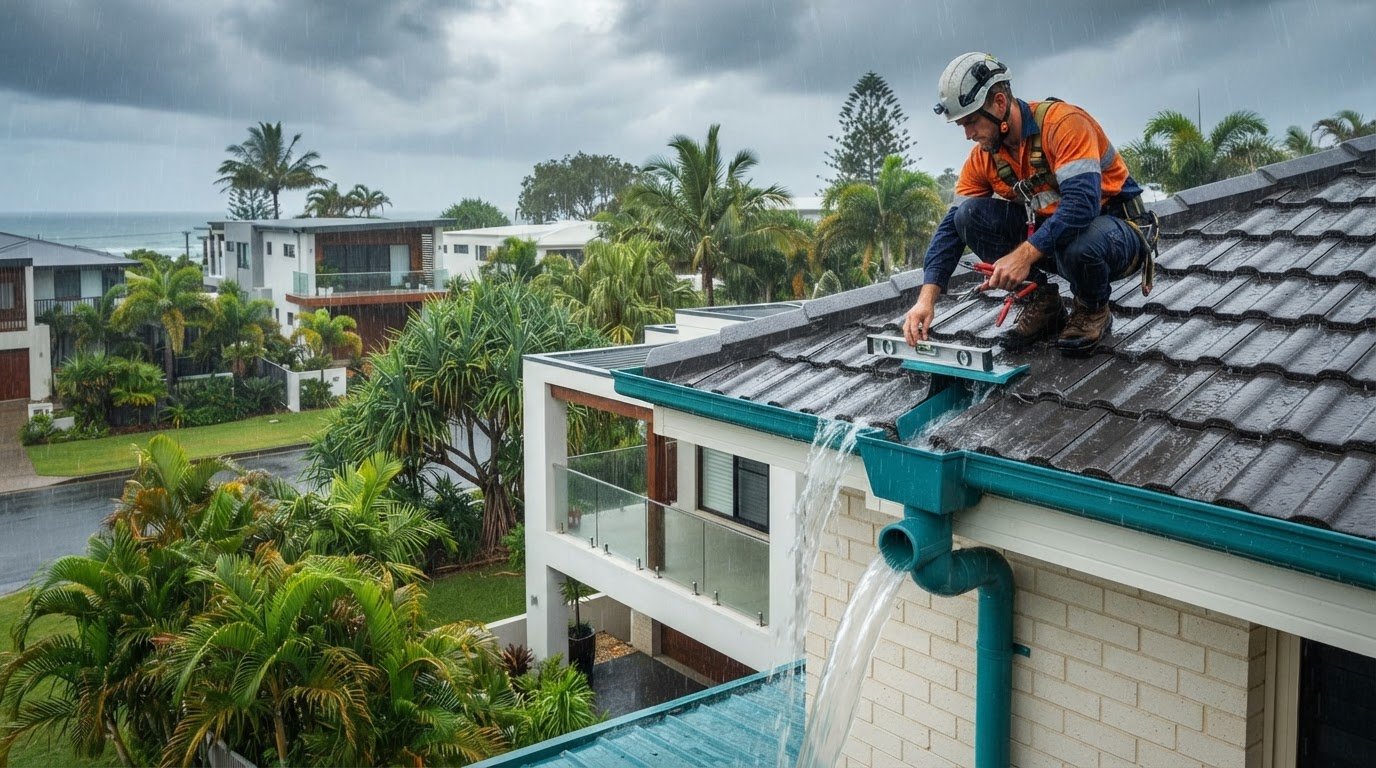
Ignoring small cracks in your pointing is a gamble with your home’s interior. These fractures allow water to seep behind the bedding, eventually leading to significant roof leak detection challenges. When pointing fails, the debris often washes into your roof plumbing system. Cracked mortar chunks are a primary culprit for blocked downpipes and drainage failure, which can lead to gutter overflows during heavy rain. A preventative repoint is a cost-effective alternative to repairing water-damaged ceilings and rotted structural timbers.
The Professional Ridge Capping Repair Process: A Step-by-Step Guide
A methodical approach to roofing ensures that your home’s peak remains secure through the next decade of coastal storms. When we undertake a ridge capping repair Manly Beach, we follow a rigorous sequence of steps designed to combat the aggressive salt environment. This process focuses on structural stability and long-term adhesion, rather than providing a quick aesthetic fix that will fail within a few seasons.
Preparation and Grinding
Preparation is roughly 70% of any successful roofing project. We begin by grinding back the old, degraded mortar to create a clean, recessed surface. This step is vital because new compounds cannot bond effectively to loose debris or salt-encrusted cement. Once the grinding is complete, we pressure clean the entire ridge area to remove fine dust and biological growth. During this phase, we also perform a detailed check of the surrounding tiles. If we identify any cracked or porous tiles, we replace them immediately before the repointing begins. To protect your property, we ensure that gutters and pathways are shielded from falling mortar debris throughout the process.
Applying the Flexible Compound
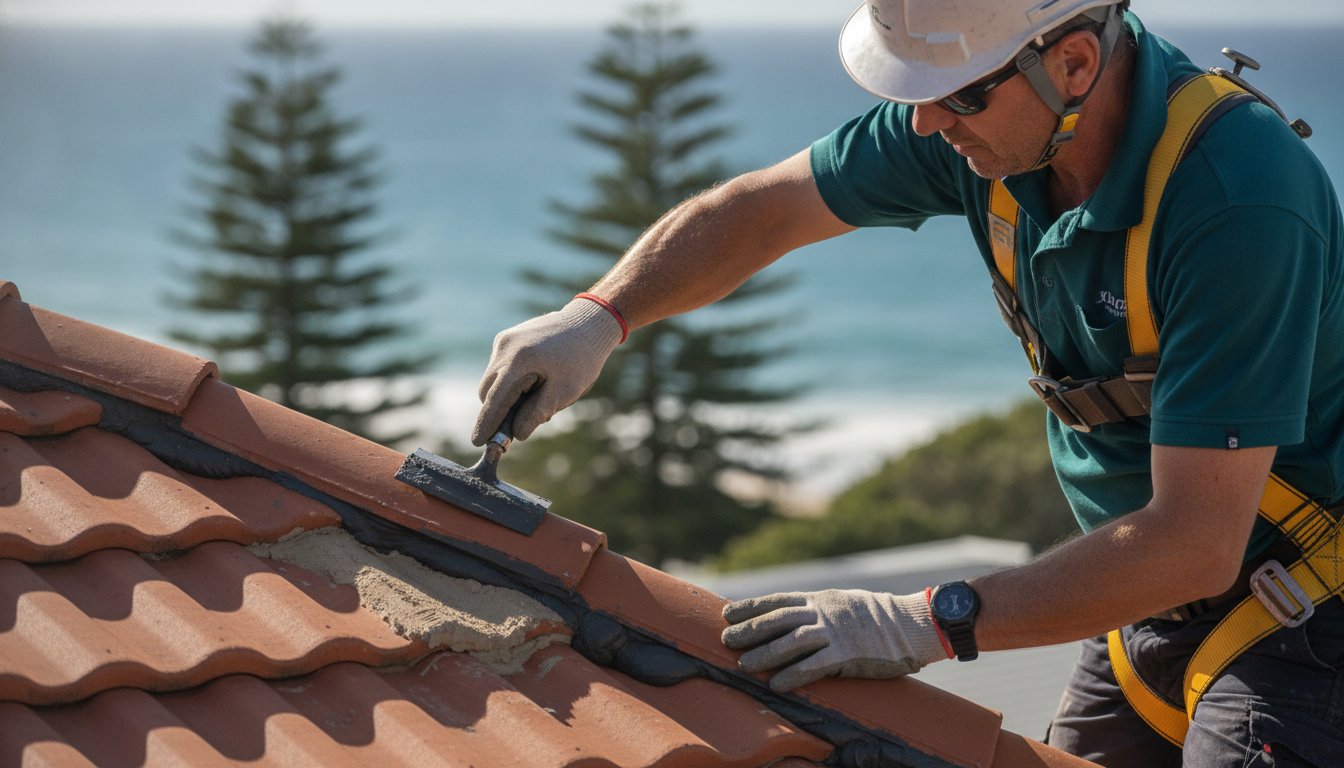
Once the ridge is prepared and dry, we apply a high-quality flexible polymer compound. We use specific “Manly-proven” weather-resistant brands, such as Starpoint or Flexipoint, which are engineered to withstand high humidity and thermal movement. Our specialists trowel the compound to a smooth, consistent finish that significantly enhances the street appeal of your residence. We pay close attention to the curing time, as coastal air can be quite damp. The compound must be applied under the right conditions to ensure it sets with maximum durability. We also ensure that “weep holes” remain clear; these small gaps are essential for allowing internal condensation and moisture to drain away from the bedding, preventing internal rot.
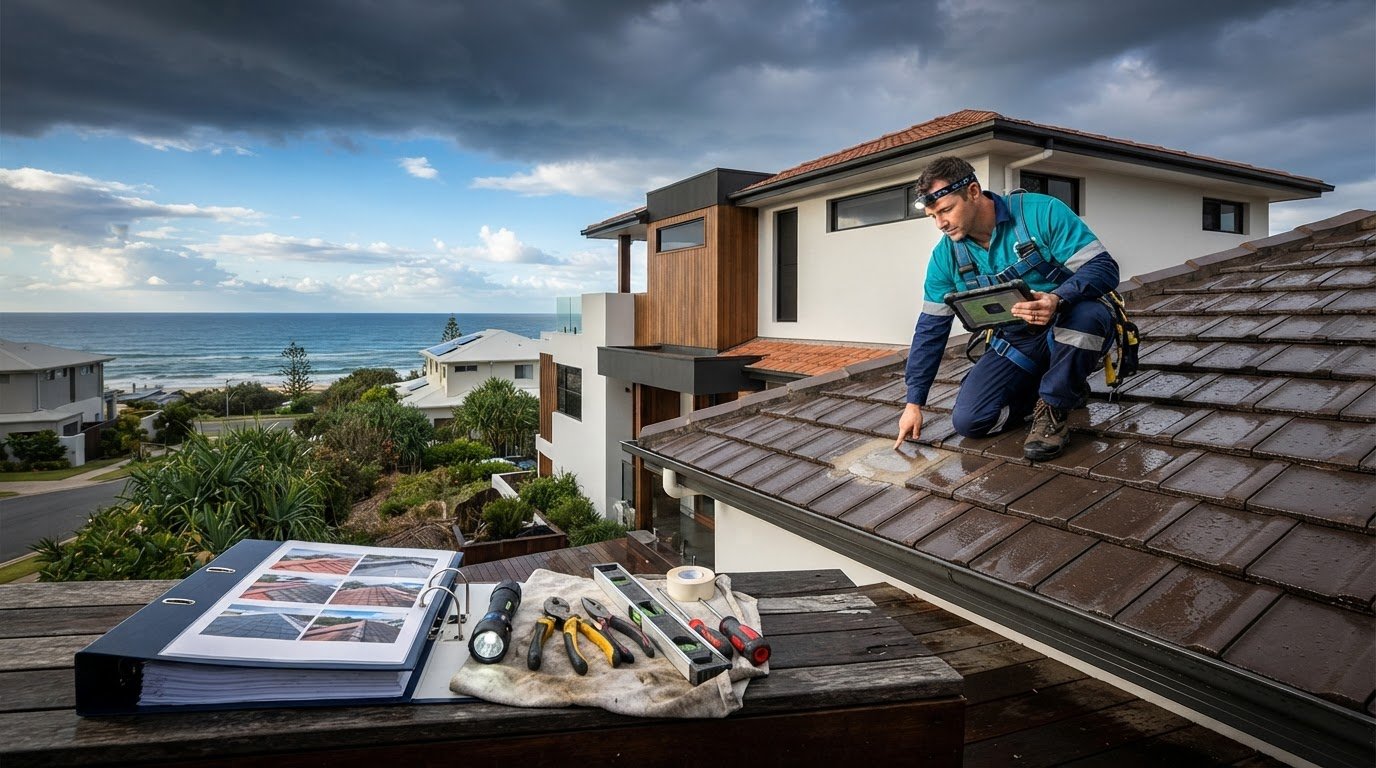
The final stage of the process involves a comprehensive inspection to check the integration of the new pointing with your existing waterproofing systems. We verify that every ridge tile is mechanically bonded and that the seal is continuous across the entire roofline. This attention to detail prevents the common issue of water driving under tiles during a heavy southerly buster. If you are noticing loose tiles or debris in your gutters, it is time to book a professional roof inspection to secure your home against the elements.
Maximising Your Roof Life with Expert Restoration and Plumbing
Choosing between a simple repair and a full roof replacement is a major decision for any homeowner. For those on the Northern Beaches, a comprehensive roof restoration is often the most strategic choice. It provides the structural benefits of a new roof at a fraction of the cost. A professionally executed ridge capping repair Manly Beach doesn’t just stop leaks; it revitalises the entire roofline, which is a significant “value add” in the competitive Manly property market. A watertight, aesthetically pleasing roof can increase a property’s market appeal by demonstrating that the home has been meticulously maintained against the harsh coastal elements.
Repointing as Part of a Full Restoration
Integrating repointing with a full restoration involves more than just fixing the ridge. It includes high-pressure tile cleaning to remove decades of salt and lichen, followed by the application of protective coatings. We also take this opportunity to address any flashing issues. Flashing is the metal shielding around chimneys and valleys that works alongside your ridge capping to ensure a 100% watertight seal. This holistic approach is the sustainable choice for Manly homes. It extends the life of existing materials and reduces landfill waste compared to a full tear-off and replacement. By addressing the ridge, tiles, and flashing simultaneously, you create a unified barrier against the Pacific storms.
Why Choose Roof Plumbing Expert for Your Manly Residence?
Our team operates as seasoned specialists in Northern Beaches water management. We don’t just look at the tiles; we evaluate the entire system, from the ridge peak to the downpipe discharge. Our local experience means we understand the street-by-street weather patterns, from the salt-heavy winds on North Steyne to the humidity traps in the backstreets of Fairlight. We believe in transparency and provide clear, direct explanations of the work required to ensure long-term structural security. You won’t find high-pressure sales tactics here, only practical solutions from professionals who take pride in protecting local homes.
The first step toward securing your home is a professional assessment. We evaluate the integrity of your bedding and pointing while checking the overall health of your roof plumbing. This ensures that your ridge capping repair Manly Beach is part of a broader strategy to protect your investment. Don’t wait for the next storm to reveal a weakness in your roof’s peak. A proactive inspection can identify minor cracks before they lead to expensive internal damage, giving you peace of mind that your home is ready for whatever the Manly coast delivers.
Secure Your Home Against the Next Coastal Storm
Maintaining your roof in a coastal environment requires a specialised approach that accounts for constant salt spray and high wind loads. You now understand why flexible pointing is the definitive choice for durability; it provides the elastic bond needed to survive thermal expansion without the risk of hairline fractures. By addressing these issues early, you prevent mortar debris from compromising your gutter health and internal ceiling structures.
Investing in a professional ridge capping repair Manly Beach is about more than just aesthetics. It is a structural necessity that protects your home from the aggressive Pacific elements. As local Northern Beaches specialists, we focus on high-durability flexible polymer compounds that outperform traditional cement in every coastal metric. Our team brings the expertise in coastal roof plumbing solutions required to ensure your roof restoration stands up to the next decade of storms.
Don’t wait for the next southerly buster to reveal hidden weaknesses in your roof line. Book Your Manly Beach Roof Inspection Today and take the first step toward long-term security. Your beachside residence deserves the protection of a specialist who understands the local climate.
Frequently Asked Questions
How much does ridge capping repair cost in Manly Beach?
The cost of ridge capping repair Manly Beach depends on the total linear metres of the ridge and whether the underlying bedding is still structurally sound. Factors such as roof pitch, tile type, and the level of salt-driven decay also influence the final price. We provide detailed, on-site assessments to determine if your roof requires a simple repoint or a more intensive structural rebedding.
How long does a professional roof repointing job take to complete?
Most standard residential projects are completed within one to two days. This timeframe includes the essential preparation stages of grinding back old mortar and pressure cleaning the area before the new flexible compound is applied. Larger or more complex roof designs may require additional time to ensure a precision finish and adequate curing.
Do I need to be home while you repoint my roof?
You don’t need to be home during the repair process because all work is performed on the exterior of your property. We only require clear access to the perimeter of the building and a standard outdoor power outlet for our grinding equipment. We provide a full briefing before work commences and a report once the job is finished.
Can you repoint a roof in rainy weather or high humidity?
We cannot apply flexible pointing during rain or periods of extreme humidity as the compound requires dry conditions to cure and bond correctly. Moisture during the application process can compromise the structural integrity of the seal. We monitor local Northern Beaches weather patterns closely to schedule your project during the most stable conditions.
What is the difference between rebedding and repointing?
Rebedding involves replacing the thick structural mortar foundation that holds the ridge tiles in place, while repointing is the application of the outer flexible seal. If your tiles are loose or the foundation is crumbling, a full rebed is necessary. If the foundation is solid but the edges are cracked, a repoint is often sufficient to restore the weather seal.
How often should a tiled roof be repointed in a coastal area like Manly?
Coastal roofs should be inspected every five to seven years, though modern flexible pointing is designed to last between 10 and 15 years. The aggressive salt air in Manly can accelerate the decay of the underlying cement bedding even if the pointing looks intact. Regular checks ensure that minor cracks don’t turn into major structural leaks.
Will repointing my roof stop all existing leaks?
Repointing will stop any leaks specifically originating from the ridge line, but it won’t fix issues caused by cracked field tiles or failed valley flashing. We recommend a comprehensive roof leak detection check alongside your ridge capping repair. This ensures that every potential entry point for water is identified and sealed before the project is signed off.
Is flexible pointing better than traditional cement mortar for the Northern Beaches?
Flexible pointing is the superior choice for coastal homes because it allows for the natural thermal movement and wind loads common in Manly. Traditional cement is too rigid and quickly develops hairline fractures when the roof frame shifts. Polymer-based flexible compounds maintain their grip and seal for significantly longer in high-salt environments.