What if the gutter isn’t the only reason water is spilling over? Upgrading gutters for better water flow starts with finding the actual bottleneck. It could be a blockage, poor fall, an undersized outlet or a downpipe that can’t carry water away efficiently. Replacing a serviceable gutter without checking the rest of the system may leave the problem unresolved.
Slow drainage and overflow during rain are frustrating, especially when it’s unclear whether you need a repair or a larger upgrade. The right solution depends on how roof water moves from the roof catchment through the gutters, outlets and downpipes, and where that flow is restricted.
This guide explains how to recognise common drainage issues, compare targeted repairs with gutter and downpipe upgrades, and understand what a professional assessment involves. By checking the connected roof-water system first, you can focus improvements on the components that need attention and help move water away from your property more effectively.
Key Takeaways
- Overflow, water behind the gutter and recurring blockages are signs to investigate, not proof that the gutter needs replacing.
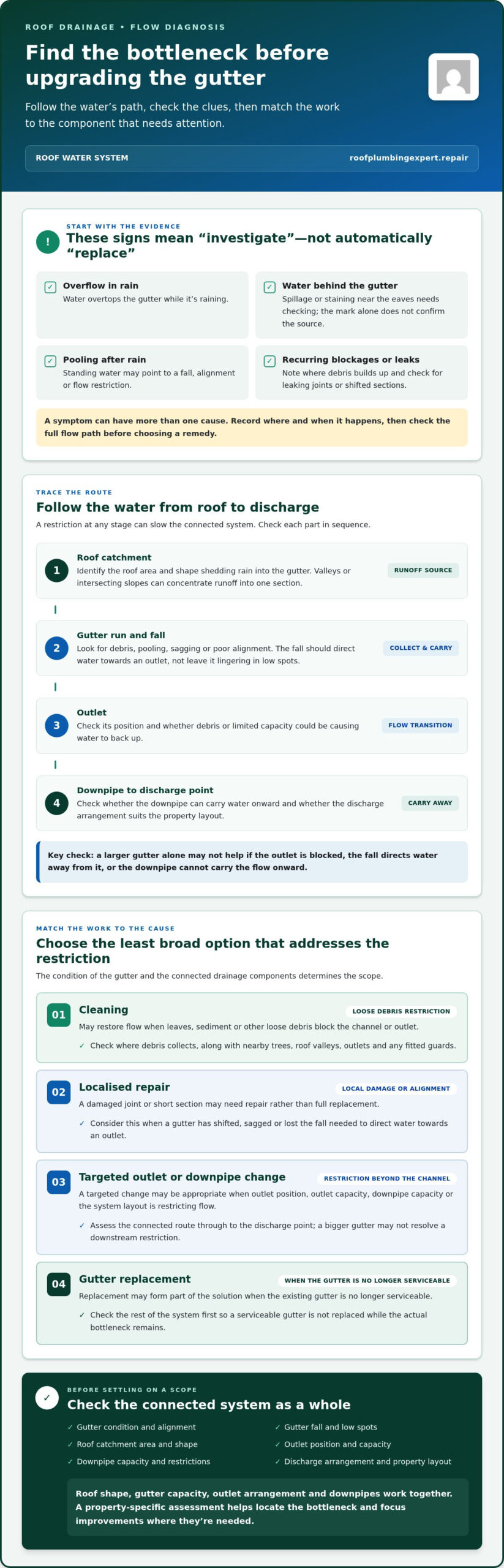
- Follow the water’s path from roof catchment through the gutter, outlet and downpipe to identify where flow may be restricted.
- Compare cleaning, localised repairs and outlet or downpipe changes with full replacement. Match the remedy to the system’s condition.
- Planning upgrading gutters for better water flow means assessing gutter condition, fall, outlet positions, downpipe capacity and discharge arrangements together.
- A professional assessment can identify the bottleneck and focus gutter and downpipe work on the components that need attention.
When do gutters need upgrading for better water flow?
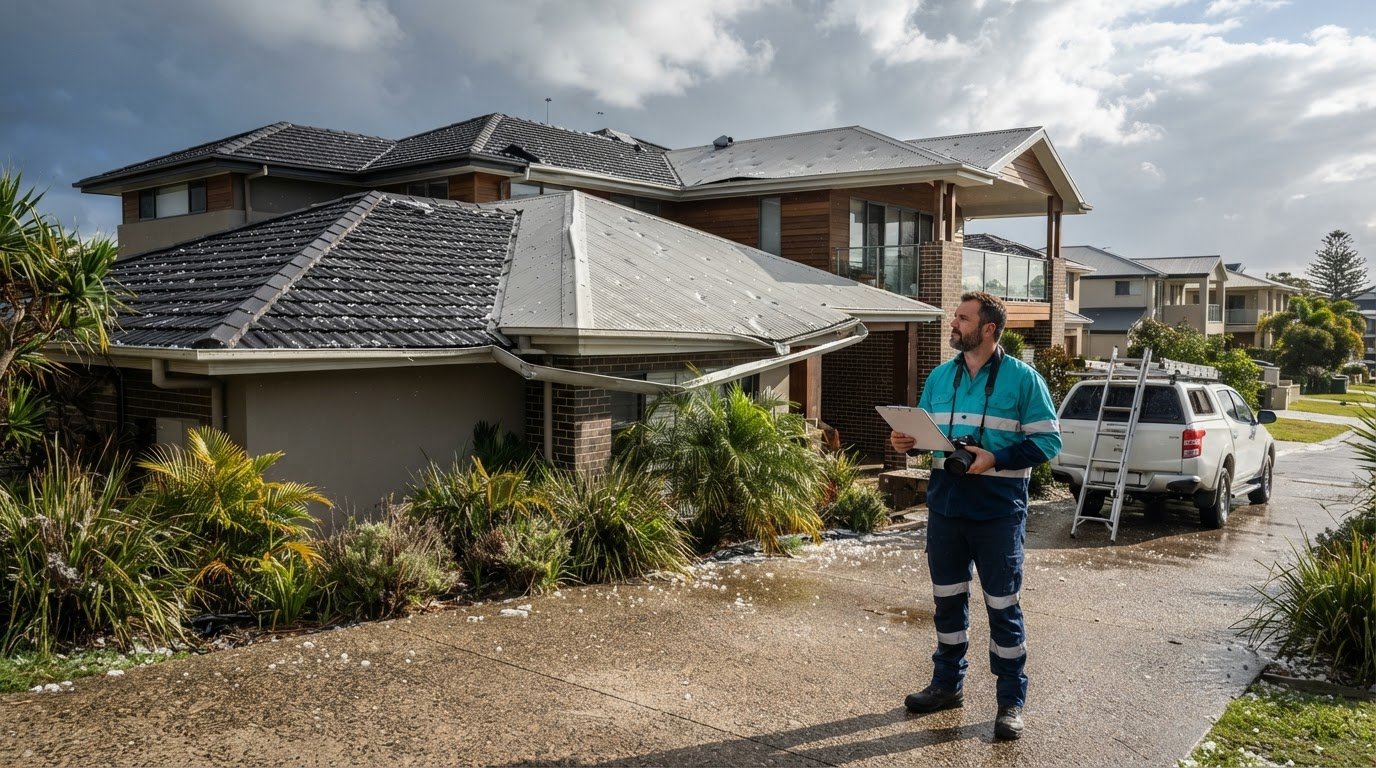
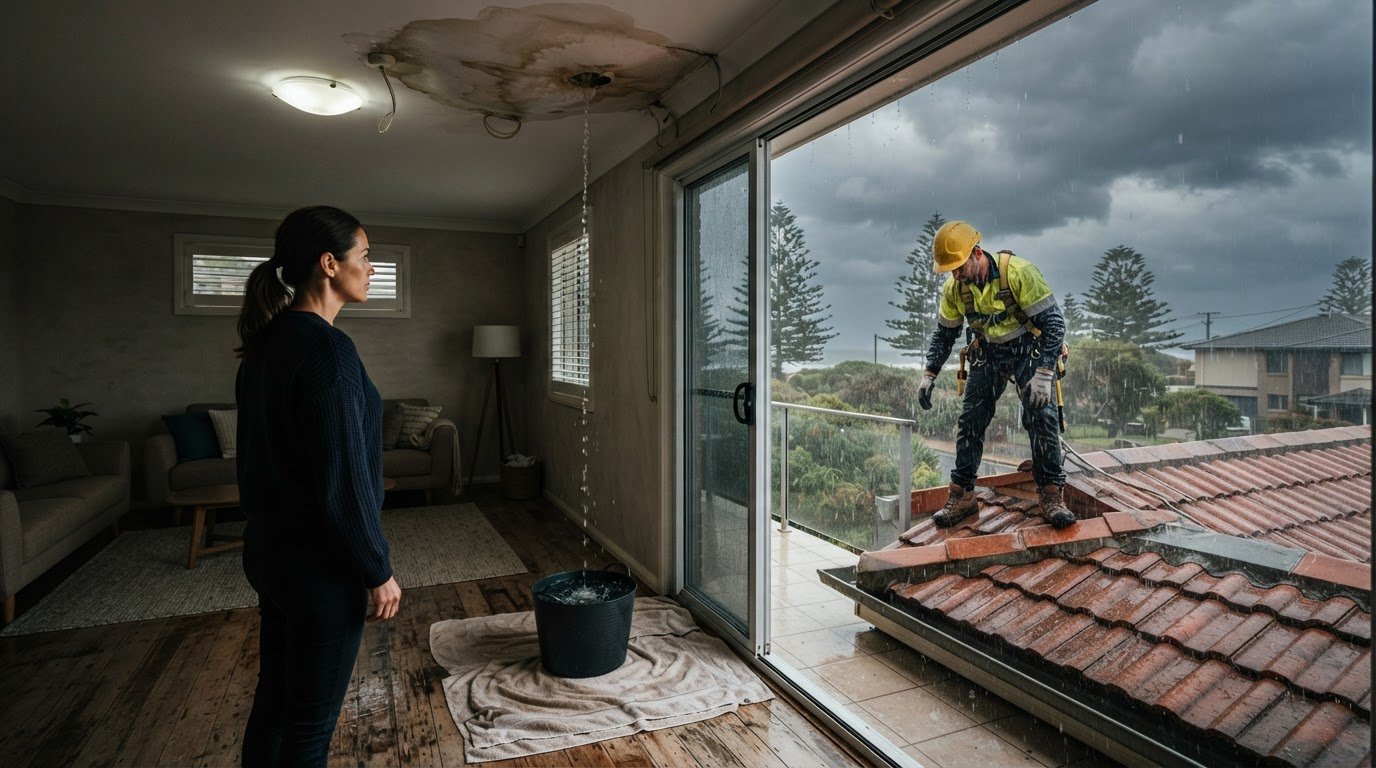
Overflow during rain, water spilling behind the gutter, persistent pooling and repeated blockages are reasons to investigate the drainage system. They don’t, on their own, prove the gutter needs replacing. Debris may be obstructing an outlet, a joint may be leaking, or a section may have shifted and lost its fall. The same symptom can have more than one cause, so note where and when it occurs, then assess the full flow path before choosing a remedy.
A gutter-flow upgrade improves the capacity or layout of the roof-water system so it can collect and carry water away more effectively. That might mean changing an outlet or downpipe, repairing a poorly aligned section, or replacing gutters that are no longer serviceable. The right scope depends on what’s restricting flow, not simply on where water becomes visible.
Which signs suggest a gutter drainage problem?
Watch for water overtopping the gutter in rain, standing water that remains after the weather clears, or visible leaks at joints. Staining or damp areas near the eaves also deserve investigation. Water may be escaping from the gutter, but the mark alone can’t confirm the source. For a basic overview of rain gutter system components, including how gutters collect water and connect to downpipes, see the linked reference.
Debris that repeatedly builds up is another useful clue. Note where it collects and whether nearby trees, roof valleys or outlet positions could be directing material there. Checking the outlets, any fitted guards and surrounding roof conditions can help distinguish routine cleaning needs from a recurring restriction in the system.
When is cleaning not enough to improve gutter flow?
Cleaning can restore flow when leaves, sediment or other loose debris block the channel or outlet. It won’t correct a damaged joint, a sagging or poorly aligned gutter, or drainage components that can’t carry the incoming water effectively. Those conditions may need a localised repair or a targeted change to an outlet or downpipe, rather than full replacement.
If overflow returns after the gutter has been cleared, assess the complete route, from the roof edge through the gutter and outlet to the downpipe. Repeated symptoms can help identify where to look, but they aren’t a diagnosis. A measured assessment supports upgrading gutters for better water flow only where the existing system needs improvement, while retaining serviceable components.
How roof design and drainage components affect gutter water flow
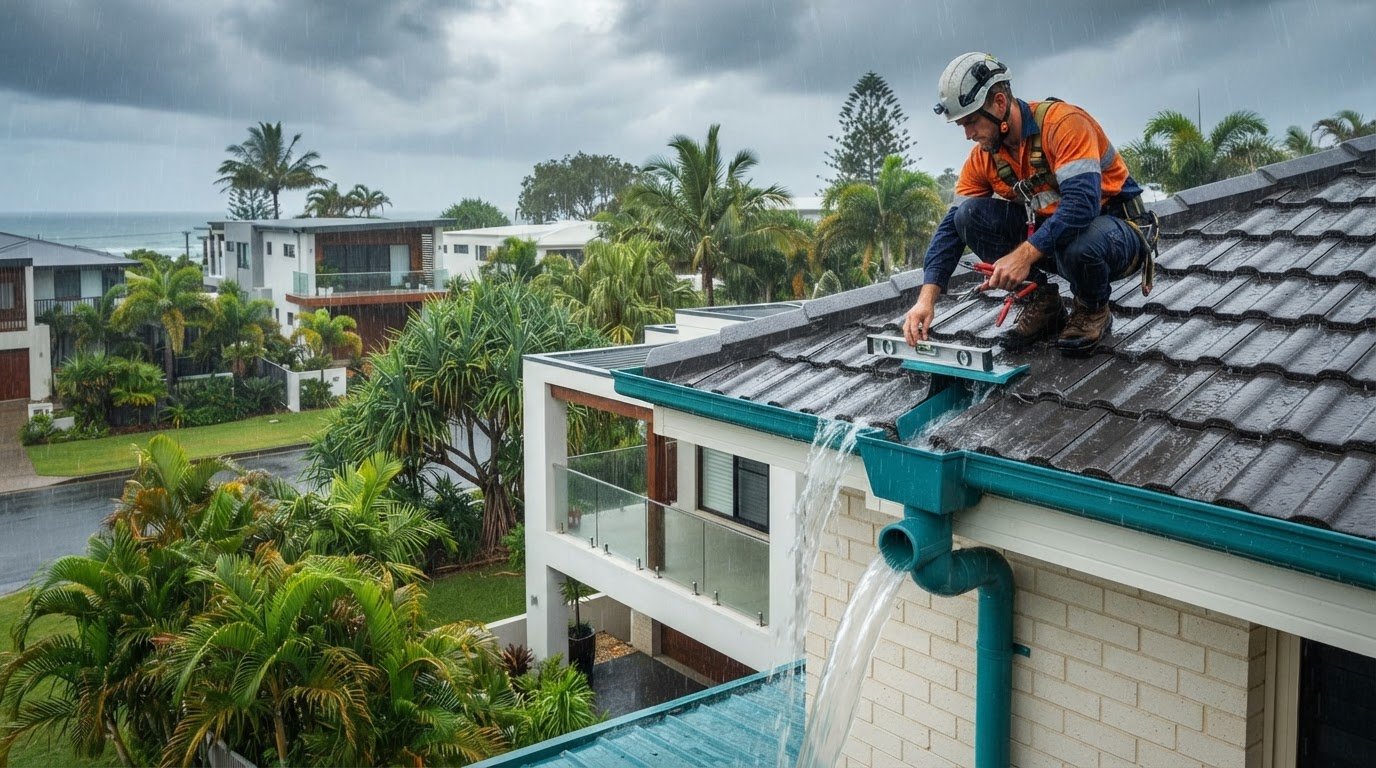
Roof water follows a connected route: it runs off the roof catchment into a gutter, moves along the gutter to an outlet, then flows down the downpipe towards an appropriate discharge point. A restriction at any stage can slow the whole system. Increasing gutter size alone may not help if an outlet is blocked, the fall directs water away from it, or a downpipe can’t carry the flow onward.
Effective drainage depends on matching the roof area and shape, gutter capacity, outlet arrangement and downpipes as one system. That’s why upgrading gutters for better water flow should start with the property’s roof and drainage layout, rather than a generic size recommendation.
How do roof catchment and gutter capacity influence flow?
The roof catchment is the surface area that sheds rain into a particular gutter run. Roof shape matters too. Valleys or intersecting slopes can concentrate runoff into one section, while a long run may carry water from a broad area towards a single outlet. During heavier rain, more water reaches the gutter in less time, increasing demand on every component downstream. Rainfall intensity varies by location and storm, so sizing should be assessed for the property rather than guessed from the gutter alone.
For further reading on matching gutter and downpipe arrangements to roof design, see this overview of gutter and downspout pairing. Its examples reinforce why roof shape and drainage layout need to be considered together.
Why do gutter fall, outlets and downpipes matter?
Gutters need a suitable fall, or slope, so water moves towards an outlet instead of lingering in low spots. The right arrangement depends on the gutter run and property; there isn’t one gradient that suits every roof. If the gutter is level, has sagged, or falls away from its outlet, water can pool even when the channel is clear.
Outlet location and capacity matter as well. An outlet placed poorly for the flow path, partly blocked by debris, or insufficient for the water reaching it can cause backup and overflow. The downpipe must then carry that water away. A restriction or mismatch there can limit drainage despite a larger gutter. Assess the route through to its discharge point, including the property’s layout and relevant requirements.
For homes in Mainly Beach, a property-specific roof plumbing assessment can trace the flow from catchment to discharge and identify whether the limitation sits at the gutter, outlet or downpipe. Learn about gutter and downpipe services as part of a connected roof-water solution.
Gutter upgrade options compared: cleaning, repairs or replacement
The right response depends on the restriction and the condition of the connected drainage system. If the gutter is sound and debris is blocking flow, cleaning may be enough. If a joint or short section is damaged, a local repair may resolve the issue. Persistent overflow can point to a restriction in the outlets, downpipes or system layout, which may call for a targeted change or broader replacement.
| Option | Suitable conditions | Likely scope | Limitations |
|---|---|---|---|
| Cleaning | Loose debris is restricting flow and the components remain serviceable. | Clear debris from the gutter and accessible outlets. | Won’t fix leaks, poor alignment, inadequate capacity or a restricted downpipe. |
| Localised repair | A joint, bracket or isolated section is damaged or loose. | Repair or secure the affected area and check that water can flow through it. | May not address wider deterioration or a system-wide capacity issue. |
| Outlet or downpipe changes | The gutter is in usable condition, but water is restricted at an outlet or downpipe. | Adjust or replace affected drainage components to improve the route away from the gutter. | Won’t resolve problems caused by damaged gutters or other restrictions elsewhere. |
| Gutter replacement | Deterioration is widespread, or the existing system persistently fails to manage roof runoff. | Replace affected gutter runs and coordinate their arrangement with outlets and downpipes. | Replacing gutters alone may leave the original bottleneck in place. |
When can cleaning or a targeted repair restore flow?
Cleaning is appropriate when debris is the confirmed obstruction and the gutter, outlets and downpipes are otherwise serviceable. A targeted repair may suit a leaking joint, loose section or isolated fault. After maintenance, observe how the system performs in rain. If overflow keeps returning, the underlying issue may be capacity or layout rather than cleanliness.
When should gutter and downpipe replacement be considered?
Broader replacement may be warranted if deterioration affects multiple sections or the existing arrangement repeatedly fails to carry water away. The assessment should consider gutter condition alongside roof layout, outlet positions and downpipe capacity. Replacing components in isolation can leave a mismatch: a new gutter may still drain poorly if outlets or downpipes remain the restriction. For more detail on this part of the system, read the guide to downpipe replacement.
When upgrading gutters for better water flow, choose the least extensive option that addresses the cause. Make broader changes where the existing system can’t manage the flow effectively.
How to plan a gutter upgrade for better water flow
A sound upgrade follows a clear sequence. Start with the symptoms and finish by checking how the completed system carries water, rather than replacing parts by guesswork.
- Record what you observe. Note where overflow, pooling or leaks appear and whether the problem affects one area or several gutter runs. The guide to overflowing gutters can help put these symptoms in context.
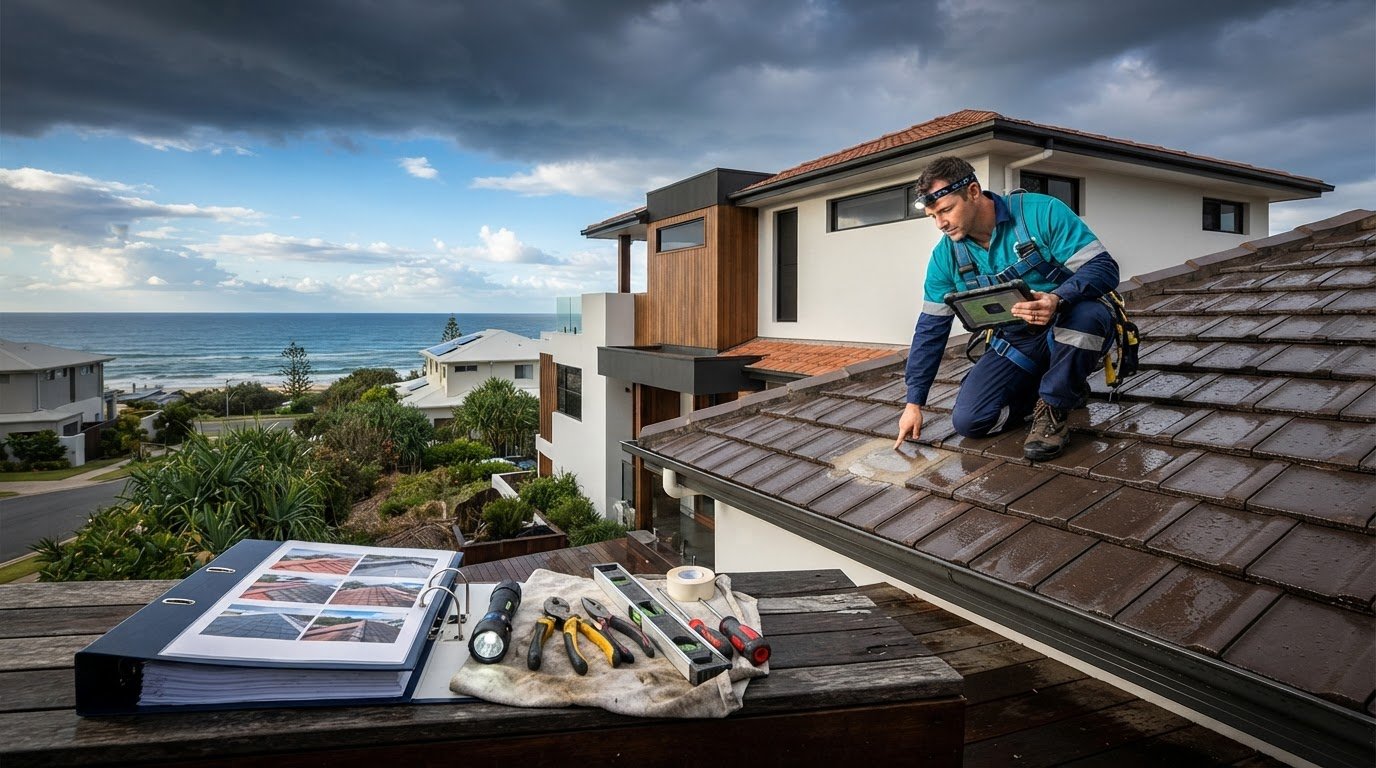
- Assess the complete drainage route. A roof plumber inspects the roof catchment and roof edges, gutter condition and fall, joints, outlet positions, downpipes and visible water damage. This helps establish whether the restriction is isolated or affects the wider system.
- Specify work for the property. The proposed scope should address the diagnosed cause and account for the roof layout, the condition of existing components and where water is directed after it leaves the downpipe. Site conditions and applicable Australian requirements inform the final design.
- Install and check the work. Depending on the scope, affected sections may be repaired or removed and replaced, with outlets and downpipes connected as part of the drainage route. Check the completed arrangement for alignment, sound joints and effective water movement.
What happens during a professional gutter assessment?
The inspection considers more than the section where water spills over. The roof plumber checks gutter runs, joints, outlets and downpipes, and looks for visible signs of water damage around the eaves. They consider how roof area and shape feed each run, whether the gutter falls towards its outlets, and whether water can continue through the downpipes. This helps distinguish a local fault from a capacity or layout issue affecting several components.
Note when the problem occurs and where you’ve noticed it. Those observations help guide the inspection, but the system itself needs to be assessed before the remedy is set.
If you’re planning upgrading gutters for better water flow in Mainly Beach, a roof plumbing assessment can clarify which components need attention and which remain serviceable. Learn about gutter and downpipe assessments to plan work around your property’s drainage needs.
How is an upgrade installed and checked?
Work may involve repairing a local section or replacing affected gutter runs, then ensuring outlets connect properly to the downpipes. The roof plumber checks the finished alignment, joints and water movement through the drainage route. Keep clear of roof edges. Work at height carries serious risks, so leave access and installation to a suitably equipped professional.
Improve gutter flow with a locally assessed roof drainage solution
A lasting improvement starts with identifying the restriction, comparing suitable remedies and upgrading only the components the system needs. Overflow may come from a blocked outlet, a damaged gutter section, poor fall or a mismatch between the roof catchment and drainage capacity. Treating the visible symptom without considering the connected system can leave the underlying issue unresolved.
What should a flow-focused gutter solution address?
The selected work should suit the property’s roof layout and the symptoms observed. Consider gutter runs, fall, joints, outlet positions and downpipes as connected parts of the route that carries roof water away from the building. A repair may be appropriate where the fault is local. Broader gutter and downpipe work may be needed if the condition or arrangement of the system is limiting flow.
For background on how these components work together, refer to the gutter and downpipe installation guide. The goal is a coordinated solution, not simply a larger gutter or a new downpipe in isolation.
What is the next step if your gutters keep overflowing?
If overflow continues or returns after cleaning and repairs, arrange a professional roof-plumbing assessment. The inspection can establish whether the issue is confined to one section or involves the wider drainage route, then guide decisions about what to retain, repair or replace. This measured approach helps avoid replacing components that are still serviceable.
Roof Plumbing Expert provides gutter and downpipe installation, replacement and repair for residential and commercial properties in Mainly Beach. If you’re considering upgrading gutters for better water flow, describe the symptoms you’ve noticed and arrange an assessment of your drainage system.
Visit Roof Plumbing Expert to discuss your gutter and downpipe needs.
Make your next gutter upgrade a considered one
Overflow doesn’t automatically mean your gutters need replacing. The restriction could be debris, a damaged section, poor fall, an outlet or a downpipe. Tracing water from the roof catchment through to its discharge point helps identify the cause and avoid replacing components that are still serviceable.
Effective upgrading gutters for better water flow means matching the remedy to the roof layout and condition of the whole drainage system. Cleaning or a local repair may be enough for an isolated issue; persistent problems may call for targeted changes or broader gutter and downpipe work.
Roof Plumbing Expert provides specialist gutter and downpipe installation, replacement and repair for residential and commercial properties in Mainly Beach and across New South Wales. A professional assessment can clarify what’s restricting flow and what work is appropriate for your property.
Discuss a gutter-flow assessment with Roof Plumbing Expert to plan the next step for your property’s roof drainage.
Frequently Asked Questions
Will larger gutters improve water flow?
Not necessarily. Larger gutters may help if the existing capacity is inadequate for the roof area and runoff, but they won’t fix a blocked outlet, poor fall or restricted downpipe. Effective upgrading gutters for better water flow means checking how water moves through the whole system before changing its size. A property-specific assessment helps identify whether the gutter is the bottleneck or another component needs attention.
How can I tell whether my gutters need replacing or just cleaning?
If loose leaves or debris are blocking the gutter or outlet, cleaning may restore flow, provided the components remain serviceable. Look for recurring leaks at joints, sagging sections, corrosion or damage, but don’t rely on one symptom alone to decide on replacement. If overflow returns after cleaning, a roof plumber can assess the gutter’s condition, fall, outlets and downpipes to determine whether a repair or broader upgrade is warranted.
Can new downpipes stop gutters from overflowing?
They can help if the existing downpipes are blocked, poorly positioned or unable to carry water away effectively. But new downpipes won’t resolve every cause of overflow. The gutter may have poor fall, an obstructed outlet or insufficient capacity for the roof area feeding it. A roof plumber should assess the connected route from gutter to discharge point so downpipe changes address the actual restriction rather than leaving another bottleneck in place.
How do roof size and rainfall affect gutter sizing in Australia?
The roof area and shape determine how much water flows into each gutter run. Valleys or intersecting roof sections can concentrate runoff in particular areas, while rainfall intensity affects how much water reaches the system at once. Conditions vary between locations and properties, so a general gutter size or calculation may not suit your home in Mainly Beach. A roof plumber can assess the catchment, layout and drainage components to plan an appropriate system.
Do gutter guards improve water flow?
Gutter guards may help limit leaves and larger debris entering gutters, but they don’t increase gutter or downpipe capacity. Debris can still collect on or around guards, and outlets can remain restricted, so guards don’t remove the need for inspection and maintenance. If water is already overflowing, first identify the cause. A blockage, poor fall or inadequate drainage arrangement may need attention before guards are considered as part of the system.
Can I upgrade gutters myself?
Simple observations from the ground, such as noting where water spills over, can help describe the problem. Installation or repair is different: gutter work involves working at height and correctly aligning and connecting components, so arrange a professional roof-plumbing assessment rather than accessing roof edges yourself. A roof plumber can determine whether cleaning, repair or replacement is appropriate and plan the work around the property’s roof and drainage layout.
What should a roof plumber check when assessing gutter flow?
A roof plumber should assess the roof catchment and shape, gutter condition and fall, joints, outlet positions, downpipes and visible signs of water damage. They’ll trace the flow path to determine whether the restriction is isolated or system-wide, and consider where the water is discharged. For properties in Mainly Beach, Roof Plumbing Expert provides gutter and downpipe installation, replacement and repair for residential and commercial properties, with work planned around the site’s drainage needs.