What if your attempt to boost your home’s kerb appeal actually resulted in a A$10,000 structural repair bill? It is a common fear for many homeowners in NSW who see moss and lichen taking over their roof but dread the thought of a cracked tile or a sudden ceiling leak. You likely know that a dirty roof holds moisture and reduces the lifespan of your materials, yet the conflicting advice about high-pressure cleaning versus chemical treatments is enough to make anyone hesitate. Learning how to clean roof tiles without damaging them is not about using the most power; it is about using the right technique for the specific material over your head.
We understand the anxiety that comes with heights and the fragility of aged terracotta or concrete. This expert guide provides the safest, professional-grade methods to restore your roof to its original condition without risking its structural integrity. You will learn why the industry has shifted toward soft washing as the 2026 standard and how to identify the exact point where a DIY job should become a professional intervention. We are going to walk you through the precise steps to achieve a spotless finish while ensuring your home remains watertight and secure for years to come.
Key Takeaways
- Stop using high-pressure washers on concrete tiles, as this strips the essential slurry coat and leads to premature material deterioration.
- Discover the “soft wash” method, which is the professional secret for how to clean roof tiles without damaging them while effectively killing organic growth.
- Learn the correct walking techniques and safety equipment needed to avoid cracking fragile terracotta tiles through accidental point-loading.
- Identify the difference between surface moss and stubborn lichen, especially in coastal areas like Manly Beach, to ensure a long-lasting clean.
- Understand when a DIY approach becomes a structural risk and why a professional “clean and inspect” service is the best way to maintain roof plumbing integrity.
What is Roof Tile Cleaning and Why is it Essential?
Roof tile cleaning is the systematic removal of organic growth, environmental pollutants, and debris to protect the structural integrity of a building. It is a maintenance task that serves a functional purpose far beyond simple kerb appeal. A roof covered in moss or lichen acts like a sponge, retaining moisture that can eventually seep into the roof cavity. By learning how to clean roof tiles without damaging them, you prevent the premature degradation of the materials that shield your home from the elements.
The relationship between clean tiles and effective roof plumbing is direct. When organic matter accumulates, it eventually washes into the valleys and downpipes. This causes blockages that force water to back up under the tiles during heavy Sydney storms. Maintaining a clear surface ensures that your drainage system operates at peak capacity. This is the most effective way to avoid the need for an expensive roof leak repair Sydney homeowners often face after years of neglect. Australian conditions, specifically high UV levels and salt air in coastal suburbs like Mainly Beach, accelerate tile “chalking” and create a breeding ground for stubborn moss.
Terracotta vs. Concrete: Knowing Your Material
Identifying your roof material is the first step in any cleaning project. Terracotta tiles are made from natural clay and fired in a kiln. This results in a resilient material with baked-in colour that does not fade. While they are durable, their porous nature makes them a prime target for lichen growth. Concrete tiles rely on a protective glaze or “slurry” coat for their appearance and water resistance. When understanding roof tile materials, you must recognise that concrete is far more susceptible to surface erosion if cleaned incorrectly. You can usually tell the difference by looking at the underside of a tile; terracotta remains orange or red, while concrete is typically grey.
Signs Your Roof Tiles Need Urgent Attention
Delaying a clean can lead to structural failure. Look for these specific warning signs on your roof:
- Moss Dams: Thick clumps of moss that grow between tile laps, physically lifting the tiles and diverting water into the roof space.
- White Lichen: Crusty spots that produce acids, which slowly eat into the tile surface and create micro-cracks.
- Accumulated Debris: Leaf litter and silt in valleys that cause water to overflow into the eaves during downpours.
- Chalking: A powdery residue on concrete tiles indicating the protective coating has broken down due to high UV exposure.
Addressing these issues early is the key to how to clean roof tiles without damaging them. If you wait until the growth has deeply pitted the surface, the cleaning process becomes significantly more invasive and risky.
The Risks of Improper Cleaning: How Damage Happens
Cleaning a roof seems like a straightforward weekend task. However, the wrong equipment or technique can turn a cosmetic refresh into a structural disaster. Many homeowners reach for a high-pressure washer, unaware that this is often the fastest way to ruin their tiles. Understanding how to clean roof tiles without damaging them starts with recognising that your roof is a complex system of overlapping components, not just a single flat surface.
The ‘Pressure Washer Trap’
Using a machine with 3000+ PSI is the most common mistake. High-pressure water strips the “slurry” coat, which is the thin, pigmented layer on concrete tiles that provides colour and weather resistance. Once this layer is gone, the underlying concrete becomes porous and rough. This “pitting” creates a perfect, velcro-like surface for moss and lichen to return even faster than before. Hydro-blasting is the leading cause of premature tile failure in NSW. According to NRCA cleaning guidelines, using excessive pressure can void manufacturer warranties and cause irreversible surface damage. If you strip this protective coat, you might find yourself needing a full roof restoration Sydney homeowners want to avoid.
Chemical choice is equally critical. Harsh, undiluted bleach or acidic cleaners can perish your roof flashing and waterproofing materials. Rubber seals around skylights and lead flashing in valleys are particularly vulnerable to corrosive cleaners. Furthermore, the angle of the water matters. Spraying “up” the roof or directly into the laps forces water under the tiles, saturating your insulation and ceiling plaster. This is the exact opposite of how to clean roof tiles without damaging them.
Structural Integrity and Tile Fragility
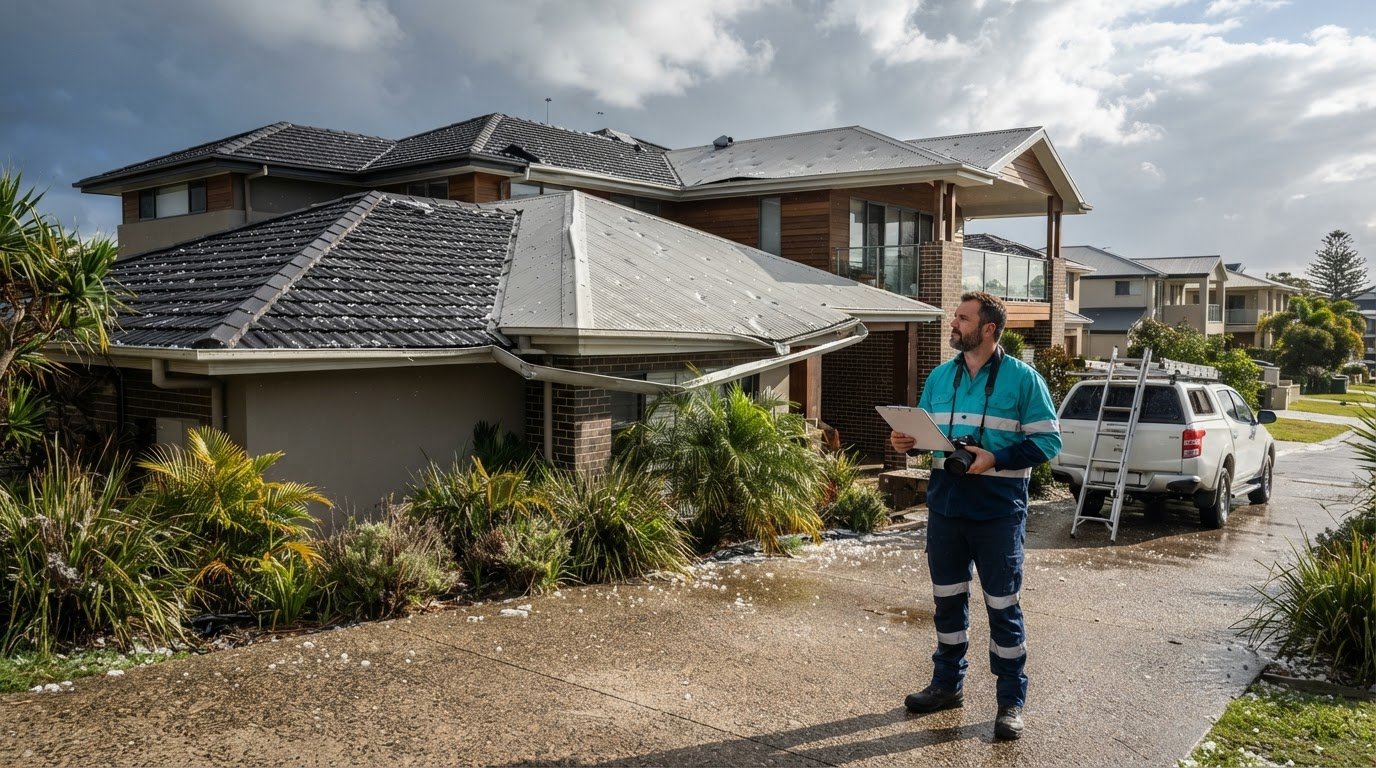
Aged tiles, especially those over 20 years old, become incredibly brittle. The constant expansion and contraction from Sydney’s heat cycles weaken the material’s internal structure. Most people don’t realise that tiles are designed to support weight only in specific areas. Stepping on the centre of a tile creates “point-loading,” which causes instant cracks that are often invisible from the ground. Cleaning also puts immense pressure on the ridge capping and pointing mortar. If the mortar is already degraded, even a low-pressure stream can dislodge it, leaving your roof vulnerable to the next storm.
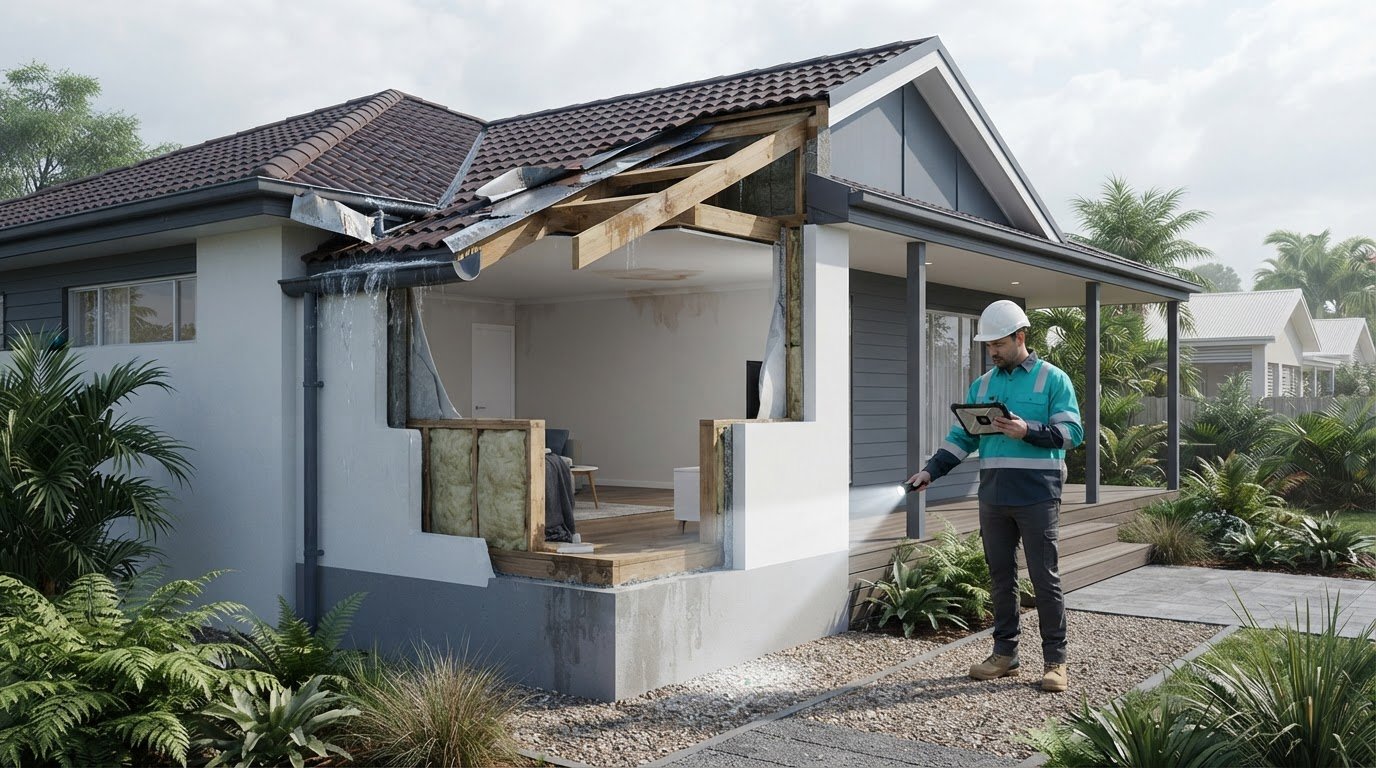
A clean roof that leaks is a much bigger problem than a dirty roof that is watertight. If you suspect your tiles are too fragile for a DIY attempt, it is worth consulting a specialist in roof leak detection and repair to assess the structural health of your home first.
Safe Methods for Cleaning Roof Tiles Without High Pressure
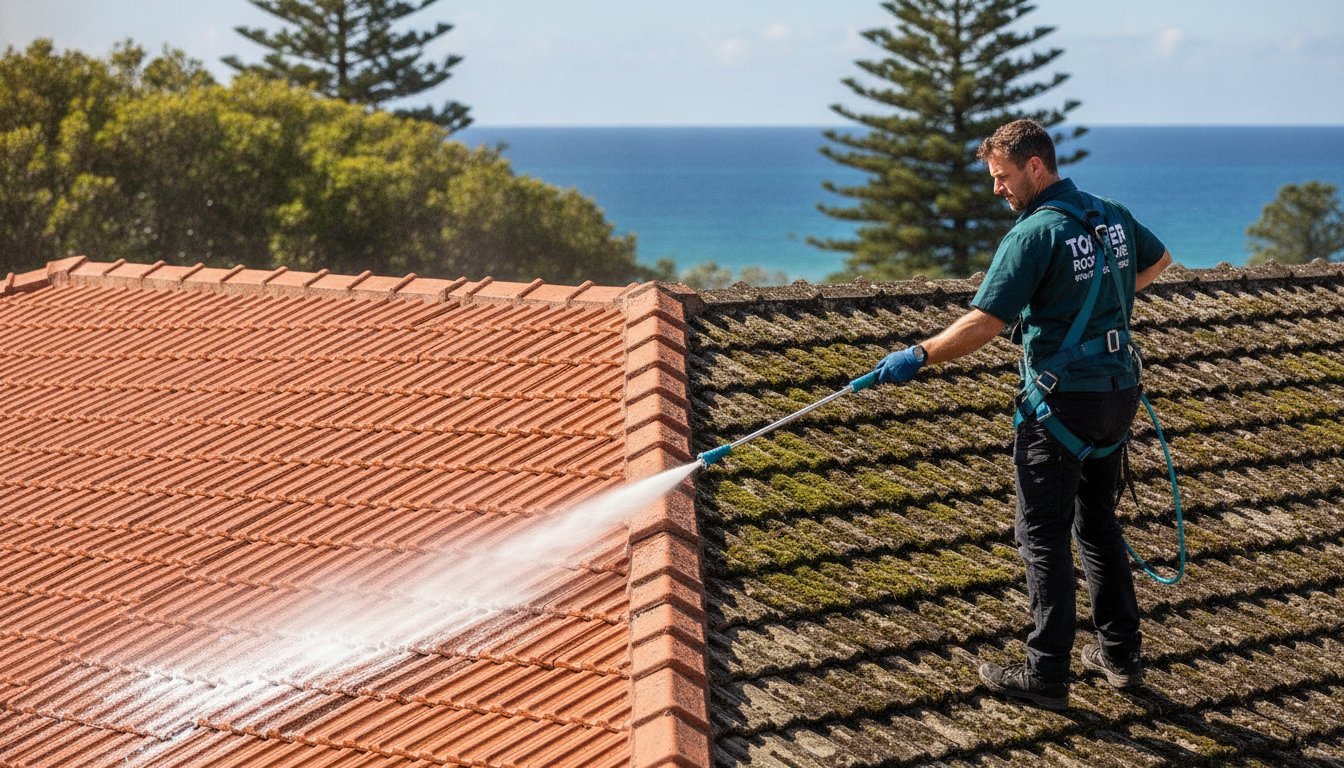
The safest alternative to destructive hydro-blasting is the “soft wash” technique. This method relies on chemistry rather than brute force to eliminate organic growth. It is the definitive answer for how to clean roof tiles without damaging them because it preserves the tile’s surface integrity while killing the root systems of moss and lichen. Before you begin, you must disconnect your downpipes at the ground level or use diversion socks. This prevents chemical-laden runoff from entering your garden beds or the Sydney stormwater system, which is a critical environmental consideration in NSW.
Always start from the ridge and work your way down to the gutters. This top-to-bottom approach ensures you aren’t washing debris over already-cleaned sections. It also minimises the risk of forcing water under the tile laps, which is a major cause of ceiling leaks. By working with gravity, you ensure that the cleaning solution and rinse water flow over the tiles exactly as rainwater would during a storm.
The Step-by-Step Soft Wash Process
Following a methodical process ensures a professional result without the risk of structural damage. Use these four steps for a safe clean:
- Step 1: Dry-brushing. Use a soft-bristle broom to gently remove large moss clumps. Don’t scrape hard; the goal is simply to remove the bulk of the material so the treatment can reach the tile surface.
- Step 2: Application. Apply a specialised, biodegradable moss and mould remover using a low-pressure garden sprayer. These solutions are designed to break down the cellular structure of the growth without corroding your roof plumbing.
- Step 3: Dwell Time. Allow the solution to sit. Patience is your best tool here. The solution needs time to penetrate the porous surface of the tile to ensure the growth doesn’t return within months.
- Step 4: Rinsing. Rinse using a standard garden hose. Keep the nozzle at a 45-degree downward angle. This is the gold standard for how to clean roof tiles without damaging them.
Safety Gear and NSW Regulations
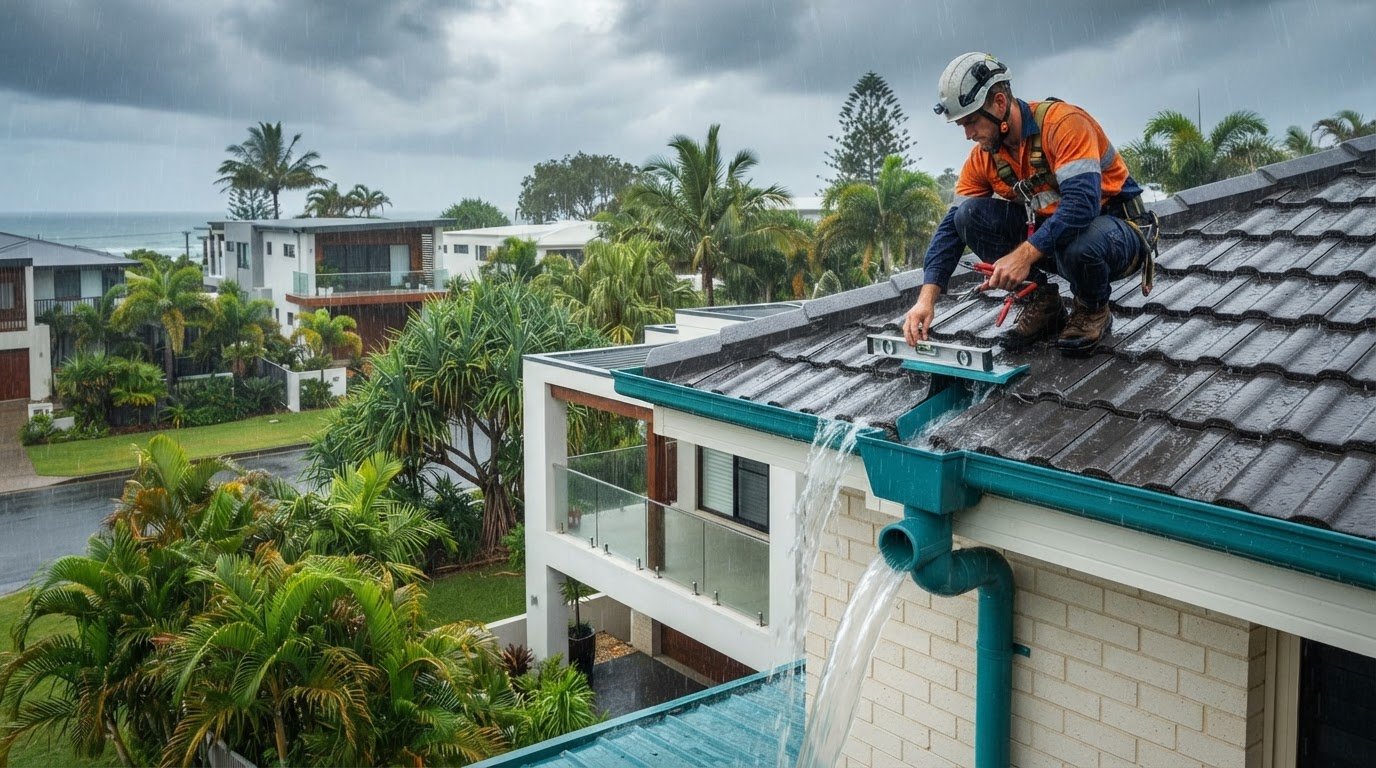
Safety is not optional when working at heights. In NSW, if there’s a risk of a fall from two metres or more, specific safety measures like physical barriers or a harness system are practically and legally required. You need a sturdy extension ladder secured at the top and soft-sole shoes to maintain grip without cracking the tiles. Never work alone; the “buddy system” ensures someone is on the ground to steady the ladder and call for help if an accident occurs. Managing wastewater is also a legal obligation under local council regulations. You must ensure that any biocide or sediment is contained and not allowed to flow directly into the street gutters or local waterways.
Moss, Lichen, and Algae: Removing Stubborn Growth
Understanding the biological differences between moss and lichen is essential for a successful clean. Moss is a simple, rootless plant that grows in thick, green clumps. It primarily sits on the surface, though its ability to trap moisture creates “dams” that lead to water ingress. Lichen is a far more aggressive organism. It is a symbiotic combination of algae and fungi that anchors itself deeply into the tile. In coastal suburbs like Mainly Beach, the combination of high humidity and salt air leads to a proliferation of stubborn “white” lichen. This crusty growth is much harder to remove than standard moss and requires a more patient approach to avoid surface scarring.
Dealing with Lichen ‘Roots’
Lichen produces oxalic acid as a metabolic byproduct. This acid chemically etches into the tile surface, creating micro-pits where the organism takes root. Physical scraping is often the first instinct for homeowners, but this usually removes the top layer of the tile along with the lichen. This results in permanent damage and a more porous surface. Lichen removal often requires a two-stage chemical treatment over several months. By applying a specialised biocide and leaving it to work, you allow the chemical to kill the deep-seated root systems. This slow-release method is the most effective way for how to clean roof tiles without damaging them, as the dead lichen will eventually weather away naturally without the need for abrasive force.
Gutter Maintenance During Cleaning
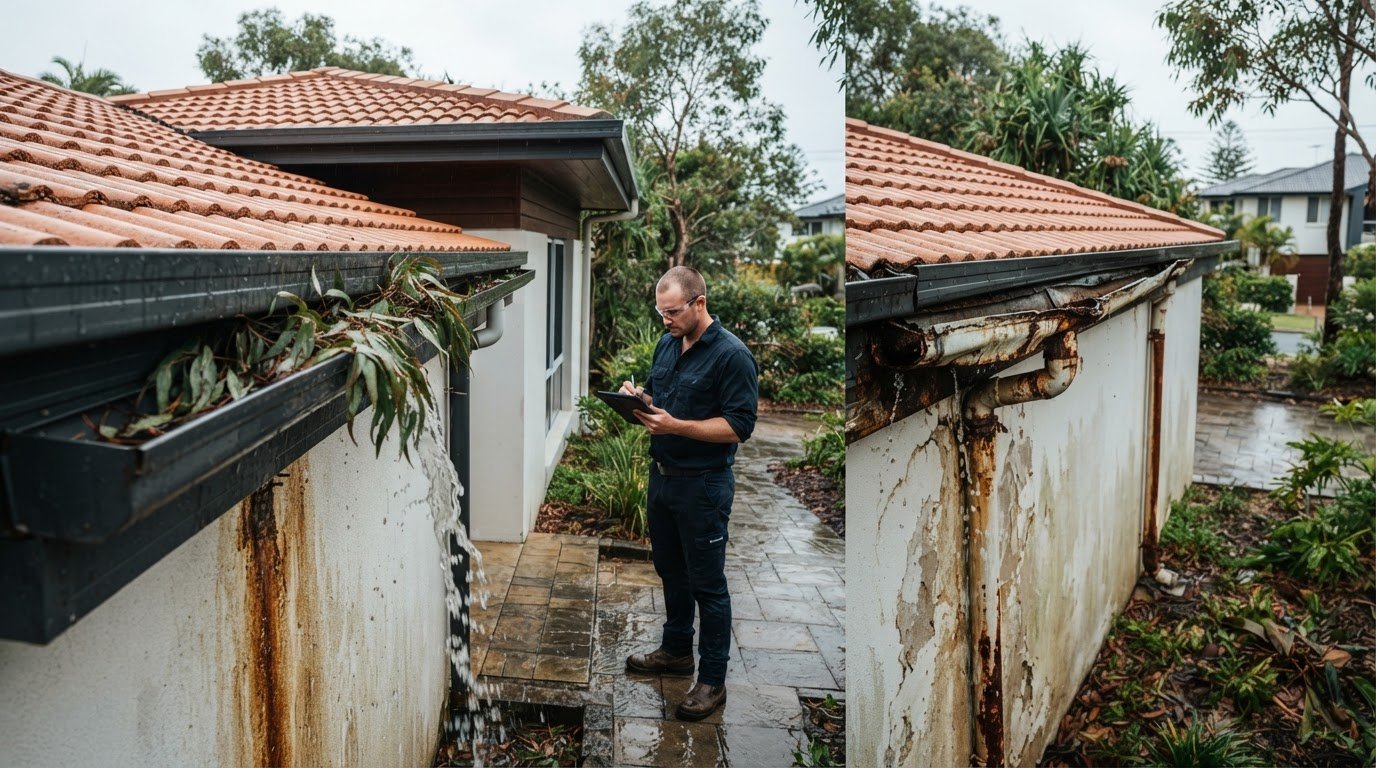
A thorough roof clean generates a significant volume of organic sludge, grit, and dislodged lichen. If this material is not managed correctly, it will immediately compromise your gutter and downpipe installation. We recommend clearing all valleys and flashings once the tiles are rinsed to ensure water can flow freely. It is common for a deep clean to reveal hidden issues. Removing years of moss often uncovers hidden gutter rust or pinhole leaks in the flashing that were previously masked by debris. Ensuring these drainage components are clear is just as important as the tiles themselves for maintaining a watertight home.
Once the tiles are clean, the ridge capping is fully exposed for a proper inspection. A deep clean can sometimes dislodge loose or degraded mortar. This is the ideal time to consider repointing to keep the ridge caps secure against high winds. To prevent the return of organic growth, you can install copper or zinc strips near the ridge. When it rains, these metals release ions that inhibit the growth of moss and algae. This is a proactive step in how to clean roof tiles without damaging them while extending the time between major cleans. If your roof is heavily encrusted with lichen, contact our team for a professional roof restoration and maintenance assessment to ensure the job is done safely.
When to Hire a Professional Roof Plumber
While understanding how to clean roof tiles without damaging them provides a solid foundation for home maintenance, some situations demand specialised intervention. There is a distinct threshold where the risks to your safety and the structural integrity of your home outweigh the potential savings of a DIY project. A professional roof plumber doesn’t just wash away dirt; they provide a comprehensive structural audit that identifies potential points of failure before they become emergencies. This peace of mind is backed by a workmanship guarantee that no weekend project can match.
The complexity of the task increases significantly with the pitch of the roof and the height of the building. If your home is multi-storey or has a steep incline, the risk of a fall is a serious reality. Professionals use certified anchor points, industrial harnesses, and specialized ladders to navigate these surfaces safely. Additionally, heritage tiles or fragile terracotta require a level of “finesse” that comes from years of experience. A seasoned specialist knows exactly where to place their weight to avoid the point-loading issues that lead to hidden cracks.
Identifying Damage You Can’t Fix Yourself
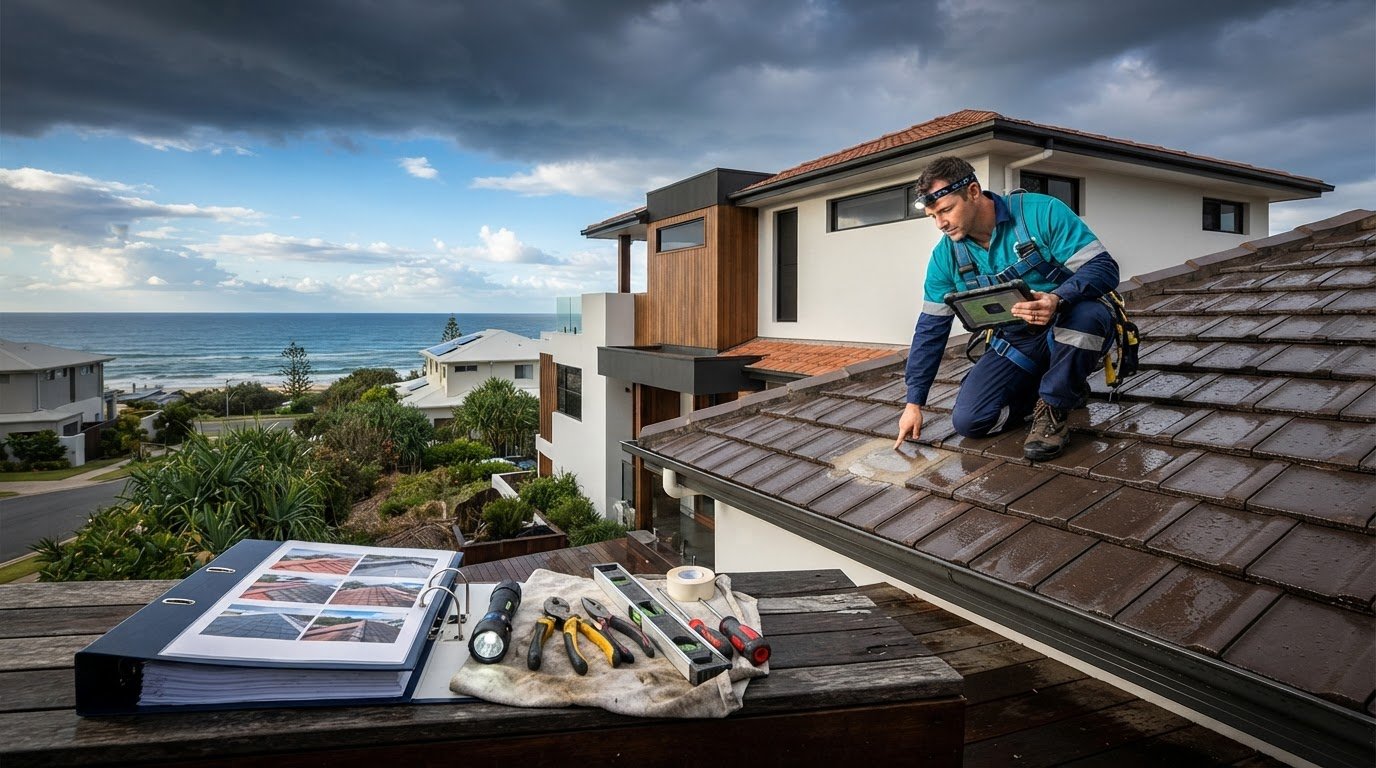
The cleaning process often acts as a diagnostic tool. As the moss and silt are removed, you may discover cracked, displaced, or “gluggy” tiles that were previously hidden. If you find failing mortar on the ridge caps or valleys, simple cleaning is no longer sufficient. These components require professional repointing to ensure they remain secure during high-wind events. If you encounter complex moisture patterns or persistent dampness in your eaves, you likely need roof leak detection NSW expertise to trace the source behind the tiles. Attempting to patch these issues without the right trade knowledge often leads to more extensive water damage down the track.
The Roof Plumbing Expert Advantage in Manly Beach
Operating in coastal environments like Manly Beach requires a specific understanding of how salt air and humidity interact with roofing materials. We understand the local NSW roofing standards and the specific weather patterns that cause tiles to degrade prematurely. Our comprehensive service goes beyond a simple clean; we look at the entire roof system. This includes everything from ensuring your drainage is optimal to identifying the need for a skylight replacement Sydney homeowners might need when seals have perished due to UV exposure.
Choosing a professional ensures that your roof remains a protective barrier rather than a liability. We possess the specific tools and biocides to handle the most stubborn lichen while protecting your landscaping and the local environment. If you are unsure about the condition of your tiles or the safety of your equipment, the most responsible choice is to seek an expert opinion. Contact Roof Plumbing Expert for a professional roof assessment today.
Protecting Your Investment for the Long Term
Maintaining a clean roof is about more than just aesthetics; it is a critical part of structural preservation. You now understand that avoiding the pressure washer trap is the single most important decision you can make for your tiles. By prioritising the soft wash method and respecting the fragility of aged terracotta or concrete, you prevent the surface erosion and leaks that lead to costly restorations. Mastering how to clean roof tiles without damaging them ensures your home remains a secure, watertight sanctuary against the unpredictable NSW weather.
If you are dealing with stubborn lichen or are concerned about the integrity of your ridge capping, professional help is the safest path forward. We provide specialist roof plumbing and guttering services alongside expert leak detection and repair. Our team has a steady presence serving Mainly Beach and Greater NSW, helping homeowners protect their assets with precision and transparency. Take the guesswork out of your home maintenance and ensure your roof is in capable hands. Book a Professional Roof Inspection and Clean in Mainly Beach today. Your roof is your home’s first line of defence; treat it with the expertise it deserves.
Frequently Asked Questions
Can I use a pressure washer on my roof tiles?
No, you should avoid using a high-pressure washer on most tile types. High-pressure water strips the protective slurry coat from concrete tiles and causes terracotta to become pitted and porous. This damage makes the tiles more susceptible to future organic growth and structural failure. Instead, the soft wash method is the industry standard for how to clean roof tiles without damaging them effectively.
Will bleach damage my roof tiles or gutters?
Standard household bleach can damage your roof plumbing if used incorrectly. High concentrations of sodium hypochlorite can perish rubber seals on skylights and corrode metal flashings over time. It is safer to use pH-neutral, biodegradable biocides specifically formulated for roofing materials. These solutions kill the root systems of moss and lichen without compromising the integrity of your waterproofing components.
How often should I clean my roof tiles in Sydney?
Most Sydney homes require a professional clean every 3 to 5 years. If your property is in a leafy area or a coastal suburb like Manly Beach, you may need more frequent maintenance due to high humidity and salt air. Regular cleaning prevents the accumulation of organic matter that blocks gutters and downpipes, ensuring your drainage system remains fully operational during heavy NSW storms.
Is it safe to walk on roof tiles while cleaning them?
Walking on tiles is risky and requires specific techniques to avoid cracking. You must never step on the centre of a tile, as this point-loads the material and causes it to snap. Professionals step only on the laps where the tiles overlap and are supported by the battens underneath. For aged or brittle tiles, using a roof ladder or crawling board is the only way to distribute weight safely.
Does moss on roof tiles cause leaks?
Moss is a significant contributor to roof leaks. It acts as a sponge, holding moisture against the tile surface and eventually rotting the timber battens beneath. Thick moss dams also physically lift tiles and divert water sideways into the roof cavity during downpours. Addressing moss growth is a functional necessity to maintain a watertight home and avoid expensive internal structural repairs.
What is the best time of year to clean a roof in NSW?
Autumn and Spring are the ideal times for roof maintenance in NSW. Extreme summer temperatures cause cleaning chemicals to evaporate too quickly, reducing their effectiveness and potentially leaving streaks. Conversely, winter often brings slippery conditions and high winds that make working at heights dangerous. Mild, overcast days provide the best conditions for the dwell time required for biocides to work effectively.
How do I stop moss from growing back on my tiles?
Installing zinc or copper strips near the ridge is a proven preventative measure. As rainwater passes over these metal strips, it carries ions down the roof that inhibit the growth of moss, lichen, and algae. Additionally, trimming overhanging tree branches increases UV exposure and airflow across the tiles. This reduces the damp, shaded conditions that organic organisms need to thrive on your roof.
Can I clean my roof tiles from a ladder without getting on the roof?
You can clean small sections from a ladder using a telescopic pole and a low-pressure sprayer, but it is rarely as effective as being on the roof. It is difficult to achieve a thorough rinse or inspect the ridge capping and valleys from a distance. For a comprehensive result, being on the surface allows for a closer inspection of tiles and the application of professional-grade safety equipment, which is the best way to learn how to clean roof tiles without damaging them.