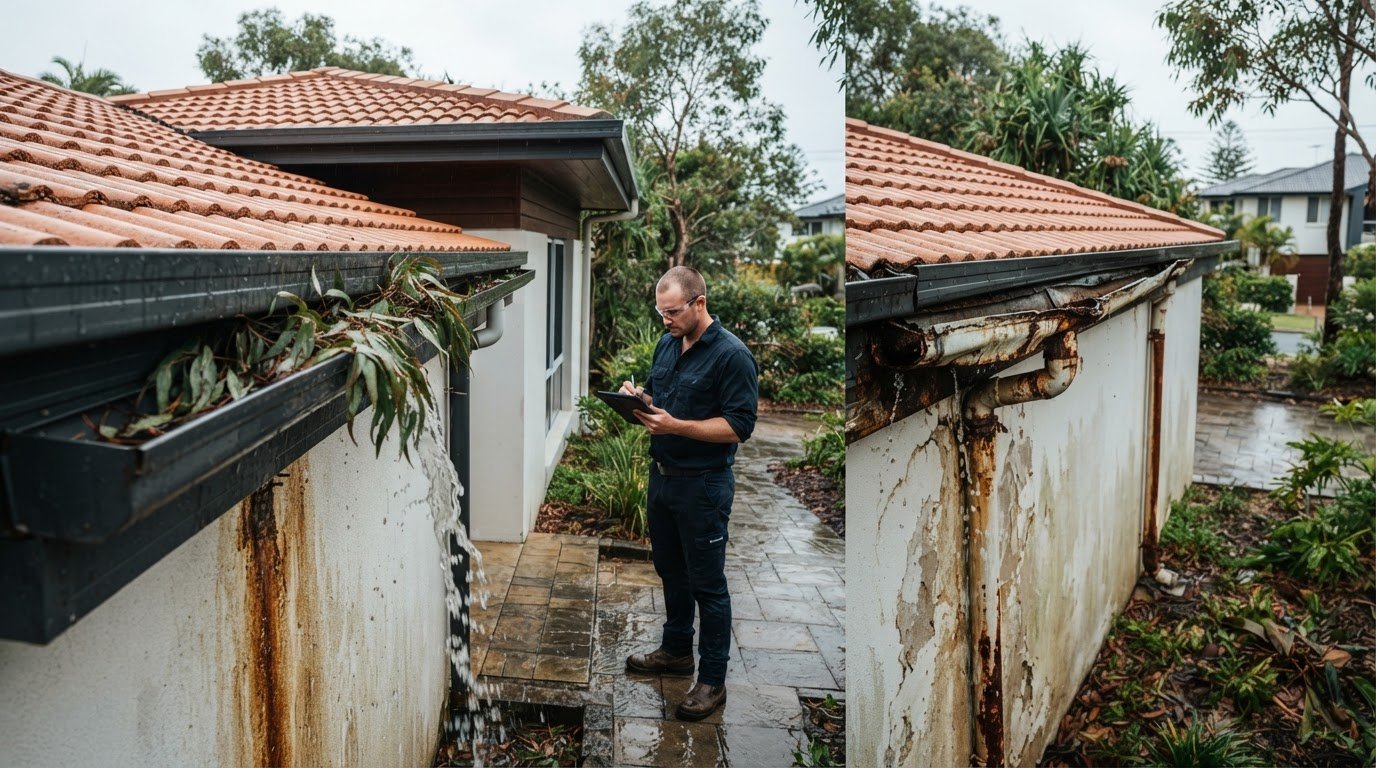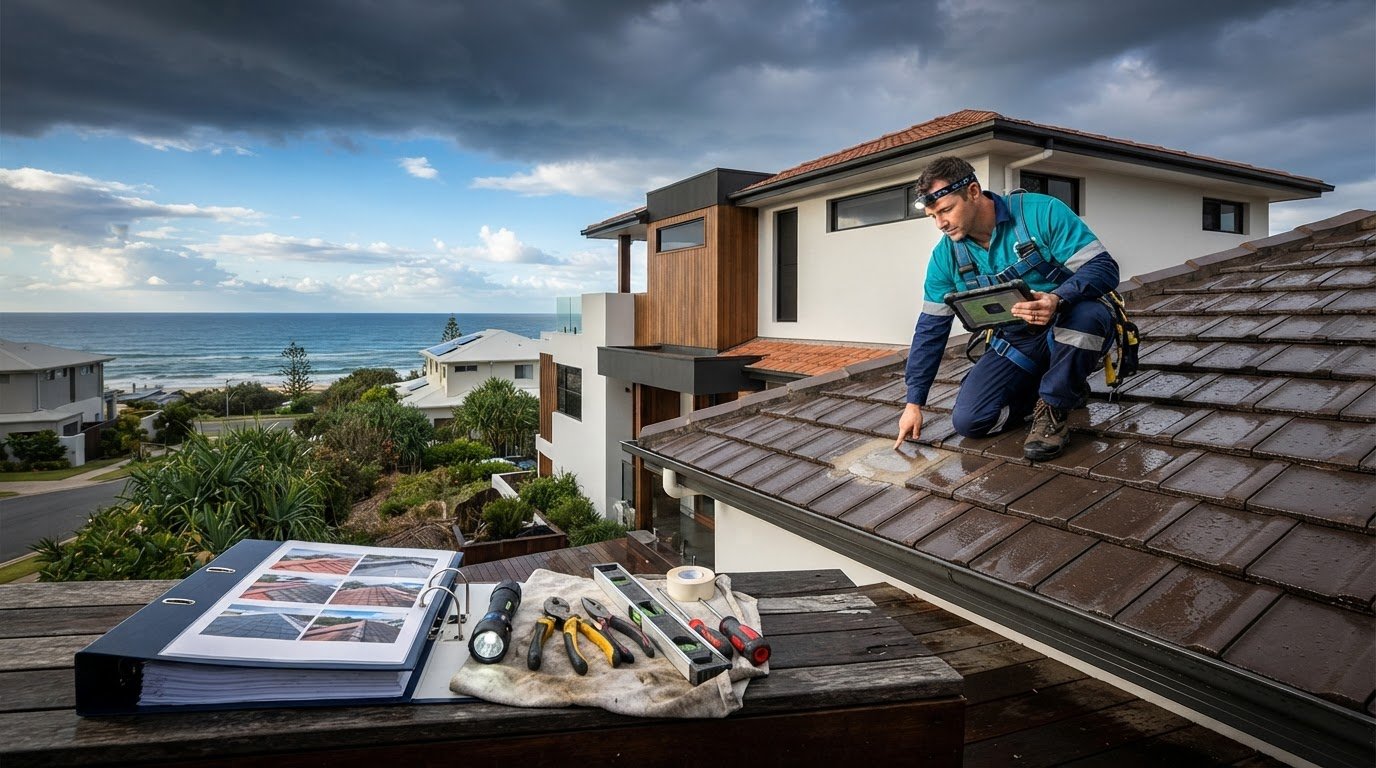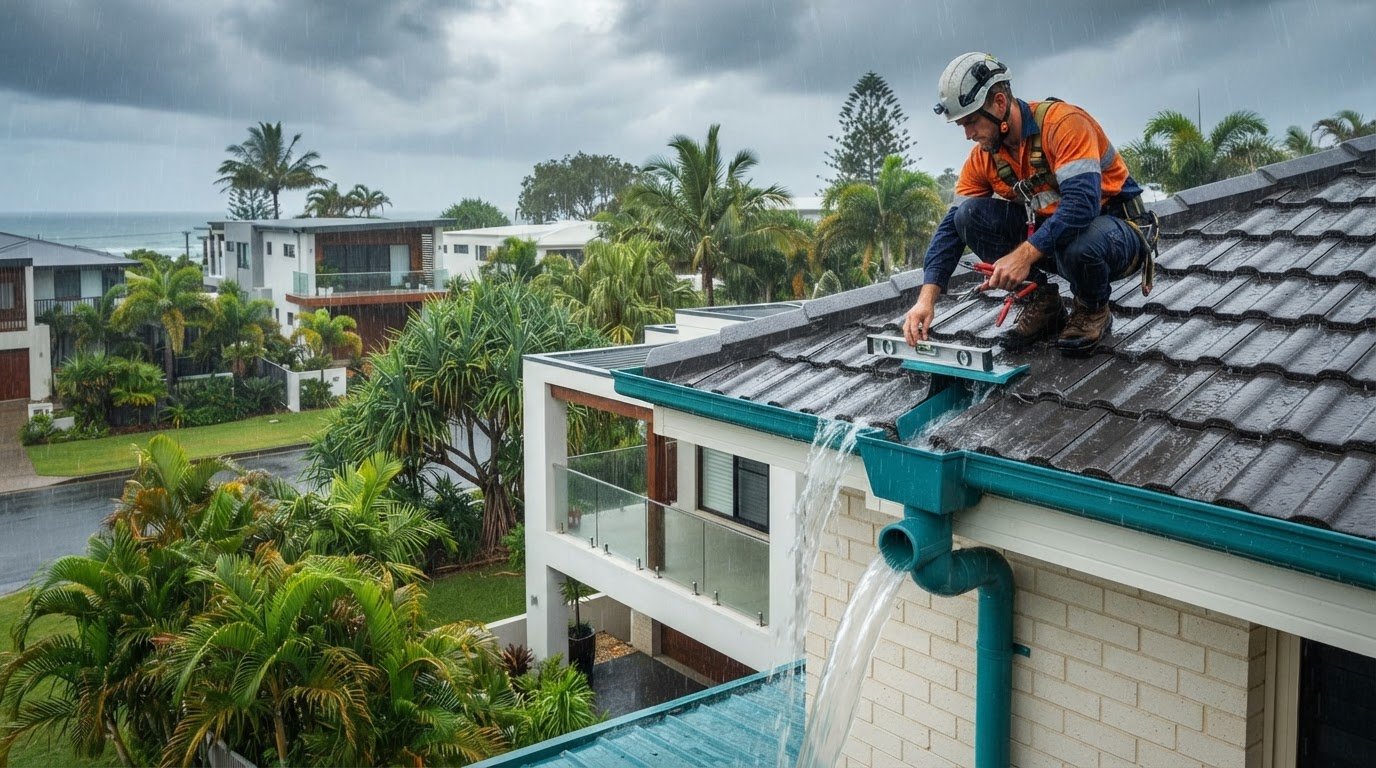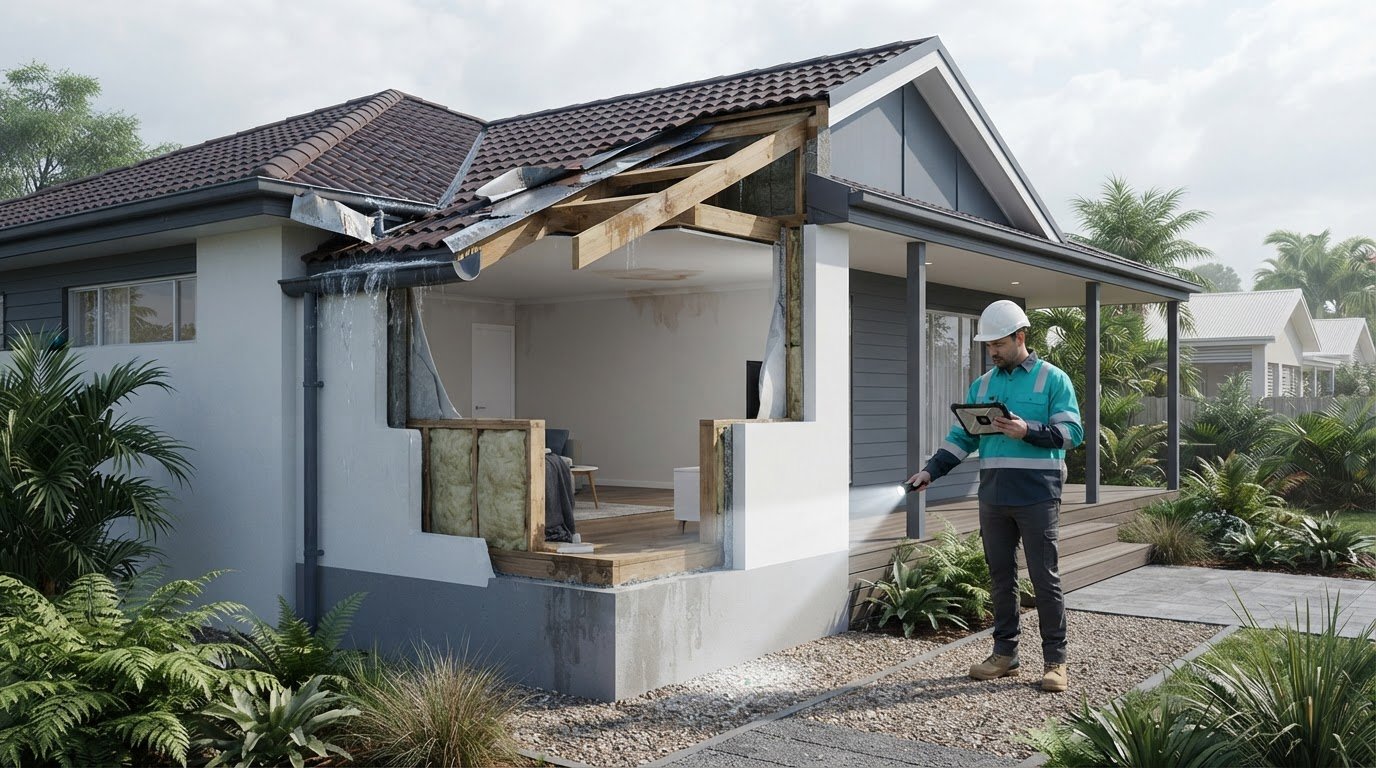
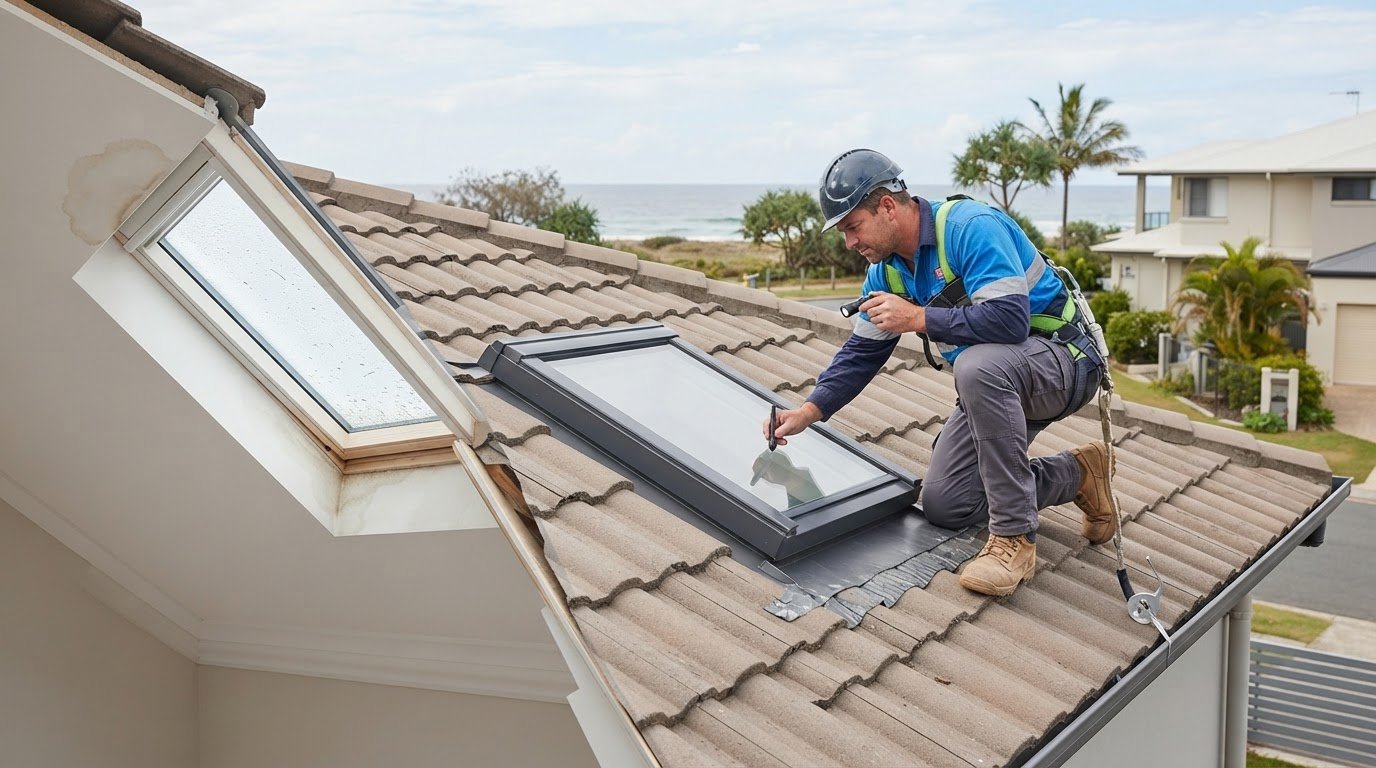
Could a ceiling stain beneath your skylight be coming from somewhere else on the roof? A drip or damp mark is concerning, but the signs of a failing skylight are clues, not a diagnosis. The cause could be damaged glazing or seals, deteriorating flashing, or a nearby roof drainage issue. Before deciding whether to repair or replace anything, it helps to know what to look for and what an indoor check can’t confirm.
This guide explains common warning signs, possible causes and when a roof plumbing specialist should inspect the skylight. You can check for water marks, condensation between panes and visible cracks from indoors, without climbing onto the roof.
An external roof inspection can help distinguish a skylight fault from problems with flashing or the surrounding roof. Once the source and extent of the issue are clearer, you can make a more informed decision about repair or replacement and address the problem before moisture causes further damage. For property owners in Mainly Beach, a local roof plumbing assessment can help establish the right next step.
Key Takeaways
- Learn to spot signs of a failing skylight, from water marks and fogged glazing to cracks or unusual draughts.
- Understand why a visible symptom may point to the skylight, its flashing or another part of the surrounding roof.
- Use the skylight’s condition and inspection findings to understand whether repair or replacement may be appropriate.
- Follow a safe, indoor-first checklist and record when symptoms appear and what the weather was like.
- Find out what an external roof inspection can check before you decide on the next step.
What are the signs of a failing skylight?
Look for these visible, audible and operational warning signs:
- Visible: ceiling stains, damp or peeling finishes, water droplets, cracks, cloudy glazing or moisture trapped between panes.
- Audible: dripping during or after rain, or unusual rattling around the skylight in windy weather.
- Operational: a skylight that’s difficult to open or close, or a persistent draught when it should be shut.
These signs of a failing skylight are clues, not a diagnosis. A ceiling mark may be caused by water entering at the skylight, its flashing or another part of the roof. Condensation can also form on the room-facing glass without a leak. If water is actively entering or the damage is spreading, arrange a prompt professional assessment to help limit further moisture damage.
What does a skylight leak look or smell like?
A leak may leave a brown or yellow ceiling stain, damp patches, peeling paint or bubbling finishes around the opening. You might see drips during rain or notice a musty odour that lingers after the surface appears dry. Water can travel along roof materials or framing before it shows indoors, so a mark near the skylight doesn’t prove the skylight itself is the source. Note when moisture appears and photograph changes from indoors, especially after different weather conditions.
When do condensation, cracks or operating problems matter?
Brief condensation on the room-facing glass may occur when indoor air meets a cold surface, then clear as conditions change. Moisture that repeatedly forms between glazing layers is different and may indicate a problem with the sealed unit. Cracks, persistent cloudiness, draughts or stiff controls also warrant closer assessment. Don’t force a mechanism or climb onto the roof to investigate.
A skylight brings natural light indoors, following daylighting principles, but its glazing and the surrounding roof junction must also keep out the weather. A roof plumbing specialist can inspect the skylight, flashing and nearby roof covering to help identify where a leak or draught may be coming from. That assessment can guide whether repair, replacement or investigation of another roof leak source is appropriate. For a property in Mainly Beach, this external inspection can help narrow down the cause without relying on an indoor symptom alone.
Why do skylights fail, and what else can cause the same signs?
A skylight is more than a pane of glass in the roof. Its glazing, frame, seals, flashing and surrounding roof covering work together as a weatherproof junction. If one part wears, shifts or is damaged, water or draughts may find a way inside. The same indoor symptom can also have a cause elsewhere, so appearance alone can’t confirm the fault.
How glazing, seals and flashing work together
The glazing admits natural light, while the frame holds it in place and the seals help close gaps around it. Flashing forms the weatherproof connection between the skylight and roof covering. If a seal deteriorates or flashing loosens, gaps may allow rain or air through. Age and weather exposure can contribute to wear, but a visible mark doesn’t establish which component has failed.
The right repair approach depends on the skylight design, roof material and installation details. A repair that suits one roof may not be appropriate for another. An external inspection can establish whether the weatherproof junction is intact or a particular component needs attention. That is more reliable than guessing from an indoor symptom alone.
Could the leak be coming from somewhere else?
Yes. Water entering through a defect higher on the roof can travel along framing or other surfaces before appearing beside a skylight. Nearby roof penetrations, damaged roof coverings, loose flashing elsewhere or drainage problems may also need investigation. A damp patch near the skylight is a useful clue, but it doesn’t prove where the water entered.
Condensation is another possibility. Moisture on the room-facing glass may be linked to indoor humidity or ventilation rather than a failed roof seal. Recurring moisture between glazing layers, on the other hand, may point to a glazing or seal issue. These are possibilities to assess, not conclusions to draw from a quick look.
A careful external inspection can check the skylight, its flashing and the surrounding roof covering together. This helps distinguish a skylight fault from a nearby roof leak and gives you a sounder basis for discussing repair or replacement. Roof Plumbing Expert provides roof leak detection and repair, as well as skylight repair and replacement, for property owners in Mainly Beach and across NSW. For a roof leak concern, you can also review roof leak detection and repair as a possible next step.
Skylight repair or replacement: how can you tell which to consider?
A leak doesn’t automatically mean the skylight itself has failed. Water may be entering at a localised seal or flashing fault, or coming from another part of the roof. Consider the signs of a failing skylight alongside the condition of the frame, glazing and roof junction before choosing a fix.
Use this comparison as a guide to what an inspection may find. It can’t confirm the cause or suitable work without an on-site assessment.
| Suspected fault | What an inspection may find | Possible next step |
|---|---|---|
| Localised seal or flashing issue | A limited gap or deterioration around the roof junction, with the frame and glazing otherwise in sound condition | Assess whether repair is suitable |
| Damaged glazing or frame | Cracks, recurring fogging between panes, or deterioration affecting more than one component | Consider whether replacement is appropriate |
| Leak from elsewhere on the roof | The skylight junction appears intact, while another roof area may be allowing water in | Investigate the surrounding roof and likely source before deciding on skylight work |
When might a skylight repair be suitable?
Repair may be an option if an inspection identifies a localised, accessible fault at the seal or flashing. Suitability depends on the condition of the glazing and frame, the surrounding roof covering and how the skylight is installed. An external assessment can help establish whether the issue is confined to the roof junction or affects the unit itself. Don’t assume a repair will resolve the problem until the cause and condition have been checked.
When should replacement be assessed?
Replacement is worth assessing if several components show deterioration, the glazing is damaged, or faults keep returning after earlier work. The existing roof opening and covering also need to be considered, as compatibility can affect the replacement approach. The Construction Specifier discusses signs of operational performance failure, including leak and glazing concerns, as factors to assess.
A roof plumbing specialist can inspect the skylight and surrounding roof, then explain whether repair, replacement or investigation of another leak source is appropriate. For a home in Mainly Beach, an assessment can help identify which of these options suits the condition of the skylight and roof.

A safe checklist for checking skylight warning signs
Start indoors and stay off the roof. A careful record of what you can see and when it happens can help a qualified roof plumbing specialist assess the issue without putting you at risk.
- Look around the opening. From a safe position, check the ceiling and wall finishes for stains, damp patches, peeling paint or changes in colour. Don’t touch or disturb wet or damaged material.
- Check the skylight visually. Look for cracks, cloudiness or moisture between glazing layers. Note anything that appears different from your usual view, but don’t try to open, dismantle or repair the unit.
- Record when symptoms occur. Note whether drips or dampness follow rain, appear after a temperature change, or coincide with household activities such as showering or cooking. This context may help distinguish roof moisture from indoor condensation.
- Photograph changes from indoors. Take clear photos of the same area over time, and write down the location and date. Include whether the weather was wet, windy or dry.
- Watch for immediate hazards. If water is near a light fitting, switch or other electrical equipment, keep clear and don’t touch it. Seek urgent help from an appropriate electrical professional, or emergency services if there’s immediate danger.
These notes can help explain the signs of a failing skylight, but they can’t confirm where water is entering. Active leaks or spreading damage warrant prompt professional assessment.
What should you leave to a roofing professional?
Leave roof access, flashing and sealant work to a suitably equipped roofing professional. Don’t walk on the roof, remove flashing or apply sealant as a quick fix. Roof surfaces and skylight junctions can be unsafe to access, and an incorrect repair may conceal the source rather than resolve it. A roof plumbing inspection can check the skylight and surrounding roof covering together.
For more detail on tracing a roof leak, read this roof leak detection NSW guide. If you’ve recorded a leak or noticed damage, a roof leak assessment can help identify the source and discuss suitable next steps for your Mainly Beach property.
What happens during a skylight inspection and what should you do next?
A skylight inspection should look beyond the visible symptom. A roof plumbing specialist can assess the glazing, frame, seals and flashing, then check the surrounding roof covering and relevant roof details. This helps establish whether the issue appears to involve the skylight, the roof junction or another source of moisture.
What should a professional skylight assessment cover?
The assessment should take your observations into account, including where the moisture appears and when you notice it. The specialist can compare this information with the condition of the skylight and nearby roof areas. Recommendations depend on what’s found and where the moisture is coming from. Repair, replacement or further investigation of another roof leak may be considered, but the right option can’t be confirmed before the source and condition are assessed.
A clear explanation of the findings can help you understand why a particular next step is being suggested. If the skylight appears sound, for example, the inspection may point to another area of the roof that needs attention instead.
How can NSW homeowners arrange the right next step?
Before arranging an assessment, gather useful details rather than trying to investigate the roof yourself. Share photographs taken from indoors, note when the symptoms occur and include any history of previous repairs. This context can help the specialist understand what to check during the inspection. If your property is in Mainly Beach, share its location when arranging a roof plumbing assessment.
If warning signs persist or worsen, a roof plumbing assessment can help clarify the source and whether skylight repair, replacement or another roof leak investigation should be considered.
Discuss a skylight or roof leak assessment to review the issue and possible next steps.
Get a clear answer before choosing the next step
The signs of a failing skylight are useful clues, but a stain or drip doesn’t confirm the skylight is at fault. Moisture may come from the glazing, seals or flashing, or from another part of the roof. Recording when symptoms appear and arranging an external inspection can help identify the source before you decide whether repair or replacement is appropriate.
Roof Plumbing Expert provides skylight repair and replacement, alongside roof leak detection, flashing and waterproofing services. An assessment can help clarify what’s happening and which options may suit the condition of your skylight and surrounding roof in Mainly Beach.
If warning signs persist or worsen, take the next step with a professional assessment. Arrange a skylight or roof leak assessment to discuss the issue and an appropriate way forward.
Frequently Asked Questions
What are the first signs of a failing skylight?
Early signs of a failing skylight can include a water stain or drip near the opening, damp or peeling ceiling finishes, cracked or cloudy glazing, and moisture trapped between glass panes. You may also notice a persistent draught or difficulty opening and closing the unit. These symptoms can have different causes, including a nearby roof fault, so note when they appear and arrange an inspection if they persist or worsen.
Can a leaking skylight be repaired, or does it need replacing?
A leaking skylight may be repairable, but replacement should be considered if an inspection finds widespread deterioration or damage to the glazing or frame. A leak alone doesn’t prove the skylight has failed. Water could be entering through flashing or another part of the roof. A roof plumbing specialist can assess the skylight and surrounding roof, identify the likely source and explain whether repair, replacement or further investigation is appropriate.
Why is my skylight leaking only when it rains heavily?
A leak that appears only during heavy rain may indicate that water is getting past a vulnerable seal, flashing junction or nearby roof covering under those conditions. Wind direction and the way water drains across the roof may also affect where moisture enters or appears indoors. These are possibilities, not a diagnosis. Record the weather and where you see water, then have the skylight and surrounding roof assessed.
Is condensation around a skylight a sign that it is failing?
Not always. Occasional condensation on the room-facing glass can form when indoor moisture meets a cooler surface, and may clear as conditions change. Recurring moisture between glazing layers is more concerning and may indicate a problem with the sealed unit. Persistent dampness around the frame also deserves attention. Note whether it follows activities such as showering or cooking, and seek an assessment if moisture continues or damage develops.
What should I do if water is coming through my skylight?
Keep clear of wet electrical fittings, switches and nearby equipment, and don’t touch them. If there’s immediate danger, seek emergency help. From a safe position, protect belongings if you can do so without approaching the hazard, and photograph the water or damage indoors. Don’t climb onto the roof or attempt a repair. Arrange a prompt roof plumbing assessment, especially if water entry continues or the damage is spreading.
How can I tell whether a skylight leak is coming from the roof flashing?
You generally can’t confirm the source from indoors alone. Flashing is the weatherproof connection between the skylight and roof covering, but water may travel along roof materials or framing before showing near the opening. A stain beside the skylight is a clue, not proof. A roof plumbing specialist can inspect the skylight junction and nearby roof covering to help distinguish a flashing issue from another leak source.
Should I seal a leaking skylight myself?
No. Avoid climbing onto the roof, removing flashing or applying sealant as a quick fix. Roof access can be hazardous, and sealing the wrong area may hide the source without resolving the leak. Instead, document the symptoms indoors, including when they occur and the weather conditions. If you’re in Mainly Beach, contact a roof plumbing specialist to arrange an assessment.