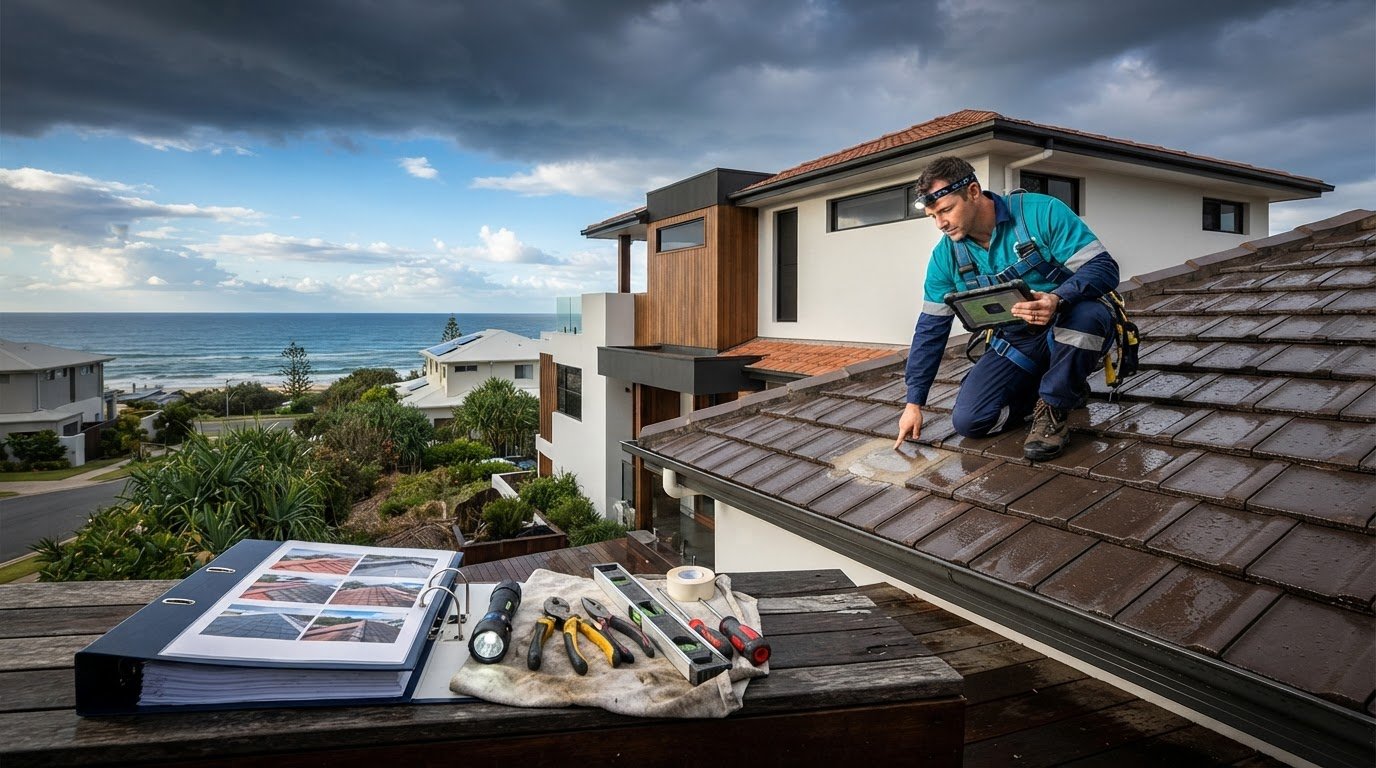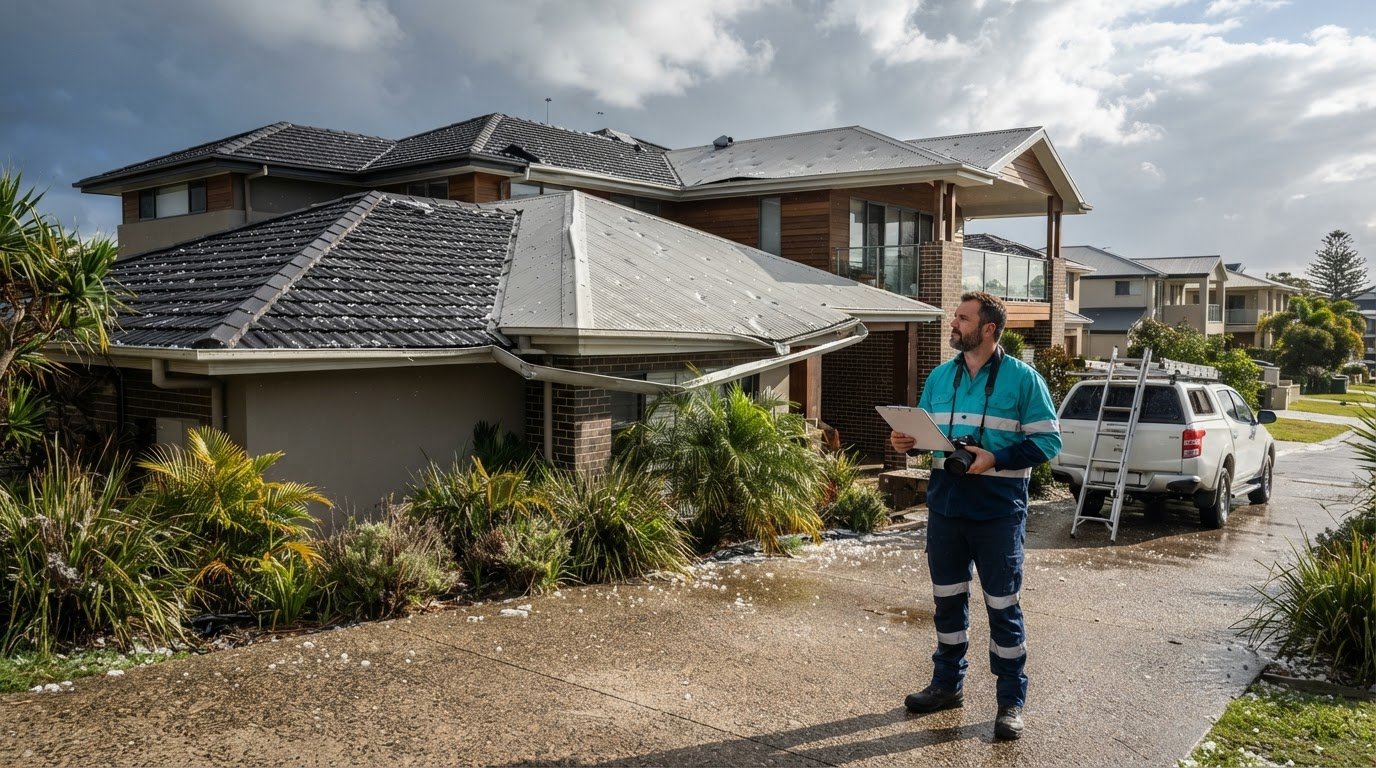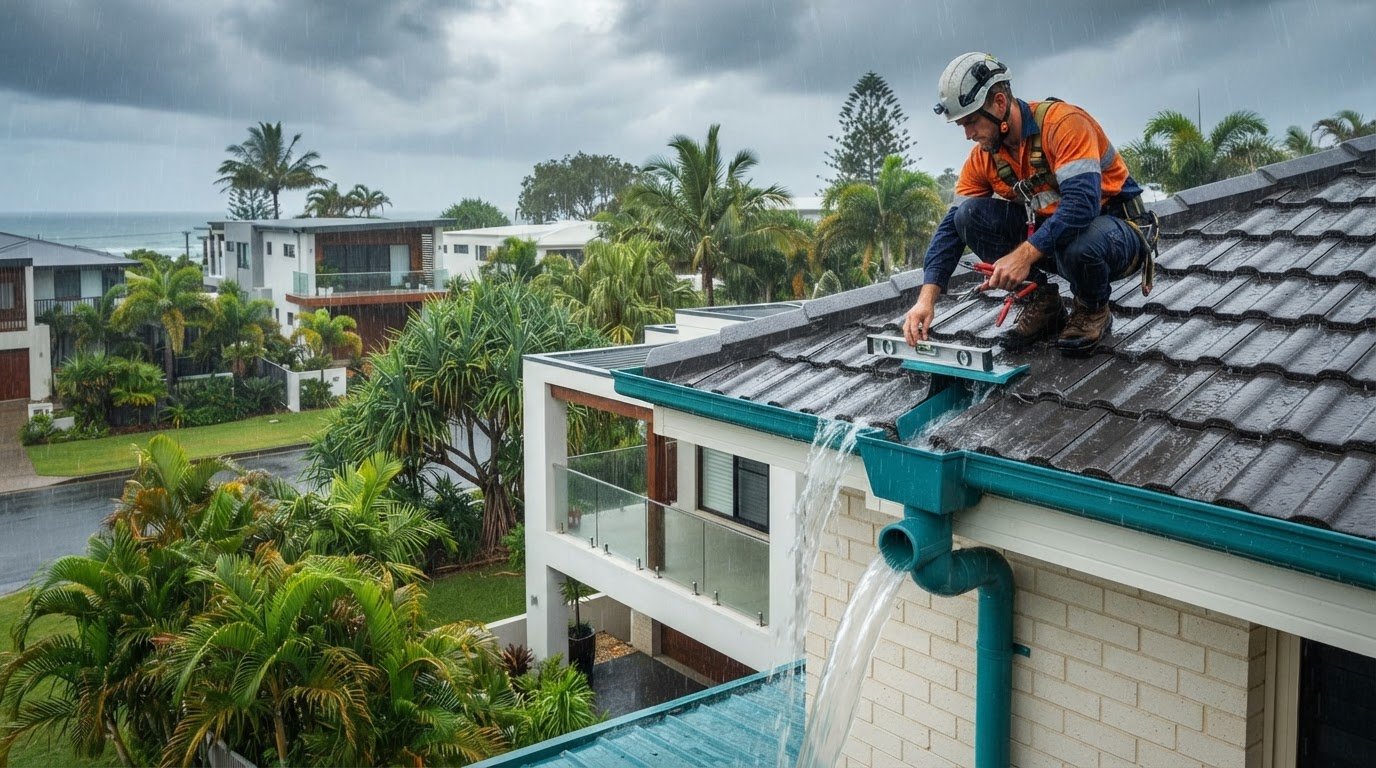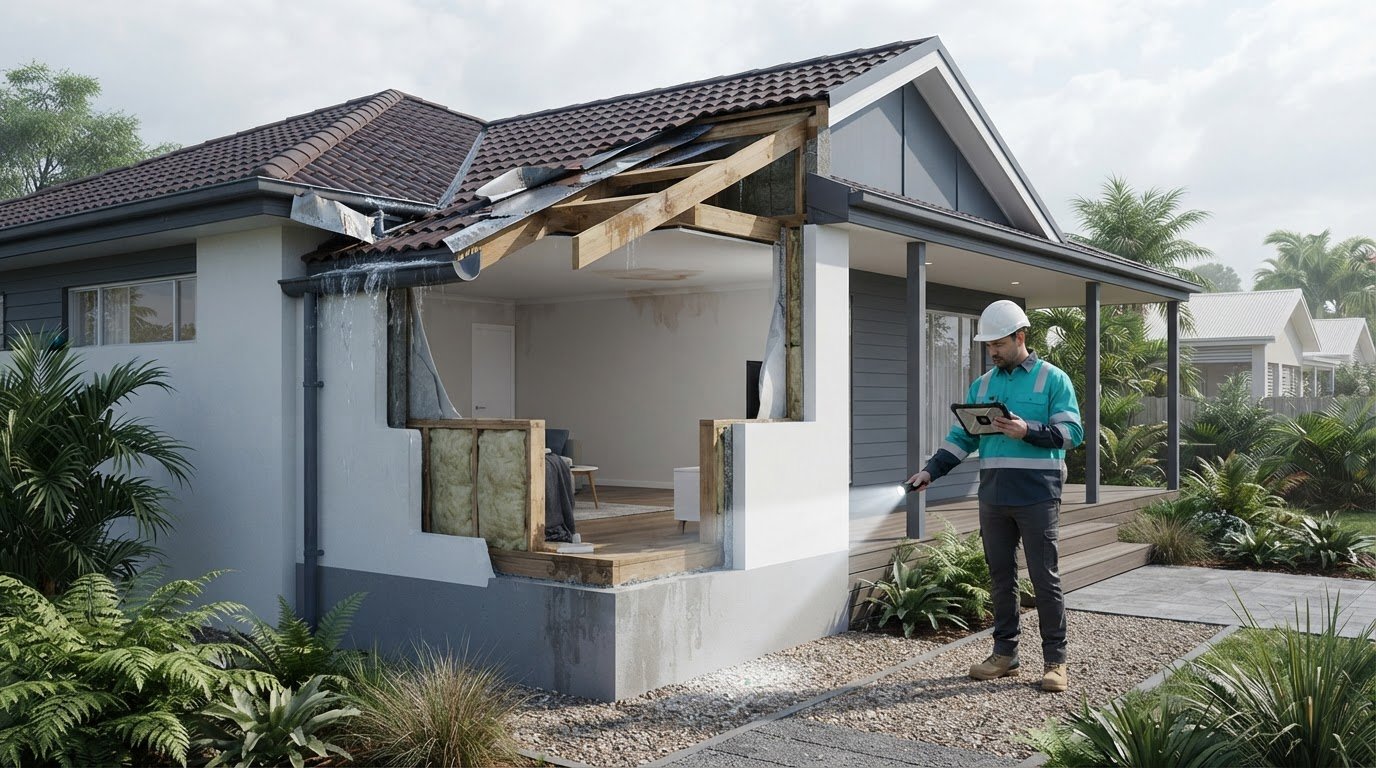
A damp patch on your ceiling often has less to do with a hole in your iron and everything to do with failing roof plumbing. In the volatile NSW climate, assuming a leak is just a minor nuisance is a mistake that leads to internal mould growth and compromised structural integrity. We understand the frustration of hearing a persistent drip during a midnight storm and the even greater fear of hiring a “cowboy” tradie who overcharges for a temporary patch. If you are searching for metal roof leak repair NSW homeowners can trust, you need a solution that addresses the root cause rather than just the symptoms.
This guide provides the clarity you need to manage your roof maintenance with confidence and transparency. You’ll learn how to identify early warning signs in your gutters and flashing before they escalate into an insurance nightmare. We also detail the critical July 2026 SafeWork NSW regulations that every licensed professional must follow to ensure your home’s safety during the repair process. By the end of this article, you’ll know exactly how to secure a permanent fix and protect your property from the elements for the long term.
Key Takeaways
- Understand how local NSW weather patterns stress your roofing system and why early detection is the only way to avoid expensive structural repairs.
- Learn a safe diagnostic method for identifying leaks from the ground, avoiding the risks of climbing onto unstable or wet surfaces.
- Identify the common failure points in Colorbond and tile systems, including the specific steps required for a permanent metal roof leak repair NSW.
- Master emergency triage techniques to contain water ingress immediately and protect your home’s interior until a specialist can attend.
- Recognise the importance of NSW Fair Trading licensing and why professional roof plumbing is required for long-term waterproofing and insurance compliance.
Understanding Leaking Roof Repair in the NSW Climate
Living in New South Wales means preparing for weather that can turn from a light drizzle to a torrential downpour in minutes. When your roof fails, it’s rarely just a minor drip. It’s often a sign that your external water management system has reached its limit. For many homeowners, a metal roof leak repair NSW becomes a priority after an East Coast Low brings intense rainfall that overwhelms standard drainage. These weather events don’t just test the metal sheets; they put immense pressure on every joint, seal, and downpipe.
It’s vital to distinguish between a structural failure and a roof plumbing issue. A structural issue involves the frame or the integrity of the roof itself. In contrast, roof plumbing failures involve the components that direct water away from the house, such as gutters, valleys, and downpipes. During heavy rain, “sheeting” occurs when water moves so fast across the roof surface that it overshoots the gutters entirely. This can lead to water backing up under the eaves or entering the wall cavity, making it look like a roof hole when it’s actually a drainage capacity problem.
The Impact of Coastal Conditions in NSW
Coastal suburbs like Mainly Beach face unique challenges that inland areas don’t. Salt air is highly corrosive. It can shorten the lifespan of even the best materials if they aren’t specifically rated for marine environments. Wind-driven rain is another major culprit. It pushes water “uphill” and under roof flashing, bypassing the natural gravity-fed drainage systems. In these regions, standard maintenance cycles should be shorter. Catching small rust patches or loose fixings early is the only way to prevent a full sheet replacement later.
Common Signs of Interior Water Damage
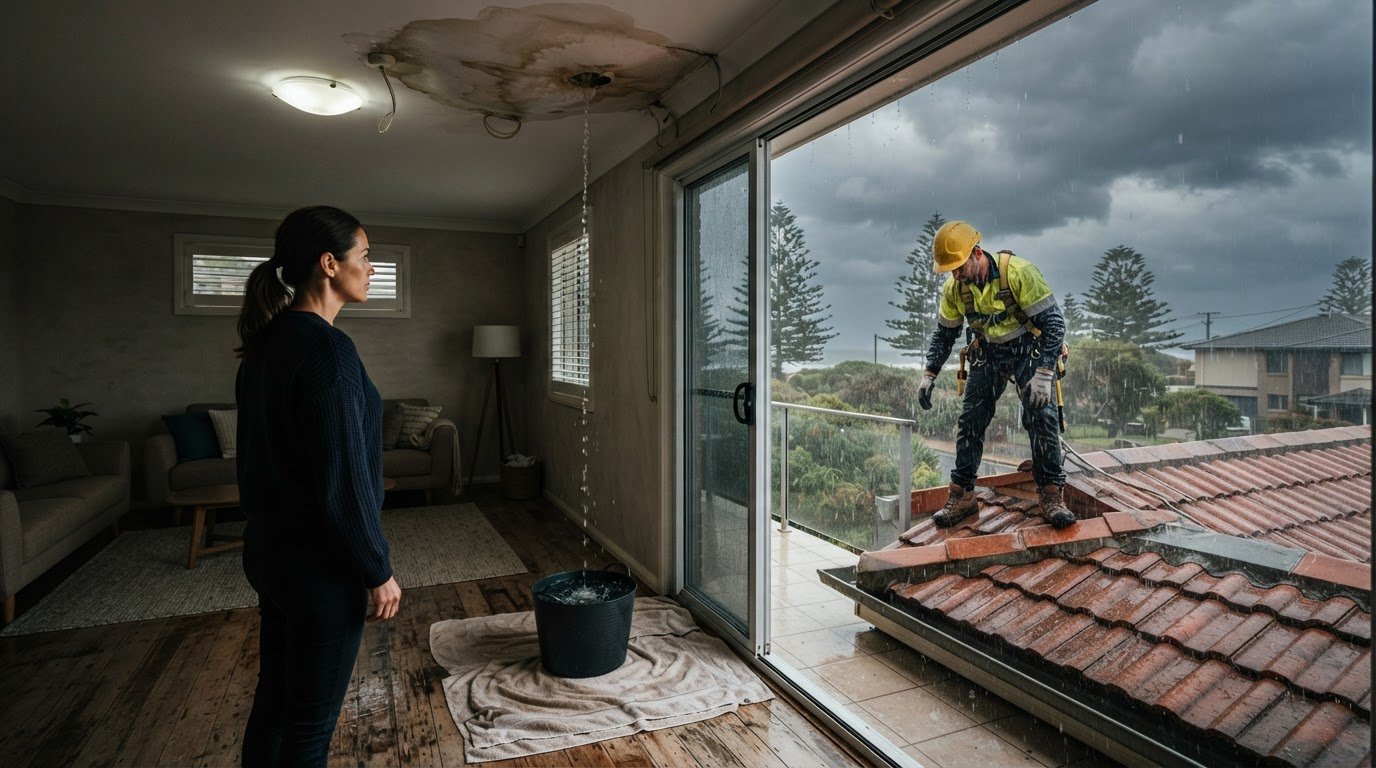
You’ll likely notice bubbling paint or yellow, tea-coloured stains on your ceiling first. These are clear indicators of water ingress, but don’t assume the source is directly above the puddle. Water is opportunistic. It often travels along rafters or electrical cables for several metres before finally dripping onto your plasterboard. If you suspect a leak, use a torch to safely check the ceiling cavity from the manhole. Look for damp insulation, dark water tracks on the timber, or “shiners”-nails that have rusted and are dripping. If you smell a persistent musty odour, it’s a sign that mould is already establishing itself in the dark, damp spaces above your head. Knowing how to recognise the full range of signs of roof water damage across your tiles, metal sheets, and guttering can help you act before these problems escalate into costly structural repairs.
How to Detect a Roof Leak: A Step-by-Step Diagnostic
Safety is the absolute priority when dealing with a potential metal roof leak repair NSW. Never attempt to climb onto a roof while it is wet or during a storm. Metal surfaces become incredibly slick, and even a slight pitch can lead to a serious fall. Instead, conduct your initial visual inspection from the safety of the ground. Use a pair of binoculars to scan the roofline for loose screws, lifted flashing, or debris buildup in the valleys. These are the most common entry points for water during an intense NSW downpour.
If the weather is dry and you want to isolate a stubborn drip, you can perform a hose test. This requires two people. One person stays inside the house near the suspected leak while the other gently sprays water over specific sections of the roof. Start at the lowest point of the roof and slowly move higher. This methodical approach helps isolate the exact entry point. Document everything you see. Note the time the leak starts and whether wind direction affects the intensity. Under NSW law, a serious leak is classified as one of the urgent repairs that require swift attention to prevent further property loss.
Inspecting Your Gutter and Downpipe System
Many “roof leaks” are actually drainage failures. When gutters are blocked with leaf litter or silt, water cannot escape through the downpipes. It eventually backs up and overflows into the eaves or the wall cavity. Look for “silver skin”-a bituminous paint often used as a temporary patch-or rust patches in older galvanised systems. These indicate the metal is thinning and prone to failure. If your drainage system is consistently overflowing, you may need a professional gutter and downpipe installation NSW to restore proper water flow and protect your foundations.
Tracing Water Trails in the Roof Space
If you can safely access your roof space via a manhole, use a high-powered torch to look for water trails. Water often leaves a “map” of its journey in the form of damp insulation or dark stains on the timber rafters. In some cases, you might even see daylight peeking through a gap where a fixing has failed. Be aware that sarking, the reflective foil underlay, can redirect water far from the original entry point. A leak might start at the ridge but only appear in your ceiling three metres away because it travelled along the sarking. For a thorough understanding of how professionals pinpoint these hidden entry points, our complete guide to roof leak detection NSW explains the techniques used to find the exact source before the next storm hits. A professional assessment can save you thousands in avoided structural damage; you can request a detailed leak inspection to find the exact source before the next storm hits.
Common Culprits: Tiles, Colorbond, and Flashing
Most NSW homes rely on either traditional terracotta or concrete tiles, or modern Colorbond steel. Each material reacts differently to the local climate, and their failure points are distinct. When you’re dealing with a metal roof leak repair NSW, the issue is rarely a hole in the middle of a sheet. Instead, it’s usually found at the junctions, fixings, or where the roof has been penetrated for vents and pipes. Understanding these specific vulnerabilities helps you communicate more effectively with your roof plumber and ensures the fix is permanent.
Metal roofs are exceptionally durable, but they aren’t invincible. The most common culprit is “screw fatigue.” Over years of Sydney’s hot summers and cool winters, metal sheets expand and contract. This movement can cause roof screws to back out or the neoprene washers to perish. Once that seal is broken, every rain event allows a small amount of water to seep directly onto your ceiling joists. Rust is another concern, particularly in coastal areas where salt spray can sit in the overlaps of the sheets and eat through the protective coating from the underside.
Tile roofs face a different set of challenges. They are modular systems that rely on gravity and a watertight mortar seal. Cracked tiles are an obvious problem, but displaced bedding and pointing are more subtle. The “bedding” is the thick mortar that holds the ridge caps in place, while the “pointing” is the flexible material applied over the top. If these crack, water can be sucked into the roof space via capillary action. Many homeowners find that a professional roof restoration Sydney is the best way to address these systemic mortar failures before they cause internal damage.
Metal vs. Tile Roof Leak Characteristics
Colorbond is generally more resilient during high-wind events because the sheets are physically fastened to the battens. However, if a leak does occur, the water can travel a long distance along the underside of the ribs before it drips. Tile roofs are more prone to “weep hole” issues. These small gaps in the mortar are designed to let moisture escape; if they become blocked by debris or poor repointing, the water builds up and overflows into the ceiling cavity. Both systems require specialist knowledge to diagnose correctly.
Skylights and Penetrations
Anywhere the roof “skin” is broken is a potential leak site. Skylights are frequently the source of mystery drips because they rely on complex flashing systems and rubber seals. Over time, UV exposure can cause acrylic domes to crack or seals to become brittle. If you’re constantly patching a leak around a window in your roof, a high-quality skylight replacement Sydney might be the only way to restore the integrity of your roofline. Don’t overlook other penetrations like vent pipes, solar mounts, and chimney flashings, which all require regular inspection to ensure they remain watertight.

Emergency Leaking Roof Triage: What to Do Right Now
A live leak during a storm is a high-stress situation. Your immediate goal is damage mitigation. Start by moving furniture, electronics, and rugs away from the drip zone. Place buckets or plastic tubs to catch the water, and lay down old towels to prevent splashes from damaging your flooring. If the water is pooling above your plasterboard, you might notice the ceiling beginning to sag or bulge. This is a critical moment. You can use a screwdriver or a drill to carefully poke a small hole in the centre of the bulge. This releases the water pressure and directs the flow into a bucket, often preventing the entire ceiling sheet from collapsing under the weight.
Safety must remain your first priority. If water is dripping through light fittings or near power outlets, turn off the electricity at the main switchboard immediately. Do not touch wet switches. For severe storm damage, such as a fallen branch or a dislodged sheet, temporary tarping-often called the “blue tarp” method-is the standard industry response. However, under the SafeWork NSW code of practice that became legally enforceable on July 1, 2026, any worker on your roof must adhere to strict fall protection standards. For a permanent metal roof leak repair NSW, you need a specialist who understands these legal safety requirements and can provide a compliant, long-term solution.
Managing a Roof Leak After Heavy Rain
When the rain is still falling, stay off the roof. Metal roofing is treacherous when wet, and the risk of a lightning strike or a fall is too high to justify a DIY fix. Focus on internal containment and wait for the weather to clear. You can find more detailed advice on handling a roof leak after heavy rain Sydney to help you navigate the hours immediately following a storm. Remember that a fast response inside the home can save you thousands in avoided mould remediation and plaster repairs.
Preparing for Your Roof Plumber’s Arrival
You can speed up the repair process by being prepared. Clear a path to the ceiling manhole and ensure the area around the exterior of the house is accessible for ladders. Have your insurance policy details ready, as most providers will require a professional report to process a claim for storm damage. It’s also helpful to write a brief timeline of when the leak started and whether it worsened with wind from a particular direction. If you need an authoritative assessment of your roof’s integrity, book an emergency leak detection service to secure your home before the next front arrives.
Professional Solutions and Preventing Future Leaks
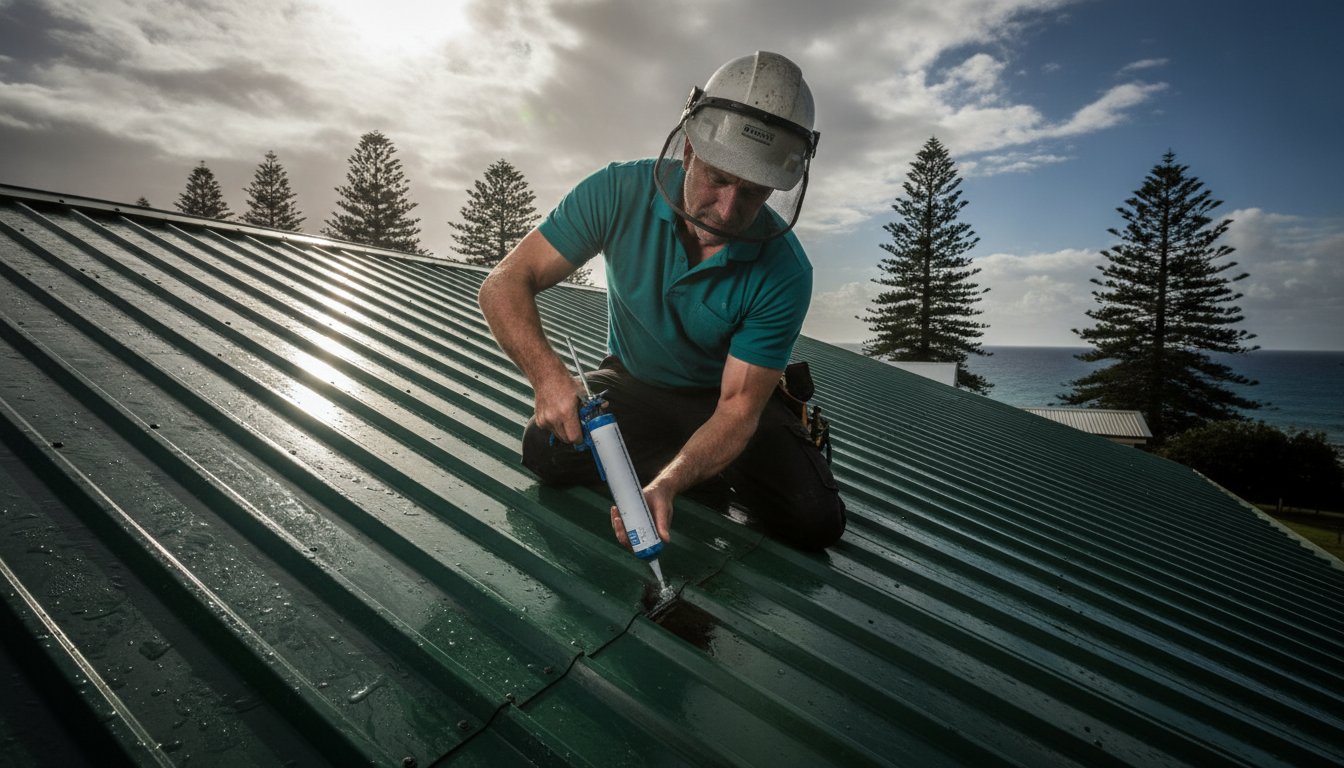
Resolving a roof leak permanently requires moving beyond temporary fixes. While a quick application of silicon might stop a drip today, it rarely addresses the underlying failure of the roof plumbing system. In New South Wales, any work involving the integrity of your roof drainage must be performed by a licensed professional. Hiring a specialist ensures that your metal roof leak repair NSW complies with state building codes and maintains your home’s insurance eligibility. A licensed technician doesn’t just patch a hole; they evaluate the pitch, the gutter capacity, and the condition of the fixings to ensure water is managed correctly.
The “patch and go” approach is a common trap for homeowners looking to save money. Unfortunately, cheap bituminous tapes and hardware-store sealants often perish within months under the intense Sydney UV radiation. When these materials fail, they often trap moisture against the metal, accelerating rust and leading to much more expensive structural repairs later. Professional waterproofing involves using high-grade, UV-stable materials and mechanical flashings that are designed to last for decades rather than weeks. This precision extends the life of your property and provides the peace of mind that your ceiling will stay dry during the next East Coast Low.
Scheduled maintenance is the most effective way to avoid the high costs of emergency call-out fees. We recommend a professional inspection at least twice a year, particularly before the summer storm season. This proactive approach includes:
- Clearing debris from valleys and internal box gutters to prevent overflows.
- Inspecting neoprene washers on roof screws for signs of perishing.
- Checking that all flashing remains securely fastened against wind uplift.
- Verifying that downpipes are clear and sized correctly for the roof area.
When to Choose Restoration Over Repair
If your roof has multiple leak points or widespread surface rust, a simple repair may no longer be cost-effective. You must assess the overall health of the metal sheets. In many cases, upgrading to a modern Colorbond system provides a permanent solution to persistent leaks while improving the thermal efficiency of your home. If the structural sheets are still sound but the junctions are failing, consulting a roof waterproofing Sydney specialist can help you determine if a targeted restoration will suffice to protect your assets.
Selecting a Local Expert in Mainly Beach
Local knowledge is indispensable when repairing homes in coastal areas like Mainly Beach. A specialist familiar with local wind loads and salt-spray patterns will choose fixings and materials that are specifically rated for marine environments. Always verify that your contractor holds a current NSW Fair Trading licence and carries comprehensive public liability insurance. Taking these steps protects you from liability and ensures the work is performed to Australian Standards. To secure your home against the elements, request a professional leak assessment from Roof Plumbing Expert today and get a definitive solution for your property.
Secure Your Home Against the Elements
A leaking roof is a structural warning that requires immediate and professional attention. By understanding the specific stresses of the NSW climate and using safe diagnostic techniques, you can identify failures in your roof plumbing before they lead to expensive internal damage. Whether it’s a failed flashing on a tile roof or the need for a precise metal roof leak repair NSW homeowners can rely on, addressing the root cause is the only way to ensure long-term security for your property.
Don’t let a minor drip escalate into a major structural concern or a health hazard from mould growth. As specialists in Colorbond installation and external water management, our team provides the technical expertise and local Mainly Beach reliability you need for a permanent fix. We prioritise legal compliance and precision in every repair to give you total peace of mind during the most severe weather events.
Take the first step toward a watertight home today. Get a Professional Leak Detection Assessment in NSW and protect your asset from future storm damage. You can trust our seasoned specialists to keep your home dry and secure for years to come.
Frequently Asked Questions
How much does leaking roof repair cost in NSW?
The cost of a repair depends on the extent of the damage and the materials required. Minor fixes for a metal roof leak repair NSW typically range from A$250 to A$800. If the issue involves complex flashing, box gutters, or penetrations, you can expect to pay between A$1,000 and A$2,000. Obtaining multiple itemised quotes is the best way to budget for your specific roof’s accessibility and requirements.
Will my home insurance cover a leaking roof?
Insurance generally covers leaks caused by sudden, accidental events like severe storms or impact from fallen trees. Most providers will not cover damage resulting from gradual wear and tear, lack of maintenance, or pre-existing rust. It is essential to check your Product Disclosure Statement (PDS) to understand what is classified as an “insured event” versus a maintenance responsibility under NSW regulations.
Can I fix a leaking roof from the inside?
You cannot permanently resolve a leak from inside the ceiling cavity. Applying sealants or patches to the underside of the roof only traps moisture against the timber frame, which leads to rot and structural instability. A permanent fix requires a licensed professional to identify the entry point on the exterior surface and restore the integrity of the water management system from the outside.
How do I find the source of a roof leak that only happens in heavy rain?
Leaks that only occur during intense downpours often indicate that your gutters or valleys are overtopping. You can trace the source by using a torch to follow water trails or damp insulation in the roof space. Look for “shiners”-nails that have rusted-which show where water is tracking along the rafters. This often suggests that the volume of water is bypassing the standard drainage capacity. For a detailed breakdown of how specialists pinpoint these elusive sources, the guide to roof leak detection NSW covers the full range of professional diagnostic methods available to homeowners.
Is a leaking roof considered an emergency?
A leaking roof is an emergency if water is entering near electrical fittings, lights, or power outlets. It is also a critical situation if the ceiling is sagging or bulging under the weight of trapped water. Under NSW tenancy laws, serious roof leaks are defined as urgent repairs because they compromise the safety and habitability of the home. Immediate triage is necessary to prevent structural collapse.
What is the difference between a roofer and a roof plumber?
A roofer typically focuses on the structural installation of tiles, shingles, or slate. A roof plumber is a specialised technician licensed to manage external water systems, including metal roofing, flashings, and guttering. For a metal roof leak repair NSW, you need a roof plumber to ensure that all joints and drainage components are watertight and compliant with the latest Fair Trading standards.
How long does a typical roof leak repair take to complete?
Minor repairs, such as replacing perishing washers or resealing flashings, usually take between two and four hours to complete. More extensive work involving sheet replacement or gutter restoration may take one to two full days. The duration is also influenced by safety requirements, as the July 2026 SafeWork NSW code mandates specific fall protection systems for work on roofs with a pitch of 7 degrees or more.
Should I repair or replace my leaking roof?
You should consider a replacement if your roof has reached the end of its functional life, typically 20 to 25 years for standard materials. If you are dealing with widespread rust or multiple recurring leaks, a full Colorbond replacement is often more cost-effective than continuous patching. A repair is appropriate for isolated damage on a roof that is otherwise in good structural condition. Familiarising yourself with the key signs of roof water damage across your entire roofing system can help you make a more informed decision about whether a targeted repair or a full replacement is the right investment for your property.