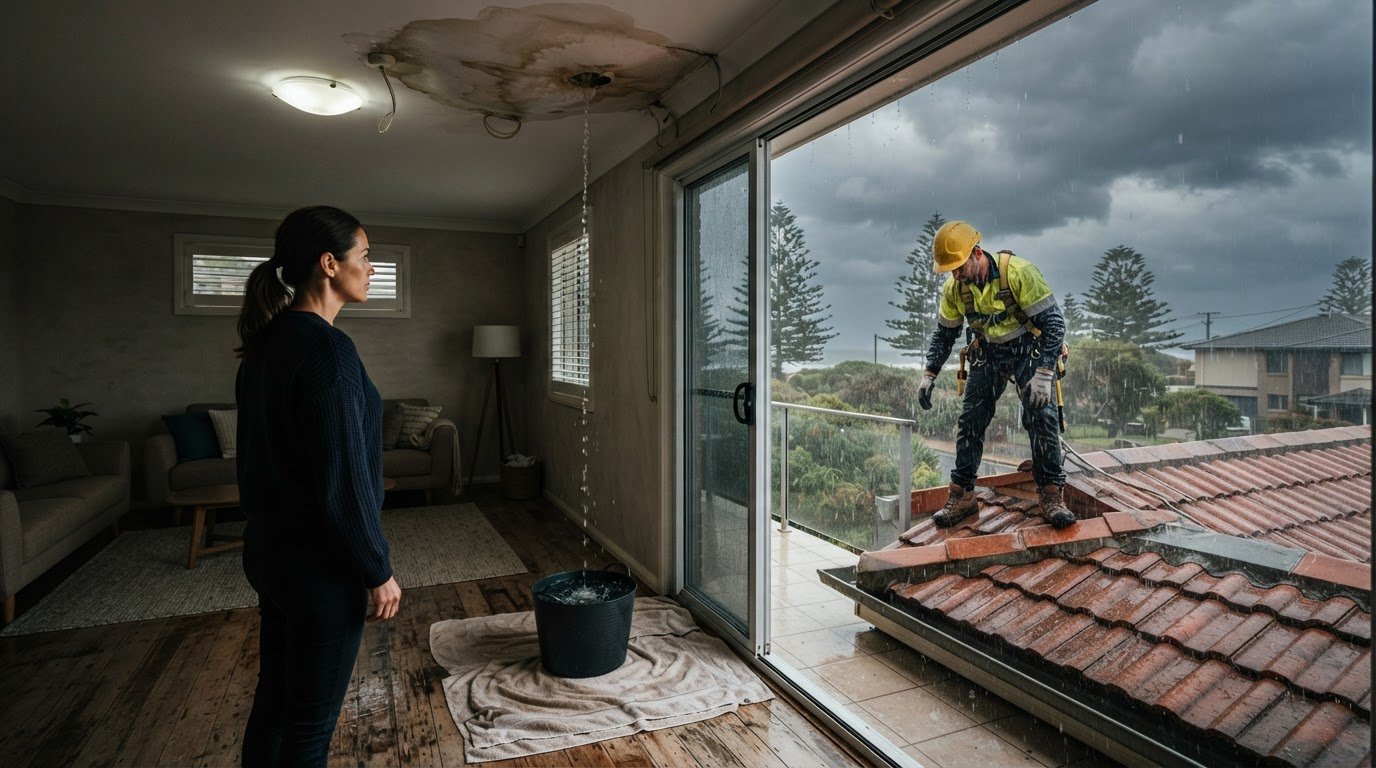

Why does your ceiling stay perfectly dry during a week of light drizzle, only to start dripping the moment a classic Sydney thunderstorm hits? It’s a common frustration for many homeowners, but a roof leak after heavy rain Sydney residents experience is rarely about a simple hole in the tiles. Often, it’s a matter of water volume and hydraulic pressure that pushes your drainage system beyond its limits. We understand the immediate anxiety of watching water mark your ceiling or drip onto electronics, especially after the significantly above-average rainfall Sydney saw in May 2026.
It’s stressful to worry about mould growth in the ceiling cavity or the looming cost of a full structural failure. You’re likely looking for a way to stop the water now without being pressured into a full roof replacement you might not need. This article promises to reveal why your roof only fails under storm conditions and provides the exact steps to stop the ingress before it compromises your home. We’ll explore the difference between simple gutter issues and structural failures, helping you find a reliable roof plumber to restore your peace of mind and protect your property’s long-term value.
Key Takeaways
- Distinguish between static holes and dynamic overflows caused by the intense hydraulic pressure of Sydney’s East Coast Low weather systems.
- Identify common failure points such as undersized downpipes or compromised roof flashing that allow water to bypass traditional drainage.
- Learn immediate containment and safety protocols to manage a roof leak after heavy rain Sydney storms, protecting your electronics and internal structures.
- Discover how professional leak detection using thermal imaging identifies the true entry point of water, which is rarely directly above the ceiling drip.
- Evaluate long-term storm-proofing upgrades, including high-front gutters and Colorbond roofing, to provide lasting security against future extreme weather.
Why Your Sydney Roof Only Leaks During Intense Downpours
Sydney’s weather patterns are notoriously volatile, especially when an “East Coast Low” develops off the coast. These intense low-pressure systems generate high-volume rainfall and gale-force winds that test the structural integrity of even the most well-maintained homes. If you have noticed a roof leak after heavy rain Sydney storms often cause, it is likely because your roofing system has reached its “dynamic” failure point. While a “static” leak involves a physical hole that lets water in during any light drizzle, a dynamic leak only occurs when the sheer volume of water or wind pressure overcomes the roof’s design.
Most Australian homes are built to handle standard precipitation, yet they often struggle with the 1-in-100-year storm events that are becoming increasingly frequent. In May 2026, many parts of Greater Sydney received up to 230% of their average monthly rainfall, pushing drainage systems to the absolute limit. When the sky opens up, water doesn’t just fall vertically; it creates a heavy sheet that can “track” backwards. Due to surface tension, water can cling to the underside of tiles or metal sheeting, crawling uphill or into the eaves instead of dropping into the gutter. This phenomenon is a primary reason why a roof remains dry for months only to fail during a seasonal deluge.
The “Capacity Problem” in Sydney Drainage
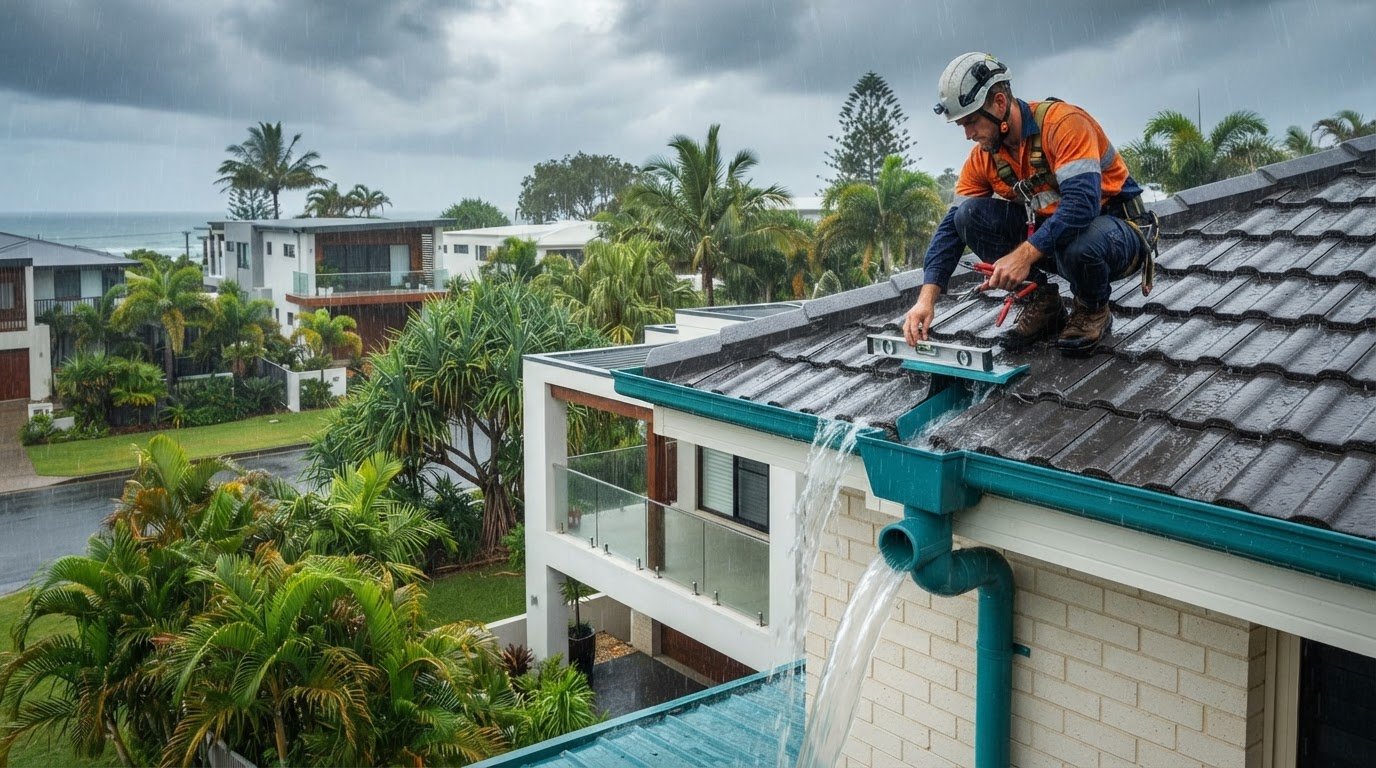
The cross-sectional area of your guttering must be mathematically sufficient to handle the total catchment area of the roof plane it serves. When rainfall intensity exceeds this calculated capacity, gutters fill faster than the downpipes can discharge. This leads to a common Sydney problem where the gutter appears empty from the ground, but water is actually overflowing from the back of the bracket directly into your wall cavity. Installing specialised sumps and rainheads acts as a safety valve, providing an overflow point that directs high-volume water away from the building’s internal structure.
Wind-Driven Rain and Sideways Ingress
Strong winds transform vertical rain into a horizontal force that can push water up the pitch of your roof. On metal roofs, this pressure forces water between the laps of the sheets if they haven’t been properly prepared. We use specific “turn-ups” at the high end of Colorbond sheets and “turn-downs” at the gutter line to create physical barriers against this moisture. For tiled roofs, high-quality sarking serves as your last line of defence. This protective layer sits beneath the tiles to catch any wind-driven rain that bypasses the primary barrier, safely directing it into the gutter system before it can reach your ceiling plaster.
Common Culprits: Identifying the Source of the Leak
Identifying the exact origin of a roof leak after heavy rain Sydney homeowners experience is often a process of elimination. While you might see water dripping in the centre of your lounge room, the actual entry point on the roof could be several metres away. In Sydney’s coastal environment, materials degrade at different rates. Structural shifts or thermal expansion can create small vulnerabilities that remain hidden during dry spells but become major conduits for water when the heavens open. Identifying these culprits early is the best way to avoid the cost of a full internal renovation.
Water follows the path of least resistance. On a tiled roof, a single cracked or shifted tile is enough to bypass the primary barrier. For metal roofs, the issues are often more subtle. Debris build-up in roof valleys is a frequent offender. When leaves and twigs accumulate, they act as a dam, preventing rapid water shedding and forcing the pool to rise until it finds an unsealed lap or join. Similarly, degraded seals on skylights or solar tube installations often fail because the rubber gaskets perish under the harsh Australian sun, losing their ability to remain watertight during a deluge. Homeowners dealing with these issues on iron or steel roofing should review the comprehensive guide to metal roof leak repair NSW specialists recommend, which details how failing roof plumbing rather than the sheeting itself is often the true source of ingress.
Gutter and Downpipe Failures
A single blocked downpipe can cause an entire roof section to flood in minutes. When debris prevents water from exiting through the downpipe, the gutter fills and creates a “back-flow” effect. This water often spills over the back of the gutter, entering the house eaves and wall cavities where it can cause significant internal damage to your electrical systems and insulation. If your home struggles with high water volume, upgrading to a professional gutter and downpipe installation provides a permanent fix for these capacity issues.
Flashing and Waterproofing Gaps
Flashing is the most common failure point during heavy rain. These thin pieces of metal are designed to direct water away from joins and intersections, such as where the roof meets a wall, chimney, or vent pipe. In Sydney’s salt-laden coastal air, lead flashing can become brittle over time, while modern metal alternatives may suffer from poor installation. Apron flashing is particularly vulnerable. If the water volume is too high or the pitch of the flashing is insufficient, the flow can overtop the metal barrier and run directly into the roof cavity. If you suspect your waterproofing has been compromised, it’s wise to consult a specialist in roof leak detection and repair to pinpoint the breach before the next storm hits. Homeowners in the northern suburbs should also review the essential checklist for professional roof leak repair in North Sydney to understand the specific compliance and material standards that apply to their properties.
Immediate Steps to Take During a Sydney Storm
When you discover a roof leak after heavy rain Sydney storms produce, your immediate priority is damage mitigation. Panic often leads to poor decisions, but a methodical approach can save your ceiling and your belongings. Start by isolating electrical risks. If water is entering through light fittings or ceiling fans, go to your switchboard and turn off the corresponding circuit immediately. Water is a highly effective conductor; moisture within electrical conduits poses a significant fire and shock hazard that requires professional attention once the storm passes.
Once the area is safe, implement a containment strategy. The “bucket and string” method is a trade secret for managing active drips and preventing “splash-back” damage. By taping a piece of string to the leak’s entry point and letting it hang into a bucket, the water will follow the thread via surface tension. This eliminates messy splashing and ensures every drop is captured. While the rain is still falling, take clear photos and videos of the ingress. This visual evidence is invaluable for a roof plumber, as it shows the flow rate and exact entry point, which often becomes invisible once the structure dries out.
Check your ground-level drainage if it’s safe to step outside. Often, a “roof leak” is actually a backup caused by leaves or debris blocking the bottom of a downpipe or a stormwater grate. Clearing these accessible blockages can sometimes restore the system’s capacity and stop the back-flow into your eaves almost instantly.
Managing Internal Water Damage
If you notice a “ceiling bubble” forming, the plasterboard is holding a significant weight of water. To prevent a sudden, catastrophic collapse of the ceiling sheet, place a bucket underneath and carefully pierce the centre of the bulge with a screwdriver to release the pressure. Move all furniture and electronics well away from the drip zone. After the leak is contained, maximise airflow. Use fans or dehumidifiers to dry the area immediately. Mould growth in a damp ceiling cavity can begin within 24 to 48 hours of the initial soak, so rapid evaporation is critical.
What NOT to Do: Safety Warnings
Never attempt to climb onto a roof during a storm. Wet tiles and metal sheeting are incredibly slick; the risk of a fall far outweighs the benefit of a temporary fix. Emergency “leak-stop” sprays or unweighted tarps are rarely effective in high winds and can often trap more moisture against your roof structure, worsening the rot. Distinguish between an emergency and a standard repair. If water is flooding your switchboard or you hear structural timber groaning, it’s a genuine emergency. If the drip is contained in a bucket, it’s a “next-day” repair that requires a specialist’s thorough assessment rather than a dangerous midnight patch.

Professional Leak Detection vs. DIY Guesswork
Finding a roof leak after heavy rain Sydney residents face is often a game of “follow the leader.” Water enters through a breach and then travels along rafters, battens, or electrical conduits before finally dripping through your ceiling. This means the wet patch in your bedroom might actually be caused by a failed flashing three metres away. DIY guesswork usually involves applying silicone to the most obvious gaps; however, this rarely addresses the root cause of the ingress and can lead to more expensive damage later. If you own a heritage terrace or apartment in the northern suburbs, following a structured roof leak repair North Sydney checklist can help you avoid the cycle of temporary patches that fail to resolve the underlying problem.
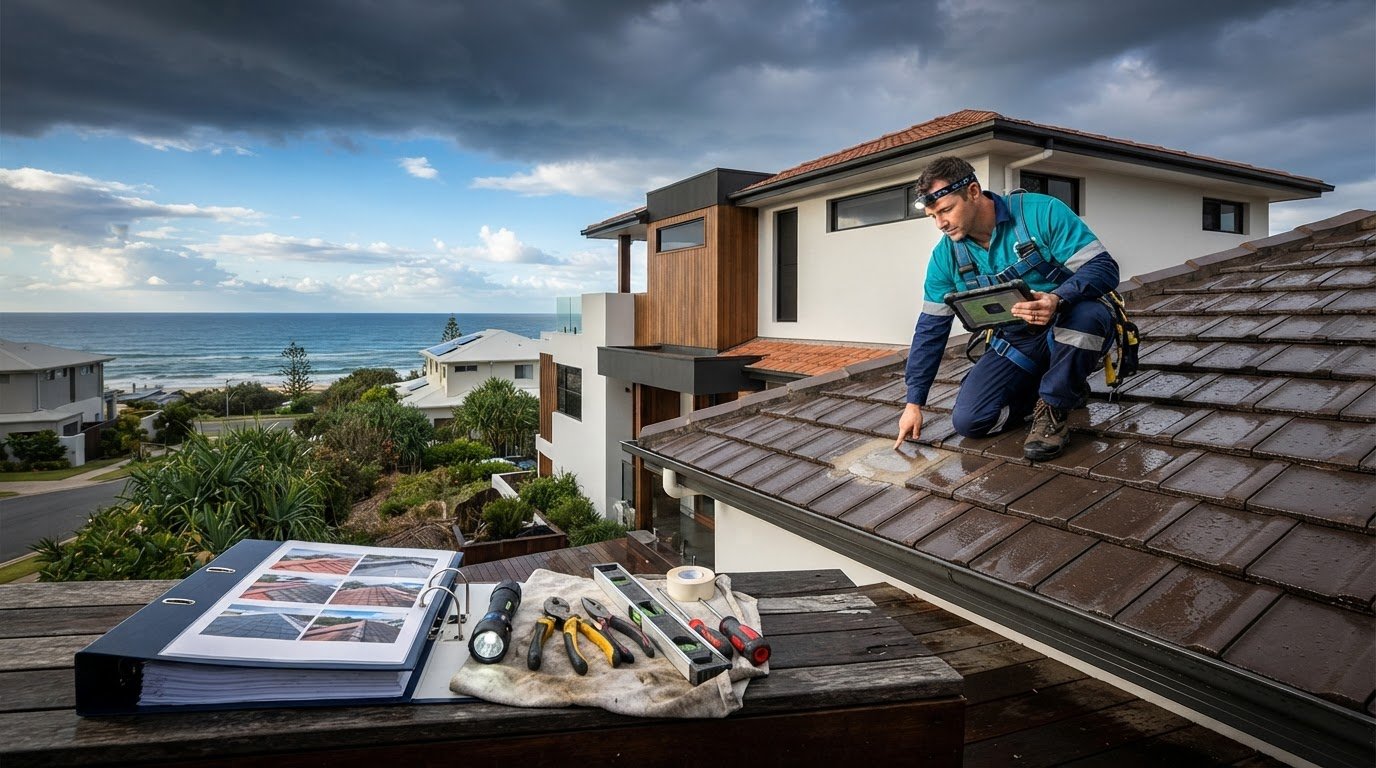
Modern leak detection is a science that relies on precision tools rather than intuition. Specialists use thermal imaging cameras to identify temperature variances behind plasterboard, pinpointing moisture trails that are invisible to the naked eye. Moisture meters further confirm the saturation levels of structural timbers. We also pay close attention to internal guttering and box gutters, which are notorious for hidden failures during high-volume events. For those elusive “ghost leaks” that only appear during intense storms, we perform controlled water testing. By simulating high-volume flow on specific roof sections, we can recreate the exact conditions of a Sydney deluge to witness the failure in real-time.
The Specialist Roof Plumber Advantage
There is a significant difference between a general builder and a specialised roof plumber. While a builder understands the overall structure, a roof plumber is specifically trained in the complex hydraulics of water shedding and drainage. All our work adheres to the Plumbing Code of Australia (PCA), ensuring that every repair is legally compliant and structurally sound. This level of expertise is essential when diagnosing a roof leak after heavy rain Sydney weather patterns have caused. Simple “patching” often fails because it doesn’t account for the thermal expansion of materials or the pressure of wind-driven rain. If you want a definitive solution, you should book a professional roof leak detection and repair service to stop the cycle of recurring damage.
Assessing Structural Integrity
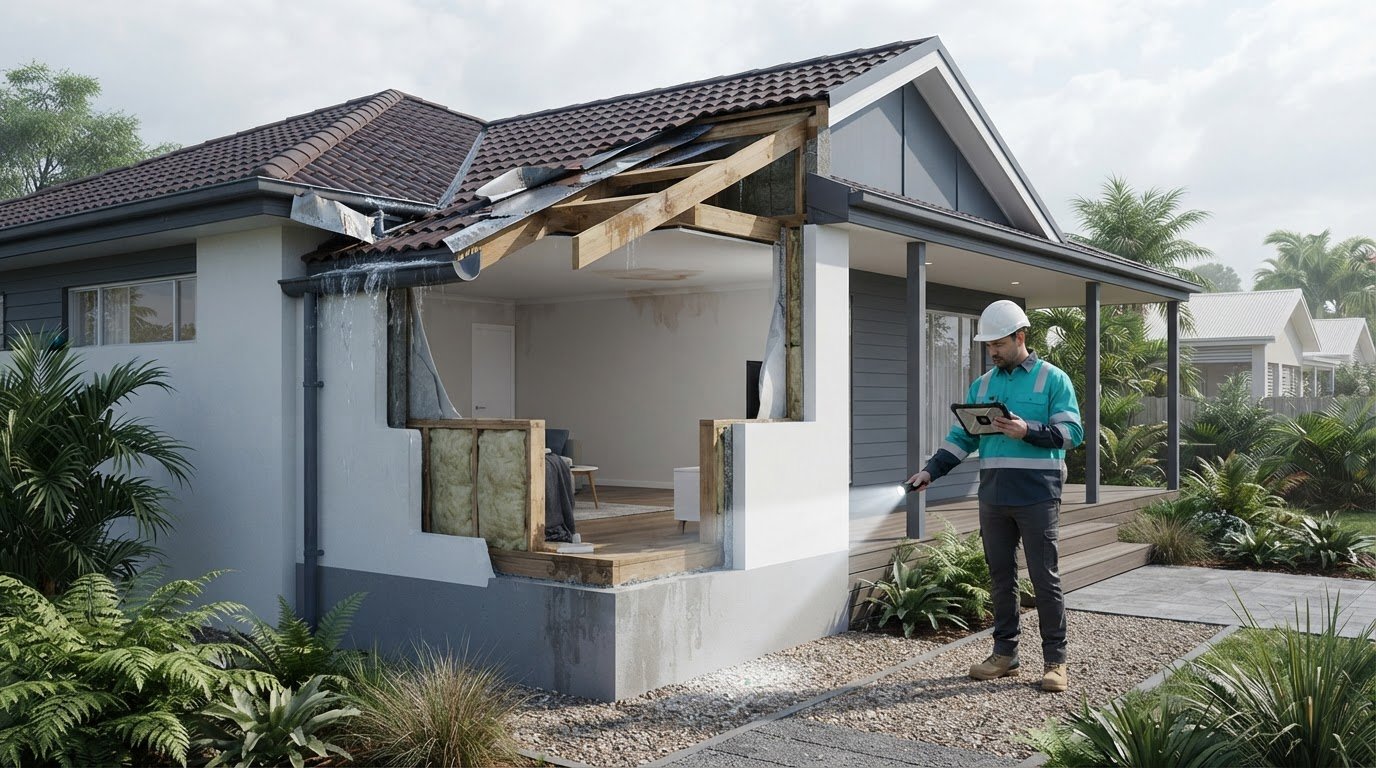
A leak is often a symptom of an underlying age-related issue. During our inspection, we evaluate the condition of your roof battens and insulation. Saturated insulation loses its thermal properties and can become a breeding ground for mould, while rotted battens compromise the security of your tiles or metal sheets. In many cases, a comprehensive roof restoration is more cost-effective than constant small repairs. For tile roofs, this includes repointing ridge capping with flexible compounds that won’t crack under the stress of Sydney’s temperature fluctuations, ensuring your home remains watertight for years to come.
Long-Term Prevention: Storm-Proofing Your Sydney Home
Preventing a roof leak after heavy rain Sydney homeowners dread requires looking beyond the immediate patch. Most drainage failures occur because the system was designed for moderate weather, not the extreme events recorded in 2025 and 2026. Upgrading to high-front gutters provides a built-in overflow path that directs water away from the fascia and eaves. Coupling this with 100mm downpipes significantly increases the hydraulic capacity of your roof. Standard 90mm or 75mm downpipes often lack the cross-sectional area to handle the volume of a Sydney storm. By increasing this capacity, you ensure that even during a heavy downpour, water is evacuated before it can back-flow into the ceiling cavity.
Installing high-quality leaf guards is another critical step for long-term protection. These prevent organic debris from entering the downpipe outlets, which is the leading cause of “dynamic” overflows. When valleys and gutters remain clear, water sheds rapidly and follows the intended drainage path. This simple addition can extend the life of your guttering by preventing the standing water that leads to rust and corrosion. It’s a practical investment that guards against the sudden failure of your drainage system during the next seasonal deluge. For local service providers who want to be equally prepared to help their community, you can explore SEO Services from Ready to Rank to strengthen your digital presence.
Why Mainly Beach Homeowners Choose Colorbond
In coastal suburbs where salt spray accelerates the degradation of traditional materials, Colorbond roofing is the preferred choice for long-term security. Unlike old concrete or terracotta tiles that can become porous and heavy when saturated, metal sheeting provides a lightweight, non-absorbent surface. Colorbond handles thermal expansion exceptionally well, maintaining its watertight joins through Sydney’s temperature swings. It is also superior for low-pitch roofs, where tiles often fail to shed water fast enough during intense rain. The continuous sheets eliminate many of the lap joins where wind-driven rain typically enters a home.
The Importance of Professional Maintenance
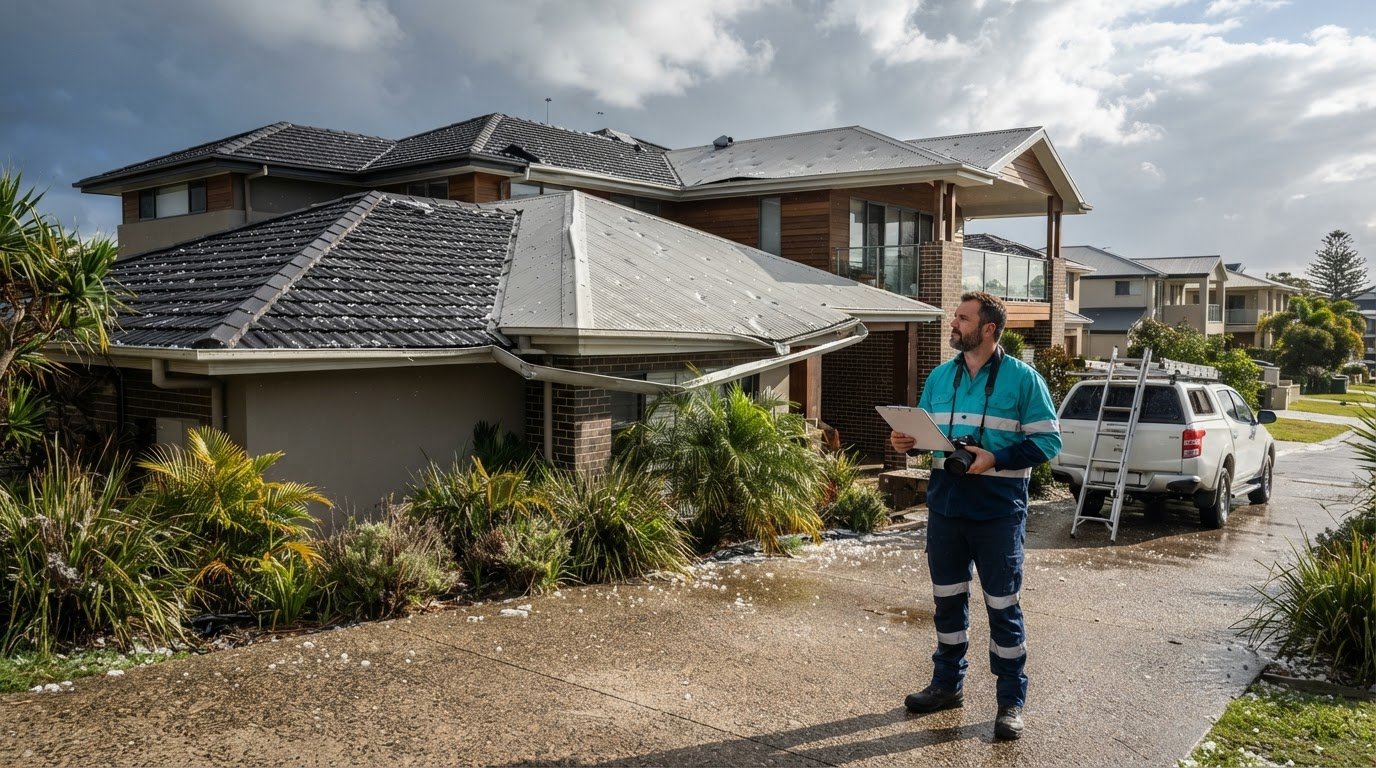
Prevention is always more affordable than a major structural repair. A pre-storm season inspection every 12 months allows us to identify perished seals on skylights and minor flashing gaps before they become active leaks. We ensure that all valleys are clear and that ridge capping remains secure. If your home has recently weathered a significant event, you should contact Roof Plumbing Expert for a comprehensive post-storm inspection. This proactive approach ensures that any hidden damage is resolved before the next East Coast Low arrives, protecting your property and providing lasting peace of mind.
Securing Your Home Against the Next Sydney Storm
Managing a roof leak after heavy rain Sydney homeowners face requires more than just a quick patch or a bucket in the lounge room. We’ve established that these failures are often driven by drainage capacity and extreme wind pressure rather than simple wear and tear. By shifting from reactive repairs to proactive upgrades like high-front gutters or Colorbond roofing, you can protect your property’s structural integrity against future deluges. Professional leak detection ensures you aren’t just treating the symptoms but resolving the root cause of water ingress.
Don’t let a minor drip turn into an expensive internal renovation. Our team consists of specialist roof plumbers who understand the specific hydraulic demands of Greater Sydney’s weather patterns. As Colorbond and guttering experts, we have the specialised tools to identify vulnerabilities that general handymen often miss. We take pride in serving homeowners across the Greater Sydney area, including the coastal reaches of Mainly Beach, with transparent and reliable service.
Once you’ve secured your property against the rain, you can get back to planning your next adventure. If you’re a fan of the great outdoors and remote travel, you should check out Adventurerz for a wealth of community-led exploration resources.
Get a Professional Roof Leak Inspection from Roof Plumbing Expert to ensure your home remains dry and secure. Trade your storm anxiety for the peace of mind that comes with a professionally fortified roof.
Frequently Asked Questions
Why does my roof only leak when it rains really hard in Sydney?
A roof leak after heavy rain Sydney residents experience is often caused by hydraulic pressure overcoming the roof’s drainage capacity. When rainfall intensity exceeds the volume your gutters can discharge, water backs up and finds entry points that remain dry during lighter showers. Wind-driven rain can also force water sideways or “uphill” under tiles and metal laps, bypassing standard gravity-fed waterproofing measures.
Is a roof leak covered by home insurance after a storm?
Insurance coverage typically depends on whether the damage was “sudden and accidental” or caused by a lack of maintenance. Most insurers will cover internal damage caused by a storm event, but they may refuse the claim if the roof was already in a state of disrepair. It’s essential to review your Product Disclosure Statement (PDS) to understand the specific definitions of storm damage and maintenance obligations.
How much does it cost to fix a roof leak in Sydney?
Minor roof leak repairs in Sydney generally cost between A$250 and A$800 for simple fixes like replacing a few cracked tiles or resealing flashings. More significant issues involving structural timber work or extensive repointing of ridge capping can range from A$1,500 to A$3,500. Emergency call-out fees during severe weather events typically add an additional A$150 to A$400 to the total cost.
Can a roof leak cause a house fire?
Water ingress poses a serious fire risk if it comes into contact with electrical systems. When rain enters light fittings, ceiling fans, or junction boxes, it can cause short circuits and electrical arcing. This generates intense heat that can ignite nearby timber battens or insulation. If you see water near any electrical point, you should turn off the power at the main switchboard immediately.
How do I find a roof leak in a ceiling with no attic access?
Specialists find leaks in ceilings without attic access by using non-invasive technology like thermal imaging cameras. These devices detect temperature differences where moisture is present behind the plasterboard, allowing the plumber to trace the water trail back to its source. Moisture meters are also used to confirm saturation levels, providing a clear map of the leak’s path without the need for destructive testing.
What is the fastest way to stop a roof leak during a storm?
The fastest way to manage an active leak internally is to use the bucket and string method to contain the drip. If a “ceiling bubble” has formed, carefully piercing the centre with a screwdriver will release the water pressure and prevent a sudden ceiling collapse. You should never attempt to climb onto a wet roof during a storm; instead, wait for a professional to install temporary waterproofing once it’s safe.
Should I replace my whole roof if it leaks in heavy rain?
Full replacement is usually only necessary if the roof’s structural integrity is compromised or if it has reached the end of its functional life. Many issues can be resolved through targeted repairs or a professional roof restoration. However, if you are experiencing a recurring roof leak after heavy rain Sydney storms, a replacement might be more economical than paying for multiple temporary patches that fail to address the underlying problem. For a thorough understanding of your options across the broader region, the leaking roof repair NSW homeowner’s guide outlines the detection and fix process in detail, helping you make an informed decision before committing to a full replacement.
Is it worth repairing a leaking skylight or should I replace it?
Repairing a skylight is often worth it if the issue is limited to a perished rubber seal or a blocked drainage channel. However, if the frame is warped or the glazing itself has detached from the housing, a full skylight replacement is the most reliable solution. Modern skylights offer superior waterproofing and thermal performance compared to older models, making a full upgrade a sensible long-term investment for your home.