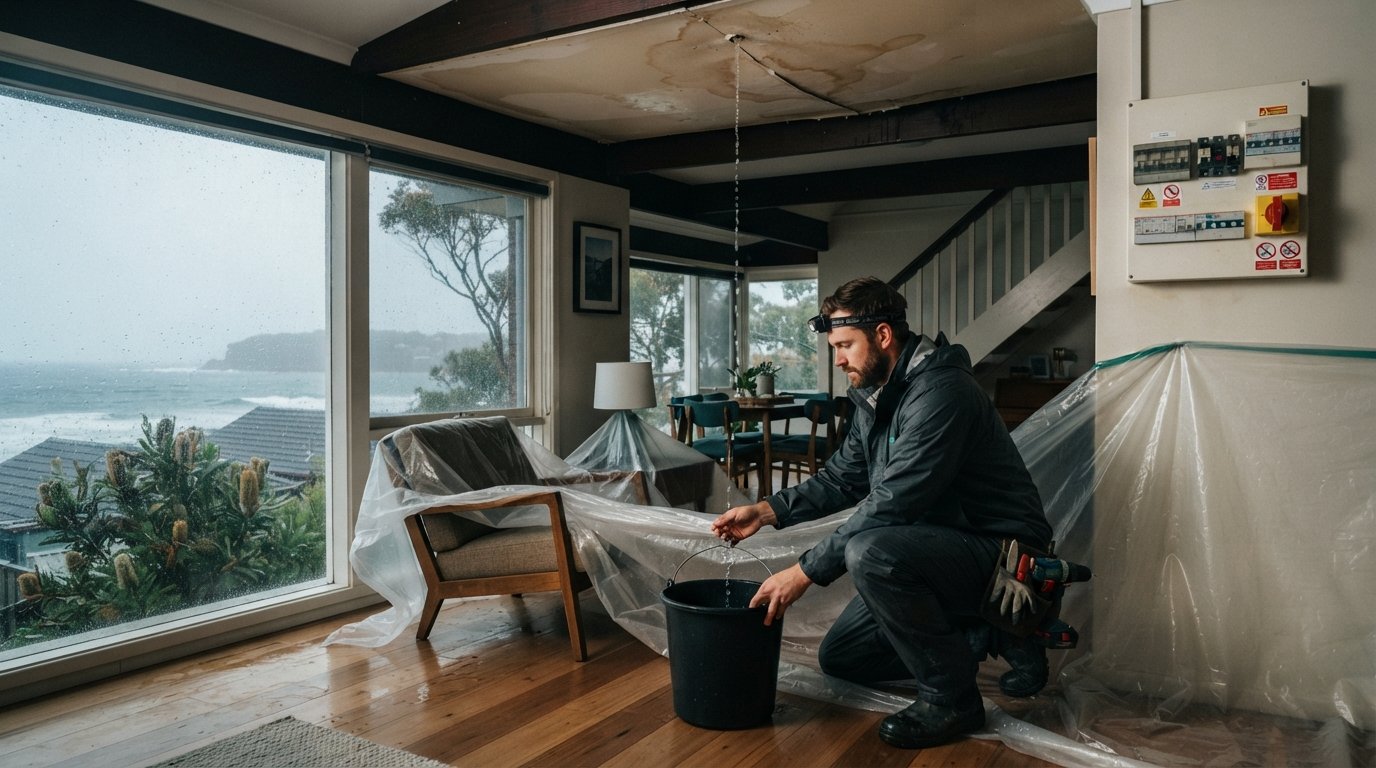
Climbing onto a wet, windswept roof to halt an active breach is the single most dangerous mistake a homeowner can make. When an East Coast Low drives rain against the coast, trying to fix roof leak in storm Manly Beach conditions from above puts your life at risk. It is terrifying to hear water dripping inside your ceiling cavity, watch plasterboard sag under pressure, and worry about live electrical circuits. You cannot safely step onto the roof while the gale is blowing, but you can take immediate, controlled action to protect your property from within.
Discover urgent safety steps, temporary leak containment tactics, and permanent coastal storm repair solutions for your Manly Beach roof. This guide outlines the exact interior containment methods required to safeguard your floors, furniture, and ceilings right now. You will also learn how a licensed roof plumber diagnoses salt-corroded flashings, resolves structural vulnerabilities, and installs resilient coastal materials once the storm eases.
Key Takeaways
- Prioritise personal safety during active weather by isolating electrical circuits at the main board and never attempting to climb onto a wet roof structure.
- Implement internal triage tactics using buckets, heavy plastic sheeting, and controlled ceiling relief holes to protect structural plasterboard and home furnishings.
- Discover why trying to fix roof leak in storm Manly Beach conditions requires a two-phase strategy: urgent indoor containment followed by licensed external repairs.
- Learn how specialist roof plumbers trace hidden water paths through compromised flashings, dislodged ridge capping, and wind-driven tile gaps once the gale clears.
- Explore permanent coastal storm defence upgrades, including flexible repointing and marine-grade Colorbond materials engineered for heavy surf salt exposure.
Emergency Steps for an Active Roof Leak in Manly Beach
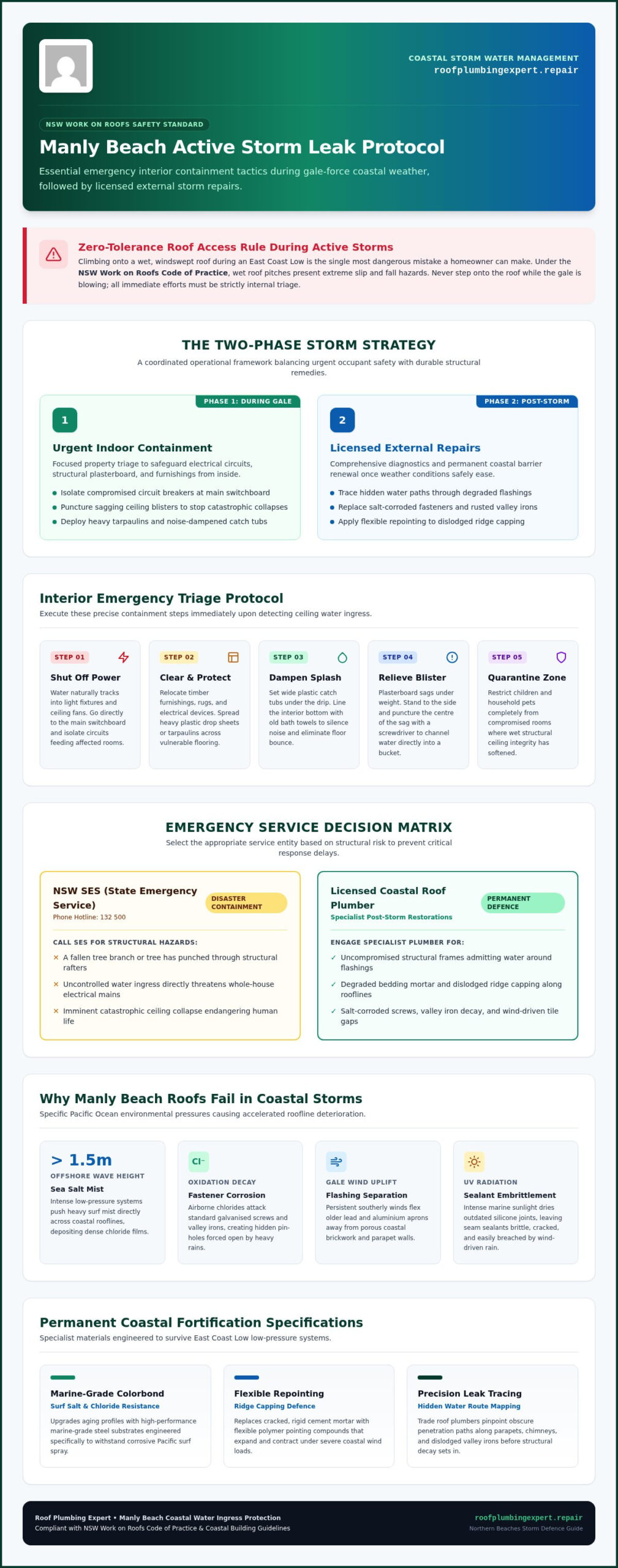
When an active squall pushes rain against your home, knowing how to manage interior damage is critical. Many homeowners panic and search for ways to fix roof leak in storm Manly Beach conditions from the outside, but ascending a rain-soaked surface during gale-force winds invites severe injury. Under the NSW Work on Roofs Code of Practice, wet roof pitches pose extreme slip and fall hazards. Instead, your immediate priority is focused internal triage to control water ingress until conditions stabilise.
Securing Electrical and Interior Safety
Water entering your ceiling space seeks the path of least resistance, which frequently leads directly into light fixtures and ceiling fans. Go to your main switchboard immediately and shut off the circuit breakers controlling any affected rooms. Once the power is isolated:
- Move valuable timber furniture, rugs, and electrical appliances away from the dripping area.
- Lay heavy plastic drop sheets or tarpaulins across vulnerable timber flooring or carpet.
- Set wide plastic tubs lined with old bath towels underneath the breach to prevent noisy splashing and reduce floor impact.
- Restrict children and pets from entering compromised rooms where plasterboard integrity has softened.
Preventing Catastrophic Ceiling Collapses
Standard gypsum plasterboard absorbs enormous volumes of water before failing. When water pools on top of a ceiling sheet, it creates a visible, sagging blister. If left unchecked, the saturated plasterboard can tear away from its joist fixings, bringing down kilograms of wet insulation and debris in a sudden collapse.
You can relieve this structural pressure quickly. Place a large collection bucket directly beneath the centre of the sag. Stand safely to the side, then carefully pierce the lowest point of the blister using a screwdriver or cordless drill bit. This punctures the ceiling skin, converting a dangerous, spreading reservoir into a controlled stream straight into your bucket.
When to Call the NSW SES vs a Roof Plumber
Understanding which emergency service to contact prevents critical delays. If a fallen tree branch has punched through your structural rafters, or water ingress threatens whole-house electrical mains, phone the NSW State Emergency Service (SES) on 132 500 for emergency hazard containment.
For uncompromised structural frames where water is entering around penetrations, degraded bedding, or improperly installed flashing, contact a licensed specialist. Engaging an expert ensures you can fix roof leak in storm Manly Beach consequences permanently. Once weather conditions ease safely, review our detailed guide to roof leak detection NSW to understand how trade professionals pinpoint the precise source of storm water penetration.
Common Causes of Storm Leaks in Manly Beach Coastal Homes
Living alongside the Pacific Ocean introduces severe environmental pressures that standard suburban roofs rarely experience. When an intense low-pressure system hits the Northern Beaches, offshore wave heights frequently exceed 1.5 metres, driving dense sea salt mist directly across local rooflines. Understanding why these breaches occur helps homeowners recognise why attempting a hasty patch to fix roof leak in storm Manly Beach scenarios rarely works over the long run.
Salt Air Corrosion on Fasteners and Metal Profiles
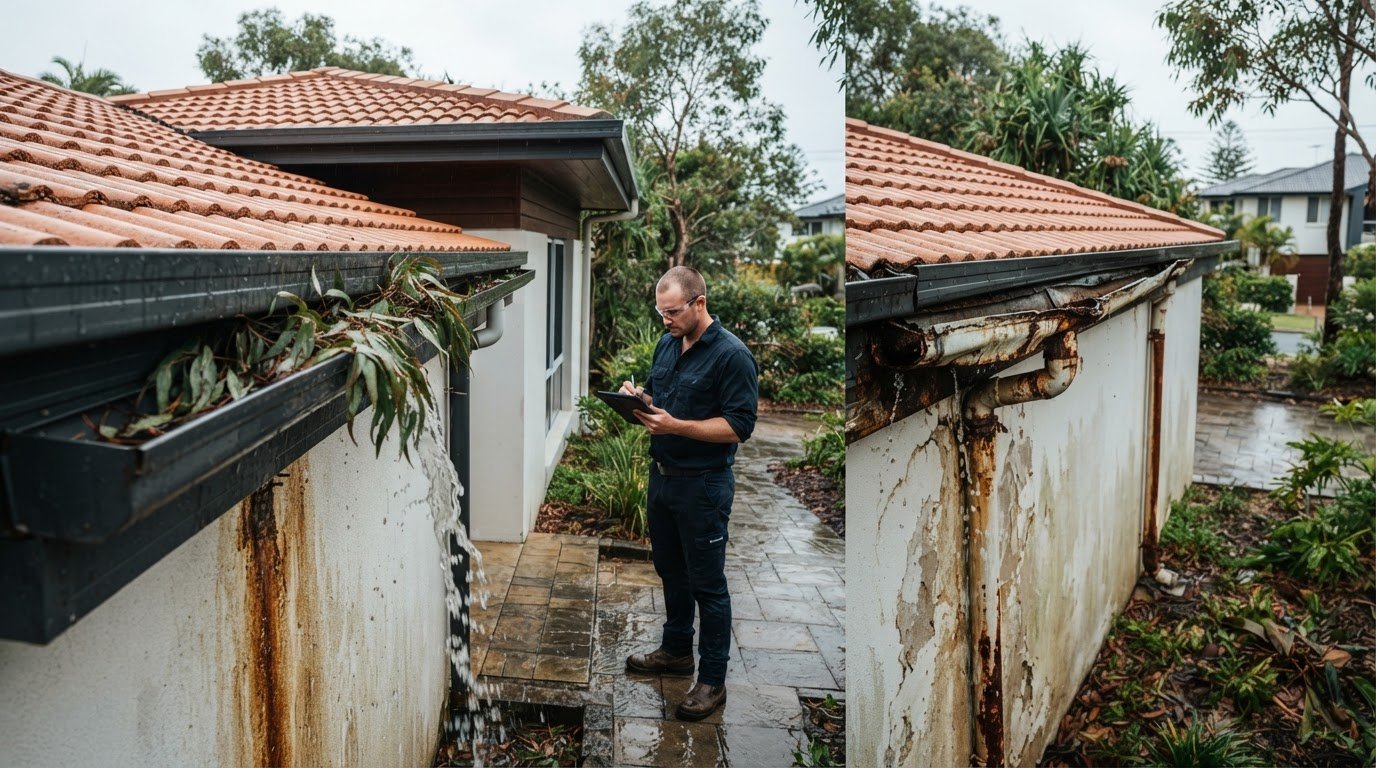
Airborne chlorides settle continuously across external metal surfaces. Over time, salt residue corrodes galvanised screws, metal valleys, and standard steel valley irons. This oxidation produces microscopic pin-holes beneath lap joints and creates hidden structural decay. During heavy downpours, wind pressure forces volume straight through these corroded fasteners. Upgrading aging profiles with high-performance Colorbond roofing Sydney installations gives coastal properties the marine-grade durability required to withstand corrosive salt air.
Flashing and Parapet Wall Failures
Persistent coastal gales subject perimeter junctions to powerful wind uplift. Heavy southerly winds flex older lead and aluminium flashings, slowly prying them away from porous coastal brickwork and parapet capping. At the same time, harsh marine ultraviolet exposure degrades outdated silicone beadings, leaving joint seams brittle and cracked. Under NSW tenancy guidelines, a compromised roof that admits water meets the legal threshold for urgent repairs in NSW due to rapid structural decay. Applying comprehensive roof waterproofing Sydney solutions seals these vulnerable interfaces against horizontal, wind-driven moisture penetration.
Tile Dislodgement and Cracked Ridge Mortar
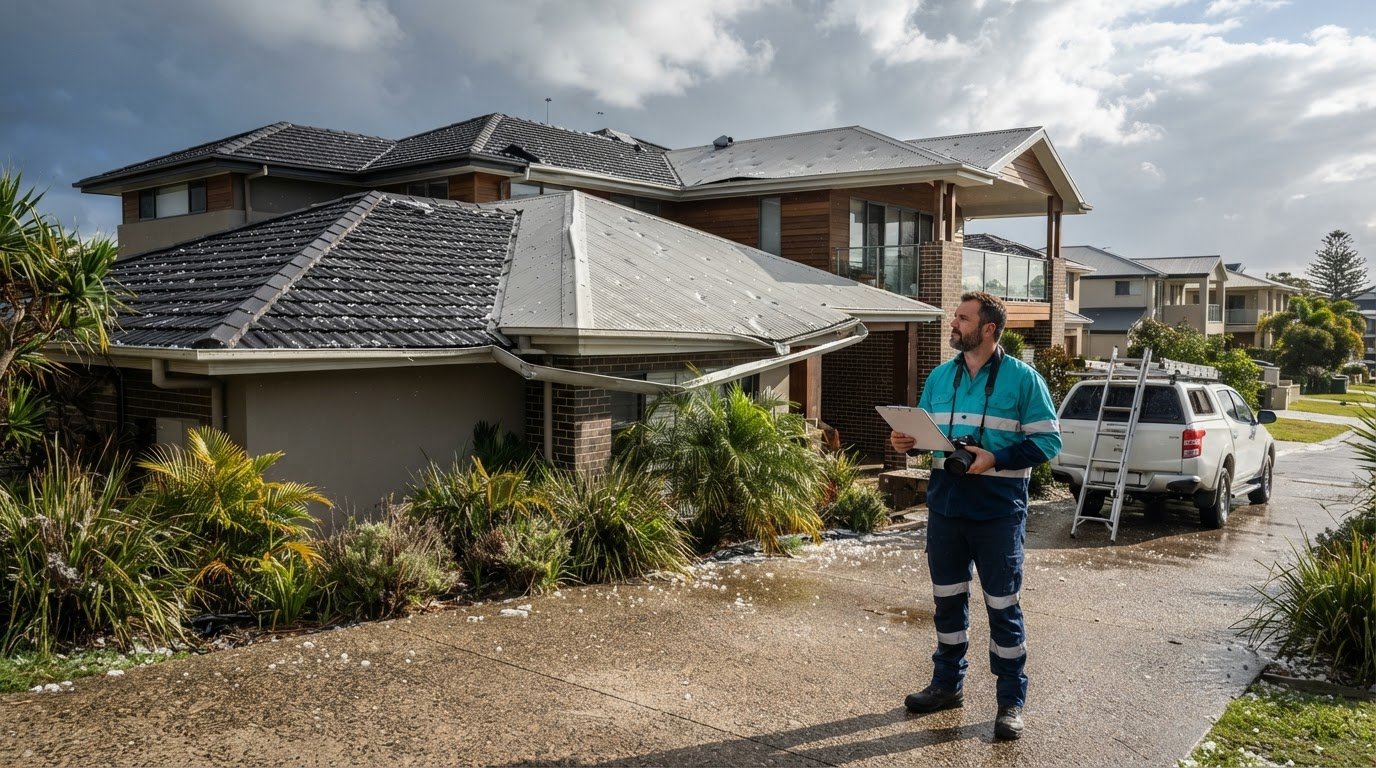
Concrete and terracotta roof tiles rely on precise interlocks and flexible mortar bedding to remain watertight. Intense coastal wind gusts catch loose tiles, dislodging them and shifting the underlying sarking. Once mortar pointing cracks along ridge caps, wind forces water uphill beneath tile overlaps, sending water into roof spaces. When storms clear, having an experienced team like Roof Plumbing Expert inspect your valley trays, flashings, and ridge lines ensures every underlying breach is permanently restored.
DIY Triage vs Licensed Roof Plumbing: What Is Safe?
During an intense coastal storm, drawing a clear line between what you can manage inside and what requires a trade professional is vital. Trying to physically fix roof leak in storm Manly Beach weather from an external ladder converts a manageable property issue into an immediate physical hazard. Confining your response to interior triage protects both your household and your personal safety.
Safe Interior Actions Homeowners Can Take
While severe weather continues outside, focus your efforts exclusively on interior containment and damage limitation:
- Monitor and empty collection vessels frequently to prevent water overflowing onto floor coverings.
- Pull back saturated carpet and underlay to allow air circulation and minimise structural timber rot.
- Run dedicated dehumidifiers or ventilation fans once you confirm electrical circuits are completely dry and safe.
- Photograph every damp cornice, stained wall, and compromised plaster panel to compile evidence for your insurer.
Why Wet Roof Exploration Is Strictly Off-Limits
Stepping onto an exposed roof during rain is treacherous. Coastal salt spray combines with rainwater and surface lichen to turn glazed terracotta, concrete tiles, and metal profiles into frictionless surfaces. Under the legally enforceable NSW Work on Roofs Code of Practice, trade professionals must deploy fall-prevention systems compliant with AS/NZS 1891 standards on roof pitches of 7 degrees or steeper. Without harness systems and secure anchor points, sudden coastal wind gusts can easily throw you off balance. Walking across storm-stressed tiles also cracks sound surrounding units, rapidly multiplying the volume of water entering your ceiling space.
Compliance and Insurance Pitfalls of Unlicensed Repairs
Attempting DIY repairs on an external roof structure introduces significant financial liability. NSW Fair Trading mandates specialised trade licensing for roof plumbing and waterproofing work. Insurance assessors routinely decline water damage claims if they detect makeshift fixes, such as domestic silicone smeared haphazardly over cracked valleys or tiles. Inappropriate sealants often create artificial dams that direct rainwater sideways into unsealed building joints. Engaging a licensed specialist ensures your roof meets state technical standards while securing the formal compliance paperwork required by insurance providers.
How a Roof Plumber Fixes Storm Leaks Once Weather Clears
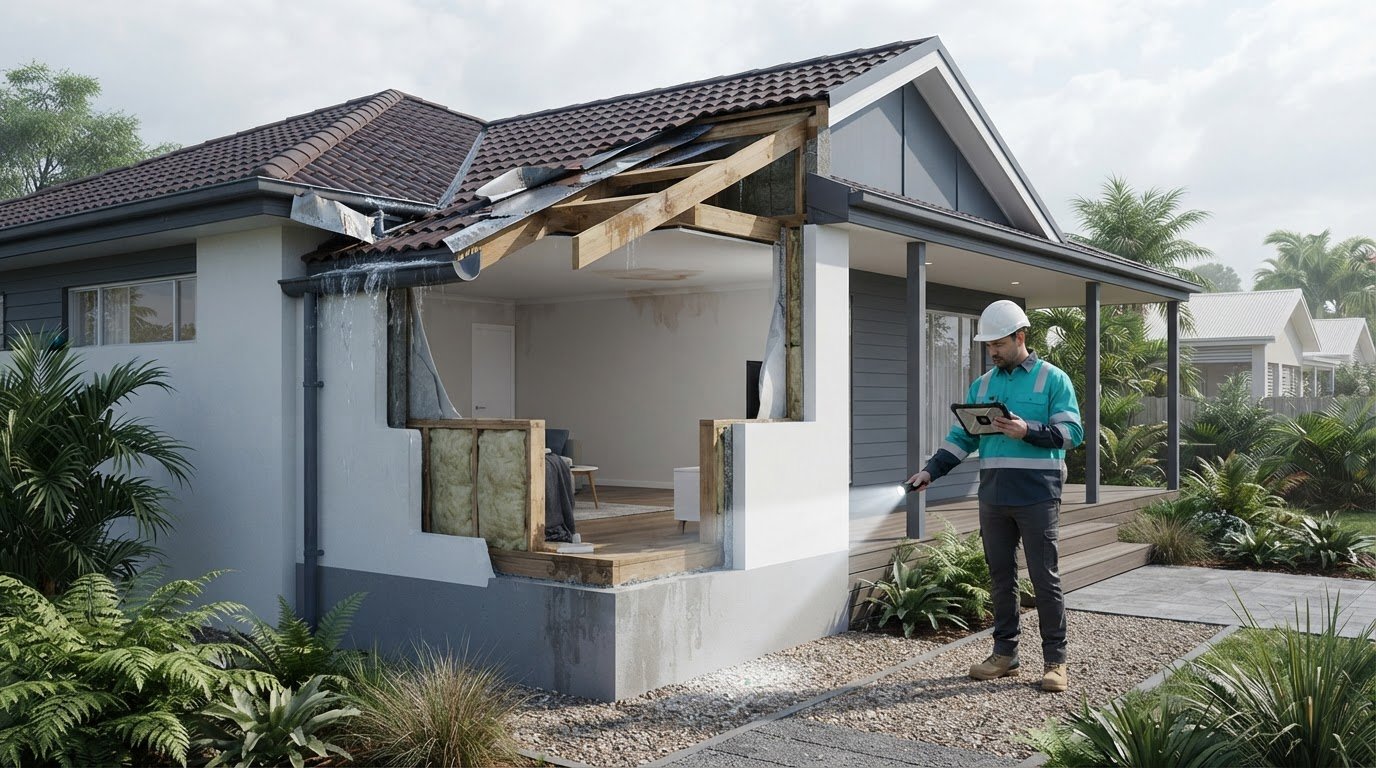
Once gale-force winds drop and coastal rainfall ceases, the focus transitions from emergency triage to lasting physical repairs. Homeowners often expect water to enter directly above the damp patch on their plasterboard, but rainwater rarely travels in a vertical line. Adequately resolving how to fix roof leak in storm Manly Beach conditions requires a trade specialist who can track water paths and rebuild damaged exterior junctions to withstand future East Coast Lows.
Cavity Tracing and Moisture Mapping
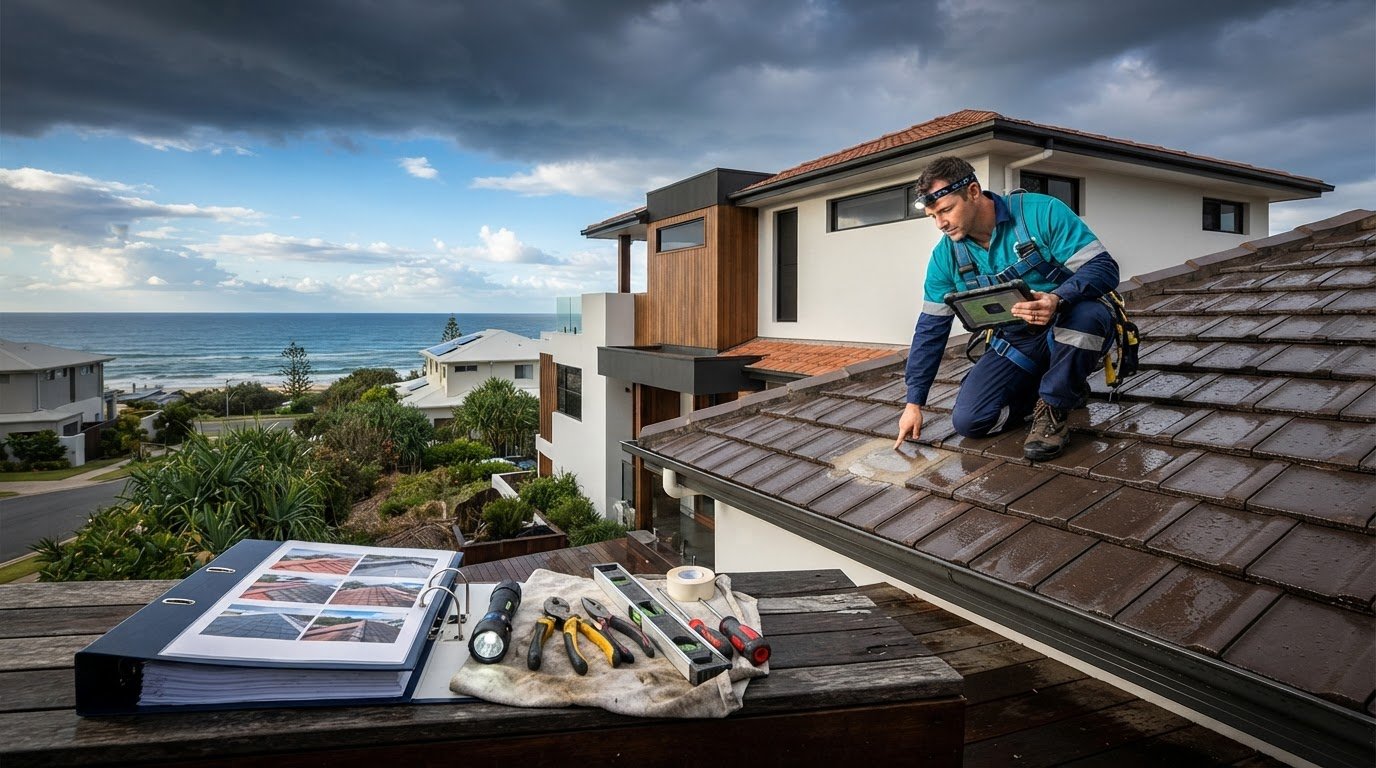
Specialised roof plumbers begin the diagnostic process by accessing the internal roof space. Rainwater frequently breaches a roof through flashings or cracked tiles several metres upslope, travelling invisibly along structural rafters, battens, or ceiling joists before dropping through a plasterboard joint. Using calibrated moisture meters and thermal imaging equipment, technicians map internal moisture trails behind insulation batts, checking structural timbers for softening, timber rot, or delamination caused by prolonged water exposure.
Emergency Tarping and Safe Temporary Sealing
When severe structural damage leaves large roof sections exposed, an immediate permanent fix might not be feasible if custom sheet metal or specialised tiles need sourcing. Technicians secure the breach by mechanically fastening heavy-duty storm tarpaulins over structural battens, avoiding makeshift fixes that blow off in secondary squalls. Sandbag ballasts and mechanical perimeter anchors hold these covers taut against coastal breezes, while temporary metal diverters channel runoff away from exposed eaves and internal cavities.
Permanent Structural Rectification
Lasting storm defence requires addressing the root structural failure rather than simply applying external sealants. For tiled properties, aged cement mortar is stripped back and replaced with flexible pointing compounds designed to accommodate natural roof framing expansion during severe thermal shifts. Corroded lead flashings, buckled box gutters, and deteriorated valley irons are fabricated anew using heavy-gauge metal profiles. Ensuring precision gutter and downpipe installation NSW capacity stops high-volume rainwater from ponding and overflowing backward into internal ceiling spaces.
Once the gale blows over, book an urgent post-storm inspection with Roof Plumbing Expert to diagnose your roof cavity, secure structural breaches, and protect your Manly Beach home against future storms.
Fortifying Your Manly Beach Property Against Future Storms
Proactive maintenance is far less stressful than scrambling during severe weather. While knowing how to mitigate damage helps during an emergency, eliminating structural weak points beforehand ensures you never have to scramble to fix roof leak in storm Manly Beach conditions again. Establishing an enduring defence against harsh marine weather requires resilient materials, adequate drainage capacity, and regular preventative inspections.
Selecting Coastal-Grade Materials for Longevity
Standard building materials degrade rapidly under constant salt air exposure. Properties within Manly’s coastal buffer demand specialised assemblies designed for marine environments:
- Colorbond Ultra: Upgrade deteriorated metal sheeting to Colorbond Ultra, which incorporates an advanced metallic coating specifically engineered for severe marine zones.
- Class 4 Fasteners: Replace standard roof fixings with heavy-duty Class 4 or marine-grade stainless steel fasteners to prevent hidden pin-hole oxidation and premature screw failure.
- Heavy-Gauge Flashings: Install custom-folded aluminium or zinc-coated drainage flashings around chimneys, parapets, and abutments to withstand heavy thermal movement without buckling.
Gutter Sizing and Coastal Drainage Optimisation
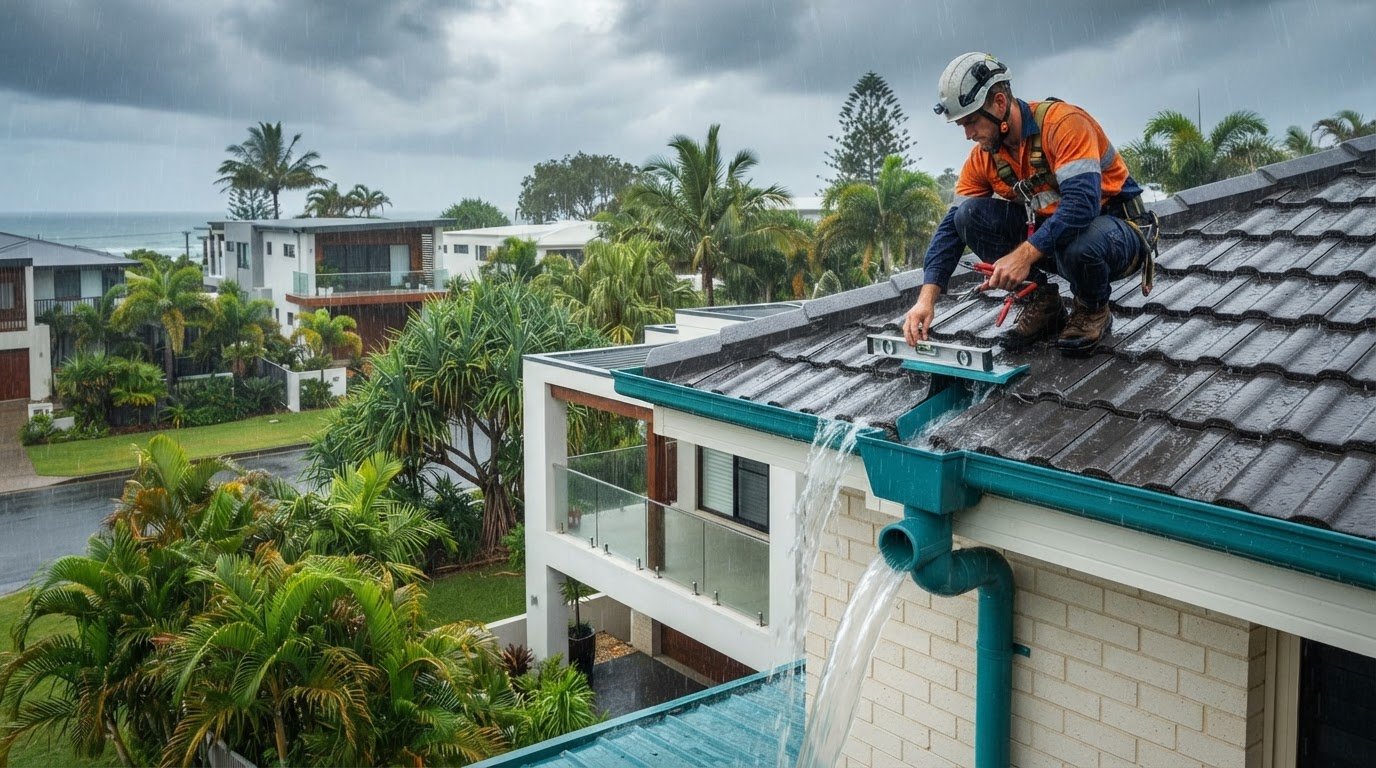
Subtropical cloudbursts can drop immense volumes of water in minutes. Standard residential eaves gutters often fail during peak rainfall intensity, backing water directly over internal fascia boards. Upgrading to oversized quad or half-round gutter profiles significantly increases drainage volume. Pairing these profiles with larger circular downpipes ensures torrential runoff discharges quickly. Installing continuous gutter lengths eliminates unnecessary joins, reducing weak spots that split under wind load or become clogged with windblown coastal foliage.
Booking a Professional Preventative Roof Audit
Scheduling a thorough roof inspection before the autumn and winter storm seasons arrive exposes developing vulnerabilities before they cause internal chaos. A specialist inspects pointing integrity, checks metal valleys for hidden underside corrosion, and verifies that perimeter flashing seals remain intact against wind uplift. Rather than waiting for driving rain to reveal a breach, secure your coastal home by scheduling an expert assessment with Roof Plumbing Expert once the storm clears.
Secure Your Home Against the Next Coastal Front
Weathering an intense marine squall demands disciplined indoor triage, but complete property protection begins the moment the weather breaks. Safely catching drips and easing water pressure behind compromised plasterboard shields your living spaces during peak downpours. However, knowing how to successfully fix roof leak in storm Manly Beach conditions means transitioning swiftly from temporary indoor containment to qualified trade intervention.
Long-term protection comes from partnering with licensed NSW roof plumbing specialists with proven expertise in coastal salt-air and storm resilience. From comprehensive leak tracing along timber rafters to structural metalwork repairs and heavy-weather flashing upgrades, professional workmanship eliminates vulnerabilities that temporary patches overlook. Take control of your property’s exterior integrity before the next East Coast Low develops along the coastline. Book an urgent roof inspection with Roof Plumbing Expert to restore your roofline and enjoy absolute peace of mind.
Frequently Asked Questions
Can a roof plumber fix my leaking roof while it is still raining heavily?
No, licensed roof plumbers cannot safely climb onto or repair an external roof while heavy rain and high winds persist. NSW workplace health and safety regulations strictly prohibit work at heights on slippery, wet pitches. Reputable trades schedule inspections as soon as winds ease and surfaces dry. Attempting to fix roof leak in storm Manly Beach conditions externally during an active squall endangers workers and risks further roof damage.
How do I safely stop water leaking from my ceiling light during a storm?
Go directly to your switchboard and isolate the main lighting circuit breaker before touching anything near the fixture. Never handle wet switches or electrical fittings while circuits remain energised. Once the power is isolated, place collection buckets underneath to catch water leaking through the light cavity. Keep everyone clear of the room until an electrician inspects the wiring and a roof plumber rectifies the exterior breach.
Why is water dripping into a room far from where my roof leak actually started?
Gravity and structural roof framing redirect water ingress long before moisture reaches your ceiling plasterboard. Rain entering through displaced flashings or damaged tiles flows down timber rafters, purlins, sarking, or conduits until it reaches a low point. The water then pools on horizontal plasterboard sheets, eventually dripping through downlights, screw holes, or plaster joints located metres away from the initial exterior breach.
Will home building insurance cover the cost of repairing my storm-damaged roof?
Insurers generally cover sudden storm damage but routinely reject claims resulting from long-term wear, rust, or poor maintenance. If gale winds lift metal sheets or break sound tiles, your policy typically covers resulting interior damage and structural restoration. However, if water entered due to rusted box gutters or degraded mortar pointing, insurers often deny the claim. Keeping regular trade maintenance records helps validate insurance coverage.
Is it ever safe to use silicone sealant as a quick fix for a roof leak?
Silicone sealant should never be used as a makeshift exterior fix during wet weather. Standard silicone fails to bond with wet, salt-crusted roofing profiles, rendering wet application useless. Inappropriate beadings often create artificial dams that block natural water runoff across tiles and flashings, forcing storm water sideways into unsealed building joints. Lasting repairs require replacing damaged components or installing tailored waterproofing once surfaces are dry.
What is the difference between calling the SES and hiring a licensed roof plumber?
The NSW SES is a volunteer emergency response service focused on immediate hazard mitigation, while licensed roof plumbers provide permanent diagnostic and trade repairs. The SES assists when life safety or severe structural collapse is imminent, often using tarpaulins to prevent catastrophic flooding. They do not fix flashings or re-bed tiles. You need a licensed trade specialist to permanently fix roof leak in storm Manly Beach aftershocks once conditions clear.
How does salt spray impact the lifespan of metal and tiled roofs in Manly Beach?
Ocean salt spray deposits airborne chlorides that accelerate metal corrosion and break down porous tile mortar. In coastal environments like Manly Beach, persistent salt mist causes standard steel fasteners, valley irons, and unwashed metal sheets to rust prematurely. On tiled roofs, salt crystallisation weakens cement bedding, causing ridge caps to loosen under coastal winds. Upgrading to marine-grade Colorbond Ultra and flexible pointing significantly prolongs roof longevity.