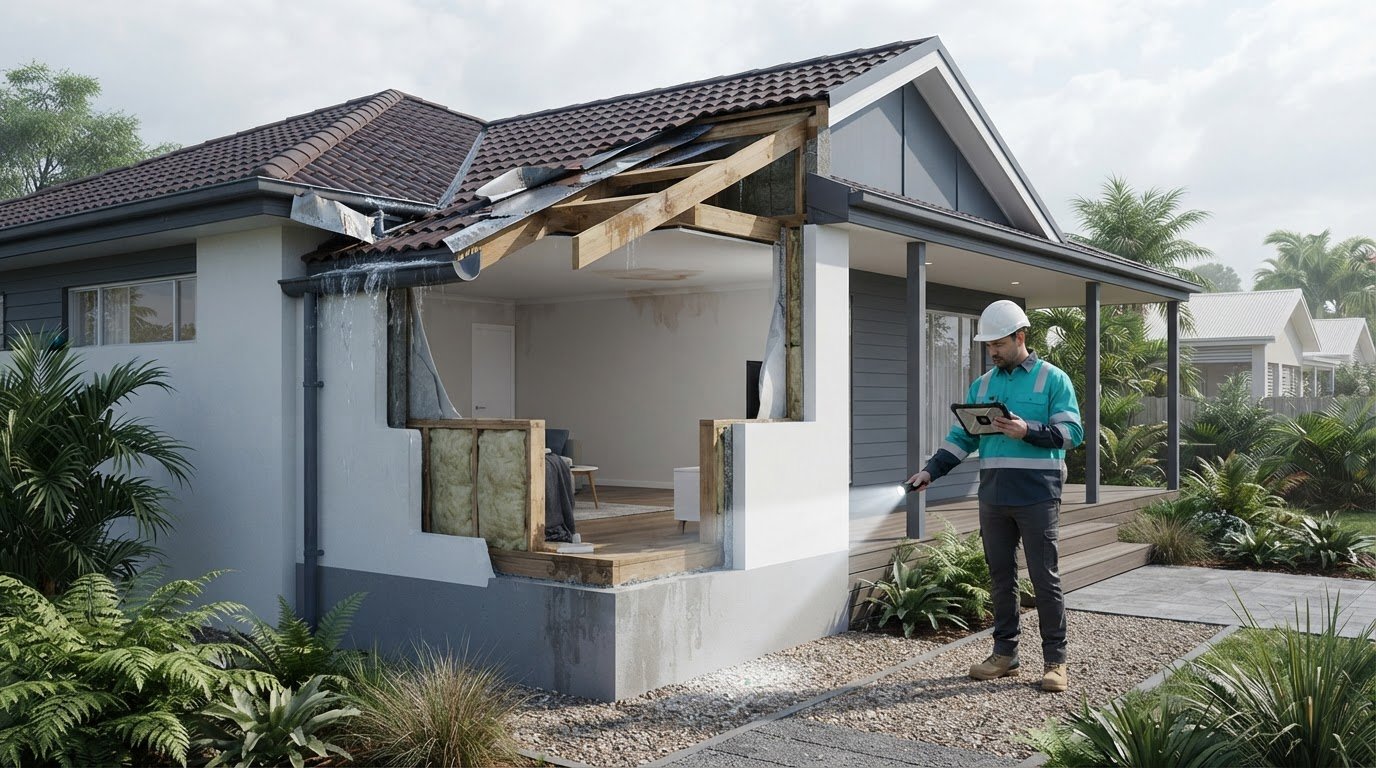
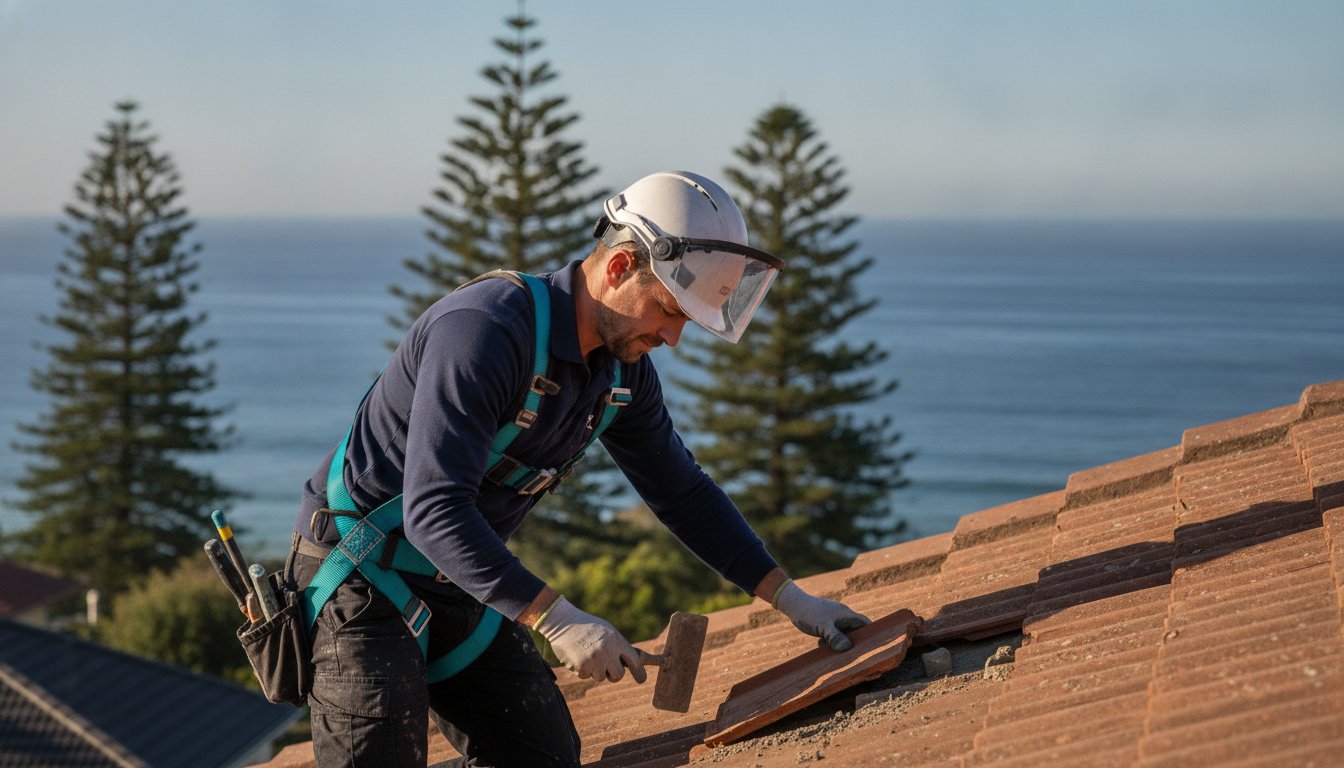
A single hairline fracture in a terracotta tile is rarely just a cosmetic blemish; in Sydney’s volatile climate, it is often the first warning sign of a compromised structure. You might think a small gap can wait until the next season, but these minor openings allow moisture to seep into your roof cavity, leading to the hidden water damage and mould growth every homeowner dreads. When it comes to cracked roof tile repair Sydney residents often feel caught between the risks of a DIY patch-up and the fear of being overcharged by unreliable tradespeople during a hectic storm season.
We understand that maintaining your home’s structural integrity shouldn’t be a guessing game. This essential 2026 checklist provides the clarity you need to assess your roof’s condition accurately, ensuring you stay ahead of the latest National Construction Code standards for waterproofing and condensation management. You will discover how to identify high-risk areas before they escalate into a full roof replacement, giving you a leak-free home and the peace of mind that your property is protected against the elements. We will break down the professional inspection process, explain the importance of precise repointing, and help you determine exactly when a specialist intervention is required to secure your home.
Key Takeaways
- Learn how Sydney’s extreme UV exposure and thermal expansion make tiles brittle, creating vulnerabilities that compromise your home’s structural integrity.
- Understand why temporary silicone patches often fail and why professional cracked roof tile repair Sydney is necessary to address fractures hidden beneath overlapping tile laps.
- Determine whether your roof requires a simple tile swap or a complete restoration based on the age of the materials and the extent of the damage.
- Establish a proactive maintenance routine by performing visual inspections twice a year, specifically before the summer storm season and after winter wind peaks.
- Recognise the importance of engaging a licensed roof plumber to ensure all repairs meet the latest 2026 waterproofing standards and provide long-term security.
Identifying Cracked Roof Tiles: Signs Your Sydney Home is at Risk
A single cracked roof tile represents a critical breach in your home’s primary defence against the elements. In the context of cracked roof tile repair Sydney homeowners often underestimate how much pressure our local environment puts on standard roofing materials. Sydney experiences intense UV radiation and extreme temperature fluctuations, particularly in the western suburbs where heat builds up during the day and drops sharply at night. This cycle leads to constant thermal expansion and contraction. Over time, different types of roof tiles, whether terracotta or concrete, become brittle and lose their flexibility, making them prone to snapping under the slightest stress.
Visible fractures are frequently just the tip of the iceberg. When water penetrates a crack, it doesn’t just sit there; it bypasses the tiles and begins to degrade the secondary layers of your roof’s structure. This includes damaging the protective sarking or causing rot in the timber battens that support the tiles. Catching these issues early is the most effective way to avoid the significant expense associated with full roof restoration Sydney services later on. Small cracks today can easily become major structural failures after a season of heavy rain.
Visual Cues from the Ground and Gutter
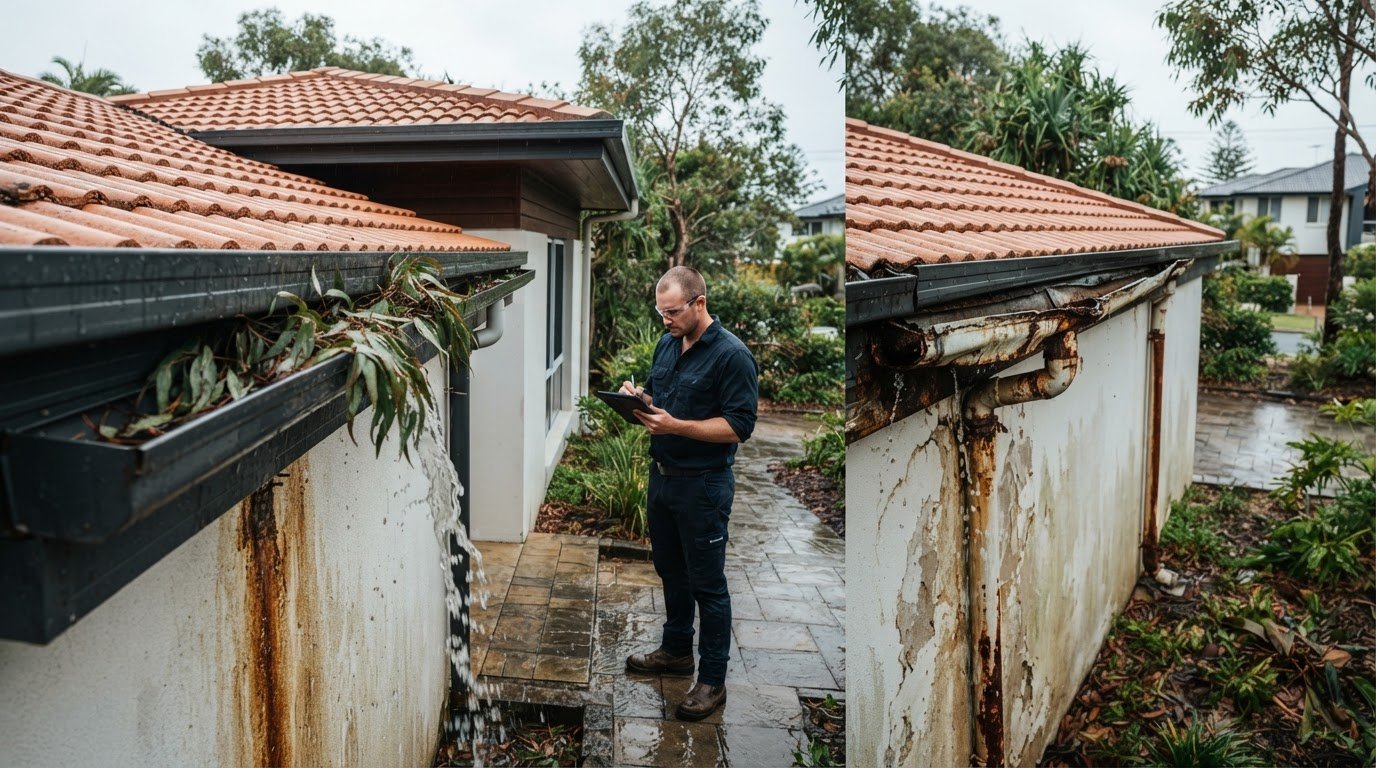
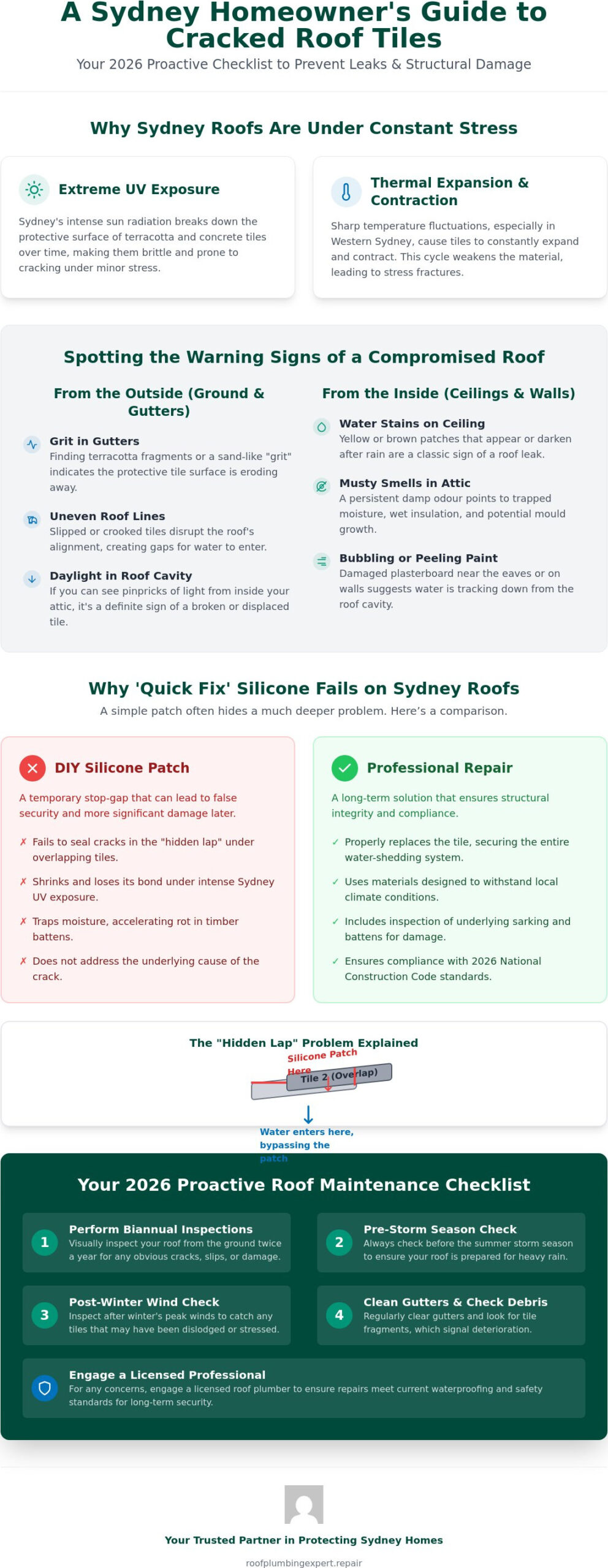
You don’t always need a ladder to spot trouble. During your routine gutter cleaning, pay close attention to the debris you find. Small terracotta fragments or “tile grit” in your gutters indicate that the protective surface of your tiles is eroding. You should also scan the roofline for uneven “courses” or crooked lines. If a tile has slipped from its housing, it creates a gap that invites moisture in. If you have safe access to your roof cavity, turn off the lights and check for pinpricks of daylight shining through. Any visible light from inside the attic is a clear sign of a displaced or broken tile that needs immediate attention.
Internal Symptoms of a Cracked Tile
Often, the first signs of a problem appear inside your living space. These symptoms usually manifest after one of Sydney’s notorious East Coast Lows or heavy summer storm cells. Keep an eye out for these red flags:
- Water stains: Look for yellowing patches on the ceiling that appear or darken specifically after rainfall.
- Musty smells: A persistent damp odour in the roof space often points to wet insulation or early-stage mould growth.
- Damaged plaster: Bubbling plasterboard or peeling paint near the eaves suggests water is tracking down the internal walls.
Ignoring these signs doesn’t just risk your roof. It risks your home’s electrical systems and internal health. Identifying a need for cracked roof tile repair Sydney early ensures your home remains watertight and structurally sound for the long term.
Why a ‘Quick Fix’ Silicone Repair Often Fails on Sydney Roofs
Many homeowners reach for a tube of silicone as soon as they spot a fracture in their roof. It seems like a logical, cost-effective fix. However, for effective cracked roof tile repair Sydney conditions demand more than a superficial patch. Standard hardware store silicone lacks the structural properties required to withstand our local climate. It is a stop-gap measure, not a permanent solution for a home’s primary weather barrier.
The most significant technical failure of silicone is the “hidden lap” problem. Roof tiles are designed to overlap, creating a series of interlocking channels that shed water. A crack rarely stops at the visible surface; it often extends deep beneath the overlapping tile. Because a caulking gun cannot reach these hidden sections, water continues to track through the unsealed part of the crack. This moisture bypasses your repair entirely, flowing directly into your roof cavity while the tile appears fixed from the ground.
Sydney’s intense UV index poses another threat to adhesive repairs. Exposure to extreme heat causes standard silicone to shrink and lose its bond with the tile surface, often within just 12 months. This degradation creates tiny pockets that actually trap moisture against the tile. Instead of keeping your home dry, the failing silicone holds water against the timber battens, which can lead to accelerated wood rot and costly structural issues.
The Anatomy of a Tile Leak
Tiles are engineered with specific water courses to manage heavy downpours. A crack in the “valley” or the flat drainage section of a tile is far more dangerous than one on the “crown” or high point. Water naturally gravitates to these valleys during Sydney’s frequent summer storms. When a valley is breached, the volume of water entering the roof increases significantly. While roof sarking provides a secondary layer of protection, it is not designed to handle a concentrated, constant stream of water from a broken tile.
When Silicone is (and isn’t) Appropriate
Silicone should only be used as a temporary emergency measure while you wait for a qualified professional to arrive. It is useful for preventing immediate internal damage during a storm, but it should never be considered a final repair. Professional roofers prioritise full tile replacement because it restores the roof’s original shedding capability without relying on adhesives that will eventually fail. Following Australian standards for roof repair ensures that your home remains compliant and structurally sound. Furthermore, performing uncertified DIY repairs can sometimes complicate home insurance claims if a minor leak eventually leads to major internal damage. If you suspect your roof has been compromised, arranging a professional roof leak detection and repair assessment is the most reliable way to secure your property.
Replacement vs. Repair: Choosing the Right Solution for Your Tile Roof
Deciding between a single tile swap and a more comprehensive intervention is a common dilemma for homeowners. When managing cracked roof tile repair Sydney properties often require a tailored approach based on the specific material and age of the structure. A few isolated cracks might be easily managed with a simple replacement. However, if the underlying issues are widespread, you may need to weigh the long-term benefits of a roof restoration vs replacement NSW strategy to ensure your home remains watertight for the next decade.
The age of your roof is the most significant factor in this decision. If your tiles are over 50 years old, they have likely reached the end of their functional lifespan. At this stage, the material becomes incredibly brittle. Walking on the roof to fix one tile can often lead to three more cracking underfoot. In Sydney’s heritage suburbs, such as those in the Inner West or North Shore, sourcing exact matches for aged terracotta profiles can also be difficult. We often consult guidelines from the Australian Roof Tile Association to ensure that any replacement tiles meet current structural standards and aesthetic requirements for older homes.
A cost-benefit analysis is essential. While a single tile replacement is inexpensive, the price of repeated call-outs for minor leaks adds up quickly. If you find yourself scheduling repairs every few months, you are likely dealing with a systemic failure of the roofing system rather than isolated damage. Investing in a comprehensive fix often proves more economical than a series of endless patches.
When to Simply Replace the Tile
Individual replacement is the best course of action when the damage is clearly isolated. This usually occurs after a physical impact, such as a fallen tree branch or a wayward cricket ball. If you are fortunate enough to have a stack of original spare tiles stored under the house, a professional can easily swap out the damaged units. This approach is highly effective provided the surrounding bedding, pointing, and flashing are still in excellent condition and don’t require further attention.
When to Consider Full Roof Restoration
A full restoration becomes necessary when you notice widespread “crazing” or surface cracking across multiple areas of the roof. This often coincides with a significant failure of the mortar, where a high roof repointing cost NSW might be justified to secure loose ridge caps. If you are experiencing persistent dampness that professional roof leak detection NSW identifies as coming from multiple points of entry, a holistic restoration is the only way to guarantee a leak-free home and avoid a much more expensive full roof replacement.
The 2026 Sydney Roof Maintenance Checklist: Preventing Future Cracks
Maintaining a roof in Sydney requires a proactive strategy rather than a reactive one. The combination of intense UV exposure and sudden East Coast Lows means your roofing materials are constantly under stress. Proactive maintenance is the most effective way to minimise the need for emergency cracked roof tile repair Sydney services. We recommend that homeowners perform a comprehensive visual check at least twice a year. The most effective times for these inspections are late spring, before the summer storm season begins in November, and late winter, after the peak wind periods have subsided.
Blockages in your drainage system are a leading cause of avoidable roof damage. When gutters become clogged with debris, water can “pond” and back up under the bottom row of tiles. This standing water eventually rots the timber fascia and enters the eaves, causing internal damage that is often difficult to detect until it is too late. Additionally, managing overhanging trees is vital. Large branches overhanging your roofline act as projectiles during high winds. Even small, repeated strikes from swaying branches can hairline-fracture terracotta tiles, creating entry points for moisture.
Seasonal Maintenance Tasks
- Autumn: Clear all leaf litter and twigs from your gutters and valley flashings. Obstructed valleys are a primary cause of overflow during heavy Sydney downpours.
- Spring: Inspect the eaves for signs of bird nesting or pest activity. Nests can block essential ventilation and trap moisture against the roof structure.
- Post-Storm: After any significant weather event, scan the roof from the ground for slipped tiles or large debris that could trap water or cause physical damage.
The Professional Inspection Checklist
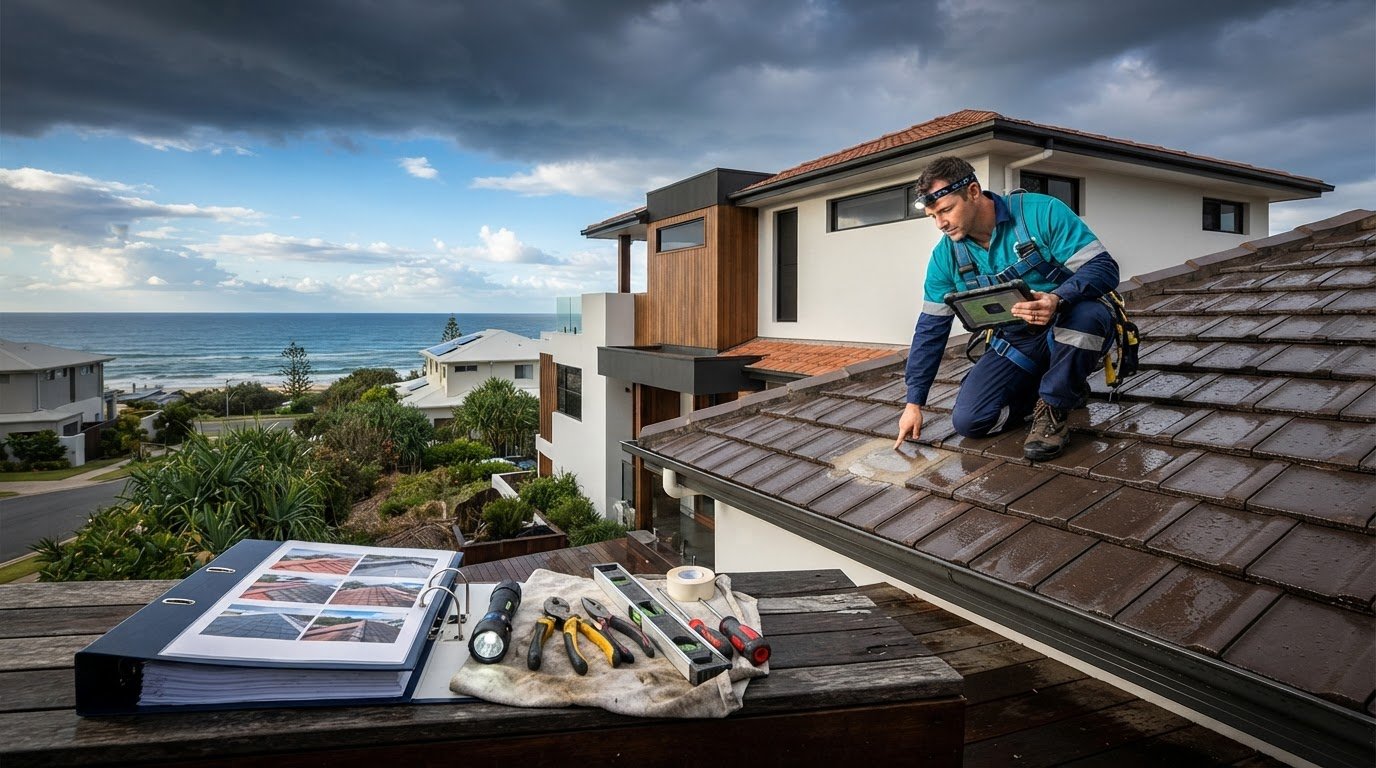
While ground-level checks are useful, a professional inspection dives deeper into the structural components of your roof. Specialists focus on high-risk areas invisible to the untrained eye during a standard cracked roof tile repair Sydney assessment. We test ridge capping integrity and the condition of flexible pointing. If bedding has started to crumble, ridge caps become loose and dangerous. We also inspect hidden flashings around chimneys and skylights. These transition points are common failure zones that require precision to remain watertight. If you want to ensure your home is fully protected before the next storm cycle, booking a professional roof leak detection and repair service is the most reliable way to maintain structural integrity.
Professional Roof Restoration Sydney: Securing Your Home with Roof Plumbing Expert
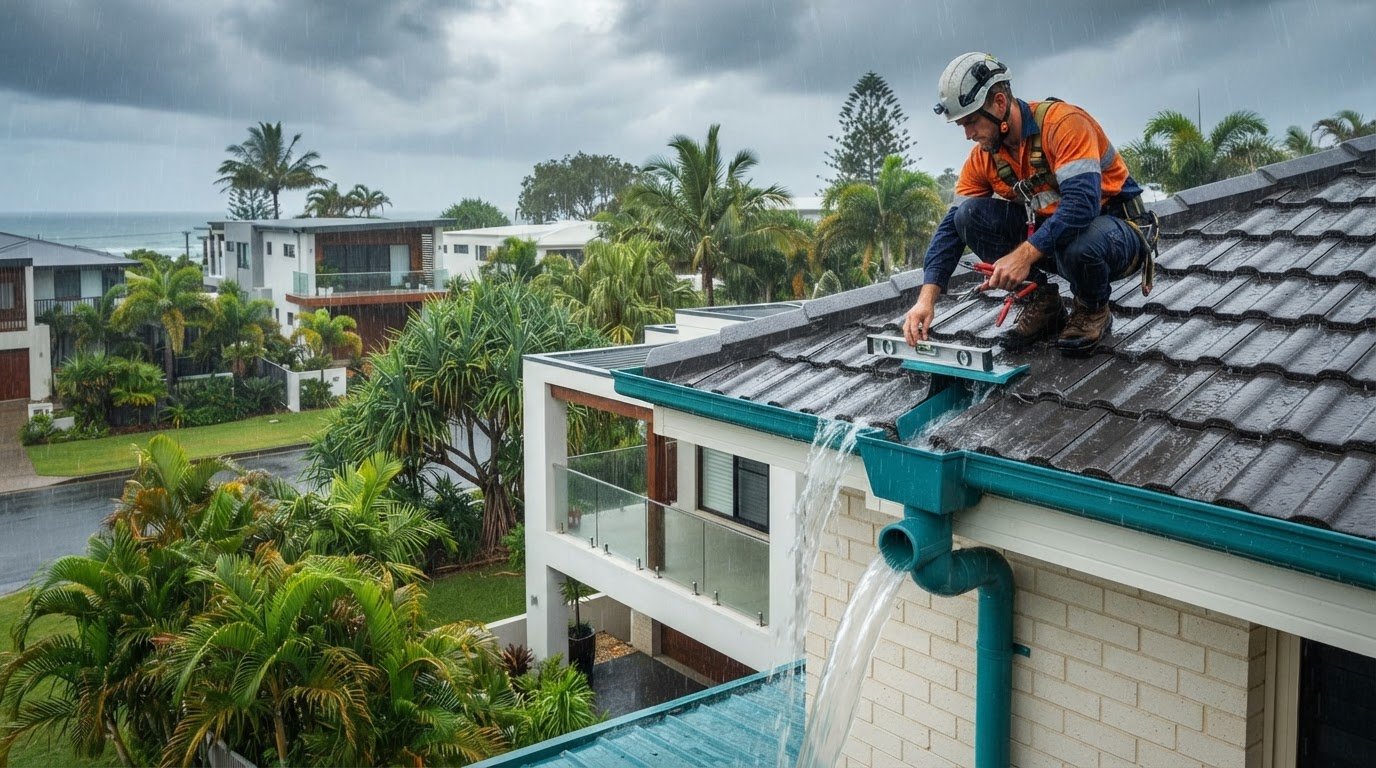
Engaging a licensed roof plumber for your cracked roof tile repair Sydney ensures that the work is carried out by a professional who understands more than just the surface of your roof. While a general handyman might offer a cheaper initial fix, they often lack the technical training required to manage complex water drainage and flashing systems. A roof plumber is a specialist who views your roof as a complete hydraulic system. We don’t just replace a tile; we ensure the integrity of the water course, the security of the bedding, and the functional lifespan of the surrounding materials.
Our methodical approach to roof restoration Sydney homes involves a rigorous assessment of every component. We strictly adhere to the NSW building standards and Australian Standard AS 2050, which governs the installation and maintenance of roof tiles. This compliance is vital for maintaining your home’s structural warranties and ensuring your insurance remains valid. To give you complete peace of mind, we provide documented leak detection and repair reports, showing exactly what was found and how it was resolved with precision.
Specialised Leak Detection in Mainly Beach
Coastal suburbs like Mainly Beach present unique challenges that standard inland repairs don’t always account for. Salt-spray corrosion can degrade metal valleys and flashing much faster than in other parts of Sydney. We use our local expertise to identify how coastal wind patterns and salt exposure affect your specific tile profile. By employing advanced thermal imaging and moisture meters, we can locate “invisible” leaks that have bypassed the tiles and are slowly damaging your internal ceilings. Whether you own a heritage terracotta home or a modern hybrid structure, our solutions are tailored to the specific environmental demands of the Sydney coastline.
Next Steps: Get Your Roof Ready for 2026
Securing your home against the next storm season is a straightforward process. You can book a professional assessment with Roof Plumbing Expert by contacting our team directly. During our visit, we perform a comprehensive walk-through of your roof’s condition, identifying everything from hairline fractures to failing ridge capping. We provide a clear, transparent explanation of the necessary repairs without the jargon or high-pressure sales tactics. Once the assessment is complete, you will receive a detailed plan to restore your home’s first line of defence. A professional cracked roof tile repair Sydney intervention not only prevents expensive structural damage but also significantly preserves the long-term market value of your property.
Protect Your Home Against the Next Sydney Storm Cycle
Sydney’s climate is uncompromising; a small fracture in your roofing can quickly evolve into a significant structural liability. By following the 2026 maintenance checklist and understanding why temporary silicone patches fail, you’ve taken the first step toward long-term property protection. Whether you are dealing with isolated impact damage or require a comprehensive strategy for cracked roof tile repair Sydney, the key is addressing the root cause rather than just the visible symptom.
Our team of fully licensed and insured NSW roof plumbers brings specialised expertise in roof restoration and repointing to every project. We provide expert leak detection for Sydney homes, ensuring that even the most elusive moisture entry points are identified and sealed according to modern Australian Standards. Don’t leave your home’s safety to chance during the next storm season.
Secure your home today with a professional roof inspection from Roof Plumbing Expert.
Taking proactive steps now ensures your roof remains a reliable shield for your family for years to come.
Frequently Asked Questions
How much does it cost to repair a cracked roof tile in Sydney?
Repair costs depend on the tile material and the difficulty of access to the roof. A single tile replacement is generally affordable, but the total investment increases if structural issues like damaged sarking or decayed battens are discovered during the process. We provide transparent assessments to ensure you only pay for necessary work that secures your home’s integrity against the elements.
Can I walk on my tile roof to fix a crack myself?
Walking on a tile roof is dangerous and often causes more damage than it fixes. Tiles, especially older terracotta or concrete ones, become brittle over time and can snap under your weight. Professional roofers use specialised equipment and safety harnesses to distribute their weight properly, preventing further fractures and ensuring the repair meets Australian safety standards for fall protection.
Will my home insurance cover cracked roof tile repairs after a storm?
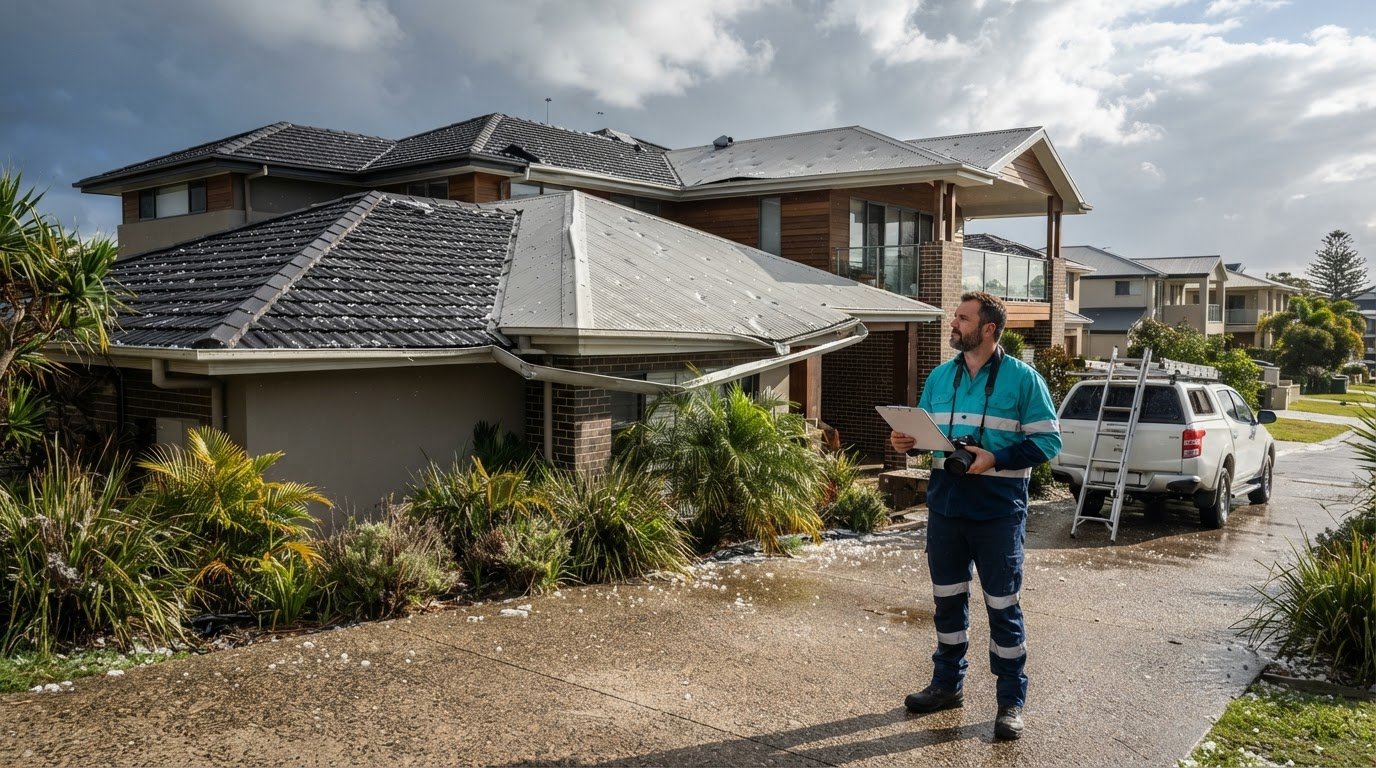
Coverage typically depends on whether the damage was caused by a sudden event or gradual wear and tear. Most policies cover storm-related impact damage, such as a fallen branch or hail, but they often exclude claims resulting from a lack of maintenance. Keeping records of regular inspections and professional repairs can help substantiate your claim during a busy Sydney storm season.
How do I find matching spare tiles for an older Sydney home?
Finding matches for heritage tiles involves identifying the specific profile and manufacturer, which is often stamped on the underside of the tile. Many older Sydney suburbs used unique terracotta designs that are no longer in mass production. We have access to a network of suppliers and salvage yards to source authentic replacements that maintain your home’s aesthetic and structural consistency.
What is the difference between roof bedding and repointing?
Bedding is the thick mortar layer that physically secures the ridge caps to the roof, while repointing is the flexible top layer that seals the joint. Over time, bedding can shrink and crack, leading to loose tiles. Modern flexible pointing is designed to expand and contract with Sydney’s temperature shifts, providing a watertight seal that lasts much longer than traditional cement. For a detailed breakdown of this process, our guide on roof repointing Sydney explains how professional repointing protects your home against the elements.
How long does a professional roof tile repair take?
A standard repair involving the replacement of several cracked tiles usually takes between two to four hours. More complex projects, such as those requiring extensive leak detection or ridge cap work, may take a full day to complete properly. We aim for efficiency to ensure your home is watertight before the next weather event, providing a clear timeline after our initial assessment.
Can a cracked tile cause mould inside my ceiling?
Yes, even a minor crack allows moisture to bypass the tile and soak into your ceiling insulation. This damp environment is the perfect breeding ground for mould and mildew, which can spread rapidly through your roof cavity. Timely cracked roof tile repair Sydney is essential to prevent these internal health hazards and avoid the high cost of professional mould remediation later on.
Should I replace my tile roof with Colorbond if I have too many cracks?
Switching to Colorbond is a viable option if your existing tiles are so brittle that individual repairs are no longer cost-effective. Metal roofing offers superior durability and lower maintenance in the harsh Sydney climate. We can assess your roof’s current condition to determine if a full restoration or a transition to a new Colorbond system is the best long-term investment for your property.