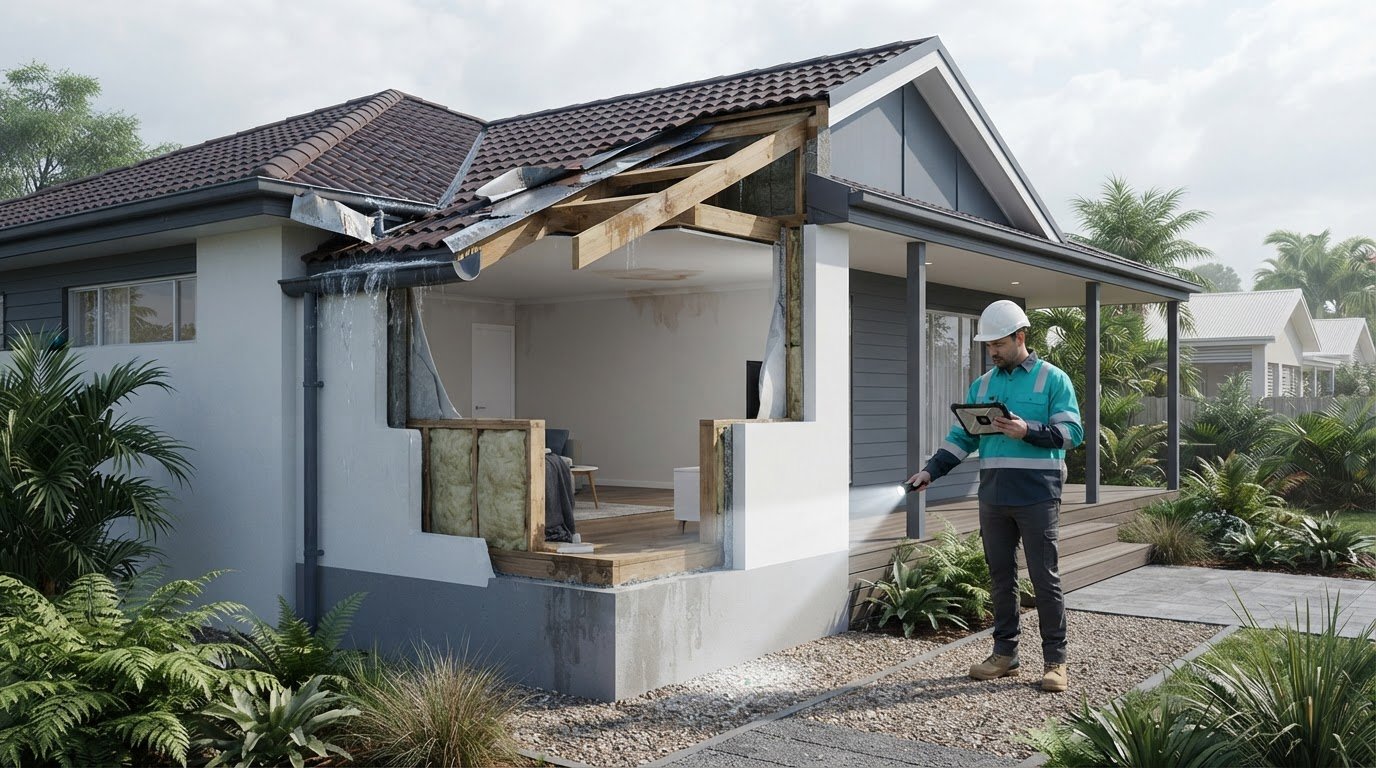
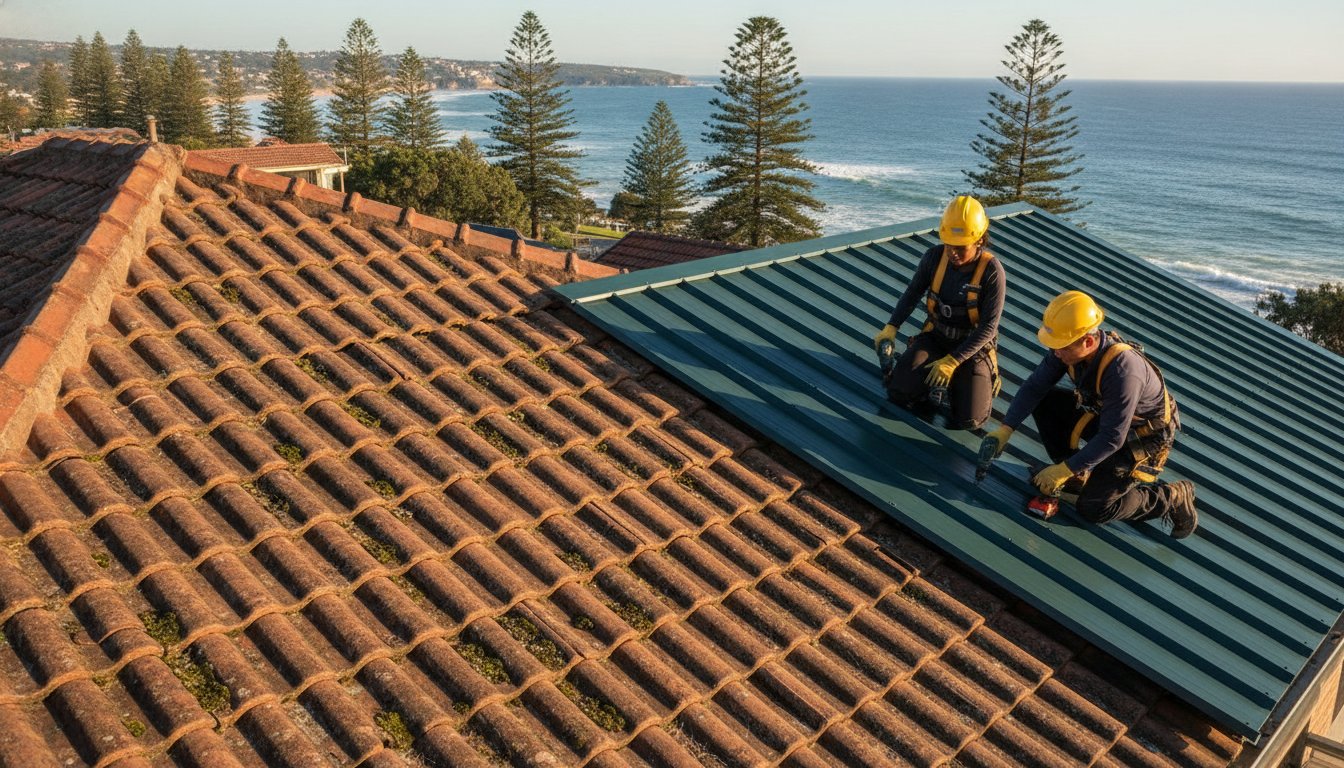
Is your roof actually nearing the end of its life, or are you about to pay for a total replacement you don’t actually need? With the high cost of living across NSW making every major repair feel like a financial gamble, it’s stressful to manage conflicting advice from different tradies. You want to protect your family from the next intense East Coast Low, but you also need to ensure your hard-earned money is working as hard as it can. Most homeowners just want the peace of mind that comes with a dry, secure home without the fear of a surprise leak during the next storm cycle.
Deciding between roof restoration vs replacement NSW in 2026 requires a clear understanding of your home’s structural integrity and the latest National Construction Code standards. We’ve designed this guide to help you make a cost-effective decision that secures a leak-free home for the next 15 years or more. You’ll discover the critical differences between surface-level repairs and structural overhauls, the impact of new 2026 waterproofing regulations, and how the right choice can significantly boost your property’s street appeal and resale value.
Key Takeaways
- Differentiate between surface-level restoration and full structural replacement to ensure you choose the most appropriate solution for your property’s current condition.
- Recognise how the unique NSW climate affects different materials and identify “skin-deep” issues that make your home an ideal candidate for a cost-effective restoration.
- Evaluate the long-term value of roof restoration vs replacement NSW by comparing upfront costs against future returns, such as reduced insurance premiums and increased resale value.
- Assess the structural and aesthetic advantages of upgrading to a lightweight Colorbond system to better protect your home against intense East Coast Low storms.
- Understand why integrated guttering and flashing are essential components of any successful roofing project to prevent water ingress and structural damage.
Understanding the Difference: Roof Restoration vs Replacement
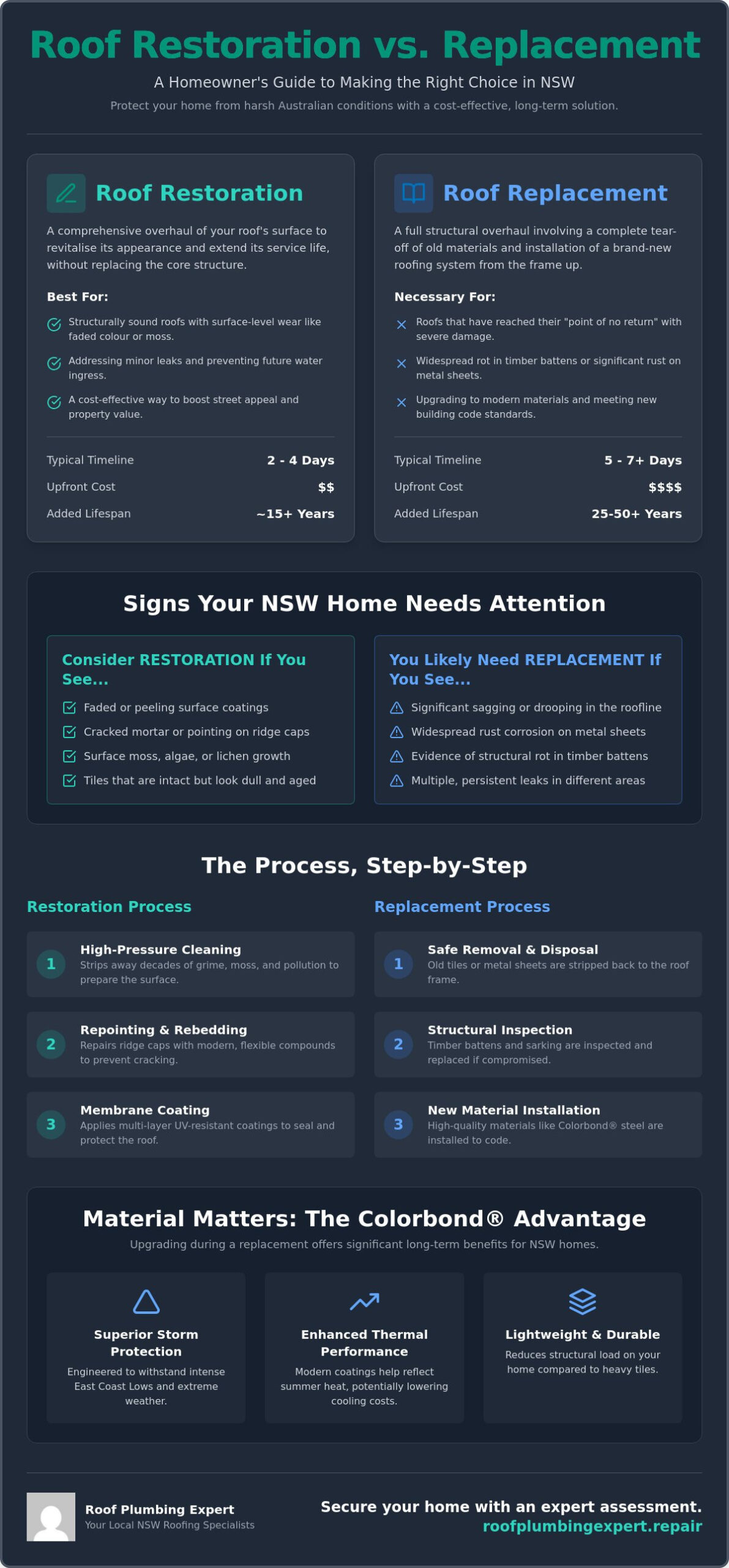
When evaluating what is a roof and how it functions as your home’s primary shield, the choice between restoration and replacement often comes down to the current state of the underlying structure. A restoration is essentially a comprehensive overhaul of the existing surface. It’s designed to revitalise the appearance and extend the service life of materials that are still structurally sound. Conversely, a full replacement involves a complete tear-down. We strip the building back to its frame to install an entirely new water-shedding system from scratch.
The technical differences between these two approaches are significant. A restoration typically takes two to four days and focuses on the external “skin” of the property. It’s a preventative maintenance task that addresses cosmetic wear and minor leaks before they become catastrophic. A replacement is a major capital investment. It requires a larger team, specialised safety scaffolding, and usually takes five to seven days to complete. While a restoration refreshes what you already have, a replacement changes the building’s long-term envelope. This often involves upgrading the property to modern Australian standards for thermal performance and wind loading.
Understanding roof restoration vs replacement NSW means knowing when your roof has reached the “point of no return.” If the internal timber battens are rotting or the metal substrate is riddled with rust, a surface-level restoration is merely a band-aid. However, if the issues are limited to faded coatings and cracked mortar, restoration provides a high-value alternative to the expense of a full rebuild.
What is Involved in a Professional NSW Restoration?
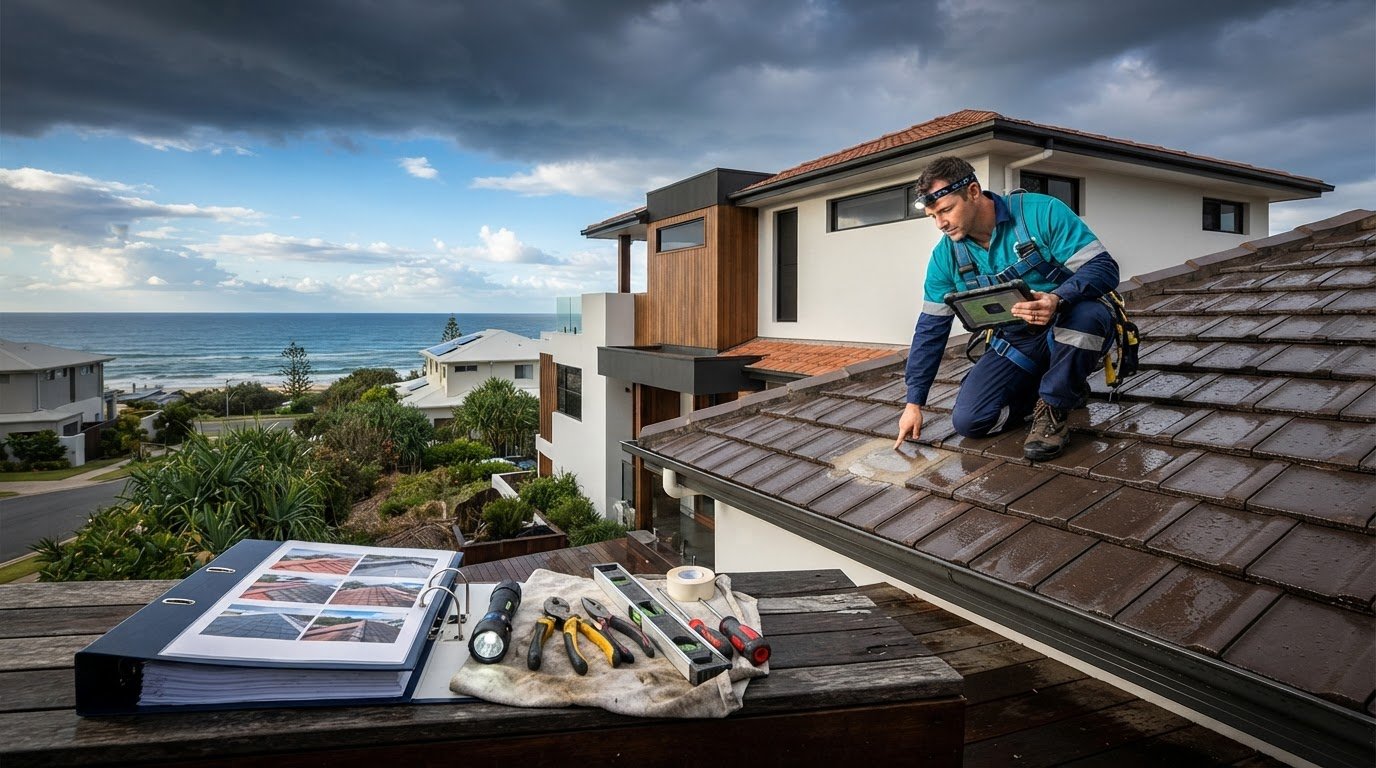
A professional restoration starts with high-pressure cleaning to strip away decades of lichen, moss, and Sydney’s urban pollution. This isn’t just about aesthetics; it’s about preparing the surface for proper bonding. For tile roofs, we focus heavily on the ridge caps. This involves repointing and rebedding using modern flexible compounds that won’t crack under the harsh Australian sun. Before committing to a full restoration, it’s worth understanding the roof repointing cost NSW homeowners should budget for in 2026, as this work forms a critical part of the overall process. Finally, we apply specialised membrane coatings. These multi-layer systems provide a UV-resistant barrier and seal the surface against water ingress, effectively resetting the clock on your roof’s lifespan.
The Full Roof Replacement Process Explained
When a roof reaches the end of its functional life, a full replacement is the only viable path to long-term security. The process begins with the safe removal and disposal of old tiles or rusted metal sheets. Once the structure is bare, we inspect the internal roof sarking and battens. If the timber is compromised, we reinforce or replace these components to ensure a level, sturdy base. We then install new high-quality materials, such as Colorbond steel, which offers modern durability. This process ensures every component, from the fasteners to the valleys, is brand new and fully compliant with the latest building codes.
Looking at how professional contractors like Transition Roofing handle complex replacements and flat-roofing installations can offer a useful benchmark for the quality and precision required in any major roofing project.
Signs Your NSW Home Needs Urgent Attention
The NSW climate is notoriously harsh on residential building materials. Between the scorching summer UV rays that bake your roof and the torrential rain delivered by intense East Coast Lows, your home’s primary shield takes a beating every single year. In coastal suburbs like Mainly Beach, the salt air acts as a silent corrosive agent. It accelerates oxidation on metal substrates and strips the protective glaze from concrete tiles far faster than in inland regions. Understanding the specific signs of wear helps you decide on roof restoration vs replacement NSW before a minor drip becomes a major internal disaster.
Identifying “skin-deep” issues is the first step in protecting your property’s value. Many homeowners mistake surface grime, lichen, or faded paint for total structural failure. If your tiles are intact but look dull, or if you notice moss growth in the water channels, you’re likely looking at a prime candidate for restoration. It is vital to distinguish between surface mould and structural rot. Surface mould is a maintenance issue; structural rot in the timber suggests a much deeper problem. Ignoring these early warning signs allows water to seep into porous materials, which eventually compromises the entire roof cavity.
When Restoration is the Smart Choice
Restoration is a highly effective solution when the core materials are still functional. If your tiles are structurally sound but have lost their protective glaze, a professional re-coating can reset their lifespan. You might notice your ridge capping is crumbling or the mortar is falling away, yet the underlying timber remains dry and sturdy. These are isolated issues. Addressing them through repointing and minor repairs is proactive and cost-effective. If you suspect your roof has reached this stage, getting a professional leak detection and repair assessment can confirm if a restoration will suffice.
When Only a Full Replacement Will Suffice
Some red flags indicate that a restoration would simply be a waste of your money. For older metal roofs, look closely for “pinhole” rusting. Once oxidation creates tiny holes through the sheets, patching is no longer a viable long-term fix. On tile roofs, a sagging roof line is a definitive warning sign of structural timber failure or water-logged battens that can no longer support the weight. If you’re dealing with frequent, recurring leaks in multiple rooms despite previous repair attempts, the entire system has likely reached its end of life. In these scenarios, the internal water-shedding components have failed, and a full replacement is the only way to ensure a dry home for the next 15 years. Business owners facing similar persistent metal roof failures should consult a guide to commercial metal roof repair in Sydney to understand the structural liabilities involved.
The Value Equation: Cost, Longevity, and ROI
Choosing between roof restoration vs replacement NSW is a calculation of immediate cash flow versus long-term asset protection. A restoration is a high-impact maintenance task that preserves your capital while refreshing your home’s exterior. A full replacement is a structural upgrade that resets your property’s depreciation schedule. Beyond the initial trade invoice, you should consider the impact on your home insurance premiums. Many NSW insurers offer reduced rates for properties with new roofing systems. They view a modern installation as a significantly lower risk for water damage claims during the severe storm seasons that frequently impact the East Coast.
A professional restoration typically adds 10 to 15 years to your roof’s life, whereas a new Colorbond installation provides a robust 30 to 50-year lifecycle. This difference in longevity is a primary factor for homeowners planning to stay in their property for the long haul. If you intend to sell within the next few years, a restoration provides the aesthetic “pop” needed to attract buyers without the heavy capital outlay of a full rebuild. It allows you to address the cosmetic wear mentioned previously while keeping your budget focused on other internal renovations.
Thermal efficiency is another critical part of the value equation. Modern materials and high-quality sarking play a massive role in reducing Sydney cooling costs. During a full replacement, you have the opportunity to install advanced insulation layers that reflect heat before it enters your ceiling cavity. This improved thermal performance is a major selling point in competitive markets like Mainly Beach. Buyers in these areas prioritise energy-efficient homes that can withstand the coastal heat without relying solely on expensive air conditioning.
Longevity Expectations for NSW Homeowners
A professional restoration in Australian conditions relies heavily on the quality of the membrane coatings used. These coatings must withstand intense UV radiation and rapid temperature shifts. While restoration adds a decade or more of life, a Colorbond roof is a “set and forget” solution for up to half a century. To keep warranties valid for either option, you must perform basic maintenance. This includes keeping gutters clear of debris and ensuring downpipes are free-flowing to prevent water from backing up under the eaves.
Investment and Resale Considerations
Street appeal is often the primary driver for homeowners choosing restoration. It transforms a tired, faded roof into a standout feature of the street. However, a total replacement provides a “blank slate” for future technology. If you are considering solar installations, a new metal roof provides the most secure and accessible platform for mounting panels. For those looking to refresh their home’s appearance without a full rebuild, reading a Professional Roof Restoration Sydney: A Complete Guide can provide clarity on the specific steps involved in the process.
Material Matters: Transitioning to Colorbond Roofing
While a restoration keeps your existing materials, a full replacement offers the opportunity to switch substrates entirely. A major trend in the roof restoration vs replacement NSW market is the transition from heavy concrete or terracotta tiles to Colorbond steel. This choice isn’t just about modern looks; it’s a structural decision. Standard tile roofs can weigh up to 60 kilograms per square metre when wet. In contrast, metal roofing weighs approximately 5 kilograms per square metre. This massive weight reduction relieves the stress on your home’s timber rafters and foundations. For older properties in Mainly Beach, this lightens the load on structural components that have likely shifted or settled over several decades. This emphasis on structural safety is a priority for any major build, much like the precision offered by Global Engineering Office in their multidisciplinary engineering and design services.
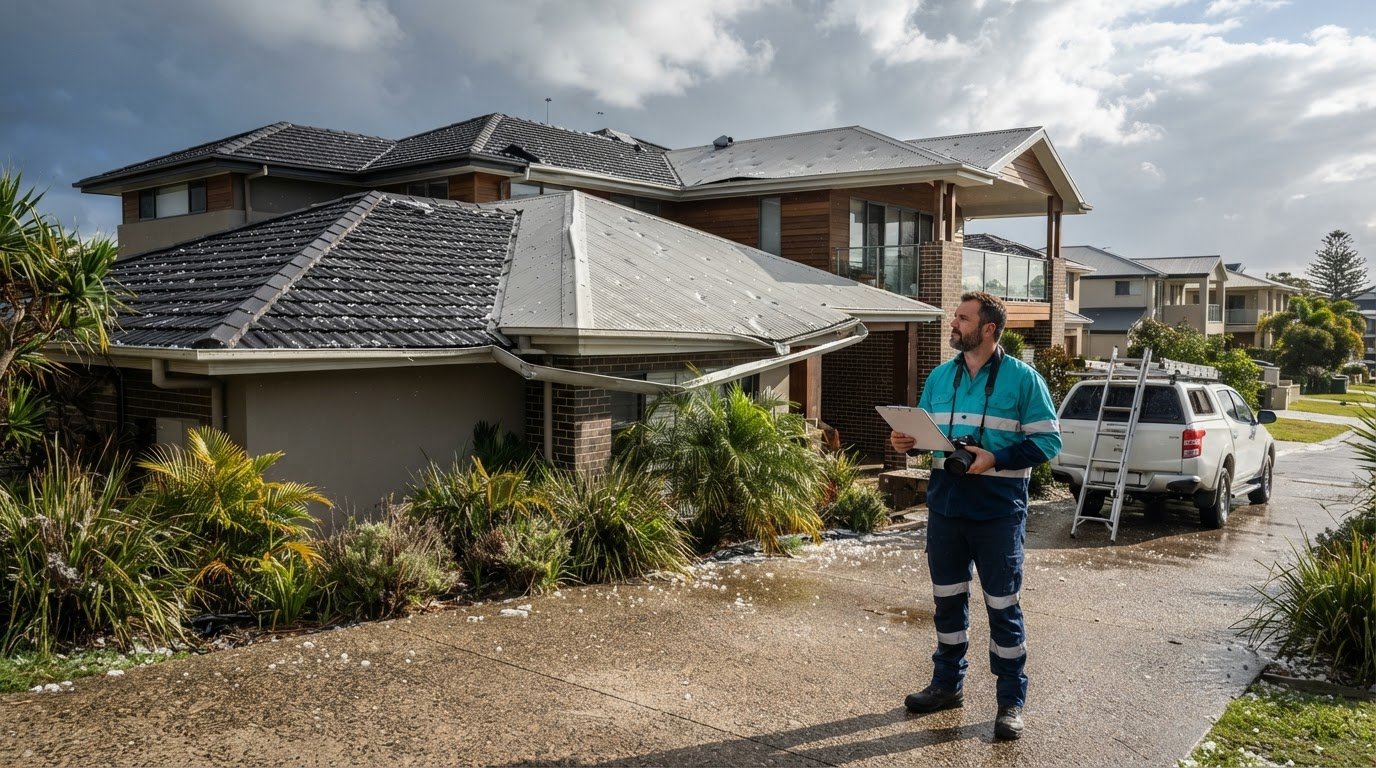
Performance in extreme weather is where this material conversion shows its true value. NSW experiences increasingly volatile storm seasons, often involving large hail. While old tiles can shatter or crack under impact, leading to immediate internal damage, metal sheets are highly resilient. They might sustain minor dents in extreme conditions, but they maintain their watertight integrity. For homes bordering bushland, Colorbond provides superior Bushfire Attack Level (BAL) ratings. It prevents embers from entering the roof cavity through the gaps often found in weathered tile ridges.
The Benefits of a Tile-to-Metal Conversion
Converting to a metal system removes the need for ongoing ridge cap maintenance and the frequent replacement of cracked tiles. Metal sheets provide a continuous, secure barrier. This design significantly improves water run-off speeds. Faster drainage reduces the risk of water pooling and lowers the pressure on your guttering system during intense downpours. The sleek appearance also updates the look of traditional Sydney cottages. It provides a contemporary edge that increases marketability and appeals to modern buyers looking for a low-maintenance home.
Choosing the Right Finish for Coastal NSW
If your property is within 200 metres of the ocean, standard metal grades won’t provide the necessary protection. The salt air in Mainly Beach is aggressive and can cause premature oxidation. We recommend using specialised grades like Colorbond Ultra, which is specifically engineered for marine environments. You should also consider “Cool Roof” technology finishes. These reflect more solar heat, keeping your living spaces cooler during the peak of summer. To ensure total waterproofing, your new roof plumbing must be integrated correctly. If you’re ready to upgrade your home’s protection, you can get a professional quote for Colorbond roofing to see how this transition could work for you.
The Roof Plumbing Factor: Gutters, Downpipes, and Flashing
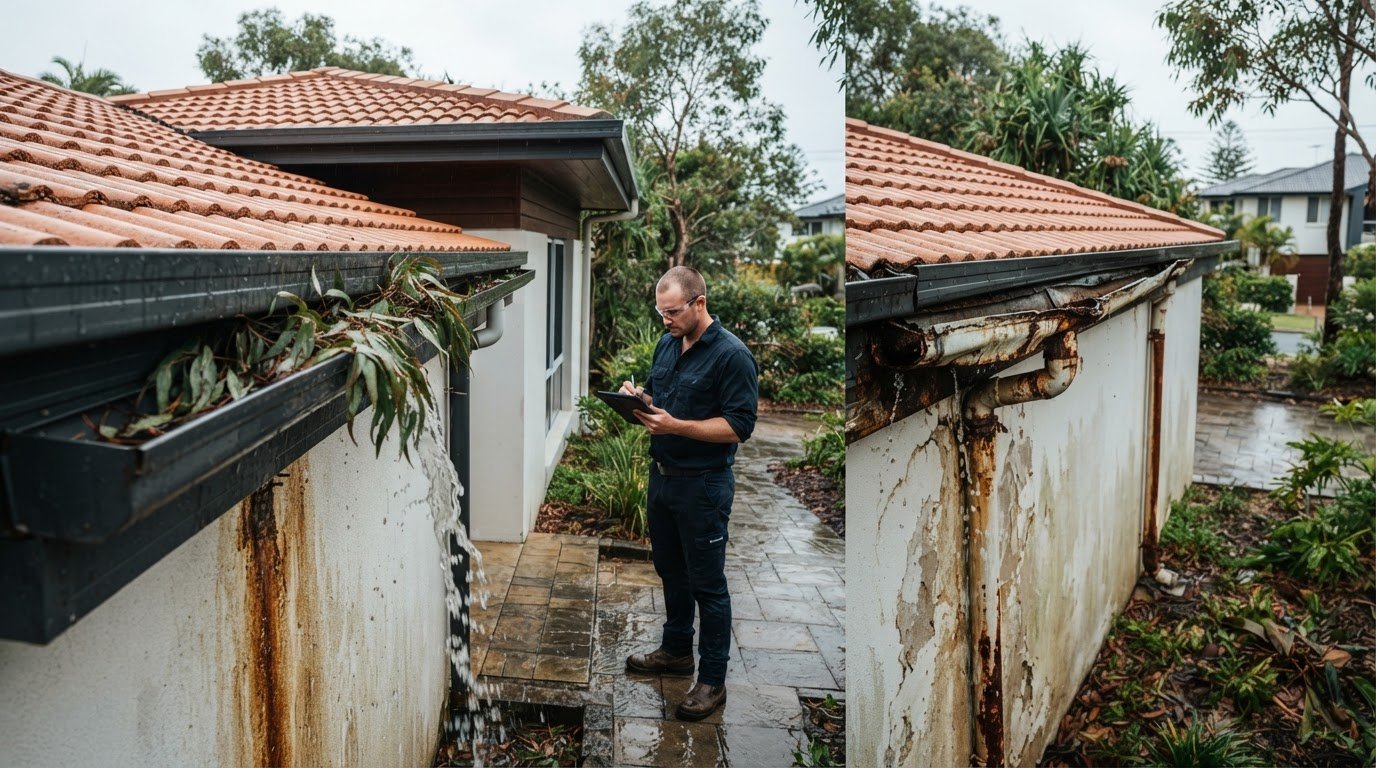
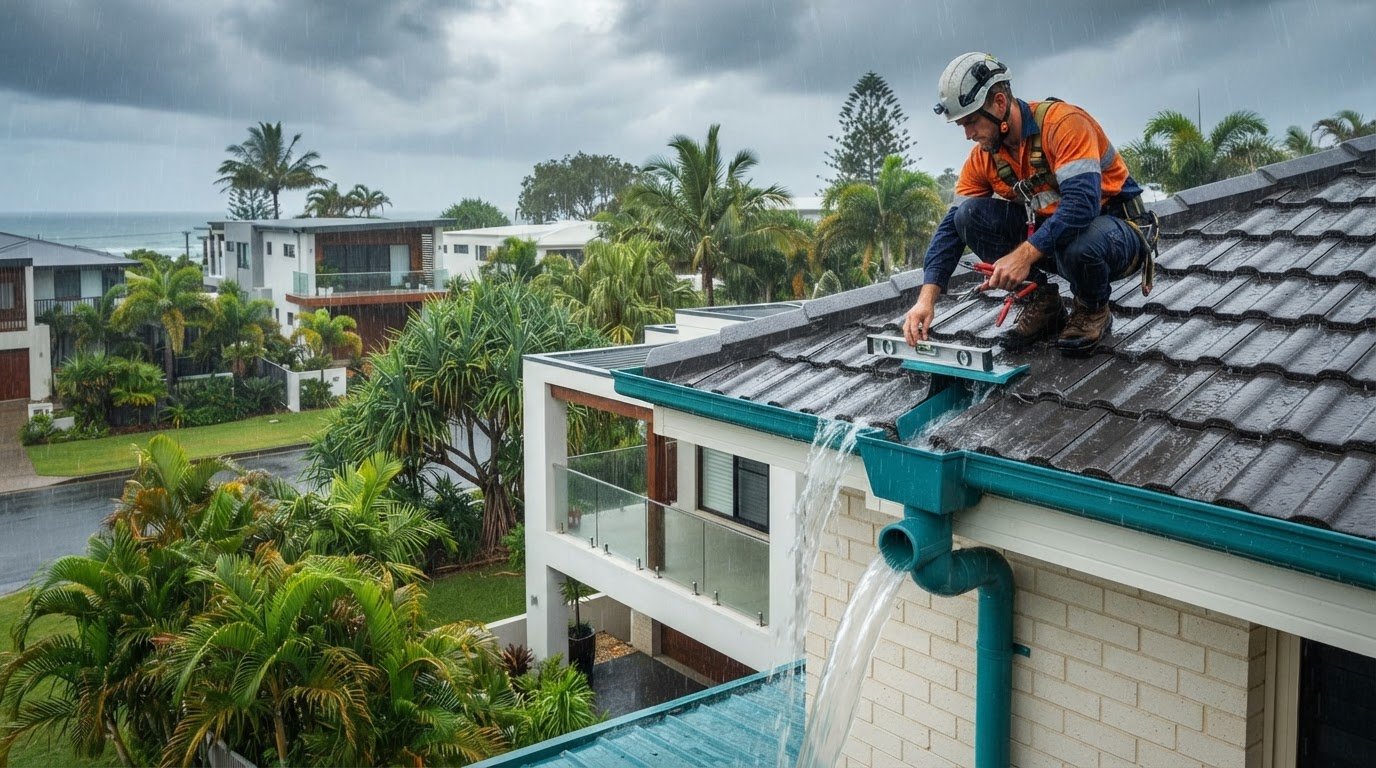
A roof is only as effective as the drainage system that supports it. When weighing up roof restoration vs replacement NSW, many homeowners overlook the critical plumbing components that actually direct water away from the structure. It’s a common mistake to assume a leak is caused by a failed tile or metal sheet when it’s actually due to a blocked gutter or poorly positioned downpipe. If your gutters are undersized, even the most expensive restoration won’t stop water from backing up into your eaves during a heavy Sydney downpour. This “back-flow” often mimics a roof leak, leading to unnecessary stress and potentially incorrect repair decisions.
The placement and capacity of your downpipes impact the hydraulic pressure on your entire roofing system. If water cannot escape fast enough, it pools in the valleys and overflows the gutter bead, which can rot out your fascia boards over time. This is why we treat the roof and its plumbing as a single, integrated water-shedding unit. Addressing these “hidden” plumbing issues is a mandatory step in ensuring your investment lasts for the next 15 to 50 years. The same principle applies at scale for commercial properties, where the consequences of inadequate drainage are even more severe — a point explored in depth in this specialist guide to commercial metal roof repair Sydney businesses rely on to protect their operations.
Ensuring Your Drainage System is Up to Task
We always recommend a full gutter audit alongside any major roof work. There is a direct relationship between your roof pitch, the material used, and the required gutter capacity. For example, the faster water run-off from a new Colorbond roof requires a more robust drainage solution than an old, porous tile roof. If you’re considering an upgrade, our Expert Gutter and Downpipe Installation NSW guide explains how to match your drainage capacity to your home’s specific footprint. Properly sized gutters prevent the overflow issues that are so common during intense East Coast Low storms.
The Critical Role of Roof Flashing
Flashing is frequently the primary cause of “mystery leaks” in Sydney homes. These metal transitions are installed around chimneys, skylights, and in the roof valleys to bridge the gaps where different surfaces meet. During the restoration vs replacement debate, you must inspect the condition of your flashing. Many older NSW properties still rely on lead flashing, which can perish or pull away from the masonry over several decades. We focus on replacing these dated materials with modern, durable alternatives that provide a superior watertight seal. Ensuring these penetration points are secure is the only way to guarantee a leak-free home, regardless of whether you choose to restore or replace the main roof surface.
Protecting Your Property for the Decades Ahead
Choosing between roof restoration vs replacement NSW is a decision that impacts your home’s safety and your long-term financial peace of mind. Just as you protect your home’s exterior, you can explore Grab Bar Installation to enhance internal safety and accessibility. A professional restoration excels at refreshing a sound structure, while a full material conversion to Colorbond provides a definitive solution to recurring leaks and high maintenance costs. It’s vital to remember that your roof is a complete system. Even the best surface work will fail without functional flashing and high-capacity guttering to manage the intense rainfall typical of the Sydney region.
Don’t leave your home’s protection to chance or conflicting advice. As specialists in Colorbond and roof plumbing with deep local expertise across Manly Beach and Sydney, we provide the clarity you need to make an informed choice. Our team offers comprehensive leak detection and repair services to identify the root cause of your concerns and recommend the most cost-effective path forward. Book a Professional Roof Audit with Roof Plumbing Expert today to ensure your property remains dry and secure. Your home deserves a specialist who understands the unique demands of the NSW climate.
Frequently Asked Questions
Is roof restoration just a cosmetic paint job?
A professional restoration is a comprehensive structural maintenance process that goes far beyond aesthetics. It involves high-pressure cleaning to remove lichen, the replacement of any damaged tiles, and the structural repointing of ridge caps using modern flexible compounds. The final membrane coating acts as a functional waterproof barrier that protects the substrate from UV damage and moisture. While it certainly improves street appeal, its primary purpose is to extend the service life of your existing materials and prevent leaks.
How much cheaper is a roof restoration compared to a full replacement in NSW?
Restoration is generally a fraction of the cost of a total replacement because it utilises your existing structural components and materials. Since the process doesn’t require stripping the building back to the battens or the heavy fees associated with large-scale waste disposal, the labour and material requirements are much lower. Homeowners often find that restoration is the most cost-effective way to secure their property for another decade without the capital intensity of a full rebuild.
Can I change from a tile roof to a Colorbond roof during replacement?
Transitioning from tiles to Colorbond is a very common choice during a full replacement. This material conversion involves removing the old tiles and installing lightweight metal sheets, which significantly reduces the load on your home’s timber frame. Because metal roofing requires different tie-down methods and batten spacing, our team ensures the internal structure is reinforced to meet current Australian Standards for wind loading and safety before the new sheets are secured.
How long does a typical roof restoration take to complete?
A standard restoration typically takes between two and four days to complete, depending on the weather and the size of your property. This timeframe includes the initial cleaning, structural repairs, and the application of multiple coating layers that require specific drying times. Unlike a replacement, which can take a week or more and requires extensive scaffolding, a restoration is relatively non-intrusive and allows you to remain in the home comfortably throughout the process.
Will a roof restoration stop all my current leaks?
Restoration will resolve leaks caused by cracked tiles, porous surfaces, or failed ridge capping. However, if your leaks stem from structural issues, rotted battens, or failed internal sarking, a surface restoration won’t provide a permanent fix. We always perform a thorough inspection to determine the source of water ingress before recommending roof restoration vs replacement NSW to ensure you aren’t just applying a temporary band-aid to a deeper structural problem.
Do I need council approval for a roof replacement in Sydney?
Most “like-for-like” roof replacements are considered exempt development and don’t require formal council approval. However, if you’re changing materials, such as moving from tiles to metal, or if your home is in a heritage conservation area, you may need to lodge a Development Application (DA) or comply with specific local planning rules. It’s best to check with your local Sydney council to ensure your project meets all legal requirements before work begins.
What happens if I ignore a roof that needs restoration?
Neglecting a roof that requires maintenance leads to a rapid decline in structural integrity. Once the protective glaze on your tiles fails, they become porous and heavy, which puts unnecessary stress on your timber frame. Small cracks in the mortar eventually allow water to reach your ceiling insulation and electrical wiring. What could’ve been a straightforward restoration often escalates into an expensive full replacement if moisture is allowed to rot the internal battens over several seasons. To avoid being caught off guard by escalating costs, reviewing a detailed roof repointing cost NSW price guide can help you budget accurately before minor mortar issues become a major structural problem.
Can I restore a roof that has asbestos tiles?
No, asbestos roofing materials cannot be restored or high-pressure cleaned due to strict health and safety regulations in NSW. Cleaning asbestos tiles releases dangerous fibres into the air, which is illegal and hazardous to your family and the community. If your home has asbestos materials, a full replacement is the only safe and legal option. We coordinate the removal of hazardous materials according to current WHS standards before installing a modern, safe roofing system.