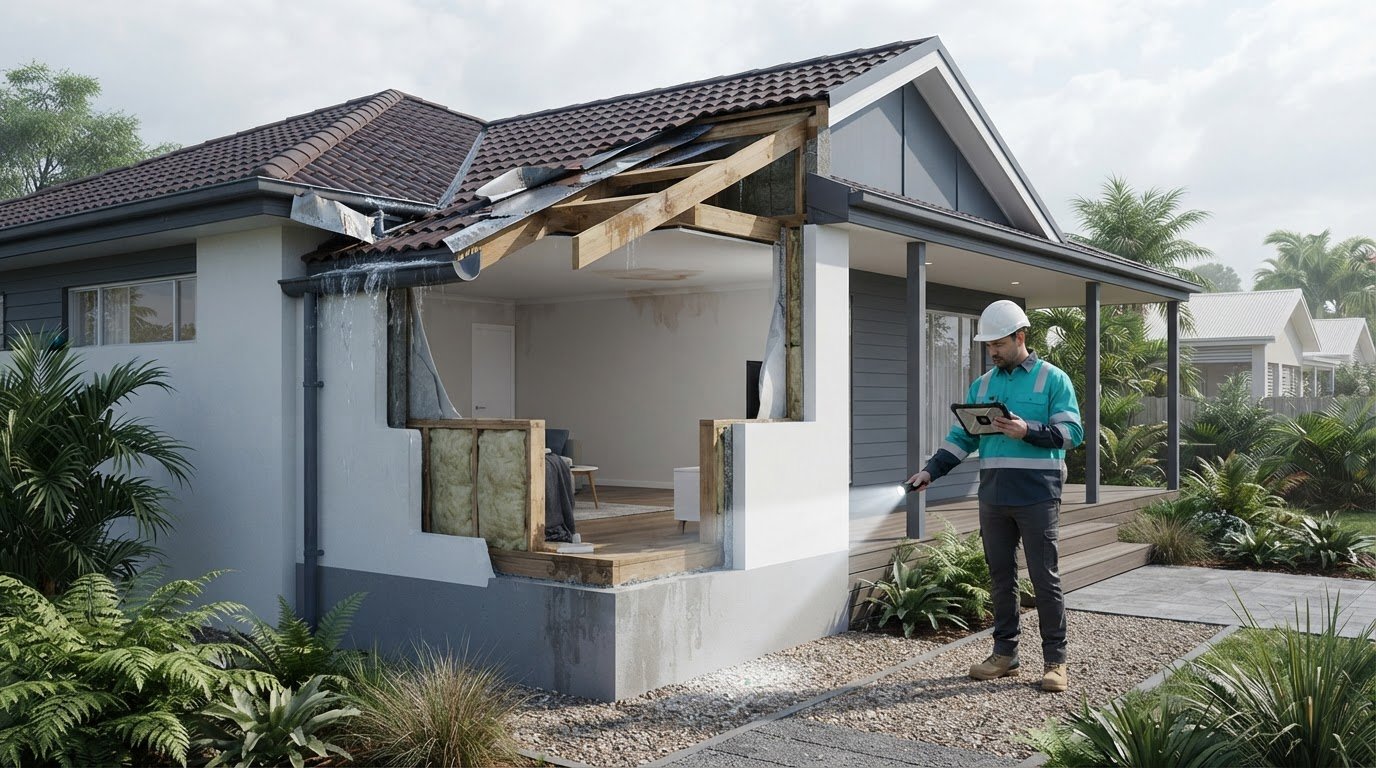
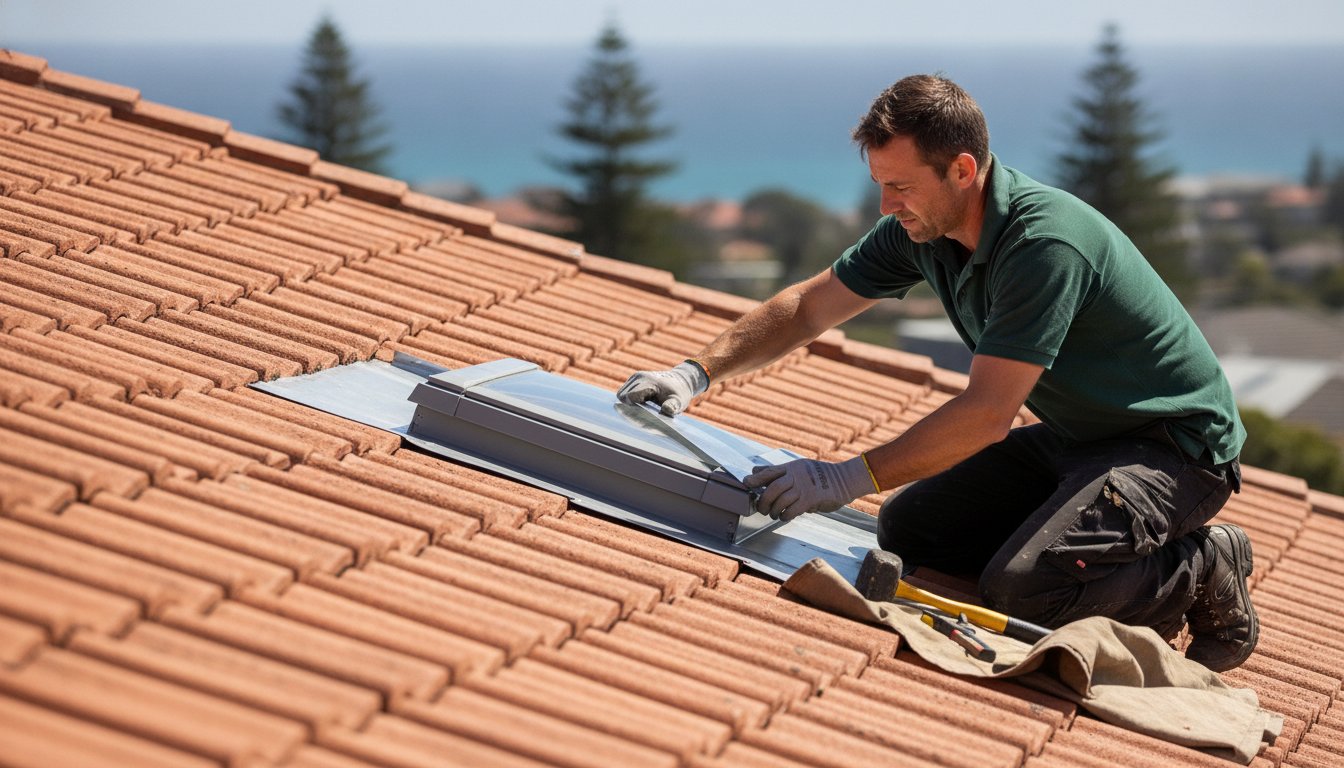
Why does your skylight continue to drip even after you’ve applied layers of hardware-store sealant? It’s incredibly frustrating to watch a recurring leak damage your ceiling and spark fears of hidden mould growth, especially when you’ve already tried to fix it yourself. You aren’t alone in your confusion over whether you need a minor repair or a total replacement. Effective skylight waterproofing Sydney requires more than just a quick patch; it demands a systems-based approach that addresses the flashing, drainage, and structural integrity of the unit.
This guide will show you the professional steps needed to achieve a permanent, watertight seal and protect your home from expensive structural repairs. We’ll break down the technical causes of common leaks, explain when a repair is viable, and help you identify what to look for in a reliable local tradie. By understanding the mechanics of a leak-free roof, you can finally gain the peace of mind that your home is protected against the next heavy Sydney downpour.
Key Takeaways
- Learn how Sydney’s unique weather patterns, from intense UV rays to East Coast Lows, test the limits of your roof’s seals.
- Identify common leak sources by inspecting apron flashing and clearing debris from side channels to prevent water ingress.
- Understand why professional skylight waterproofing Sydney focuses on structural flashing replacement rather than temporary silicone patches.
- Master the deconstruction process for removing failed sealants and preparing the area for a permanent, watertight repair.
- Recognise when to engage a licensed roof plumber to manage height safety risks and protect your property’s structural warranty.
Understanding Skylight Waterproofing in the Sydney Climate
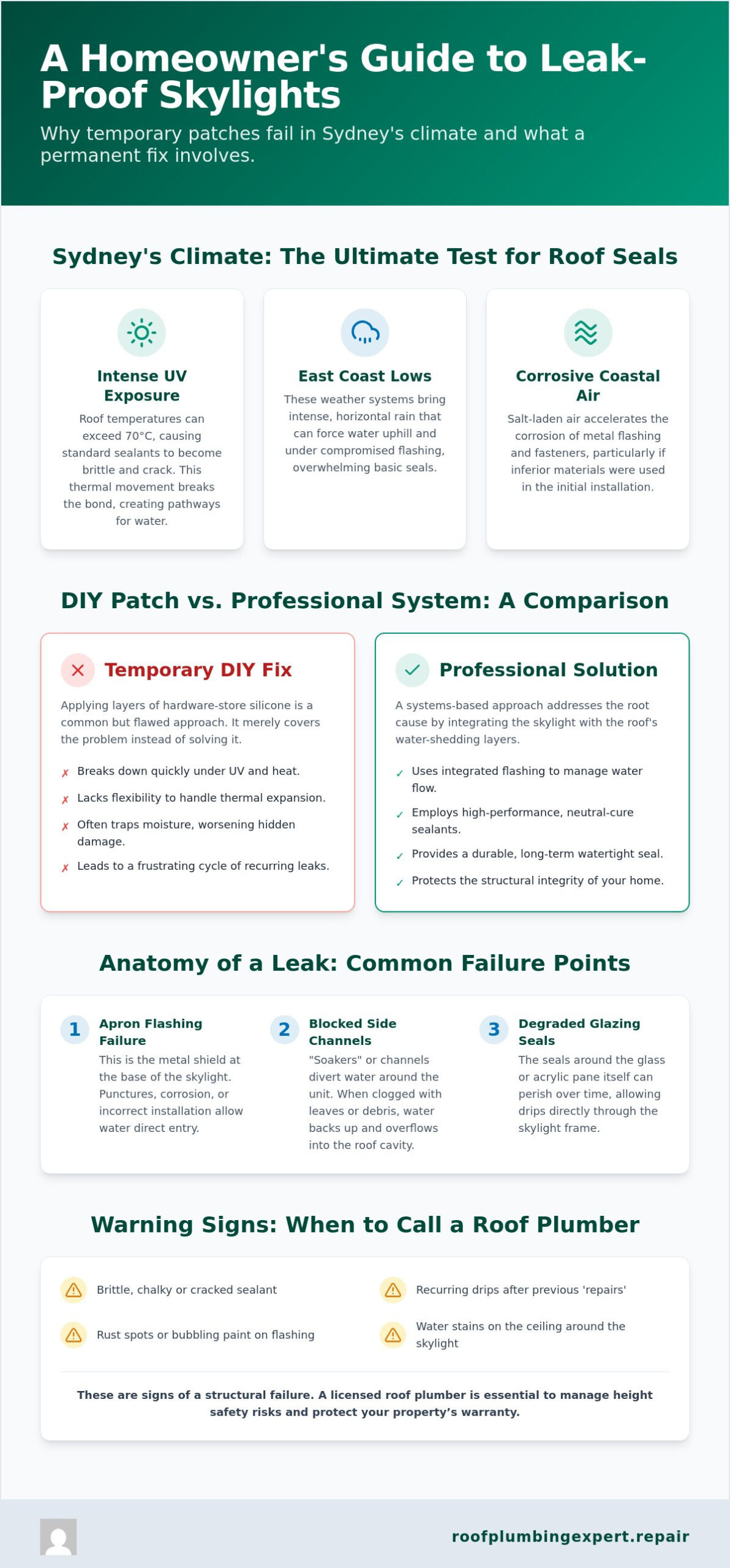
Sydney’s climate serves as a brutal proving ground for roof penetrations. While a well-placed skylight offers exceptional natural light, it creates a deliberate break in your roof’s protective barrier. During an East Coast Low, our city faces intense barometric shifts and horizontal rain that searches for the smallest vulnerability in your flashing. This is why effective skylight waterproofing Sydney requires a technical, systems-based approach rather than a quick fix from a local hardware store. Many DIY attempts fail because they treat the visible drip as an isolated event rather than a symptom of structural failure.
The Impact of Intense UV on Roof Seals
The sun acts as a silent destroyer for standard roof sealants. During a typical January heatwave, temperatures on a dark metal roof often exceed 70 degrees Celsius. This extreme heat causes the skylight frame to expand and contract significantly throughout the day. If you’ve used a standard silicone that lacks high-performance elasticity, the bond will eventually snap under the pressure. You can identify sun-baked seals by their brittle, chalky texture or the appearance of fine hairline cracks. Once the seal loses its essential flexibility, it can no longer bridge the gap created by thermal movement, leading to inevitable leaks during the next seasonal downpour.
Coastal Weather Factors in NSW
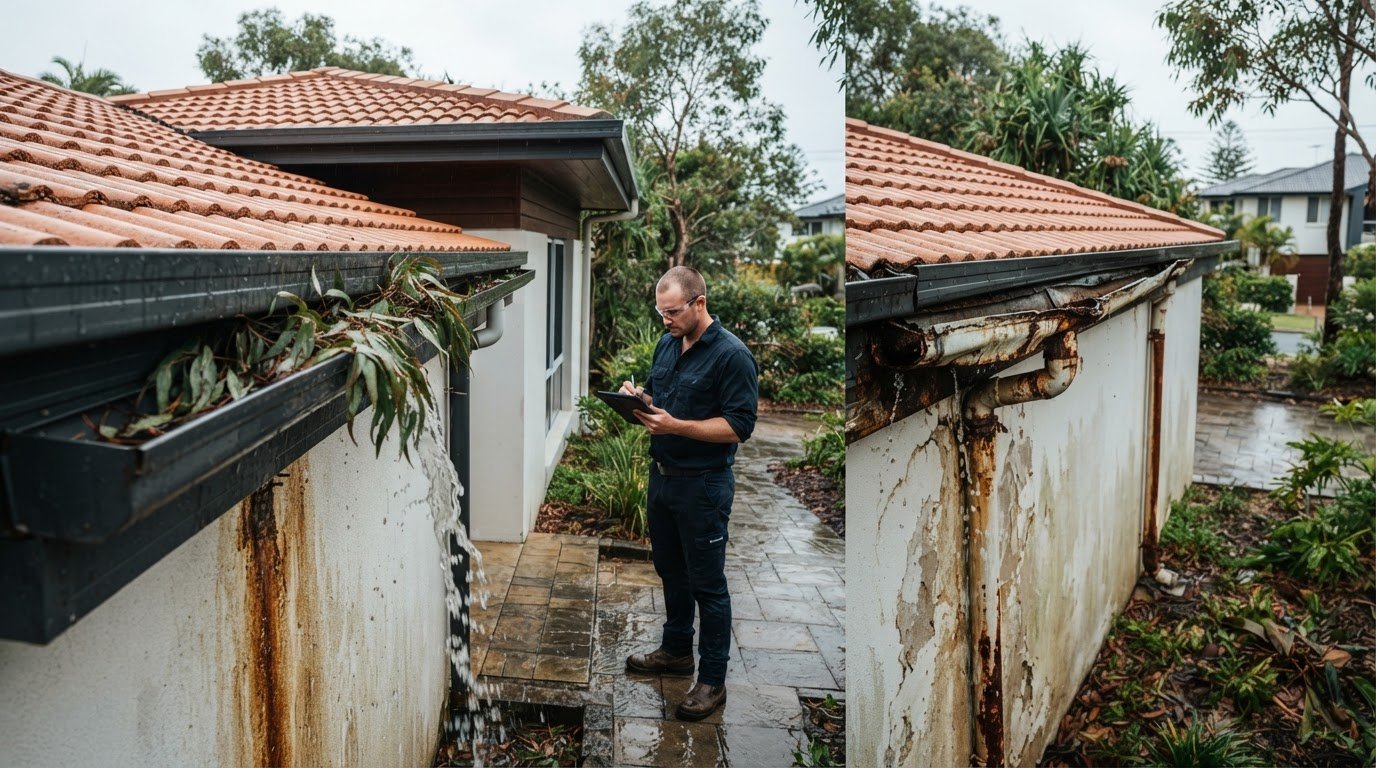
If you live in a coastal suburb like Mainly Beach, your roof faces the added challenge of salt-laden air. Salt spray accelerates the corrosion of metal components, particularly if inferior aluminium or lead materials were used during the initial installation. High-wind events are another major concern for homeowners in these areas. Strong gusts can force water “uphill,” pushing moisture under poorly designed waterproofing barriers and directly into your ceiling cavity. Without high-capacity drainage channels and professionally installed soakers, even a minor buildup of leaf debris can cause a water backup that results in a significant internal leak.
Professional skylight waterproofing Sydney involves a clear distinction between surface-level sealing and structural waterproofing. A surface seal is merely a temporary patch that sits on top of the problem. True structural waterproofing involves integrated layers that manage water flow and direct it safely away from the opening. For a broader understanding of how these principles apply across your entire roof, our comprehensive guide to roof waterproofing Sydney covers the full range of membrane systems and drainage strategies suited to our coastal climate. This methodical process ensures that your home remains dry even when the next major storm hits the coast. Relying on a durable, technical solution is the only way to avoid the cycle of recurring leaks and the subsequent threat of ceiling mould growth.
Identifying Common Skylight Leak Points: The Waterproofing Audit
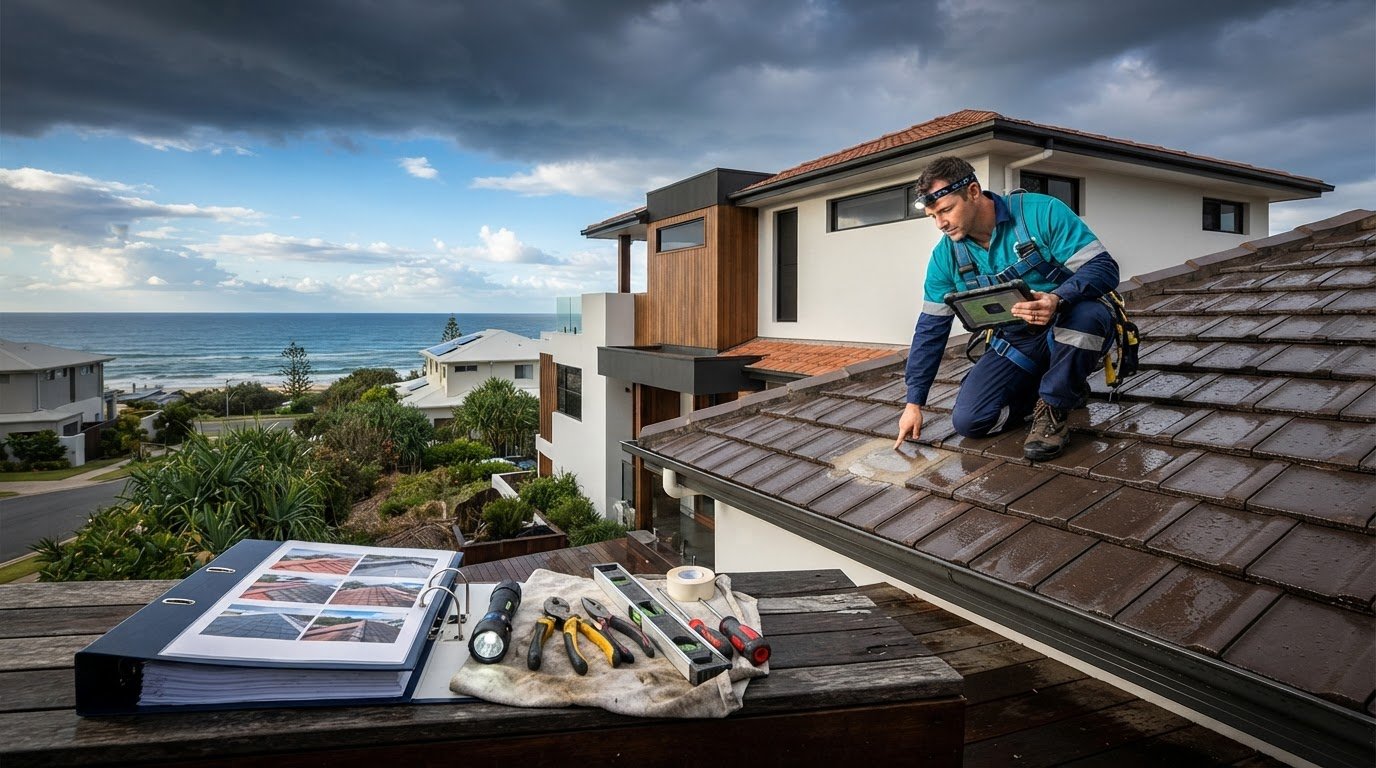
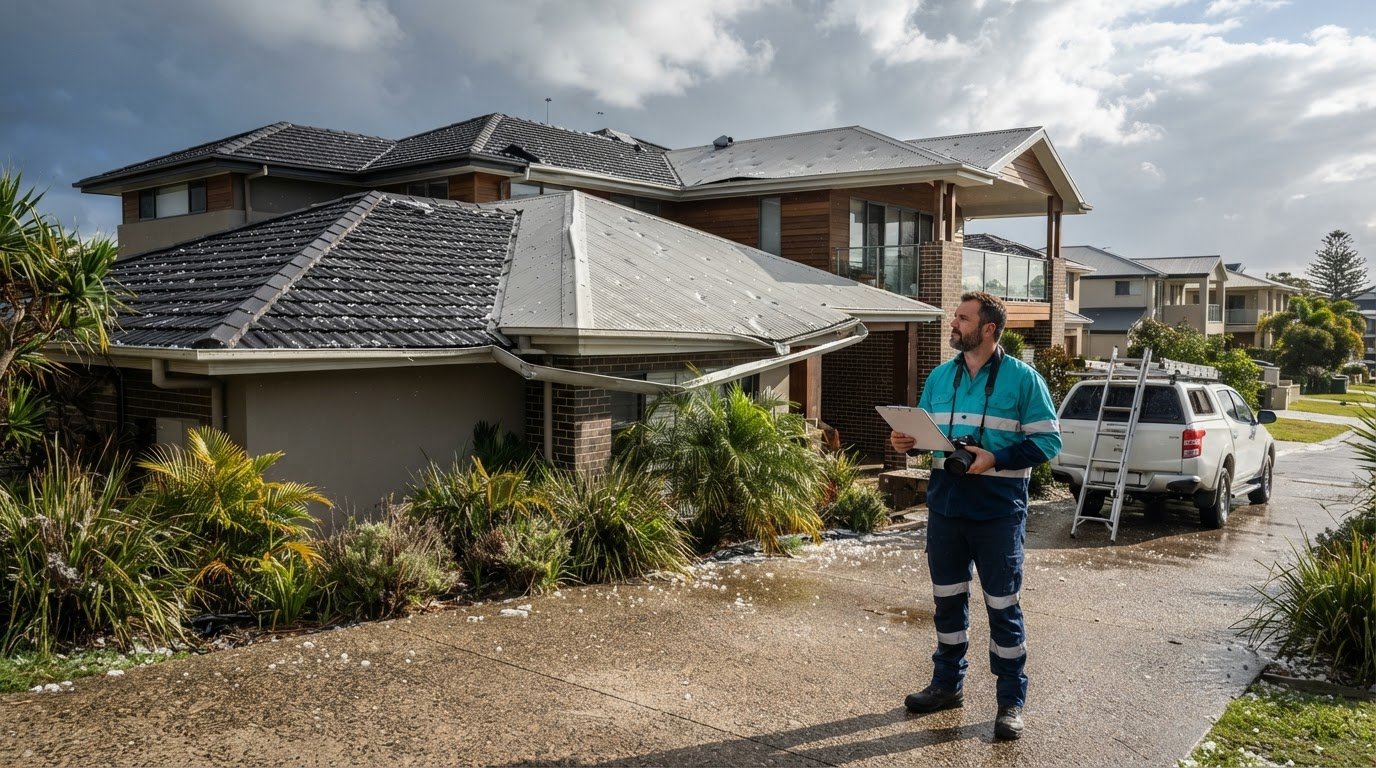
Before you climb onto your roof, you must understand that diagnosing a leak is often more complex than the repair itself. A proper audit identifies whether water is entering through the glazing, the flashing, or if you are simply dealing with internal condensation. For many Sydney homeowners, what looks like a leak is actually moisture trapped inside the frame because of poor ventilation. However, if you see active dripping during a storm, it is a clear sign that your skylight waterproofing Sydney system has failed. Start your inspection by examining the apron flashing at the bottom of the unit. Small pinholes or physical damage from hailstones can allow water to seep directly into the roof cavity.
The Skylight Industry Association emphasises the importance of using tested products that meet Australian Standard AS 4285. One often overlooked area is the side channels, or soakers. These channels are designed to divert water around the skylight unit. If they become clogged with leaf litter or debris, the water will back up and overflow the internal gutters of the skylight frame. Checking these channels regularly is a simple but vital part of your home maintenance routine. If you notice persistent dampness but can’t find the source, a professional roof leak detection service can pinpoint exactly where the barrier has been breached.
Flashing Failures on Colorbond Roofs
Colorbond roofs present specific challenges for skylights. Metal-to-metal seals require high-quality, neutral-cure sealants to prevent chemical reactions that degrade the material. Using the wrong type of silicone can lead to “electrolytic corrosion,” which occurs when incompatible metals come into contact. Look for signs of rust or bubbling paint at the junction where the skylight meets the roof sheets. These are red flags that the structural integrity of the seal is compromised and requires immediate attention to prevent further damage to the roof substrate.
Tile Roof Skylight Issues
Tile roofs often hide leaks behind cracked or displaced tiles adjacent to the skylight unit. The “kick-out” flashing at the base must be positioned correctly to direct water away from the tiles and into the pan. If this flashing is flat or damaged, water will track back under the tiles and into your ceiling. A comprehensive roof restoration Sydney service often identifies these structural weaknesses before they cause significant internal damage. Ensuring each tile is seated correctly around the flashing is essential for a permanent, watertight result.
Don’t ignore the glazing seal, which is the bead of sealant where the glass meets the metal frame. Over years of exposure to Sydney’s heat, this bead can shrink or pull away from the glass. If you see water pooling on the inside of the glass during rain, the glazing seal is likely the culprit. This is distinct from condensation, which typically appears as a fine mist across the entire pane on cold mornings. Distinguishing between these two issues will save you time and prevent unnecessary repairs to a perfectly functional unit.
How to Waterproof a Skylight: The Professional Process
Professional skylight waterproofing Sydney is not a matter of simply applying another layer of sealant over a failed one. This approach only traps moisture and accelerates the decay of the underlying structure. A truly permanent solution requires a methodical deconstruction to reach the sound substrate. By removing the failed components first, you ensure that new materials can bond correctly and create a seamless barrier against the elements. This process demands patience and a high level of technical precision to ensure every junction is protected against Sydney’s unpredictable weather patterns.
Step 1: Surface Preparation and Cleaning
Success begins with a pristine work area. You must remove all traces of lichen, moss, and degraded silicone using non-corrosive cleaners that won’t damage the roof’s protective coating. A bone-dry surface is non-negotiable for new waterproofing adhesion; even a microscopic film of moisture can cause a high-performance sealant to peel away within months. While the area is exposed, inspect the structural timber kerb for signs of rot or soft spots. If the wood has been compromised by long-term leaks, it must be reinforced or replaced before you proceed with the waterproofing layers.
Step 2: Installing New Flashing and Seals
Once the area is clean and the structure is sound, you can begin the installation of new high-grade membranes and flashing. Custom-fitting the apron flashing is critical to ensure it matches the specific profile of your roof sheets, whether you have corrugated iron or a modern architectural tray. Following roof flashing replacement NSW best practices ensures that the new metalwork integrates perfectly with the existing roof system. We utilise back-blocking techniques during this stage to prevent water from pooling behind the skylight, directing the flow efficiently into the pans of the roof sheets.
Step 3: Final Waterproofing and Testing
The final stage involves applying a high-performance, colour-matched sealant to provide an aesthetic and functional finish. This creates a secondary defence line that works in tandem with the physical flashing. Once the application is complete, a flood test or water-pressure test is conducted to simulate a heavy downpour and verify the integrity of the new seal. This step provides the ultimate confirmation that the unit is ready to withstand the next major storm. Curing time is the specific duration required for the sealant to achieve its full chemical bond and structural strength before it can be safely exposed to moisture.
This systematic approach eliminates the guesswork often found in DIY repairs. By treating the skylight as an integrated part of the roof’s drainage system, you create a durable result that protects your home’s interior. Precision in these steps is what separates a temporary patch from a long-term waterproofing solution.
Sealants vs. Flashing Replacement: Comparing Solutions
Many homeowners fall into the “quick fix” trap by applying layers of silicone over an active leak. While a tube of sealant is inexpensive, these patches often fail within 12 months because they lack the structural integrity to handle the constant thermal movement of a Sydney roof. Effective skylight waterproofing Sydney is about choosing the right solution for the long term. If the underlying metal has reached the end of its functional life, no amount of surface-level sealant will provide a permanent barrier. Understanding the difference between a temporary patch and a structural repair is the key to protecting your property and your wallet.
When is a Sealant Repair Enough?
Sealant repairs are generally sufficient when the skylight unit is relatively new and the issue is limited to minor UV degradation of the original glazing bead. In these cases, preventative maintenance can extend the life of the unit significantly. We use high-performance, neutral-cure sealants that maintain their elasticity through extreme temperature shifts. However, “lap sealing,” which is the practice of running a bead of silicone over the edge of old, lifting flashing, is only ever a temporary measure. If you are constantly reapplying sealant every summer, the repair is no longer cost-effective.
The Case for Full Flashing Replacement
Extensive rust or bimetallic corrosion occurs when incompatible metals have been used together, such as lead flashing on a modern zinc-aluminium roof. This structural decay cannot be fixed with a patch. A full flashing replacement is the only way to ensure the junction remains watertight for the next 15 to 20 years. Our deep knowledge of gutter and downpipe installation NSW informs how we design these systems, ensuring water is shed quickly and never has the chance to pool. This investment provides genuine peace of mind and significantly higher ROI than repeated DIY attempts.
Modern skylight designs have also improved built-in waterproofing features, often incorporating tiered drainage and integrated gaskets that reduce the reliance on external sealants. When a unit is beyond repair, upgrading to a modern system often proves more economical than trying to salvage a legacy frame that was never designed for Sydney’s current storm intensity. If you are tired of the cycle of leaking and patching, it’s time to consider a professional skylight replacement or repair that secures your home for the long haul. A holistic approach to roof waterproofing Sydney properties — one that accounts for membrane selection, mandatory drainage slopes, and licensed certification — is the most reliable way to break the cycle of recurring leaks. For NSW homeowners seeking precision-engineered protection that meets the latest Australian Building Standards, exploring the full range of roof waterproofing solutions NSW specialists recommend can help you choose the right system for your specific roof type and climate exposure.
When to Call a Roof Plumbing Expert in Sydney
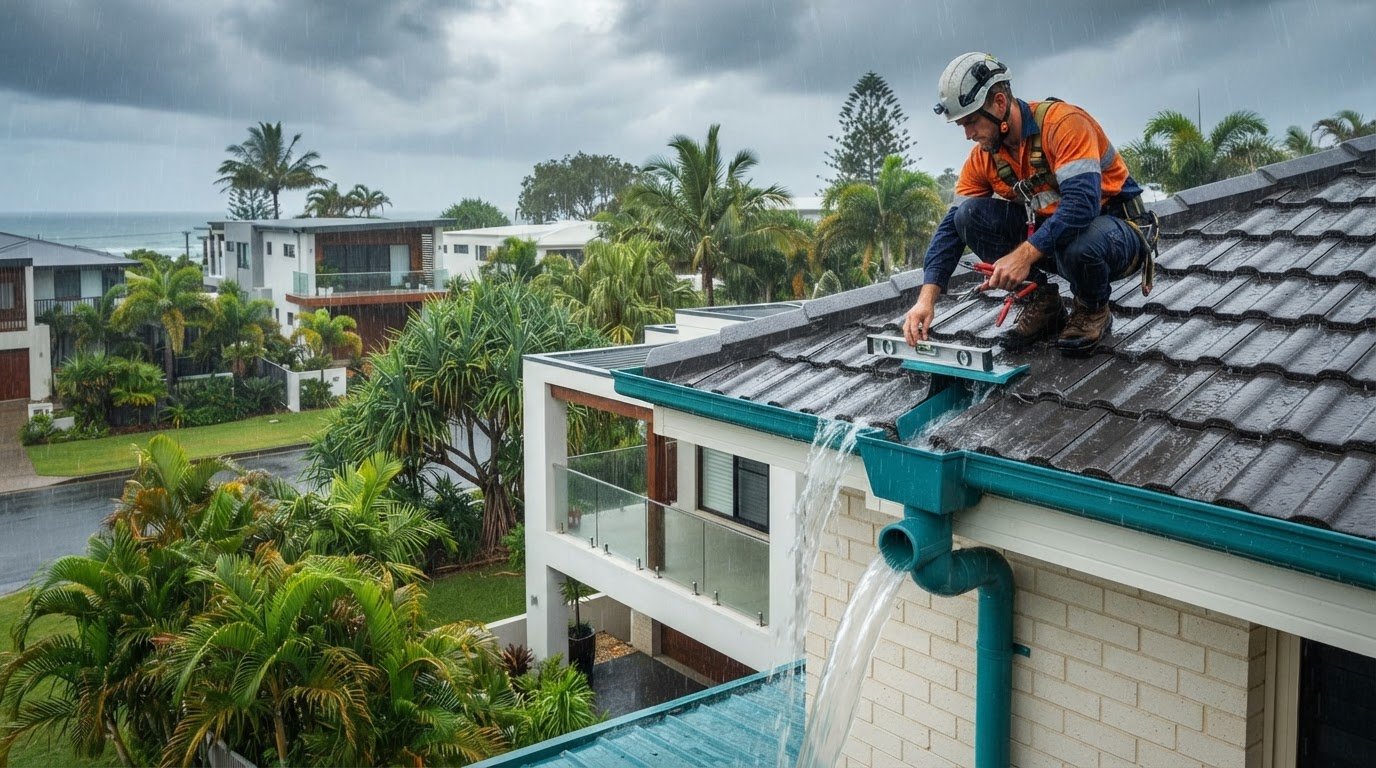
Attempting a DIY fix on a multi-storey Sydney home is a high-risk gamble that rarely pays off. Beyond the obvious physical dangers of working at heights, uncertified repairs often void the manufacturer’s warranty on your skylight unit. If a leak persists after you have cleared basic debris, it usually indicates a failure in the structural drainage system. Professional skylight waterproofing Sydney requires a deep understanding of hydraulic pressure and material compatibility. A licensed expert doesn’t just patch a hole; they diagnose the entire water path to ensure your home remains dry during the most severe coastal storms.
The Value of a Licensed Roof Plumber
In New South Wales, roof plumbing is a specialised trade that requires specific licensing through Fair Trading. General handymen often lack the technical nuances required to manage complex roof penetrations and the associated drainage requirements. When you engage a professional, you’re protected by mandatory insurance and workmanship guarantees that a DIY attempt cannot provide. This professional accountability is essential for maintaining the long-term value and structural integrity of your property. We ensure every repair meets the high standards expected of a seasoned specialist who understands the local architectural landscape.
Booking Your Skylight Inspection in Mainly Beach
Preparation is key to an efficient and accurate inspection. Before your tradie arrives, document exactly when the leak occurs, the specific weather conditions at the time, and the location of any ceiling stains. Knowing the approximate age of your roof and skylight helps us determine if components are reaching their natural end-of-life. We provide transparent, itemised quotes that explain the technical necessity of each step in the waterproofing process. This clarity ensures you understand the value of the work and the security it provides for your home. To secure your property against the next East Coast Low, Contact Roof Plumbing Expert today for a comprehensive assessment.
Compliance with Australian Standards is a non-negotiable part of our service. For homes located in bushfire-prone areas of Sydney, skylight waterproofing must also comply with AS3959 to ensure fire-resistant materials are used correctly. We verify that all flashing and seals meet these rigorous safety requirements while maintaining maximum weather protection. By combining technical precision with local expertise, we provide a permanent solution that guards your home against the elements for years to come.
Secure Your Home Against the Next Sydney Storm
A leak-free home starts with moving beyond temporary patches and embracing a systems-based approach to roof maintenance. By understanding the technical causes of water ingress and the limitations of hardware-store sealants, you can make informed decisions about your property’s structural health. Professional skylight waterproofing Sydney ensures that every component, from the apron flashing to the glazing beads, works together to shed water efficiently during heavy rainfall. Prioritising a permanent solution prevents the long-term threat of ceiling mould and avoids the high costs associated with avoidable structural repairs.
Our team consists of fully licensed and insured NSW roof plumbers who specialise in both Colorbond and tile roof plumbing. We take pride in serving homeowners across Sydney and the Northern Beaches with transparent, high-quality workmanship that stands the test of time. Don’t wait for the next East Coast Low to test your roof’s integrity. Get a Professional Skylight Waterproofing Quote Today and gain the peace of mind that comes with a dry, secure home. You’ve invested in the beauty of natural light; now ensure that light doesn’t come with the stress of a leaking ceiling.
Frequently Asked Questions
How do I know if my skylight leak is caused by the seal or the flashing?
Water dripping directly off the glass pane usually indicates a failed glazing seal where the glass meets the frame. If the water is tracking down the internal light shaft or appearing as stains on the ceiling plasterboard, the external flashing is the likely culprit. A professional audit can distinguish between these two issues by checking for physical gaps in the metalwork versus brittle, cracked sealant around the glass.
Can I waterproof my skylight from the inside of the house?
You cannot effectively waterproof a skylight from the inside because the barrier must be on the exterior to stop water from entering the structure. Applying silicone to the internal frame only traps moisture within the roof cavity or the timber kerb, which leads to rapid rot and mould growth. All durable repairs must be performed on the roof surface to ensure water is shed away from the opening.
What is the best sealant to use for skylight waterproofing in Sydney?
High-performance, neutral-cure silicone is the industry standard for skylight waterproofing Sydney. These sealants are specifically engineered to remain flexible during extreme thermal expansion and won’t cause corrosive reactions with Colorbond or zinc-aluminium roofing. You should avoid standard acetic-cure silicones from hardware stores, as they lack the UV resistance required to survive a single Sydney summer without cracking.
How much does it typically cost to waterproof a leaking skylight in NSW?
The total investment depends on whether you require a simple sealant refresh or a full structural flashing replacement. Factors such as roof pitch, the height of the building, and the specific roof material also influence the final price. It’s best to request a technical inspection to determine if the unit needs a minor repair or a more comprehensive replacement of the metal components.
Will a leaking skylight cause mould in my ceiling framing?
Persistent moisture in the dark, unventilated space of a roof cavity creates the perfect environment for mould to thrive. Over time, this dampness compromises the structural integrity of your timber framing and ruins your ceiling insulation. Addressing a leak early is the only way to prevent these secondary issues and avoid the high costs of professional mould remediation and structural timber replacement.
Is skylight waterproofing covered by standard home insurance in Australia?
Standard home insurance policies in Australia generally cover sudden, accidental damage caused by major storm events or hail. However, they typically exclude “gradual deterioration” or leaks caused by a lack of maintenance. If your skylight is leaking because the seals have slowly degraded over several years, the insurer will likely classify it as a maintenance issue rather than a claimable event.
How often should I have my skylights inspected for waterproofing integrity?
We recommend a professional roof inspection every two to three years to check the condition of all penetrations. Sydney’s intense UV radiation can degrade even high-quality seals faster than you might expect. Regular inspections allow you to identify hairline cracks or lifting flashing before they result in active water damage inside your home, saving you from expensive emergency repairs.
Can I install a skylight on a Colorbond roof without it leaking?
Skylights can be perfectly watertight on Colorbond roofs when installed with profile-matched flashing and professional “soakers.” The key is ensuring the metal sheets are correctly turned up at the opening and that the apron flashing directs water into the pans of the roof sheets. When these technical steps are followed by a licensed specialist, your skylight will remain leak-free even during heavy coastal downpours.