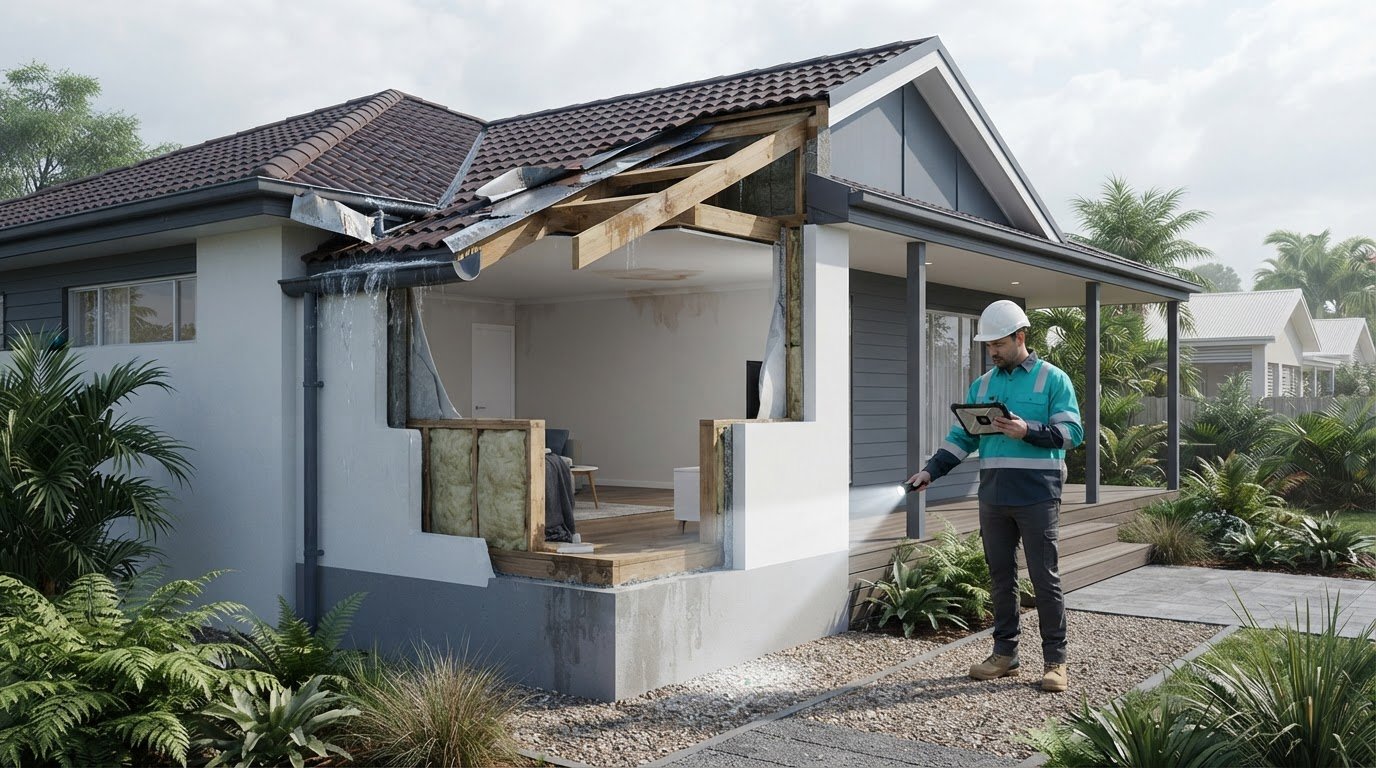
What if that recurring damp spot on your ceiling isn’t a tile issue, but a sign that your home’s primary water barrier has reached its expiry date? For many homeowners across the state, dealing with persistent leaks often leads to a cycle of temporary patches that fail during the first heavy coastal storm. You likely already know that water ingress is a silent threat to your property’s structural integrity, potentially causing timber rot and internal damage that costs thousands to remediate.
This guide details the exact professional process for roof flashing replacement NSW residents need to ensure their homes remain watertight and secure. We’ll examine the critical differences between materials like Colorbond and traditional lead, the importance of using neutral-cure sealants to prevent metal corrosion, and how licensed trade work meets the latest Australian standards. By the end of this article, you’ll understand how to move beyond stop-gap repairs to a permanent, high-performance solution that protects your investment through every season. We’ll provide the clarity you need to choose durable materials and understand the value of precision workmanship in guarding your home against the elements.
Key Takeaways
- Understand why roof flashing is the essential armour your home needs to withstand intense NSW UV exposure and coastal salt corrosion.
- Learn to spot the early warning signs of deterioration, including bubbling paint and internal ceiling stains, before they escalate into costly structural rot.
- Discover the precise five-step process for roof flashing replacement NSW specialists follow to guarantee a watertight and compliant result.
- Compare the durability and aesthetic benefits of modern Colorbond steel against traditional lead flashing for heritage and tile roofs.
- Recognise the importance of professional roof plumbing audits in maintaining your property’s integrity and avoiding the pitfalls of temporary DIY patches.
Understanding Roof Flashing and Why It Fails in New South Wales
Think of roof flashing as the protective armour that guards your home’s most vulnerable joints. Technically known as Flashing (weatherproofing), these thin pieces of impervious material are installed at every intersection where the roof surface meets a wall, chimney, or valley. In the harsh environment of New South Wales, this barrier is constantly under siege from the elements. This isn’t just about keeping the rain out; it is about managing the complex way water moves across a structural surface.
Coastal areas like Manly Beach face relentless salt spray, which acts as a catalyst for corrosion on metal components. Inland, the intense Australian UV radiation bakes sealants until they become brittle and crack. A common issue we see involves thermal expansion. Sydney’s temperature can swing significantly within a single day. This causes metal flashing to expand and contract. This constant movement eventually fatigues the material and loosens the fasteners, creating gaps that invite water ingress. Common failure points include:
- Valley irons that collect debris and trap moisture.
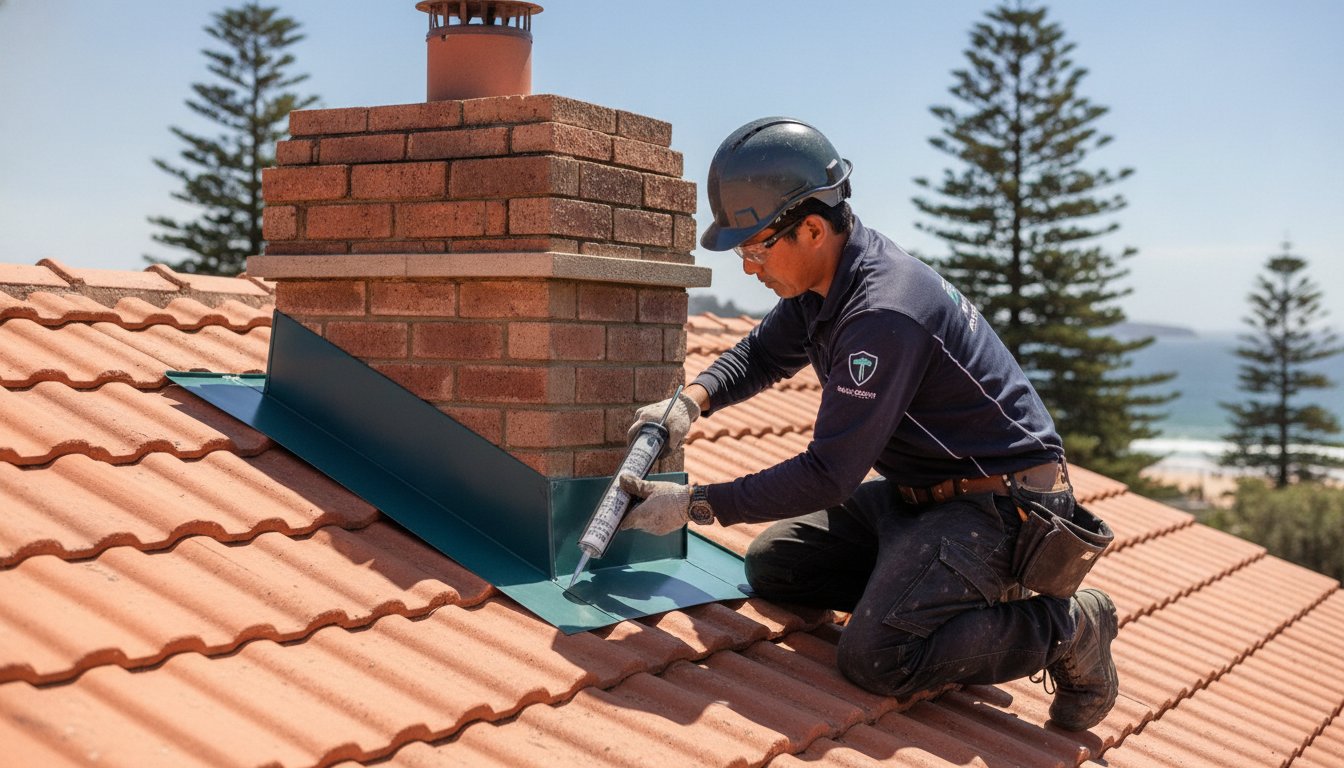
- Chimney bases where masonry meets metal.
- Skylight surrounds that endure direct, punishing sun exposure.
- Parapet walls where vertical and horizontal planes intersect.
The Critical Role of Flashing in Roof Plumbing
Flashing is a vital component of your broader roof plumbing system. Its primary job is to direct water away from joints and safely into your guttering. Without precise installation, a phenomenon called capillary action can occur. This is where water is literally sucked into tiny gaps between the flashing and the roof sheets, bypassing your external defences. When this happens, the flashing fails to protect your home. This leads to damp insulation and stained plasterboard. Professional roof flashing replacement NSW ensures these seals are tight enough to resist even the most aggressive driving rain.
Common Causes of Flashing Failure in Sydney Homes
Old galvanised steel valley irons are a frequent culprit. Over several decades, the protective zinc coating wears thin. This allows rust to eat through the metal from the underside where it is hidden from view. In heritage properties, lead flashing often suffers from “creep” or fatigue cracks after years of sun exposure. We also see many failures caused by poor original installation. If a previous contractor used the wrong fasteners or failed to allow for proper overlap, the flashing will eventually lift. This leaves your structural timbers exposed to rot. A timely roof flashing replacement NSW is a necessary investment for long-term security.
Diagnosing Damage: Signs You Need Flashing Replacement
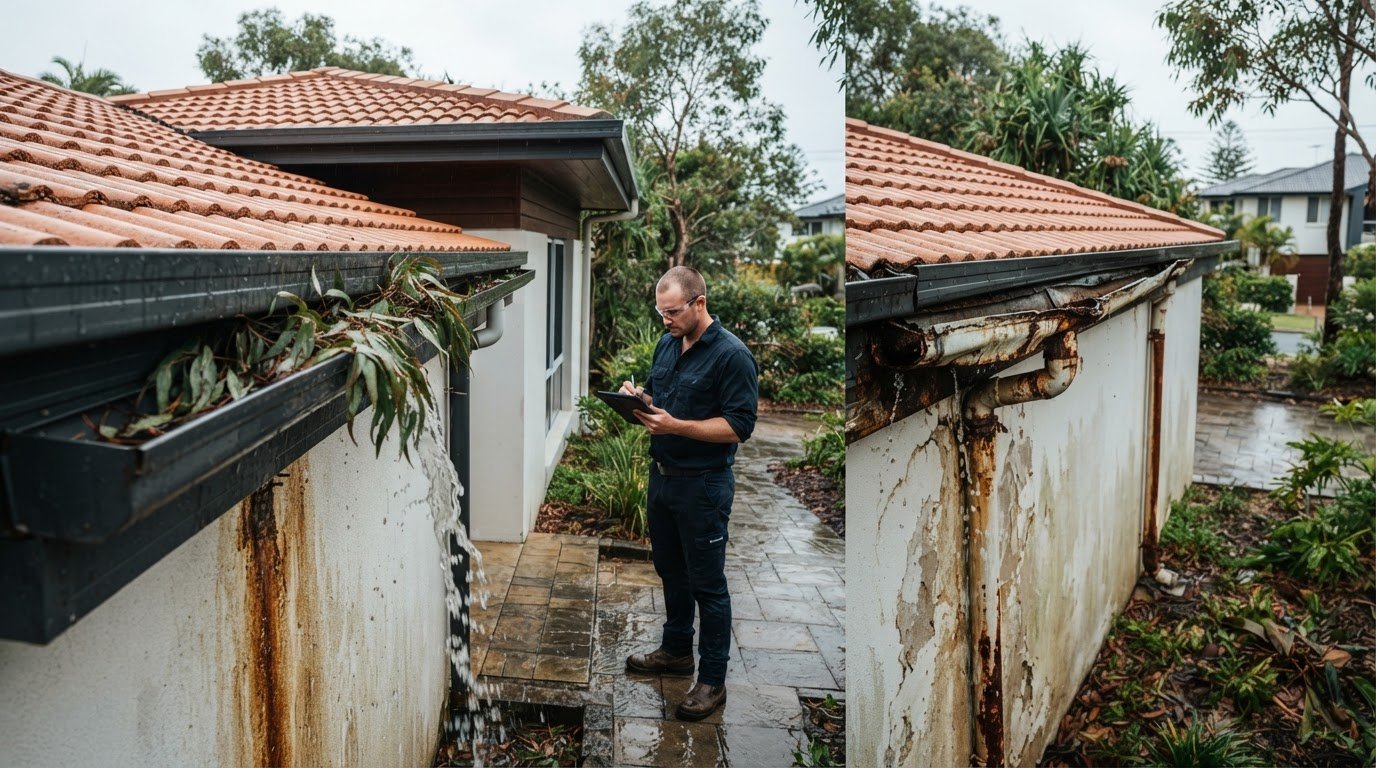
Identifying a failing roof system requires a keen eye for detail. While some leaks are obvious, many common roof flashing defects remain hidden from the average homeowner until the next major storm hits. One of the most frequent indicators we see is visible rust streaks or “bubbling” paint on the surface of the metal. This bubbling suggests that oxidation is occurring underneath the protective coating. Once rust has taken hold, the structural integrity of the material is compromised, and a simple coat of paint won’t fix the underlying decay.
You should also inspect the points where the flashing meets your brickwork. If the mortar or pointing is cracked and crumbling, water will inevitably find its way behind the barrier. Similarly, look for visible gaps between the flashing and your roof tiles or metal sheets. These gaps often result from the thermal expansion mentioned in the previous section. In valley areas, debris buildup like leaves and twigs can cause water to “pool” and back up under the flashing. This leads to a slow but persistent leak that can rot your roof battens over time. If you notice these issues, a professional roof flashing replacement NSW is the only way to ensure long-term protection.
The Difference Between Repair and Full Replacement
Homeowners often ask if they can simply “patch” a leak with silicone or a bit of bitumen tape. While this might stop a drip for a few days, it is often a waste of money. If the metal has developed pinholes from rust, a patch is just a temporary bandage. We often find that roof flashing replacement NSW is a critical step during a roof restoration Sydney. Replacing the flashing while the roof is being restored ensures the entire system works as a single, watertight unit. If the metal is thin and brittle, full replacement is your only safe option.
Internal Signs of Flashing Failure
You don’t always have to climb a ladder to know there is a problem. Your home’s interior provides several clues. Musty odours in the roof cavity or top-floor bedrooms often point to damp insulation that never quite dries out. If you see peeling wallpaper or “efflorescence”—white, powdery salt marks—on chimney masonry, it is a sign that water is soaking through the brickwork because the flashing has failed. Checking for these signs early can prevent a minor leak from becoming a major structural headache. If you suspect your roof is underperforming, a comprehensive roof leak detection and repair service can identify the exact source of the trouble.
The Professional How-To: 5 Steps to Roof Flashing Replacement
Executing a professional roof flashing replacement NSW requires a methodical approach that prioritises both structural integrity and long-term waterproofing. Unlike a simple DIY patch, a trade-standard replacement follows a specific sequence to ensure the new material integrates perfectly with your existing roof. This process is designed to meet the rigorous standards of the National Construction Code (NCC), ensuring your home remains compliant and protected.
- Step 1: Safe Removal. We carefully extract the existing damaged or rusted flashing. This must be done without compromising the surrounding roof tiles or metal sheets.
- Step 2: Surface Preparation. Once the old material is gone, we clean the underlying substrate. We remove old sealant, dirt, and oxidation to create a pristine surface for the new installation.
- Step 3: Precision Measurement. Every roof join is unique. We take exact measurements and custom-cut new flashing pieces to ensure they match the specific pitch and angles of your roofline.
- Step 4: Mechanical Fastening. The new flashing is positioned and secured using high-quality fasteners. Correct lap sizing is essential here to prevent water from being driven upwards by the wind.
- Step 5: Final Sealing. We apply professional-grade, neutral-cure silicone sealants to all joints. We never use acid-cure silicones, as these can cause rapid corrosion on metal roofing materials.
Preparation and Safety Protocols
Safety is our first priority on any job site. For high-access areas or steep pitches, we utilise roof safety harnesses and, where necessary, professional scaffolding. Before the new metal is laid down, we conduct a thorough inspection of the underlying battens and sarking. If we find structural rot caused by previous leaks, we must address these timber issues first. This ensures the new flashing has a solid foundation to grip onto. We also monitor local weather patterns closely, ensuring the work area is never left exposed to sudden NSW rain squalls during the transition.
Installation Techniques for a Watertight Seal
The way flashing meets a vertical surface, such as a brick wall or chimney, is a common point of failure. We often use “step flashing” techniques, where individual pieces of metal are overlapped in a shingle-like pattern. This forces water to stay on top of the barrier rather than bypassing it. Skylight surrounds present a particularly complex challenge, as the flashing must integrate with the unit’s frame on all four sides; professional skylight waterproofing Sydney specialists use a systems-based approach to ensure these joints remain permanently watertight. For a truly watertight home, we ensure the flashing is perfectly integrated with your gutter and downpipe installation NSW. This holistic approach to roof plumbing guarantees that every drop of water is captured and directed away from your home’s foundation.

Selecting the Right Materials for the NSW Climate
Selecting the right material for your roof flashing replacement NSW is a decision that dictates the lifespan of your entire roofing system. New South Wales environments demand materials that withstand high UV indexes and corrosive salt air. Colorbond steel is the industry gold standard for modern Australian homes. It offers a pre-painted finish that matches your existing roof while providing exceptional resistance to chipping, peeling, and cracking under the sun.
Traditional lead flashing remains a superior choice for heritage properties or tile roofs. Its malleability allows it to be dressed over complex shapes like curved tiles or chimney bases. This creates a seal that rigid metals cannot achieve. We also utilise aluminium and zinc for specific architectural requirements where a lightweight or highly flexible solution is needed. Each material has a specific application, and choosing the wrong one can lead to premature failure and water ingress.
A critical technical consideration is the prevention of galvanic corrosion. This occurs when dissimilar metals come into contact in the presence of moisture. For instance, putting copper flashing on a Colorbond roof causes rapid chemical decay. A professional roofer understands these material compatibilities. We ensure your installation doesn’t fail prematurely due to chemical reactions. This knowledge is vital when integrating different roof components, such as when we install new flashing alongside existing guttering systems.
Colorbond vs. Traditional Lead
Colorbond is preferred for contemporary Colorbond Roofing because it provides a seamless aesthetic. It is lighter and faster to install on long, straight runs. Lead is non-negotiable for masonry joins where the metal must be chased into a brick wall. Lead has a proven track record of lasting over 50 years when installed correctly. This makes it ideal for permanent heritage protection. While lead is more expensive per linear metre, its ability to conform to irregular surfaces provides a level of protection that rigid steel simply cannot match in older Sydney homes.
Coastal Considerations for Mainly Beach Properties
Properties near the ocean, such as those in Mainly Beach, require specialised materials. Standard galvanised flashing often shows signs of white rust or pitting within just a few years. We recommend Colorbond Ultra or stainless steel flashing in these high-salt environments. These materials feature a thicker protective coating designed for marine zones. Regular maintenance is also a factor. Hosing down the flashing with fresh water helps clear salt deposits that accumulate during sea breezes. This simple act extends the life of your roof flashing replacement NSW and prevents the salt from eating through the protective layers.
To ensure your home is equipped with the most durable materials for your specific location, book a professional roof flashing and waterproofing audit today.
Securing Your Property with Expert Roof Plumbing
Attempting a DIY fix on your roof joints might seem like a cost-saving measure. However, it often leads to far more expensive structural repairs down the track. A professional roof flashing replacement NSW ensures that every component is integrated correctly, preventing the slow leaks that lead to timber rot. Licensed roof plumbers bring a level of precision that off-the-shelf sealants and hardware store patches cannot match. When you invest in professional trade work, you are buying more than just metal and screws; you are securing the long-term health of your home.
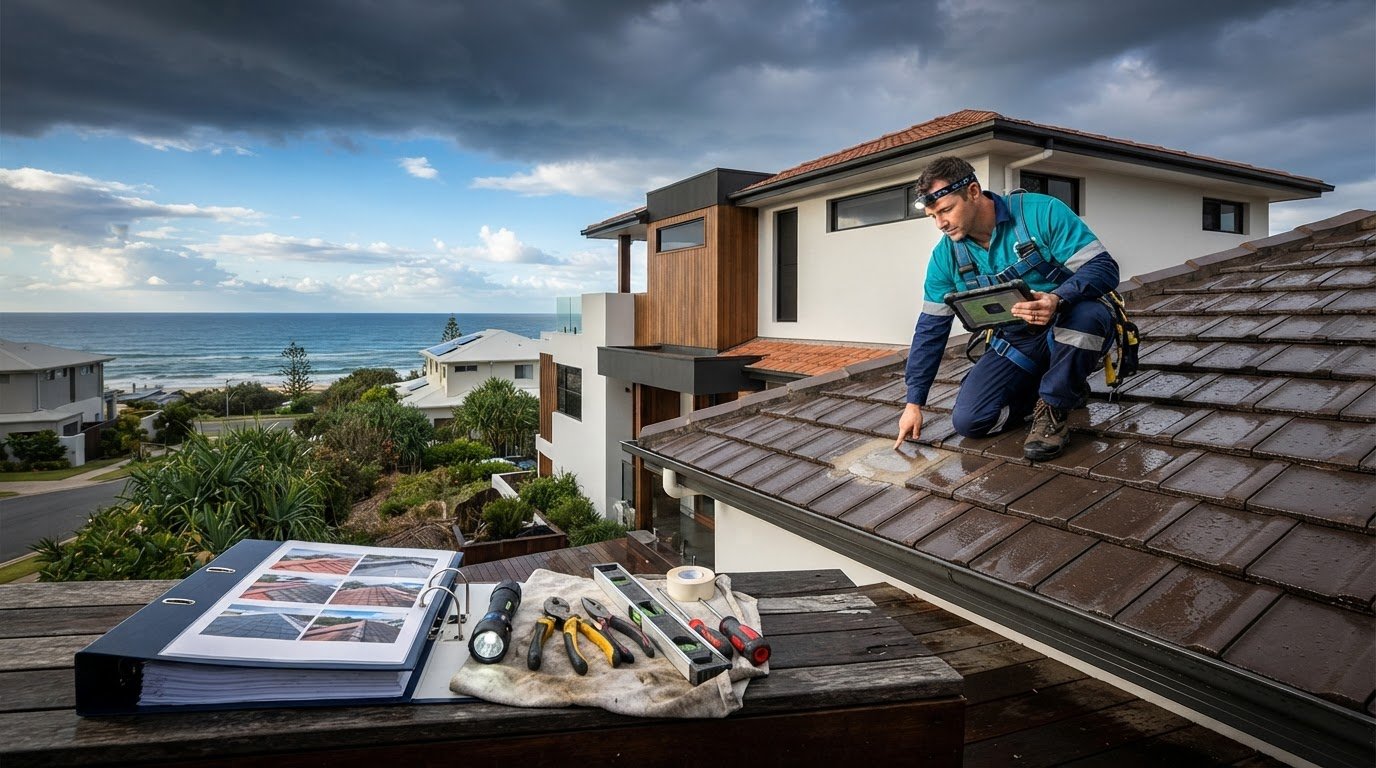
A comprehensive roof plumbing audit is the most effective way to identify hidden vulnerabilities. This isn’t just a quick look at your tiles. A specialist examines how your flashing, gutters, and downpipes work as a unified system. If your flashing is failing, there is a high chance your gutters are also struggling with debris or corrosion. Addressing these issues simultaneously prevents water from backing up and causing internal damage. Beyond protection, professional repairs significantly increase your property’s curb appeal and resale value. Potential buyers look for a well-maintained exterior, and documented professional roofing work provides essential peace of mind during a building inspection.
The Importance of Trade Qualification
In New South Wales, any residential building work valued at more than $5,000 requires a contractor licence from NSW Fair Trading. Hiring an unlicensed individual to perform your roof flashing replacement NSW can void your home insurance and leave you with no legal recourse if the work fails. Our “Seasoned Specialist” approach ensures that every technician holds the necessary qualifications, such as a Certificate III in Roof Plumbing. This guarantees that your project complies with the latest Australian standards and carries a valid workmanship warranty. You can rest easy knowing your home is in the hands of a partner who values transparency and functional excellence.
Holistic Water Management
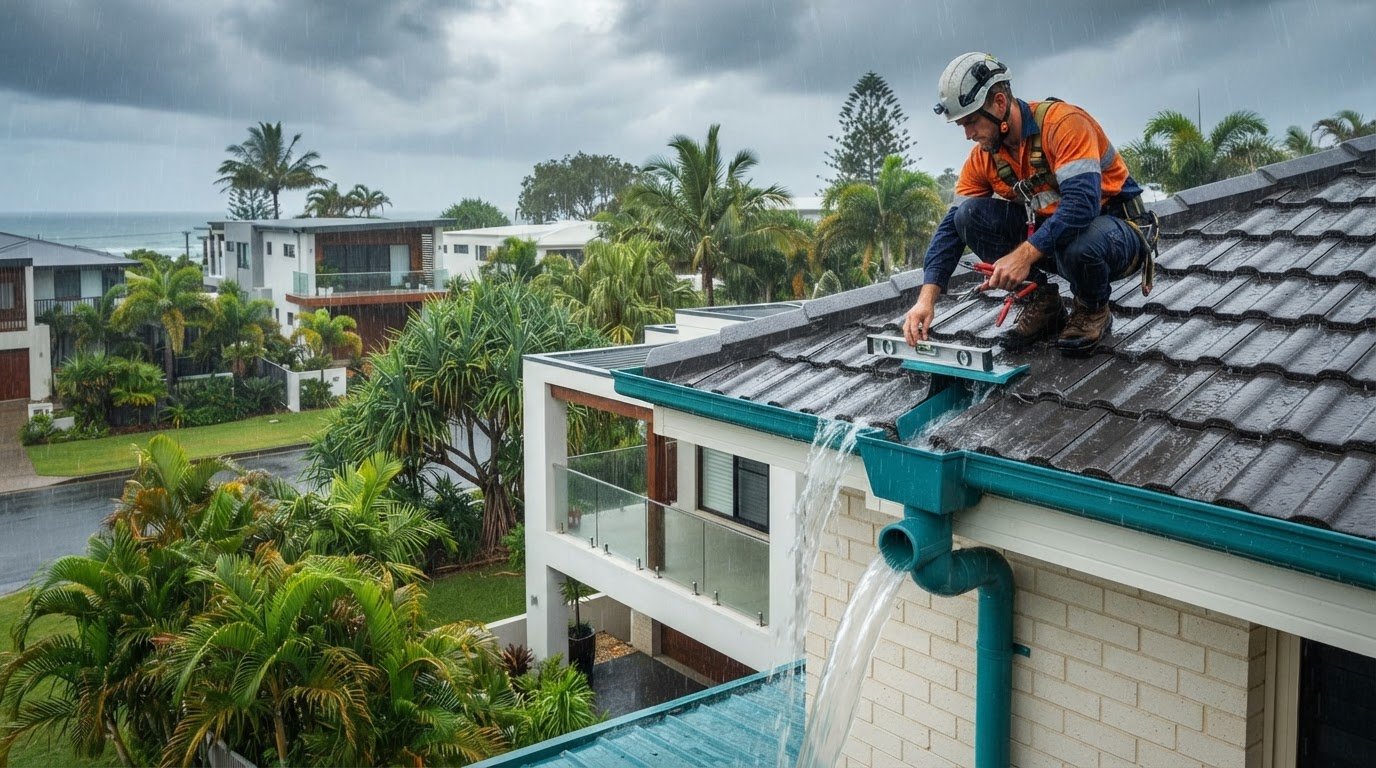
Flashing doesn’t work in isolation. It works in tandem with your gutter and downpipe installation NSW to protect your home’s foundation. While flashing prevents water from entering the roof cavity, your gutters must be clear and functional to carry that water away from the building. Regular maintenance is the key to preventing premature flashing failure. We recommend a professional assessment at least once a year, preferably before the heavy NSW storm season begins. This proactive approach allows us to clear debris and identify minor wear before it turns into a midnight emergency.
Don’t wait for the next coastal storm to test your roof’s integrity. Protect your investment and your family by securing a definitive solution to your water ingress concerns. Contact us today to schedule a professional roof flashing and waterproofing assessment and ensure your home remains a dry, safe sanctuary for years to come.
Protect Your Home Against the Next NSW Storm
Securing your property’s future requires more than just a quick patch. It demands a precise understanding of material compatibility and local environmental patterns. We’ve explored how a professional roof flashing replacement NSW prevents structural rot by creating a definitive barrier against water ingress. Whether you’re maintaining a heritage property with traditional lead or upgrading a modern home with Colorbond steel, the quality of the installation determines the longevity of your roof. Choosing trade-qualified professionals ensures your home remains compliant with Australian standards while providing you with lasting peace of mind.
As specialists in both Colorbond and heritage flashing, we provide expert leak detection across NSW to identify vulnerabilities before they become emergencies. Our team of trade-qualified roof plumbing professionals is ready to help you move from temporary fixes to a permanent, watertight solution. Don’t leave your property’s safety to chance when the clouds roll in. Book your expert roof flashing inspection with Roof Plumbing Expert today and enjoy the confidence of a professionally protected home.
Frequently Asked Questions
How much does it cost to replace roof flashing in NSW?
Costs vary based on the specific profile of your roof, the total linear metres required, and the material selected. Factors such as the pitch of the roof and the need for specialised safety equipment like scaffolding for multi-storey homes will also influence the final investment. We recommend a professional site assessment to provide a fixed quote that accounts for the unique structural requirements of your property.
Can I just seal a leaking flashing with silicone?
Silicone is a temporary stop-gap that often fails during the next period of heavy rain or intense heat. While it might provide a short-term fix, it does not address underlying metal fatigue or structural gaps. A professional roof flashing replacement NSW is the only reliable way to ensure a watertight seal that withstands the local climate. Using the wrong sealant can also lead to chemical reactions that accelerate metal decay.
How long does a typical roof flashing replacement take?
Most standard residential projects are completed within a single day. Smaller tasks, such as replacing a single chimney or skylight surround, may only take a few hours. More complex heritage work involving custom-dressed lead or extensive valley iron replacement can extend the timeline. We prioritise a methodical pace to ensure every join is mechanically secured and sealed before the end of the working day.
Does a leaking flashing mean I need a whole new roof?
Not necessarily. Flashing is designed to be a modular component of your roof plumbing system, meaning we can often replace failed sections without disturbing the rest of your roof. However, if the leaks have been ignored for a long time, the moisture may have caused widespread rot in the underlying battens. In those cases, we may suggest a more comprehensive restoration to ensure your home remains structurally sound.
What is the best material for roof flashing in coastal areas like Mainly Beach?
Stainless steel or specialised Ultra grade Colorbond are the definitive choices for properties in Mainly Beach and other coastal zones. Standard galvanised materials often suffer from rapid salt spray corrosion, which leads to pitting and holes within just a few years. These marine-grade materials feature thicker protective coatings and higher corrosion resistance, ensuring your roof remains protected despite the constant sea breezes.
Is roof flashing replacement covered by home insurance?
Insurance generally covers damage resulting from a sudden, defined event like a storm or a fallen tree limb. However, insurers typically exclude coverage for damage caused by wear and tear, lack of maintenance, or gradual rust. Investing in a professional roof flashing replacement NSW before a leak occurs is a proactive way to avoid the significant out-of-pocket costs associated with internal water damage and structural repairs.
How often should I have my roof flashing inspected?
We suggest a professional roof plumbing audit at least once a year, ideally before the onset of the summer storm season. Regular inspections allow us to identify minor issues like loose fasteners, cracked mortar, or debris buildup before they turn into major leaks. This preventative approach is the most cost-effective way to manage your home’s exterior and extend the overall lifespan of your roofing materials.
What happens if I ignore a small leak in my flashing?
A small leak can lead to significant internal issues, including mould growth, damp insulation, and damaged ceiling plasterboard. Over time, persistent water ingress will cause the structural timber in your roof cavity to rot, which is far more expensive to repair than a simple flashing update. Addressing leaks early also prevents water from reaching electrical wiring, which can create a serious safety hazard for your household. If your home has a skylight, even a minor gap in its surrounding flashing can allow water to track deep into the roof cavity; understanding the full scope of skylight waterproofing Sydney professionals recommend can help you address these vulnerabilities before they escalate.