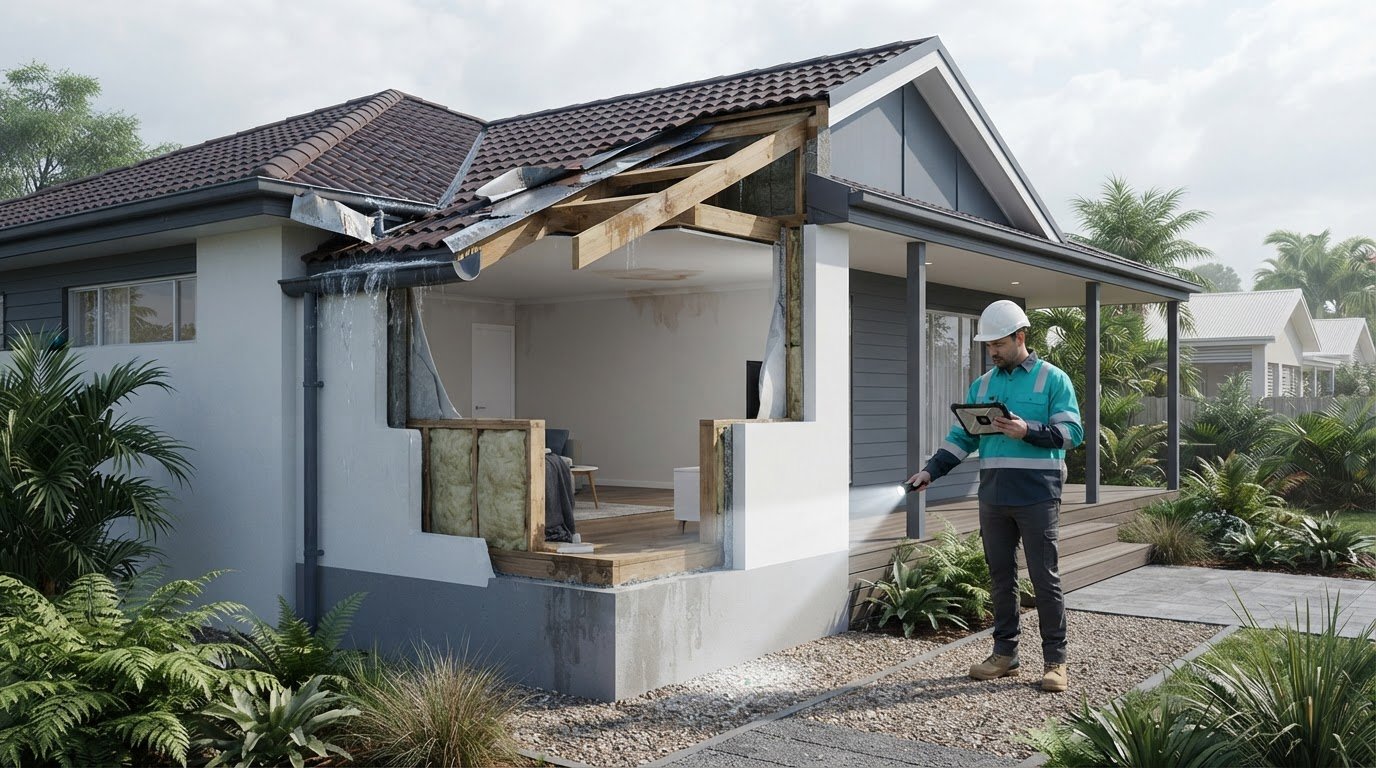
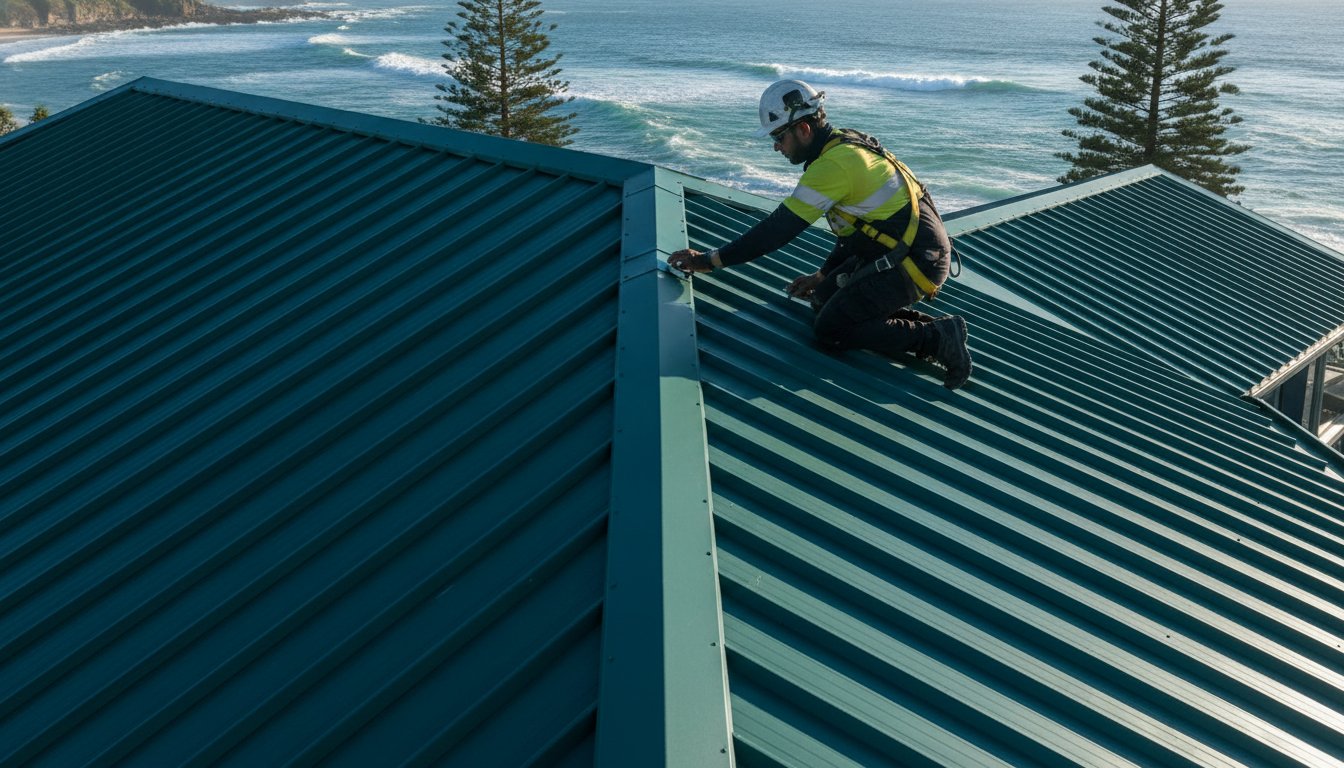
Living within 500 metres of the Manly surf means your roof is under constant chemical attack from salt-laden air. It’s a harsh reality for coastal property owners, where standard building materials often fail long before their time. You likely understand that the combination of intense UV exposure and driving rain requires more than just a standard coat of paint to keep your home protected. We agree that your roof should be a source of security, not a recurring maintenance headache caused by rust or sudden leaks during a southerly buster.
Choosing Colorbond roofing Manly Beach is the first step toward a durable, modern aesthetic, but the secret lies in the marine-grade specifications required for this environment. In this article, you’ll discover why Colorbond Ultra is the premier choice for properties near the water and how specialised installation techniques prevent corrosion at the source. We will preview the critical role of precision flashing and integrated gutter systems in creating a rust-resistant, leak-free shield for your home that lowers long-term costs while enhancing its coastal character.
Key Takeaways
- Learn why Colorbond Ultra is the essential specification for homes within 500 metres of the ocean to ensure full warranty coverage and maximum corrosion resistance.
- Understand how professional roof plumbing and integrated guttering systems are vital for managing the heavy rainfall and high winds common during Sydney’s East Coast Lows.
- Discover the specialised installation process for Colorbond roofing Manly Beach that addresses local logistical challenges and ensures long-term structural integrity.
- Identify the critical maintenance routines, such as the six-month fresh water rinse, required to prevent salt buildup and prolong the life of your coastal investment.
- Gain insights into why switching from traditional tiles to lightweight metal roofing can resolve issues with wind uplift and structural weight on the Northern Beaches.
Facing the Elements: Why Manly Homes Need Specialised Colorbond Roofing
The coastal stretch of Manly Beach presents a unique set of structural challenges that standard building materials aren’t designed to withstand. Between the pervasive salt spray and the persistent humidity of the Northern Beaches, residential roofs face a constant cycle of moisture and chemical exposure. When an East Coast Low hits, the intensity of the driving rain and high wind speeds can exploit even the smallest weakness in a roof’s design. A standard installation that works in the western suburbs will quickly deteriorate here, leading to premature failure and costly repairs.
A significant number of older properties in the area still feature traditional terracotta or concrete tiles. While these materials have a classic look, they often struggle with excessive weight and the risk of wind uplift during severe coastal storms. Tiles can become porous over time, which increases the load on the home’s timber frame and can lead to structural sagging. This is why Colorbond roofing Manly Beach has become the modern standard for local homeowners. Developed by BlueScope Steel, Colorbond was specifically engineered to survive the Australian climate, offering a high-tensile, lightweight alternative that doesn’t compromise on strength or aesthetic appeal.
The Impact of Salt Spray on Residential Structures
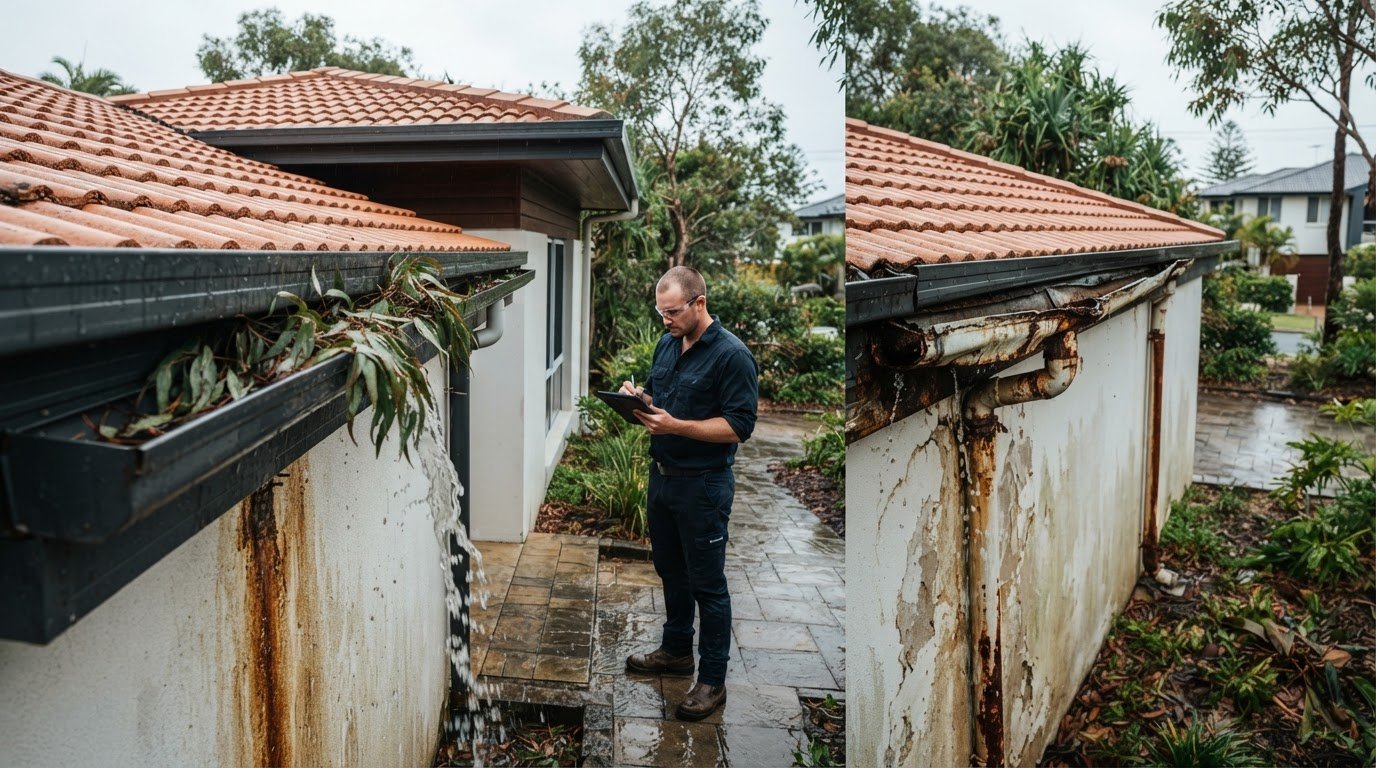
Salt is a silent destroyer of beachfront assets. Airborne salt particles settle on your roof, attracting moisture and accelerating the oxidation process on non-specialised metal surfaces. This result is often galvanic corrosion if the wrong fasteners or flashings are used. We frequently encounter the “unwashed areas” trap, where sections of the roof protected from natural rainfall, such as under eaves or behind chimneys, corrode faster. Without regular rain to wash away salt deposits, these areas remain in a constant state of chemical reaction. Early signs of trouble on older Manly homes include:
- Bubbling or blistering paintwork on the sheet edges.
- A white, powdery residue known as zinc oxide.
- Red rust streaks appearing near the gutter line or around screw heads.
Wind Loading and Storm Resilience in Manly
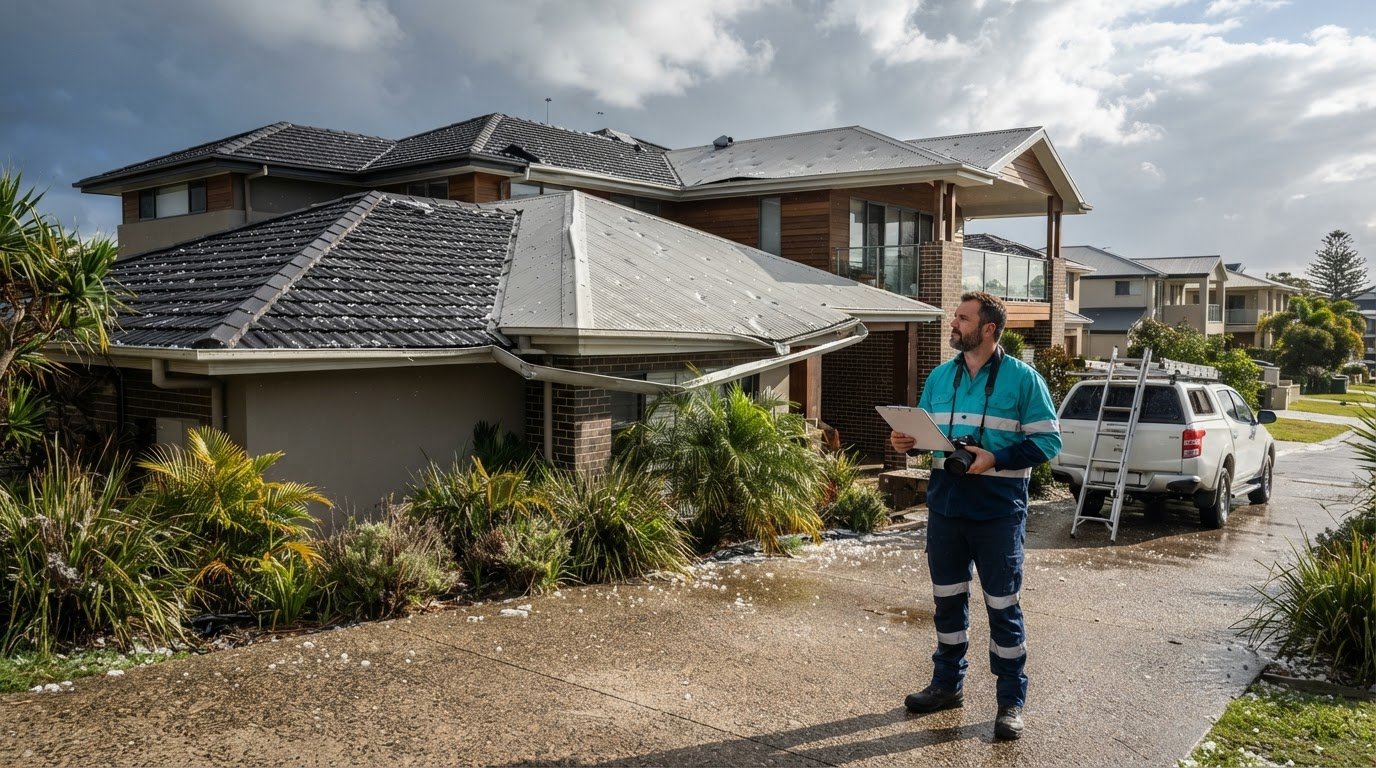
If you’ve ever watched a ferry struggle to dock during a gale, you know the power of “Manly Ferry weather.” High-velocity winds create significant pressure differentials, attempting to lift roofing sheets right off the rafters. Our specialists calculate specific wind uplift requirements for every Colorbond roofing Manly Beach project, ensuring the structure exceeds standard safety codes. We use superior fastening systems and specific screw patterns that provide a rigid, high-tensile shield against the elements. By choosing a roofer who understands Northern Beaches Council requirements and local conditions, you ensure your installation is both compliant and prepared for the next big storm.
Selecting the Right Spec: Colorbond Ultra® and Coastal Corrosion Categories
Choosing the right material for Colorbond roofing Manly Beach requires more than just picking a colour from a brochure. BlueScope Steel classifies environments into corrosion categories based on their proximity to the ocean, ranging from “Moderate” to “Very Severe.” In Manly, where the surf is often only a few hundred metres away, most properties fall into the “Severe” or “Very Severe” brackets. According to BlueScope’s technical guidelines, using standard Colorbond steel in these zones can lead to rapid coating degradation and may void your product warranty entirely.
The primary difference between standard Colorbond and Colorbond Ultra® lies in the protective layers beneath the paint. While standard sheets are excellent for inland suburbs, the Ultra grade features a thicker metallic coating of magnesium, aluminium, and zinc. It also utilises a specialised high-build primer designed specifically to resist salt spray penetration. If you live within 200 metres of the Shelly Beach surf or along the beachfront at North Steyne, this specification is a non-negotiable requirement for long-term structural security.
Finish choice also plays a role in performance. While high-gloss finishes were once the coastal standard because they “wash” salt away more effectively during rain, modern matte finishes have become increasingly popular for their contemporary aesthetic. However, matte surfaces can occasionally trap fine salt crystals in their texture. If you opt for a matte look, you must be more diligent with your maintenance rinsing. If you’re unsure which grade or finish suits your specific street address, a professional roofing assessment can provide the technical clarity you need.
The Colorbond Ultra® Advantage for Beachfront Living
For properties on North Steyne or Ocean Beach, the salt-laden air is a constant presence. Colorbond Ultra® provides a marine-grade shield that standard products simply cannot match. The thicker alloy coating acts as a sacrificial barrier, preventing the steel core from oxidising when exposed to the corrosive Manly micro-climate. This isn’t just about looks; it’s about ensuring your roof remains a high-tensile, leak-free asset for decades rather than years. Investing in the correct grade upfront significantly reduces the likelihood of “edge creep” corrosion, where rust begins at the cut edges of the sheets.
Popular Coastal Colours for the Northern Beaches
Selecting a colour for your Colorbond roofing Manly Beach involves balancing aesthetics with thermal performance. For 2026, light neutrals remain the top choice for heat reflection and council compliance.
- Surfmist: The most popular coastal choice, mimicking the white sand and reflecting maximum solar heat.
- Shale Grey: A soft, versatile grey that blends perfectly with local sandstone features.
- Dune: A warmer neutral that picks up the tones of the coastal scrub and natural bushland.
While darker shades like Monument and Ironstone offer a striking modern look, they absorb more heat. If you choose these deeper tones, we recommend high-performance insulation blankets to maintain your home’s energy efficiency.
The Roof Plumbing Factor: Why Integrated Guttering and Flashing Matters
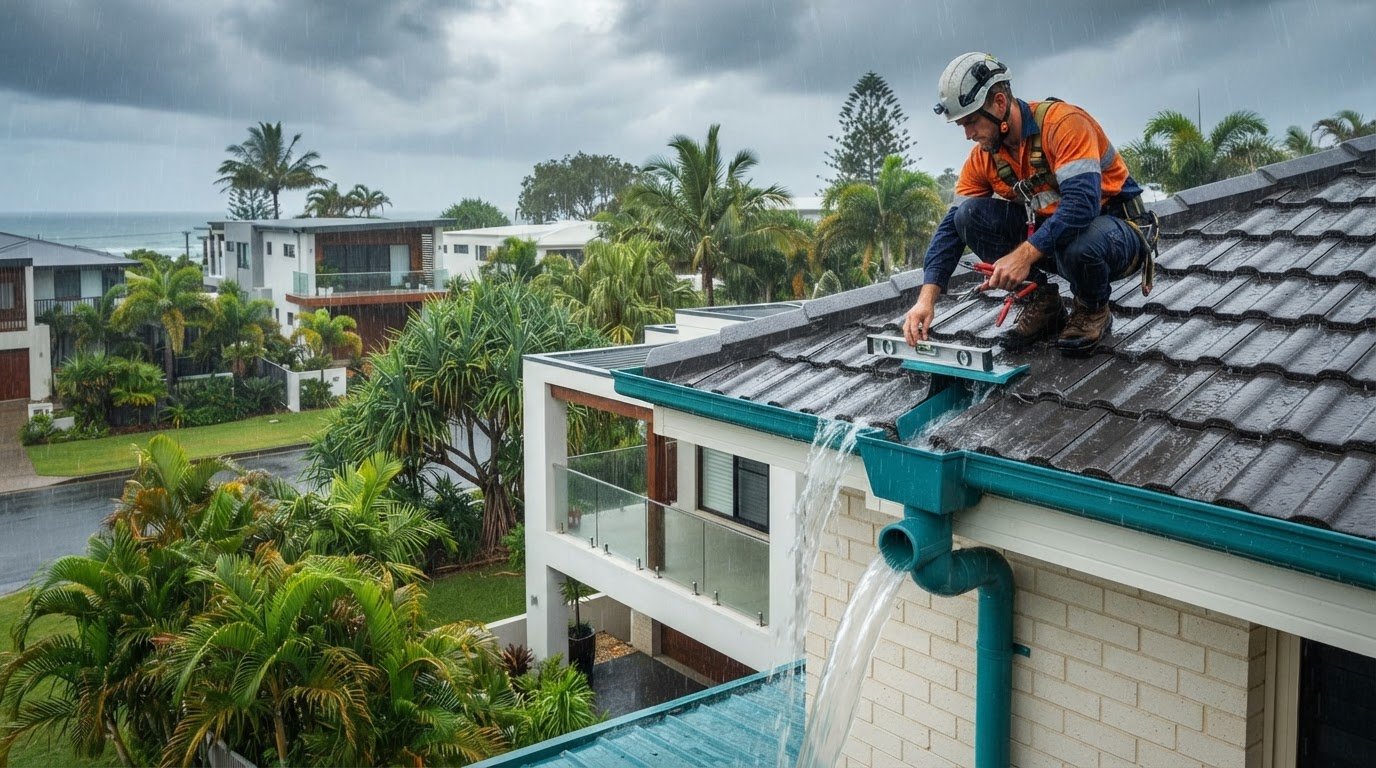
A premium roof is only as effective as the system that drains it. While the steel sheets provide the primary shield, the gutters, downpipes, and flashings do the heavy lifting during a storm. If these components aren’t integrated correctly, even the highest-grade Colorbond roofing Manly Beach can’t prevent water from entering your wall cavities. Professional gutter and downpipe installation NSW ensures that every litre of runoff is directed away from the building’s foundation and structural timber. Without this precision, you risk internal water damage that often goes unnoticed until the rot has set in.
High-front gutters are particularly important for homes along the Sydney coastline. These are designed to hide the edge of the roofline for a cleaner look, but their functional purpose is to manage torrential downpours. They feature overflow slots that prevent water from backing up into the eaves, which is a common cause of ceiling damage in beachfront properties. Every component we install must adhere to the Australian Standard for metal roofing. This ensures the system handles the specific hydraulic loads and wind pressures unique to our coastal environment.
Coastal Flashing and Waterproofing Requirements
Flashings are the custom-folded metal strips that seal the gaps where different roof planes meet or where penetrations occur. In a high-wind zone like Manly, standard lead flashing is no longer the preferred choice because it can’t always withstand the mechanical stress of coastal gusts. We use specialised metal alternatives that match the Colorbond Ultra® specification to avoid galvanic corrosion. Precision roof waterproofing Sydney is essential around chimneys, skylights, and vent pipes. If these transition points aren’t sealed against driving salt rain, moisture will eventually bypass the metal and settle in your insulation, leading to mould and timber decay.
Downpipe Sizing for Tropical-Style Storms
Manly often experiences intense, tropical-style rainfall that can overwhelm standard drainage. We calculate the specific “catchment area” of your roof to determine the necessary downpipe capacity. Simply installing more downpipes isn’t always the solution; often, increasing the diameter is required for rapid water evacuation. We ensure your roof drainage integrates seamlessly with local stormwater requirements, preventing garden flooding and protecting your property’s structural integrity. A well-designed system moves water fast, ensuring your Colorbond roofing Manly Beach performs at its peak even during the most severe East Coast Lows.

Step-by-Step: The Professional Colorbond Installation Process in Manly
Every successful installation of Colorbond roofing Manly Beach starts with a technical structural audit. We don’t just look at the surface; we examine the integrity of your existing rafters and battens to ensure they can support a new system. In Manly, where many homes have weathered decades of salt air, checking for timber rot or previous water ingress is a mandatory first step. Once the site is assessed, we coordinate the removal of your old material. Whether it’s heavy terracotta tiles or rusted corrugated iron, we handle the disposal with specialised care, ensuring your property remains clean and safe throughout the transition.
Tile-to-Colorbond Conversion: What Homeowners Need to Know
Many homeowners in the Northern Beaches are choosing to swap heavy terracotta or concrete tiles for lightweight steel. A primary benefit of this conversion is the significant reduction in “dead load” on your home’s heritage rafters. A tile roof can weigh up to 60kg per square metre, whereas Colorbond steel weighs approximately 5kg per square metre. This reduction in weight can prevent further structural sagging in older homes. The conversion process is often faster than a full tile replacement, meaning your home is exposed to the elements for a much shorter duration. If you’re ready to modernize your home’s protection, you can book a professional roof conversion assessment today.
Before the new sheets are laid, we install high-performance sarking and insulation blankets. In a coastal environment, sarking acts as a secondary waterproof skin, directing any condensation away from the ceiling space. Insulation blankets are equally vital; they provide thermal regulation to keep your home cool in summer and significantly dampen the sound of heavy rain on the metal surface. This layer is essential for achieving the acoustic comfort expected in modern Manly residences.
Managing the Logistics of a Manly Beach Site
The “Manly flats” and surrounding hills present unique logistical hurdles, from narrow one-way streets to limited on-site parking. We manage these constraints by coordinating small-batch material deliveries and using specialized lifting equipment where access is tight. Safety is our priority, particularly on multi-storey coastal apartments where high winds can complicate the handling of long metal sheets. We implement strict height safety protocols and ensure that public access ways remain clear, minimizing disruption to your neighbours and the local community.
The final stage is the precision lay. We secure the Colorbond sheets using coastal-grade fasteners, typically Class 4 or Class 5 screws, which are specifically designed to resist the corrosive effects of salt spray. Every sheet is aligned with millimetre precision to ensure the ribs and pans facilitate optimal water flow. This methodical approach ensures your Colorbond roofing Manly Beach installation isn’t just a cosmetic upgrade, but a high-tensile shield built to last for decades.
Maintaining Your Metal Roof: Prolonging Longevity in the Northern Beaches
Installing a high-quality roof is a significant investment, but its performance over time depends on a proactive maintenance schedule. In the Manly area, the salt-laden air creates a corrosive film that accumulates on every surface. While rain naturally washes the main planes of your roof, it can’t reach the “unwashed areas” like the underside of eaves or the protected sections of flashings. We recommend a manual fresh-water rinse every six months for these zones. This simple act prevents salt crystals from concentrating and eating through the protective coating of your Colorbond roofing Manly Beach.
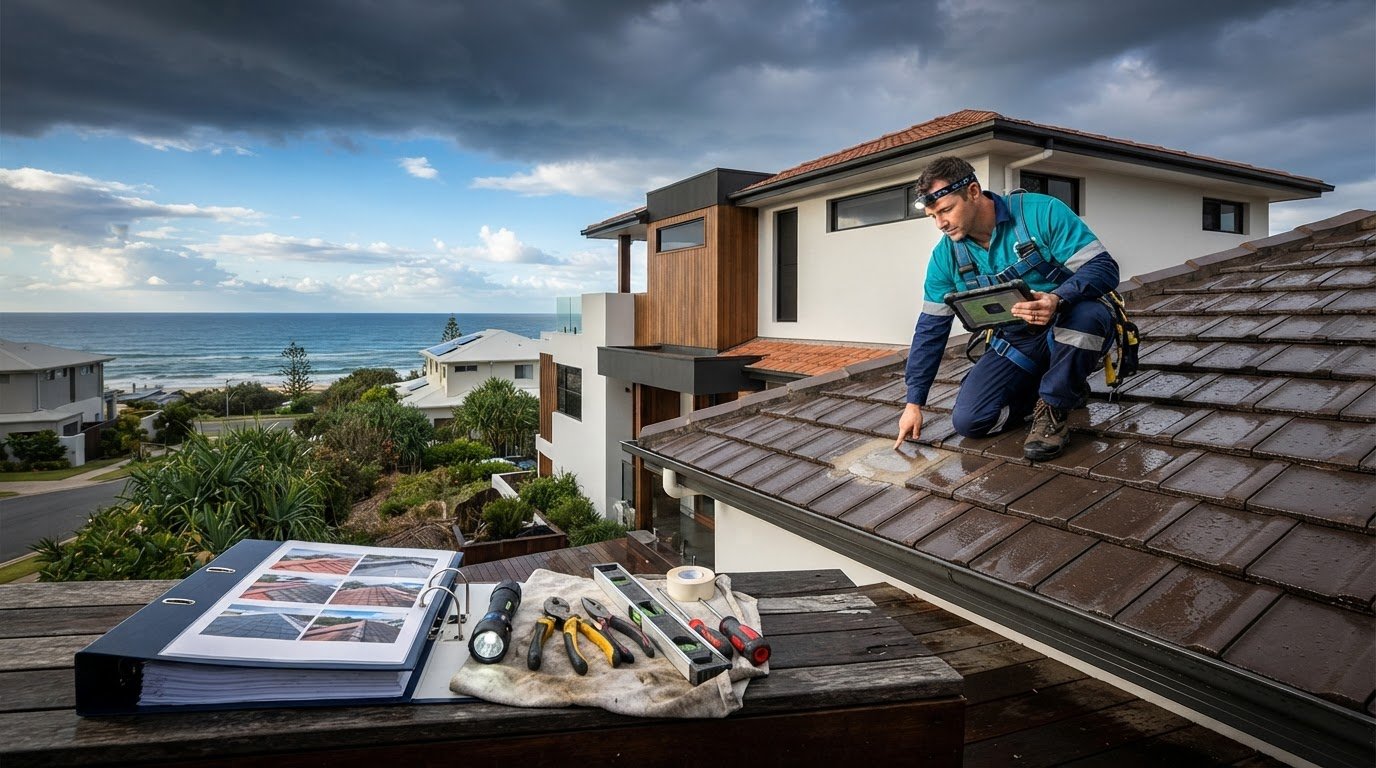
Regular professional oversight is the best way to catch minor issues before they become structural failures. Scheduling a roof leak detection NSW service at least once a year allows us to identify pinhole corrosion or compromised seals that aren’t visible from the ground. We also focus on gutter hygiene, as organic debris like leaves and coastal scrub can trap salt water against the metal, leading to rapid “gutter rot.” During these inspections, we pay close attention to transition points, such as those found after a skylight replacement Sydney, ensuring the waterproofing remains intact against the coastal elements.
The Coastal Maintenance Checklist
Post-installation care begins on day one. We ensure all “swarf”, the tiny metal filings left over from cutting or drilling, is completely removed. These particles rust instantly and can stain your new roof. Homeowners should also verify that all fasteners are Class 4 or 5 galvanised screws, which are the only grades suitable for the Manly climate. If you’ve recently had solar panels installed, check the mounting points regularly. Dissimilar metals in contact can trigger galvanic reactions, which will compromise the integrity of your Colorbond roofing Manly Beach faster than salt spray alone.
When to Consider a Colorbond Roof Restoration
Even the toughest steel eventually shows signs of age. If you notice “chalking”, a white, powdery substance on the surface, it means the paint finish is beginning to break down under intense UV exposure. While this is a surface issue, ignoring it leads to structural rust. A professional Colorbond roof restoration Sydney service can revitalise your home’s protection. By treating minor corrosion and applying a specialised heat-reflective membrane, we can often extend the functional life of a coastal roof by 10 years or more, delaying the need for a full replacement.
Secure Your Coastal Investment with Marine-Grade Protection
Protecting a home near the surf requires more than just standard materials; it demands a system engineered for the specific pressures of the Northern Beaches. We’ve explored why selecting the correct marine-grade specification is non-negotiable for warranty compliance and how integrated roof plumbing prevents the structural decay caused by driving salt rain. By upgrading to Colorbond roofing Manly Beach, you’re not just improving your home’s aesthetic; you’re installing a high-tensile shield designed to withstand Sydney’s most severe East Coast Lows.
As licensed NSW roof plumbers with 10+ years of experience in Northern Beaches storm-proofing, we specialise in marine-grade Colorbond Ultra installations that last. We understand the local council requirements and the logistical precision needed for a successful coastal project. Don’t leave your property’s security to chance when the next southerly buster hits. Get a Free Coastal Roofing Assessment from the Manly Experts and ensure your home remains leak-free and rust-resistant for decades to come. We look forward to helping you safeguard your coastal sanctuary.
Frequently Asked Questions
Is Colorbond roofing noisy in the rain for a Manly Beach home?
Modern installation techniques ensure that Colorbond roofing isn’t significantly noisier than traditional tiles. We install high-performance insulation blankets and sarking directly beneath the metal sheets, which act as an acoustic barrier. This setup absorbs the impact of heavy rain and hail, providing a quiet interior environment even during intense coastal storms. Without this insulation, noise levels would be higher, but a professional installation makes the difference negligible for most residents.
How long does a Colorbond roof last when you live right on the coast?
A correctly specified Colorbond roof can last 30 years or more in a coastal environment. The key to this longevity is using Colorbond Ultra steel, which is specifically designed for “Severe Marine” zones. Regular maintenance, such as rinsing unwashed areas every six months to remove salt deposits, is essential to reach this lifespan. If standard grade steel is used instead, the lifespan may be significantly reduced due to accelerated corrosion from the salt-laden air.
Do I need council approval to change my roof from tile to Colorbond in Manly?
Yes, changing your roofing material from tile to metal generally requires approval from the Northern Beaches Council. This is typically handled through a Complying Development Certificate (CDC) or a Development Application (DA). Requirements vary depending on whether your property is in a heritage conservation area or has specific local planning constraints. It’s best to consult with a specialist who understands local building codes to ensure your project remains compliant with all structural and aesthetic regulations.
What is the difference between Colorbond and Zincalume for coastal properties?
Colorbond features the same protective aluminium, zinc, and magnesium alloy coating as Zincalume but adds a baked-on paint system and specialised primers. For coastal properties, this extra layer is critical as it provides a primary barrier against salt-induced oxidation. Zincalume is often unsuitable for beachfront use because it lacks the additional chemical resistance provided by the Colorbond Ultra finish. Choosing the painted version ensures a longer functional life and better resistance to edge creep corrosion.
How much does Colorbond roofing cost per square metre in Sydney?
The total investment for Colorbond roofing Manly Beach depends on the selected steel grade, roof pitch, and structural complexity. Coastal projects typically require Colorbond Ultra, which carries a 15% to 20% price premium over standard grades due to its enhanced protective coating. While initial material costs are higher than basic corrugated iron, the long-term value is found in reduced maintenance and the extended warranty coverage provided for marine environments by the manufacturer.
Can I install solar panels on a Colorbond roof near the ocean?
You can install solar panels, but you must use compatible mounting hardware to avoid galvanic corrosion. In coastal zones, the interaction between different metals can trigger rapid rust if they aren’t properly separated or matched. We recommend using stainless steel or aluminium brackets that are specifically rated for marine use. It’s also vital to ensure that the panel installation doesn’t trap salt-laden debris or organic matter against the roofing sheets, which could lead to localised pitting.
Does Colorbond roofing rust if it is exposed to salt spray?
While Colorbond is highly resistant to the elements, it isn’t completely immune to rust if the incorrect grade is installed. Standard Colorbond can develop “edge creep” or surface oxidation when exposed to constant salt spray. This is why Colorbond Ultra is the industry standard for Manly, featuring a thicker protective alloy. Maintaining your warranty also requires regular rinsing of unwashed areas to prevent salt crystals from accumulating and eventually penetrating the protective paint and primer layers.
Is it better to repair or replace my leaking metal roof in Manly?
The decision depends on the extent of the corrosion and the age of the existing structure. If leaks are isolated to a single flashing point or a loose fastener, a targeted repair is often sufficient. However, if you see widespread surface rust or bubbling paint, the protective coating has likely failed across the entire surface. In these cases, a full replacement with marine-grade steel is more cost-effective than ongoing patch repairs that fail to address the underlying structural deterioration.