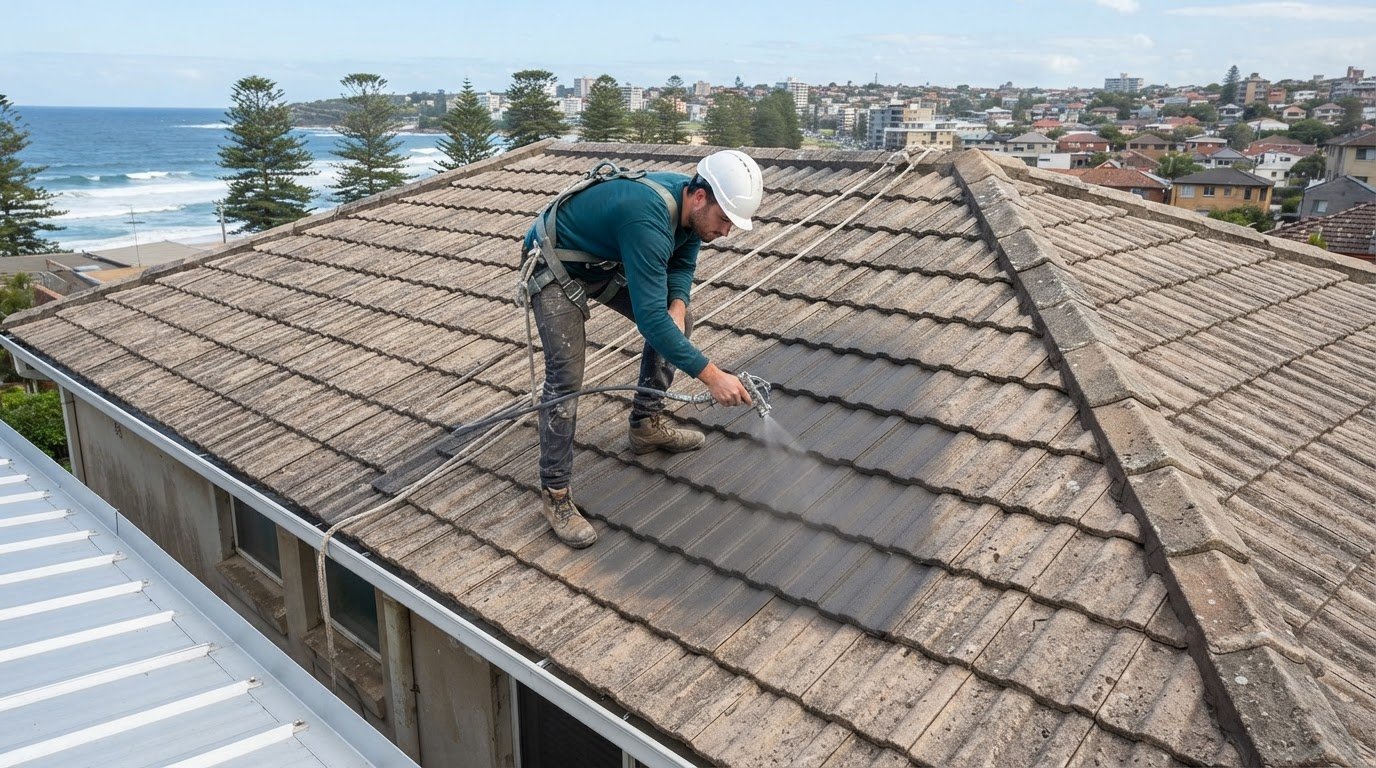
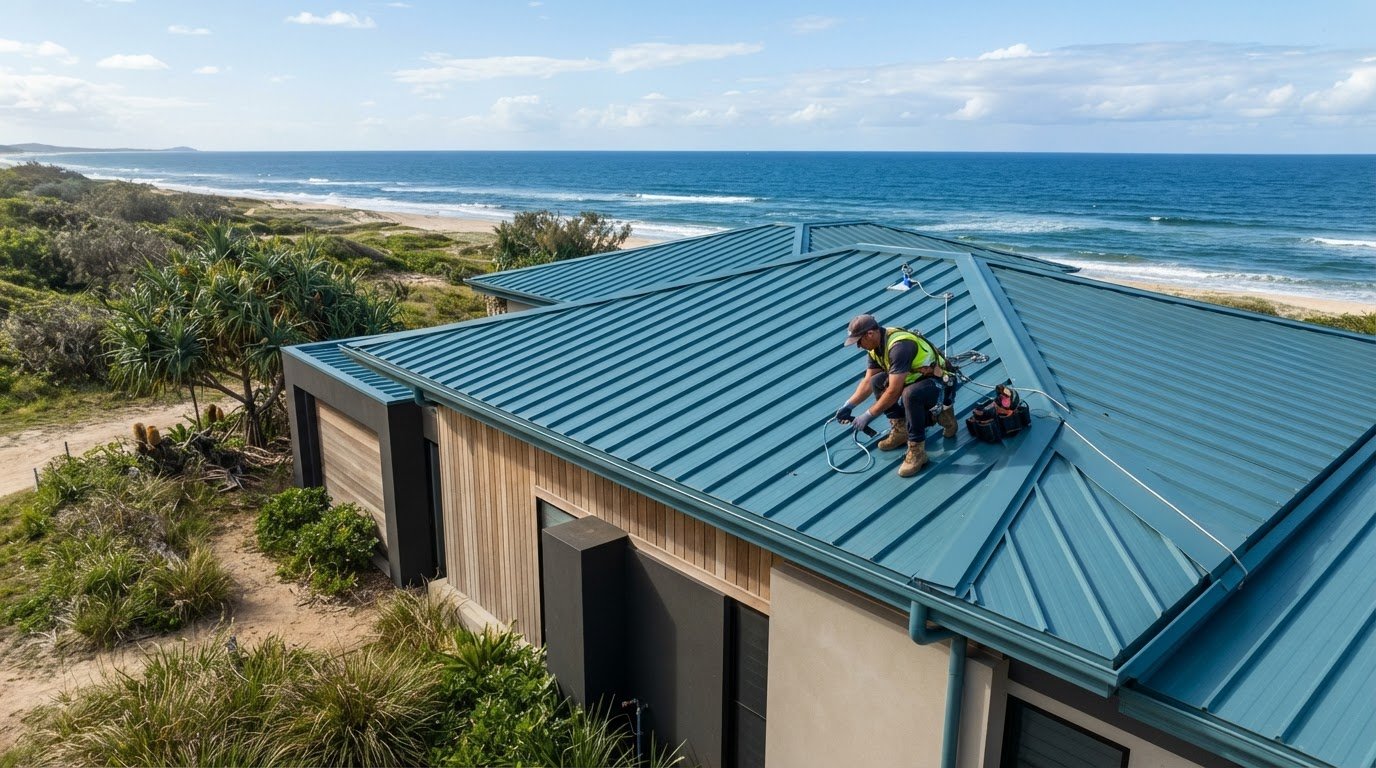
What if a coastal roof’s durability depends on more than the sheets you choose? Salt-laden air, moisture and exposure to breaking surf can all affect roofing. The benefits of Colorbond roofing in coastal areas include a durable, practical option, but product selection and careful installation matter. No roofing material is immune to its environment.
It’s understandable to want confidence that a new roof can handle coastal conditions without deteriorating prematurely. The right choice depends on your property’s exposure, the steel selected and how the complete roof system is installed and maintained. Flashings, fasteners and water-management details all play a part.
This guide explains the coastal benefits and limitations of Colorbond roofing, including why distance from the surf matters when selecting a product. You’ll also learn which roof-system details to consider before installation and how regular care can help protect your investment. Roof Plumbing Expert provides Colorbond Roofing alongside Roof Flashing & Waterproofing, helping homeowners plan a roof suited to its site.
Key Takeaways
- The benefits of Colorbond roofing in coastal areas depend on the property’s exposure, so a coastal location alone doesn’t tell the whole story.
- Compare Colorbond roofing with other materials based on site conditions, appearance, care and project requirements.
- Product selection is only part of the plan. Roof flashings, fasteners and water-management details matter too.
- Take a practical approach: assess exposure, review product guidance, plan installation and arrange ongoing care.
- Roof Plumbing Expert provides Colorbond Roofing with licensed tradespeople on every job and is Fully licensed and insured.
Why coastal conditions put extra pressure on roofing
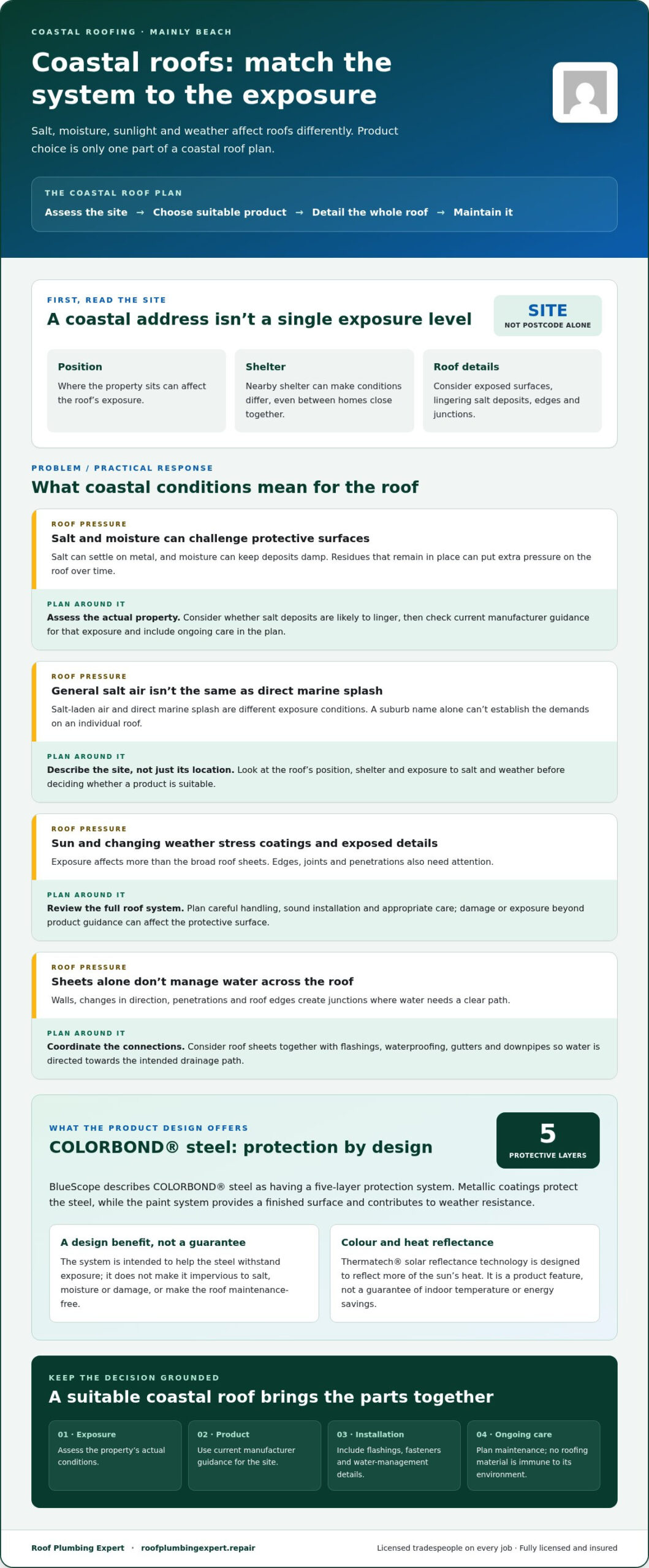
Coastal exposure combines salt carried in the air, moisture, strong sunlight and changing weather. Salt can settle on metal, and moisture can keep deposits damp. Sun and weather also put stress on coatings and exposed details over time. These conditions make product selection and roof-system design important, but not every home near the coast faces the same level of exposure.
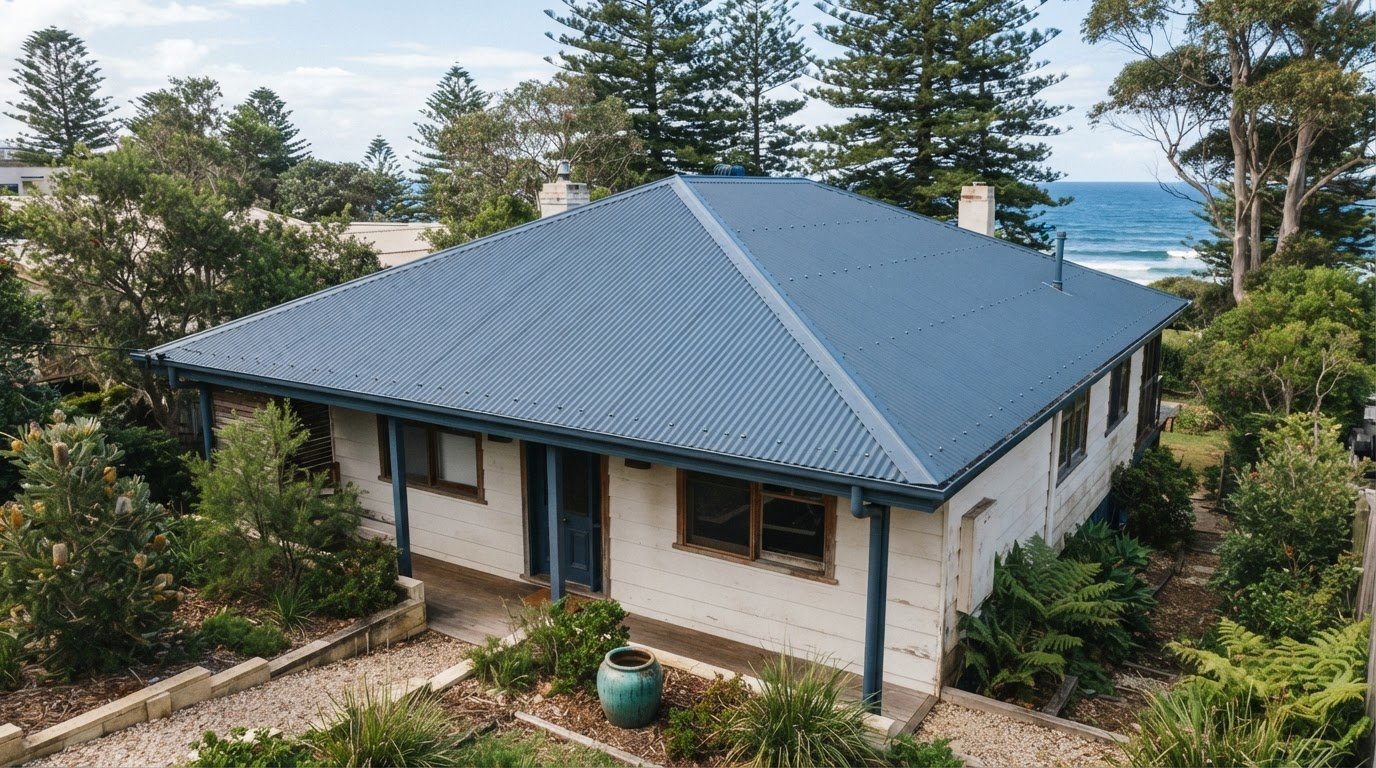
A coastal address describes a setting, not a single universal exposure level. In Mainly Beach, a home exposed directly to marine conditions may face different demands from a more sheltered property. The benefits of Colorbond roofing in coastal areas therefore depend partly on matching product guidance to the property, then supporting the choice with sound installation and ongoing care.
How salt air and moisture affect a roof
Salt deposits and moisture can challenge a roof’s protective surfaces over time, particularly if residues remain in place. General exposure to salt-laden air differs from direct marine splash, where salt water can reach surfaces more directly. That distinction matters when assessing a site, but it shouldn’t be treated as a one-size-fits-all rule about suitability.
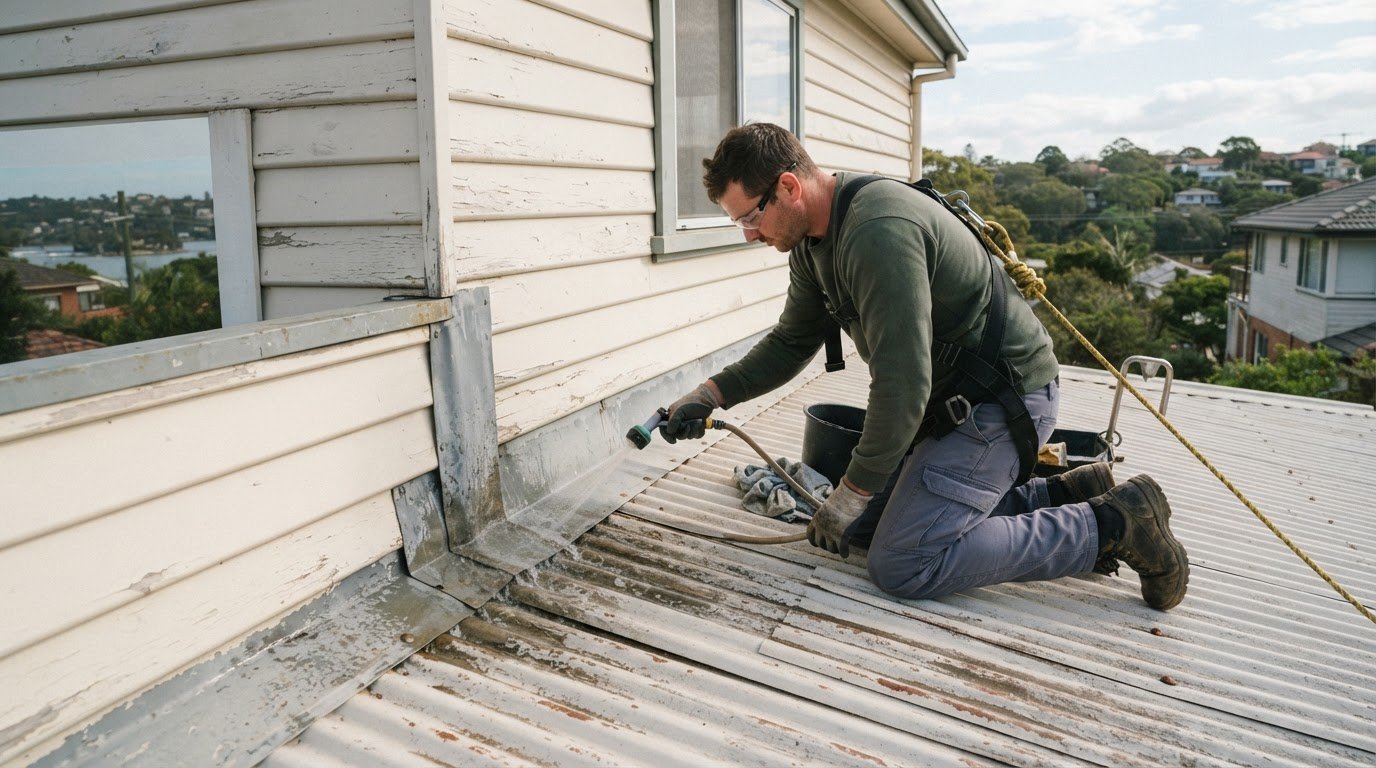
Look beyond the broad roof sheets. Edges, joints and penetrations, including areas around roof openings, are part of the roof system and deserve attention during assessment and maintenance. Water management and well-finished Roof Flashing & Waterproofing details matter too, because the roof’s performance depends on how its components work together. Broader pressures on coastal areas, including erosion and flooding, are discussed in Coastal Management Strategies.
Why local exposure matters in Mainly Beach
A suburb name alone can’t determine the conditions at an individual roof in Mainly Beach. A property’s position, exposure to salt and weather, and the shelter around the roof all inform the assessment. Even nearby homes can have different exposure because their immediate settings differ.
Start with the actual site, not assumptions based only on a map or postcode. Consider how exposed the roof surfaces are, whether salt deposits are likely to linger, and which edges and junctions need close attention. Product suitability should follow current manufacturer guidance for that exposure, with installation quality and appropriate care included in the plan. This gives homeowners a practical basis for choosing and maintaining a roof, rather than treating every coastal property as equally exposed.
How Colorbond roofing is designed to handle coastal conditions
Colorbond roofing is made from pre-painted steel with protective layers designed to help shield the base metal from the elements. BlueScope describes COLORBOND® steel as having a five-layer protection system. The layers work together: metallic coatings protect the steel, while the paint system provides a finished surface and contributes to weather resistance. That design makes it an option to consider for coastal homes, but the product still needs to suit the site.
The protective coating and paint system help shield the steel from exposure, but the roof’s performance still depends on suitable product selection, sound installation and care. Scratches, damage or exposure beyond the product’s guidance can affect the protective surface. Durability is a design benefit, not a promise of a maintenance-free roof or a fixed service life.
What the protective coating system contributes
The layered system is intended to provide protection at the surface and beneath the paint finish. Its role is to help the steel withstand exposure, not to make it impervious to salt, moisture or damage. Use BlueScope’s current product guidance when selecting roofing for a specific coastal location. Installation and maintenance matter as well: a suitable sheet still needs careful handling and a correctly detailed roof system.
Colour is another practical consideration. The finish can complement a home’s exterior, and the manufacturer’s range gives homeowners options to weigh against the building’s style. BlueScope also describes Thermatech® solar reflectance technology as designed to reflect more of the sun’s heat. Treat this as a product design feature, not a guarantee of a particular indoor temperature or energy saving. Consider colour and finish alongside roof shape, exposure and the property’s overall design.
Why the roof system matters beyond the sheets
Roof sheets are only one part of the job. Where a roof meets a wall, changes direction or surrounds a penetration, carefully formed junctions help direct water towards the intended drainage path. Poorly considered edges or transitions can leave weak points, even when the roofing material itself suits the site.
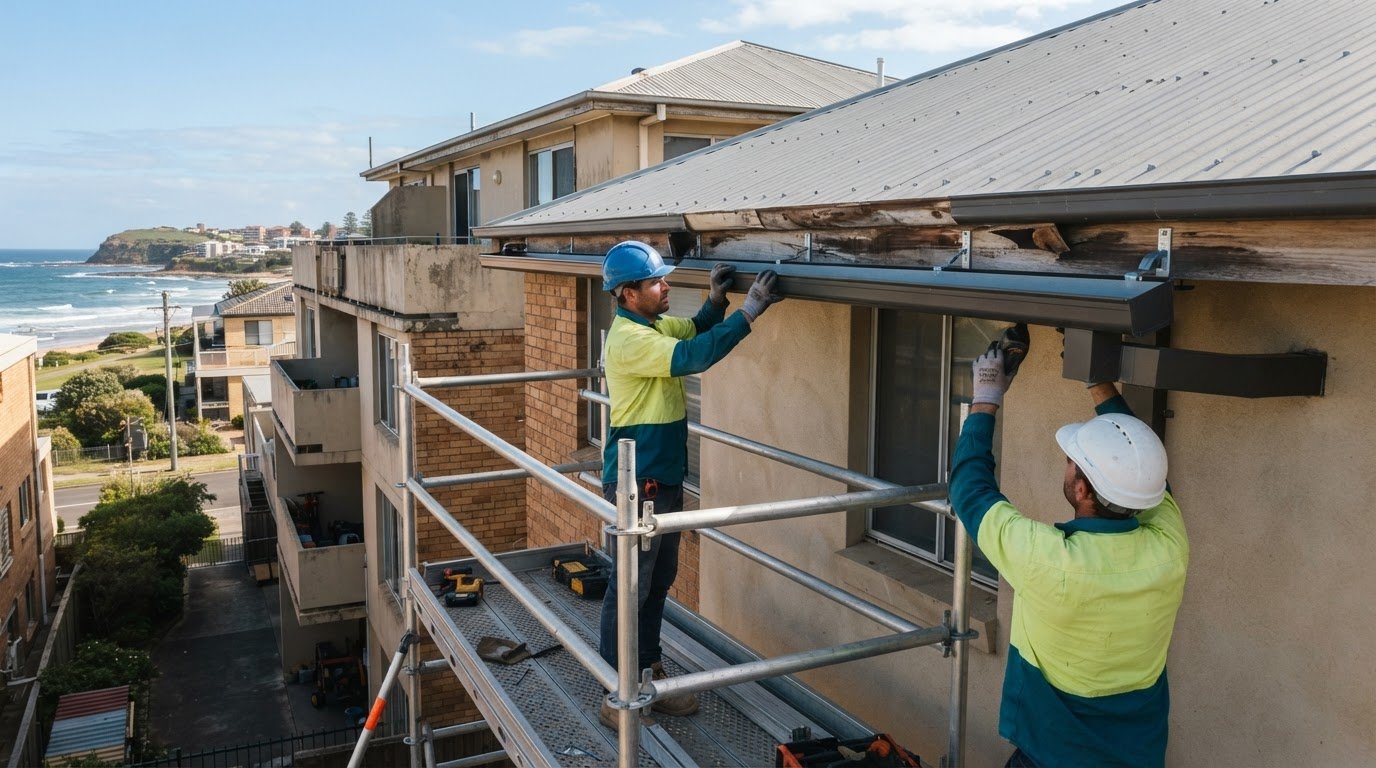
A coastal roof plan should coordinate the sheeting with Roof Flashing & Waterproofing and the gutters and downpipes that carry rainwater away. Coordinated drainage helps manage water across the whole roof, rather than treating each component as a separate decision. Assess these connections before work begins.
Roof Plumbing Expert provides Colorbond Roofing with licensed tradespeople on every job. An assessment can consider the roof sheets alongside the flashings and water-management details, helping homeowners plan the system as a whole.
Is Colorbond the right coastal roofing choice for every property?
No single roofing material is automatically right for every coastal home. The benefits of Colorbond roofing in coastal areas depend on choosing a product suited to the property’s exposure and designing the roof system around the building. A coastal address alone doesn’t settle the question. The existing roof structure, preferred appearance, maintenance expectations and drainage all deserve consideration.
Use this comparison as a starting point, not a performance ranking. A specific product’s suitability depends on its manufacturer guidance and the conditions at the property.
| Material option | What to consider |
|---|---|
| Pre-painted steel, including Colorbond | Check the manufacturer’s coastal product guidance, finish and colour options, and how sheet edges, junctions and rainwater goods will be detailed. |
| Concrete or clay roof tiles | Consider how the material fits the existing roof design, the appearance you want and the care required for the complete roof system. |
| Aluminium roofing | Review product-specific suitability for the site, available finishes and compatibility with the roof design and drainage components. |
| Galvanised steel | Compare the product’s protective finish and exposure guidance with the property’s conditions, alongside appearance and maintenance needs. |
These categories aren’t interchangeable specifications. Products within a material type can differ, so avoid relying on broad claims about corrosion resistance, service life or maintenance. Focus on documented product guidance and how each option suits the actual project.
What to compare before choosing a coastal roof
Start with the site’s exposure, then consider the roof as a whole. Assess how the chosen material will work with the existing roof form, the home’s appearance, maintenance expectations and its gutters, downpipes and flashings. A roof replacement may also involve details around penetrations and junctions, so the project scope matters as much as the sheet material. Comparing these factors together helps prevent choosing on colour or initial appeal alone.
Coastal location doesn’t remove the need to assess specifications and detailing. An otherwise suitable material can be undermined by poor product selection or poorly coordinated roof components. A professional roof assessment connects the property’s conditions with material choice, installation details and water management.
When product-grade guidance needs closer attention
BlueScope’s coastal product guidance differentiates products by proximity to breaking surf. Its guidance identifies COLORBOND® Ultra for severe marine environments, typically 100 to 200 metres from breaking surf, and standard COLORBOND® steel for locations more than 200 metres away. For very severe marine environments, typically within 100 metres, it recommends SUPERDURA® Stainless Steel. These are manufacturer product-selection recommendations, not a universal rule that every property in a distance band has identical exposure.
Use current manufacturer guidance for the specific site and product. The grades named here describe BlueScope’s guidance. Roof Plumbing Expert provides Colorbond Roofing, with product selection considered in relation to roof conditions and the project’s flashing and drainage requirements.
How to plan and maintain a coastal Colorbond roof
A practical plan treats the roof as a connected system, not just a choice of sheeting. Work through the decisions in order, from understanding the site to arranging ongoing care. This helps homeowners get the benefits of Colorbond roofing in coastal areas while keeping product guidance, installation details and water management in view.
- Assess the property’s exposure. Consider how open the roof is to salt-laden air, moisture and weather, along with any shelter provided by the immediate surroundings.
- Confirm current product guidance. Use the manufacturer’s recommendations for the selected product and the property’s conditions. Keep relevant product-care instructions for future reference.
- Plan the whole roof. Include sheet layout, edges, junctions, roof penetrations, flashings, gutters and downpipes in the project scope.
- Install and inspect. Ensure sheets and connected components are fitted and finished with care, then check visible areas and drainage as part of ongoing maintenance.
- Maintain to product instructions. Follow the manufacturer’s care guidance for the specific roofing product, rather than relying on generic cleaning advice.
Gutters and downpipes are part of that plan. Their capacity and placement affect how rainwater is carried away from the roof, so coordinate them with the roofing and flashing work. The gutter and downpipe installation guide explains what homeowners can consider when planning these components.
Installation details that support reliable roof performance
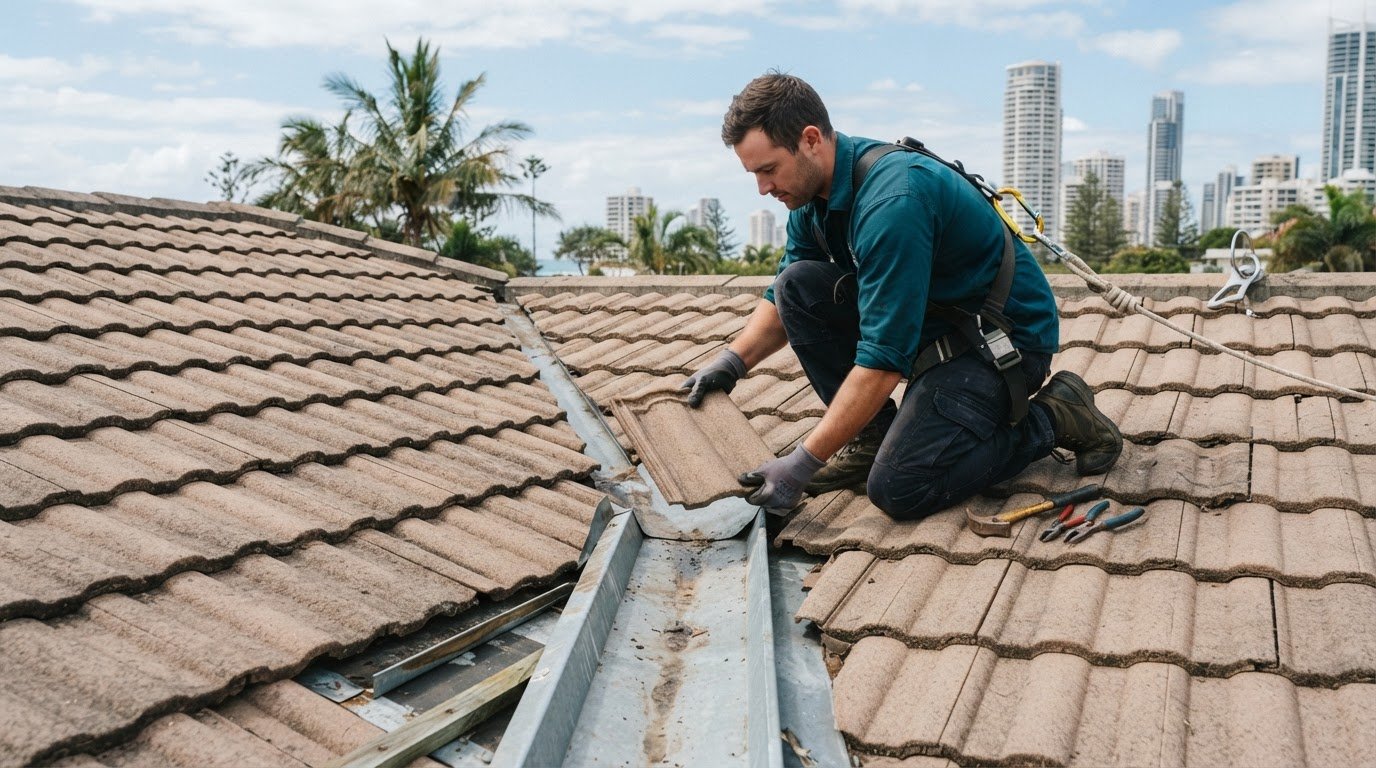
Accurate sheet placement and fixing help the roof function as intended, while carefully finished junctions help manage water where roof surfaces meet. Chimneys, skylights, valleys and roof edges each need suitable detailing for their location and shape. Consider Roof Flashing & Waterproofing alongside the sheeting so transition points form part of a coherent roof design. Sound workmanship supports performance, but no installation detail should be treated as a guarantee against leaks.
Coastal roof maintenance homeowners can plan for
Make maintenance specific to the product. Follow its current manufacturer care instructions, and arrange periodic checks of visible roof areas without climbing onto the roof yourself. Look for obvious damage or changes around penetrations and junctions, and keep gutters and downpipes clear of leaves or other debris so water can drain as intended. If you notice a concern, a professional assessment can help identify whether the roof, flashing or drainage needs attention.
Regular attention to these details helps homeowners respond to developing issues rather than overlooking the roof system between major works. For more on managing junctions and water entry points, the roof waterproofing homeowner’s guide provides related planning advice.
Roof Plumbing Expert provides Colorbond Roofing and related roof plumbing work, with licensed tradespeople on every job. Plan your coastal Colorbond roofing project with the roof sheets, flashings and drainage considered together.
Plan Colorbond Roofing with Roof Plumbing Expert
Choosing a coastal roof involves more than selecting sheets. The property’s exposure, roof layout, flashings and drainage all need to be considered together. Roof Plumbing Expert provides Colorbond Roofing as part of a practical assessment of the roof and its related roof plumbing, helping homeowners understand how the proposed work fits the building and its conditions. The aim is to plan carefully, not promise a result that no material or installation can guarantee.
Sheet selection is only one part of the project. Roof edges, junctions, penetrations and water-management components also need attention. Considering these details together helps homeowners make informed decisions about the benefits of Colorbond roofing in coastal areas and the care the roof may need over time.
What Roof Plumbing Expert brings to a coastal roofing project
With over a decade of industry experience, Roof Plumbing Expert develops Colorbond solutions around each project’s requirements. The team uses premium materials and communicates transparently, so homeowners can understand the work being considered and how roofing connects with related components such as flashings and drainage. Clean, respectful work practices help keep the job site orderly while work is underway.
Roof Plumbing Expert is Fully licensed and insured, with licensed tradespeople on every job. The business also uses the wording Licensed, Insured & Guaranteed. These details help homeowners understand who is carrying out the work, while the roof assessment remains specific to the property rather than a blanket assurance about coastal performance.
For a home exposed to coastal conditions, a project discussion can cover the roofing work alongside Roof Flashing & Waterproofing and water management. Considering these details together makes it easier to see how the sheets, junctions and drainage components fit before work begins.
Discuss your coastal roofing project
Roof Plumbing Expert serves Dee Why, Narrabeen, Manly and Freshwater, as well as the Northern Beaches and named Central Coast NSW suburbs. For homeowners in Mainly Beach planning a roof replacement or considering Colorbond Roofing, Roof Plumbing Expert can discuss the property’s needs and related roof plumbing work. The right scope depends on the roof and its exposure, so a clear assessment is a useful place to start.
Roof Plumbing Expert’s core values are Honesty, quality, and reliability. If you’re planning coastal roofing work, discuss Colorbond Roofing with Roof Plumbing Expert and outline what your roof needs.
Make your next roofing decision with confidence
Before settling on a roofing option, record what matters most at your property: how exposed the roof is, which existing details need attention and what you expect from ongoing care. This gives you a clearer starting point for weighing the benefits of Colorbond roofing in coastal areas against your home’s actual needs, rather than choosing on appearance alone.
A coastal roof is a long-term part of your home’s protection. A useful next step is a project-specific discussion that considers the property as a whole and turns your questions into a practical plan. You don’t need every technical detail worked out before starting that conversation.
Roof Plumbing Expert is Fully licensed and insured, with over a decade of industry experience in Colorbond Roofing and Roof Flashing & Waterproofing. For a measured discussion about your roof and the work it may need, discuss Colorbond Roofing with Roof Plumbing Expert.
Frequently Asked Questions
Is Colorbond roofing suitable for homes near the ocean?
Yes, COLORBOND® steel can suit some homes near the ocean, as it’s designed for Australian conditions, but no grade should be assumed suitable for every site. For a coastal home in Mainly Beach, assess how exposed the roof is and follow BlueScope’s current product guidance. Ocean proximity can influence product selection, while correct installation and product-specific maintenance remain important.
Can salt air cause corrosion on a Colorbond roof?
Yes, salt and moisture can challenge roof surfaces over time, particularly if the protective coating is damaged or compromised. COLORBOND® steel has a protective coating system, but that doesn’t make corrosion impossible. Consider the roof’s exposure and condition, including any visible scratches or deterioration, and follow current manufacturer guidance for care. If damage is apparent, arrange a professional assessment rather than assuming the coating remains intact.
How often should a Colorbond roof be maintained near the coast?
There isn’t one maintenance interval that suits every coastal Colorbond roof. Follow the current care instructions for the selected product and take the property’s exposure and roof condition into account. During routine property checks, look for visible changes, blocked gutters or downpipes, and issues around roof penetrations. If you notice damage or signs of water entry, seek professional attention so the cause can be assessed.
What happens if Colorbond roofing is installed incorrectly in a coastal area?
Poor installation or inadequately detailed junctions can undermine a roofing system, regardless of the material. For example, poorly finished transitions around a skylight or valley may affect how water is managed, though the outcome depends on the specific roof. Correctly installed sheets, flashings and drainage details all matter. Roof Plumbing Expert provides Colorbond Roofing and Roof Flashing & Waterproofing as related parts of roof work.
Is COLORBOND® Ultra always required for a coastal home?
No. Product selection should follow current manufacturer guidance for the property’s location and exposure. BlueScope’s COLORBOND® steel FAQ raises COLORBOND® Ultra as a consideration for homes close to the ocean, but that doesn’t establish one answer for every coastal site. The roof’s setting and conditions still need to inform the decision.
Can Colorbond roofing work with coastal gutters and downpipes?
Yes. Roofing, gutters and downpipes can be planned together as parts of the property’s rainwater-management system. BlueScope provides coordinated colour options for COLORBOND® steel roofing and rainwater goods, which can help create a consistent exterior appearance. Colour coordination alone doesn’t improve roof performance. The layout, detailing and drainage still need to suit the building so water can be directed away as intended.
Does a Colorbond roof need special cleaning in coastal areas?
Use the current manufacturer maintenance instructions for the specific product rather than applying generic cleaning advice. Coastal exposure and the roof’s condition can affect the care it needs, so guidance for one product or property may not suit another. Check visible areas as part of general property care, and take note of changes to the roof surface. Avoid unapproved cleaning products or methods, and follow the manufacturer’s directions.