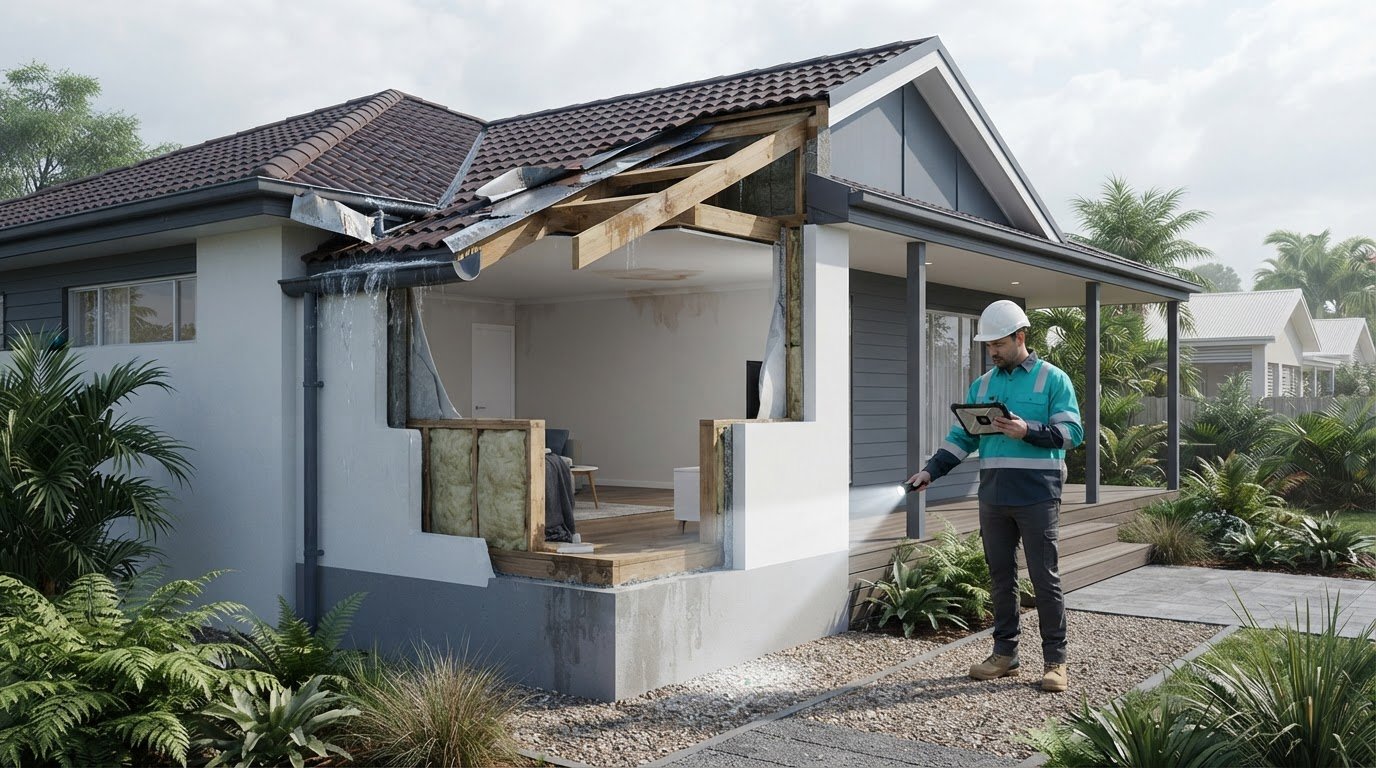
What if that tiny, discoloured patch on your ceiling is actually a warning sign of a failing membrane that could cost you thousands in structural repairs? It’s incredibly frustrating to deal with conflicting advice from different tradies while your home’s interior suffers from slow, undetected leaks. You want a permanent fix, not a temporary patch that fails during the next heavy downpour. Finding the right roof waterproofing solutions NSW homeowners can trust is about more than just applying a sealant; it requires a precision-engineered approach that meets the latest Australian Building Standards.
We understand that protecting your biggest investment is your top priority. In this guide, you’ll discover the most effective waterproofing methods for NSW homes to stop leaks and protect your property from the harshest East Coast weather. We’ll provide a clear overview of the latest National Construction Code 2026 requirements, explain how to choose a solution that fits your specific roof material, and show you how to ensure your home remains dry and compliant for years to come. Whether you’re dealing with rusted flashing or a failing old membrane, we’ll help you find the right path to a leak-free home.
In this guide, you will learn:
- How the unique NSW climate, from intense UV radiation to volatile East Coast Lows, necessitates a proactive barrier system for your home.
- The technical differences between liquid and sheet membranes, including a comparison of their cost-to-longevity ratios for Sydney properties.
- Why professional roof flashing and plumbing are the essential connective tissues that support any effective roof waterproofing solutions NSW.
- The importance of tailoring your waterproofing method to specific materials, such as addressing the porous nature of older concrete tiles.
- How to identify a qualified specialist by checking for licensing and insurance to ensure your project meets Australian Building Standards.
Understanding Roof Waterproofing Solutions in the NSW Climate
Effective Waterproofing isn’t just about slapping on some sealant after a leak appears. It’s a proactive, multi-layered barrier system designed to prevent water ingress before it ever reaches your structural timbers or ceiling plaster. In our region, roof waterproofing solutions NSW must be engineered to withstand conditions that would shred standard materials in other parts of the world. A truly waterproofed system differs from a water-resistant one; while water-resistant materials might shed most rain, a fully waterproofed system creates an impenetrable seal that holds up even under hydrostatic pressure.
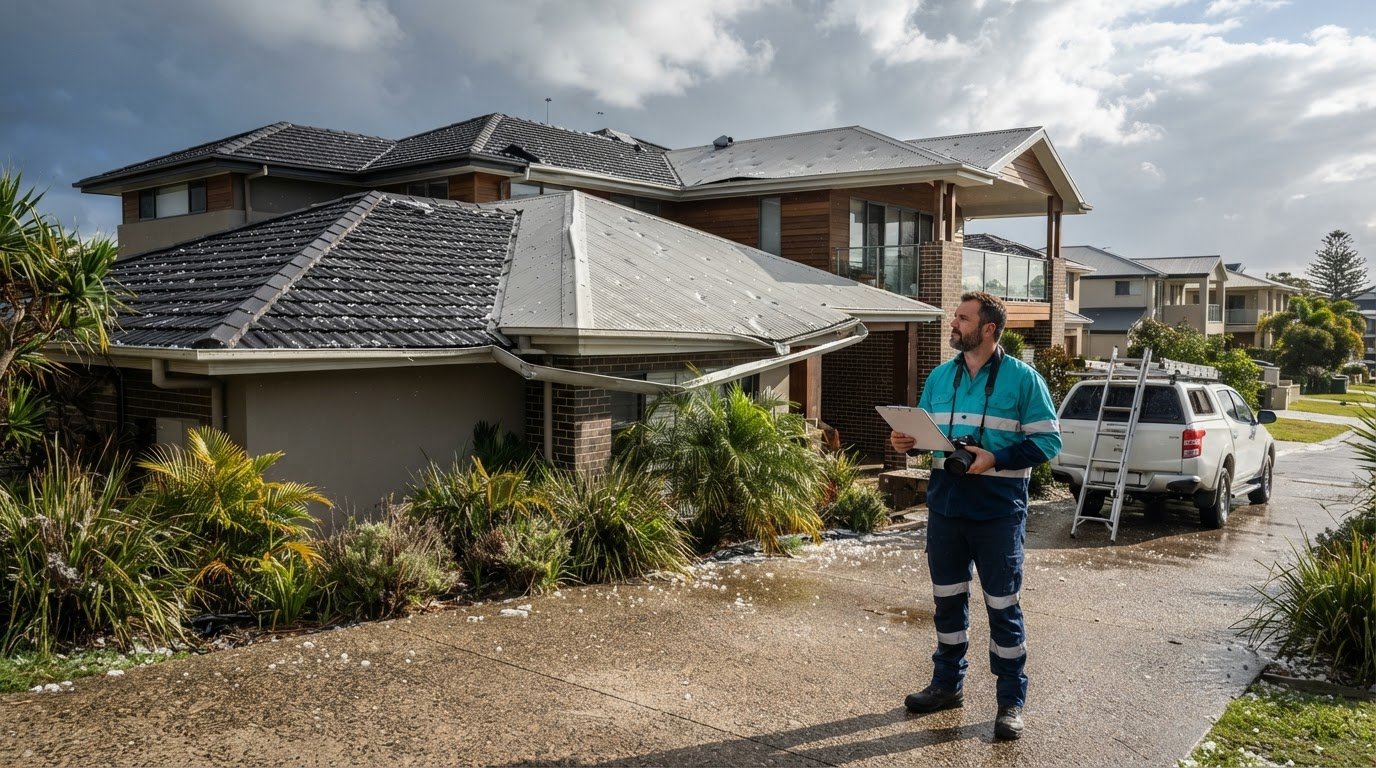
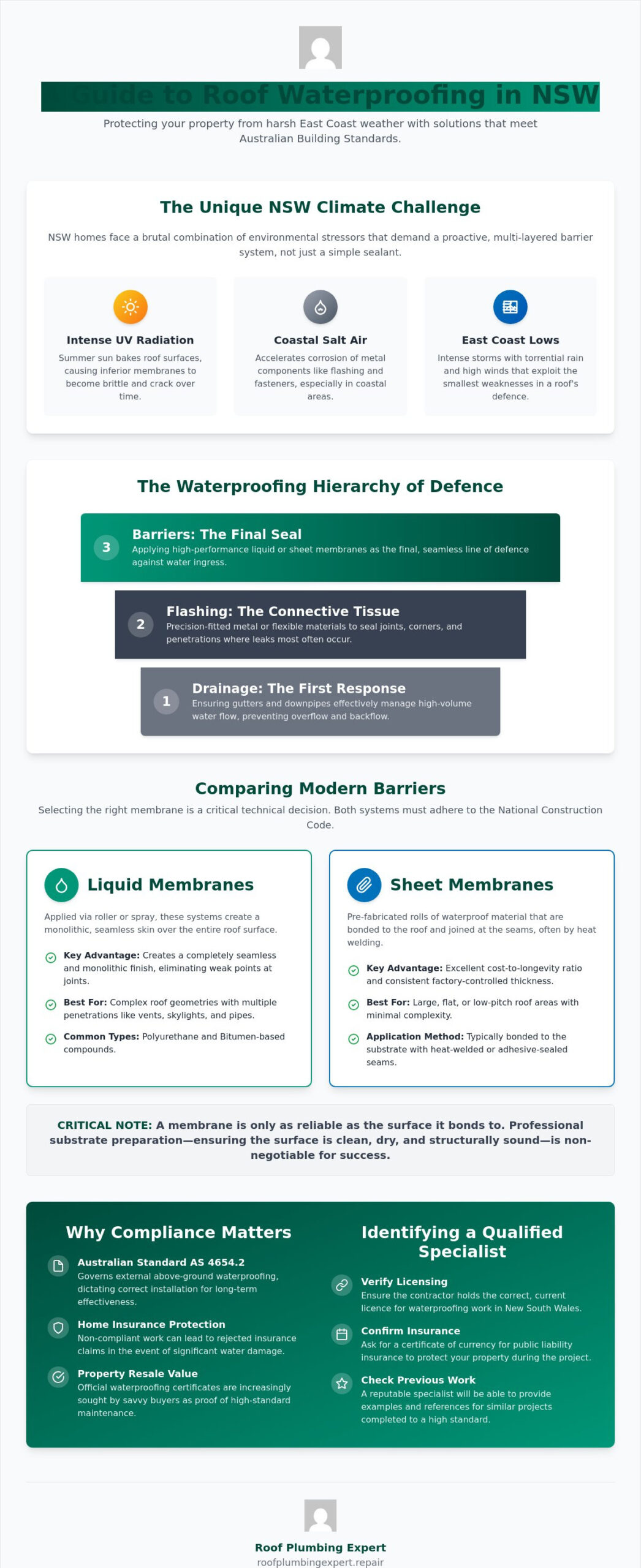
NSW homes face a brutal combination of environmental stressors. High UV levels in the summer bake roof surfaces, causing many inferior membranes to become brittle and crack. If you live near the coast, such as around Manly Beach, salt air accelerates the corrosion of metal components and fasteners. Then there are East Coast Lows. These intense low-pressure systems bring torrential rain and gale-force winds that find even the smallest weakness in a roof’s armour. To achieve lasting protection, we follow the “Waterproofing Hierarchy”:
- Drainage: Ensuring gutters and downpipes can handle high-volume flow without overflowing into the eaves.
- Flashing: Using precision-fitted metal or flexible materials to seal the “connective tissue” where different roof planes meet.
- Barriers: Applying high-performance liquid or sheet membranes as the final, seamless line of defence.
Why Traditional NSW Roofs Fail During Heavy Rain
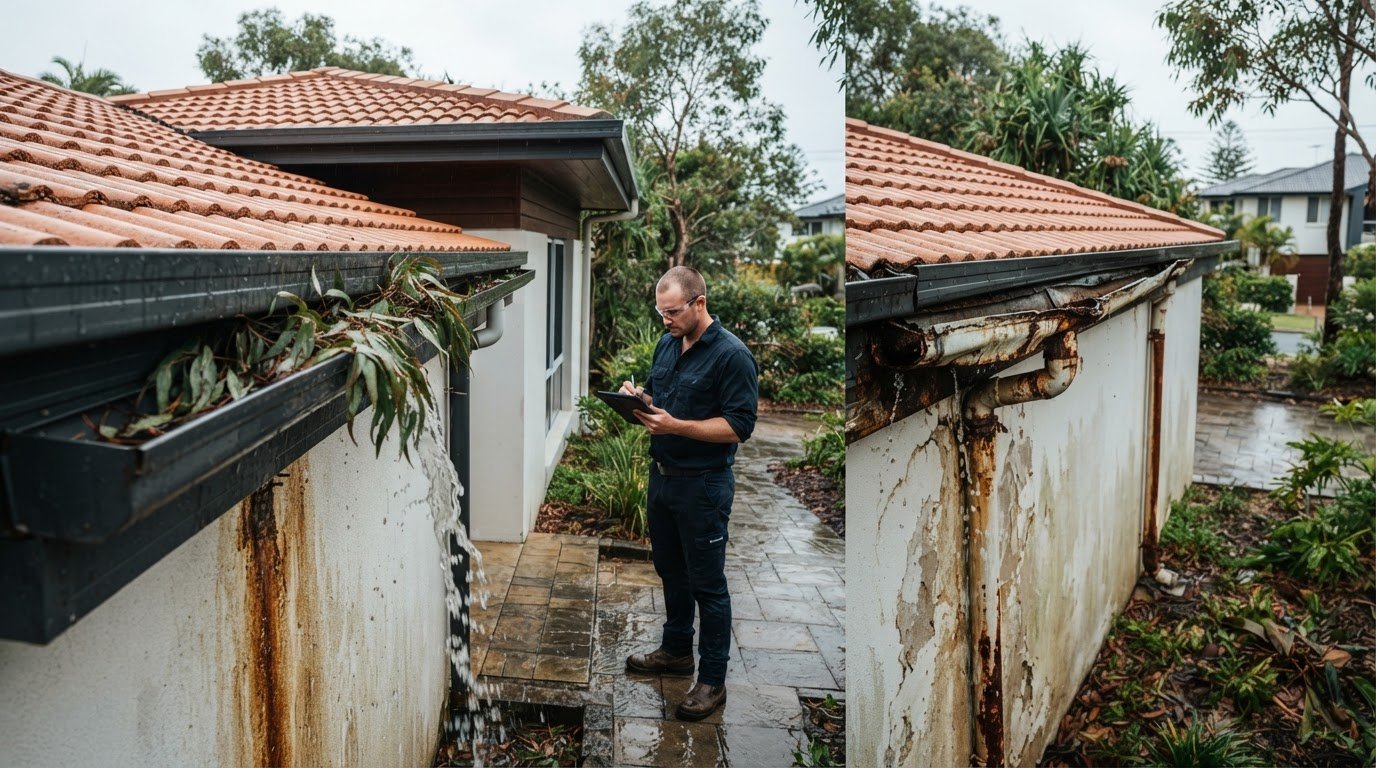
Most roof failures occur when the system is overwhelmed by volume. During flash flooding, standard guttering often reaches capacity, leading to backflow into the roof cavity. Metal roofs, particularly Colorbond, are also susceptible to thermal expansion. As the metal heats and cools, it moves, which can eventually pull at screws or break the seals around penetrations like skylights. On low-pitch sections, “ponding water” is a major culprit. When water sits for days without draining, it finds its way through microscopic gaps that would otherwise remain dry during a light shower.
The Legal and Structural Importance of Compliance
In New South Wales, external above-ground waterproofing is governed by Australian Standard AS 4654.2. This standard dictates how membranes must be installed to ensure they remain effective over the long term. Cutting corners isn’t just a structural risk; it’s a legal one. If a leak causes significant damage and the original work wasn’t compliant, your home insurance provider may reject the claim entirely. Beyond protection, professional certification plays a massive role in property resale value. Savvy buyers in Sydney now look for waterproofing certificates as proof that the home has been maintained to a high standard by a licensed specialist.
Liquid Membranes vs. Sheet Membranes: Comparing Modern Barriers
Selecting the right barrier is the most critical technical decision you’ll make when exploring roof waterproofing solutions NSW. While the choice often depends on your roof’s geometry and budget, both systems must adhere to the strict standards set by the National Construction Code to ensure structural safety. Before any membrane is applied, substrate preparation is paramount. We always ensure the surface is structurally sound, clean, and completely dry. Any dust or moisture trapped beneath the barrier will inevitably lead to bubbling and premature failure. A membrane is only as reliable as the surface it bonds to.
Liquid systems are typically applied by spray or roller, creating a monolithic skin over the roof. In contrast, sheet membranes are pre-fabricated rolls that are bonded to the substrate and joined at the seams, often through heat welding. While sheet systems generally offer a higher cost-to-longevity ratio for large, flat areas, liquid membranes provide unmatched flexibility for intricate designs. If you are unsure which barrier suits your property, a professional roof leak detection and repair assessment can identify the specific vulnerabilities of your current setup and recommend the most durable path forward.
Liquid Applied Membranes (Polyurethane and Bitumen)
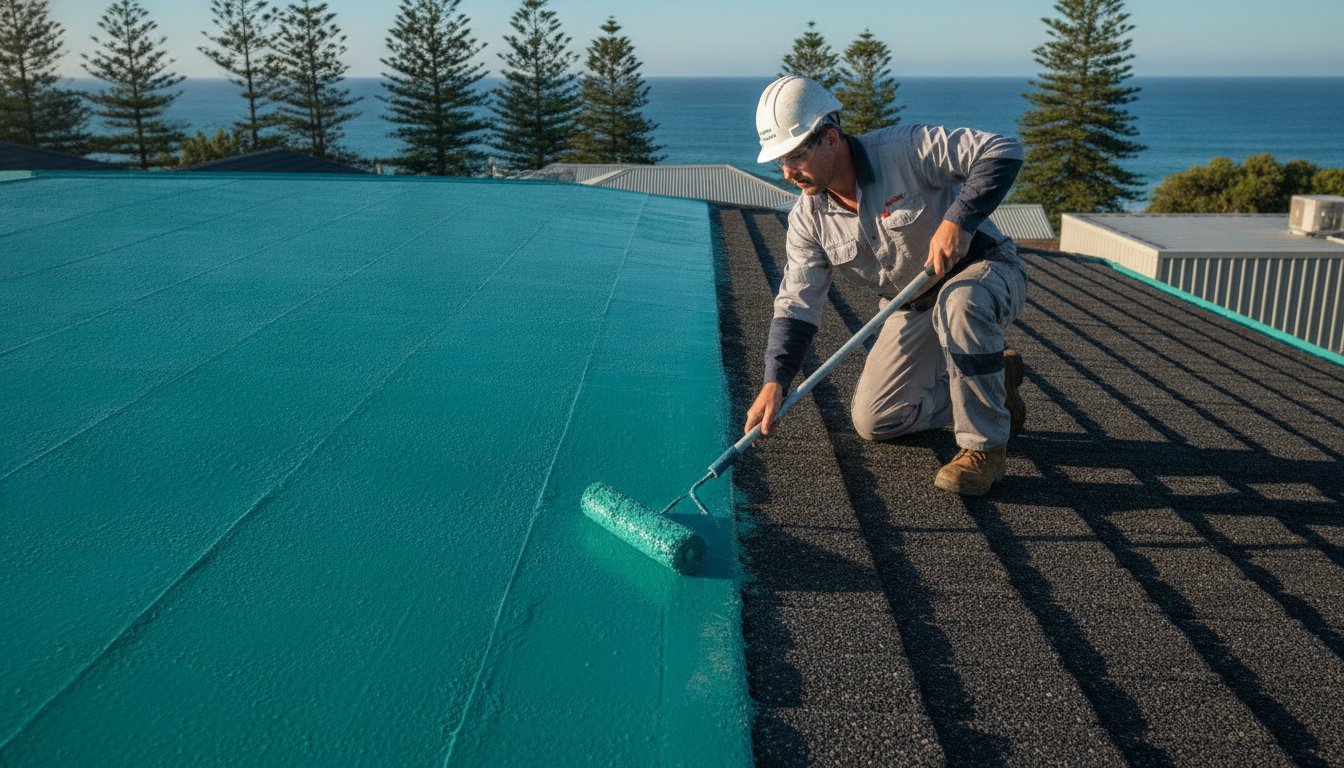
The primary advantage of liquid systems is their ability to create a seamless finish. This makes them the ideal choice for roofs with numerous penetrations, such as vents, skylights, or air conditioning units. Because the material is applied as a fluid, it flows into every corner and crevice, eliminating the risk of seam failure that can plague sheet products in tight spaces. For exposed NSW roofs, choosing a product with high UV stability is essential to prevent the membrane from cracking under the intense summer sun. These systems are also highly effective for residential balconies and small flat sections where precision detail work is required to ensure a watertight seal.
Sheet Membranes (PVC, TPO, and EPDM)
Sheet membranes represent the gold standard for durability in commercial and large-scale residential projects across Sydney. PVC and TPO sheets are particularly popular due to their high puncture resistance and exceptionally long service life. During installation, the seams are heat-welded together using specialised equipment. This process creates a permanent, waterproof bond that is often stronger than the sheet itself. This makes them the superior choice for large flat roofs, green roofs, or ballasted systems where the membrane remains under constant pressure. While the upfront investment for sheet membranes is higher than liquid alternatives, the significantly reduced maintenance requirements often make it the more economical choice for roof waterproofing solutions NSW over a twenty-year period.
The Critical Role of Roof Flashing and Plumbing in Waterproofing
A common misconception among homeowners is that a high-tech membrane is a magic bullet for all leaks. In reality, even the most advanced liquid or sheet system is fundamentally compromised if the surrounding roof plumbing and flashing are failing. Flashing acts as the connective tissue of a waterproof roof, sealing the critical junctions where different surfaces meet. These areas, including chimneys, skylights, and valleys, are the most frequent entry points for water. If these transitions aren’t secure, water will simply bypass your primary barriers and cause internal damage regardless of how much you spent on the membrane itself.
Comprehensive roof waterproofing solutions NSW must address these mechanical seals with the same precision as the barrier application. Scientific data, such as CSIRO research on waterproofing durability, confirms that the long-term performance of any waterproofing system depends heavily on the integrity of these joints and interfaces. If the flashing is brittle, improperly seated, or corroded, the entire system is at risk. We treat the roof as a single integrated hydraulic system where every component must work in unison to shed water effectively.
Why Flashing is the Number One Failure Point
Coastal NSW properties are particularly vulnerable to flashing failure due to the constant presence of salt air. We often encounter old lead or galvanised steel flashing that has been eaten away by corrosion, becoming porous over time. Another frequent oversight in older Sydney builds is the lack of proper counter-flashing on brickwork. This second layer of protection should be tucked directly into the mortar joints to prevent water from running down the wall and behind the roof-level seal. Identifying these subtle signs of flashing fatigue requires a specialist’s eye. Opting for expert roof flashing replacement NSW is often the most cost-effective way to stop a persistent leak that a membrane alone cannot resolve.
Integrating Gutters and Downpipes into Your Waterproofing Strategy
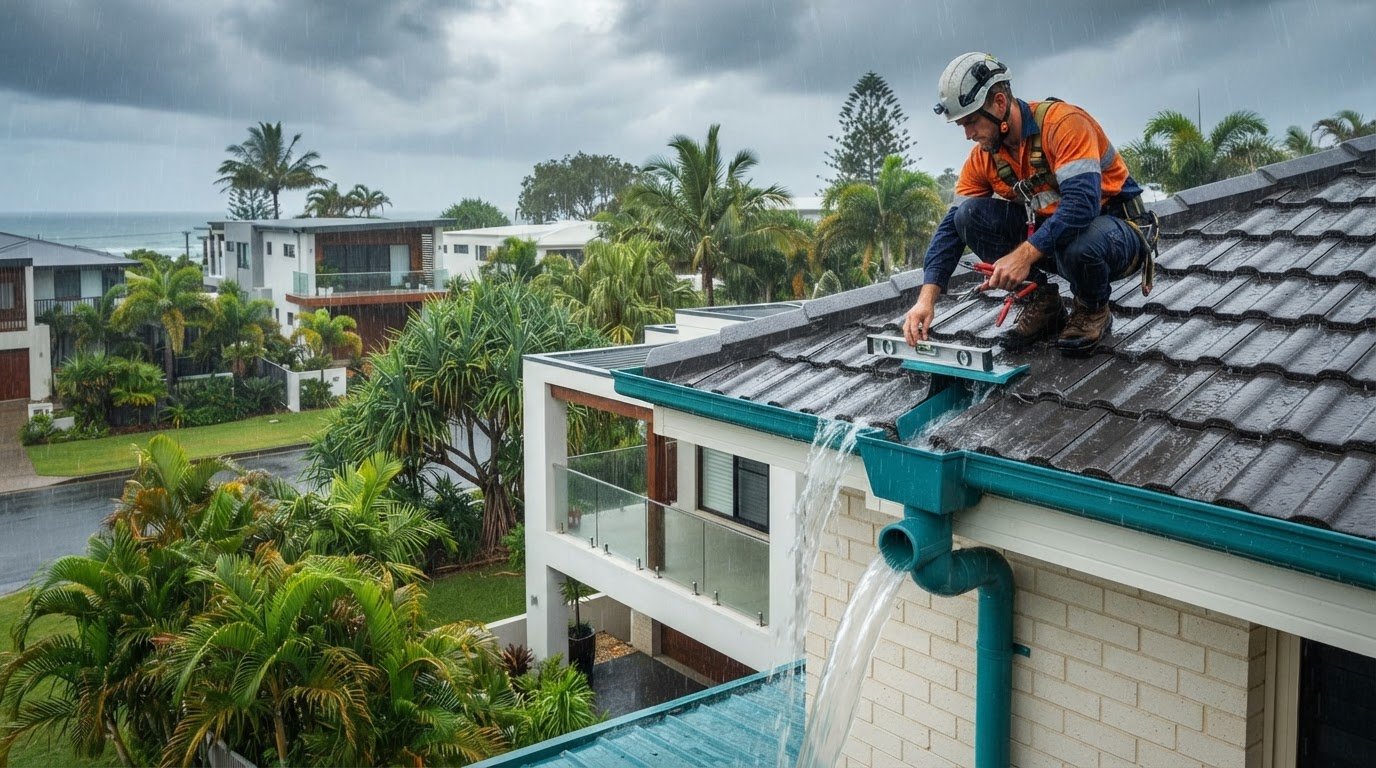
Effective waterproofing is as much about drainage as it is about barriers. When gutters overflow during a sudden Sydney downpour, the water often backs up under the roof sheets or tiles, bypassing the waterproofing system entirely. This leads to soaked ceilings and structural rot that homeowners often mistake for a roof hole. Many older homes have downpipes that are simply too small for modern storm intensities. Coordinating your waterproofing with a professional gutter and downpipe installation NSW ensures that water is cleared from your roof surface as fast as possible. This reduces the time water spends sitting on your membranes, which significantly extends their service life and maintains the dry integrity of your home.
Tailoring Waterproofing Solutions to Your Roof Material
Every roof material has a unique physical profile that dictates which roof waterproofing solutions NSW homeowners should implement. A strategy that works for a modern metal pavilion won’t be effective for a 1950s bungalow with concrete tiles. Before choosing a system, you need to identify the specific vulnerabilities of your substrate. Use this quick checklist to assess your current needs:
- Metal roofs: Look for rust at the lap joins or loose fasteners.
- Tile roofs: Check for cracked mortar in the ridge capping or porous, water-soaked tiles.
- Flat roofs: Identify areas where water sits for more than 48 hours after rain.
- Internal signs: Note any damp smells or “bubbling” paint on your top-floor ceilings.
Understanding these traits allows us to apply a targeted barrier that addresses the root cause of water ingress rather than just masking the symptoms. Whether you have a high-pitched gable or a contemporary flat terrace, the goal remains the same: creating a seamless, durable seal that moves with your building.
Colorbond and Metal Roofing Solutions
Metal roofs are prone to leaking at the “laps” where two sheets overlap. We use specialised lap sealing techniques and high-performance tapes to ensure these joins remain watertight during heavy wind-driven rain. A critical component in metal roofing is the anti-capillary break. This small groove in the metal profile prevents water from being “sucked” upward between the sheets through capillary action. While Colorbond is an exceptionally durable base, it still requires precision flashing around penetrations like skylights and vents to remain fully waterproof. If your metal roof is showing signs of age, we can reinforce these weak points with UV-stable membranes that bond directly to the steel.
Tile and Slate Roof Waterproofing
Concrete tiles in Sydney often become porous as they age, acting like a heavy sponge that holds moisture against your roof structure. This is why sarking, a heavy-duty foil underlay, is essential as a secondary waterproofing layer. It directs any water that seeps through the tiles safely into your gutters. Maintenance for these roofs usually involves rebedding and repointing the ridge capping to prevent water from entering the gaps. For older homes, a professional roof restoration Sydney is the most effective way to reseal the entire surface and restore the original water-shedding capabilities of the tiles.
Flat Concrete and Timber Decks
Flat roofs are the most challenging to waterproof because they don’t benefit from gravity-fed drainage. The “fall” or slope must be at least 1:80 to prevent ponding water from sitting on the membrane. For rooftop gardens, we utilise a “sandwich” method where the waterproofing membrane is protected by drainage cells and root barriers. To ensure the edges don’t peel or lift, we install termination bars that mechanically fasten the membrane to the parapet walls. This creates a permanent seal that can withstand the hydrostatic pressure of standing water.
If you’ve noticed damp patches or persistent leaks after a storm, don’t wait for structural damage to occur. You can request a comprehensive roof leak detection and repair inspection to identify exactly which solution fits your home’s material and design.
Selecting a Specialist and Maintaining Your Waterproofing
Choosing the right partner for your project is the final, most critical step in securing your property. When vetting contractors for roof waterproofing solutions NSW, you must verify their specific licensing and insurance. In New South Wales, waterproofing is a specialised trade that requires a current contractor licence to ensure the work meets Australian Standards. Avoid the temptation of “cheap” quotes from unlicensed handymen. While the initial price may be lower, failed waterproofing often leads to remedial costs that are significantly more expensive than the original installation due to the need for structural repairs and material stripping.
A proactive maintenance schedule is essential, especially for homeowners in coastal areas like Manly Beach where salt air and high humidity accelerate the breakdown of seals. We recommend a 12-month cycle to stay ahead of the elements:
- Spring: Clear all organic debris from gutters and valleys to prevent moisture traps and blockages.
- Summer: Inspect membranes for signs of UV-induced cracking, blistering, or delamination.
- Autumn: Check all flashing junctions and sealants before the peak storm season begins to ensure they remain flexible.
- Winter: Conduct an internal inspection of ceiling cavities for any signs of undetected dampness or water tracking.
The Professional Assessment Process
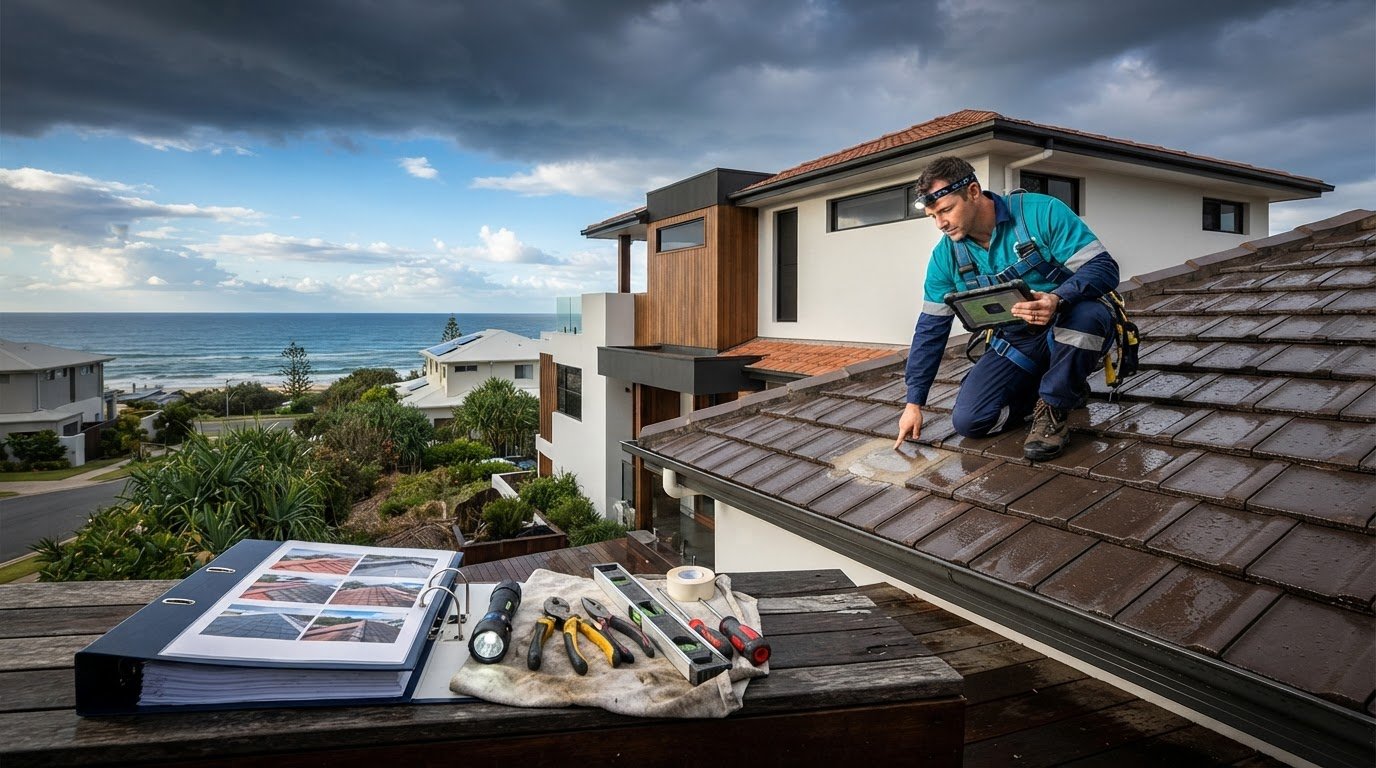
A seasoned specialist will never rely on a visual-only inspection for persistent or complex leaks. We utilise advanced diagnostic tools such as thermal imaging cameras to detect moisture patterns hidden behind walls or beneath the roof surface. In some cases, flood testing is performed to isolate specific sections of the roof and verify the integrity of the barrier under hydrostatic pressure. When you receive a professional quote, it should clearly detail the substrate preparation, the specific membrane type being used, and the warranty terms for both materials and workmanship. This transparency ensures you aren’t left with a “patch job” that fails during the next East Coast Low.
Waterproofing Skylights and Penetrations
Skylights are one of the most common failure points because they interrupt the natural flow of water across your roof. The interface between the skylight frame and the roof material requires a precision-engineered seal to prevent water from pooling at the top edge. For clusters of roof windows, we often install a custom box gutter solution to effectively channel high-volume runoff away from the penetrations. If you’re struggling with a damp patch beneath a roof window, following a guide on skylight waterproofing Sydney will help you understand the specific technical requirements for a permanent, leak-free fix.
Secure Your Home Against the Next NSW Storm
Protecting your property from the volatile East Coast climate requires a methodical approach that combines high-performance membranes with precision roof plumbing. We’ve explored how identifying the right roof waterproofing solutions NSW for your specific material, whether it’s Colorbond or aged concrete tiles, prevents the slow structural decay caused by undetected leaks. A reliable barrier is only one part of the puzzle; your flashing and drainage systems must also be in peak condition to meet Australian Building Standards and protect your home insurance eligibility.
Our team brings specialist roof plumbing expertise across NSW to every project, delivering expert leak detection and long-term structural solutions. As licensed and insured trade professionals, Roof Plumbing Expert takes pride in providing the transparent, high-quality workmanship your home deserves. Don’t wait for the next heavy downpour to test your roof’s integrity. Contact Roof Plumbing Expert today for a comprehensive waterproofing assessment in NSW. We are ready to help you achieve total peace of mind with a dry, secure, and compliant home.
Frequently Asked Questions
How long does a typical roof waterproofing solution last in NSW?
A high-quality roof waterproofing solution in NSW typically lasts between 10 and 25 years depending on the specific system installed. Liquid-applied polyurethane membranes generally provide reliable protection for 10 to 15 years. Premium sheet membranes, such as heat-welded PVC or TPO, are more durable and can often exceed 25 years when maintained correctly in our coastal environment.
Can I apply a waterproofing membrane over my existing roof tiles?
Applying a membrane directly over existing roof tiles is not recommended as a permanent solution. Tiles are designed to move independently, which often causes a rigid membrane to crack or delaminate at the joins. For tile roofs, the most effective approach involves professional restoration, repointing, and ensuring the secondary sarking layer is functioning to direct water into the gutters.
What is the difference between roof sealing and roof waterproofing?
Roof sealing is usually a water-resistant surface coating designed to shed rain and improve aesthetics, whereas waterproofing is a complete barrier system. Sealing is often used on porous tiles to prevent moisture absorption. True roof waterproofing solutions NSW involve creating a continuous, impenetrable skin that can withstand standing water and structural movement without leaking.
Is roof waterproofing covered by standard home insurance in Sydney?
Standard home insurance in Sydney generally covers sudden, accidental damage from storms but does not cover leaks caused by gradual wear and tear or lack of maintenance. If your waterproofing fails because it has reached the end of its service life or was poorly installed, insurers will likely reject the claim. Keeping professional maintenance records is essential for proving you’ve cared for the structure.
How much does it cost to waterproof a flat roof in NSW?
The investment required to waterproof a flat roof depends on the total area, the choice of membrane, and the complexity of the roof’s geometry. Costs are influenced by the number of penetrations, such as vents and skylights, and whether the old substrate needs significant repair before the new barrier is applied. A specialised assessment is necessary to provide an accurate figure for a compliant system.
Do I need council approval for major roof waterproofing works?
Most routine roof waterproofing repairs and maintenance do not require council approval in NSW. However, if your project involves structural changes, altering the roof’s pitch, or is part of a larger renovation requiring a Development Application (DA), you must check with your local council. Projects in strata-managed buildings or heritage-listed areas often have additional compliance requirements.
What are the signs that my current roof waterproofing has failed?
Common signs of failure include damp patches or brown stains on your ceiling, peeling interior paint, and a persistent musty odour in the upper rooms. You should also look for visible cracks in the membrane surface or rusted flashing around chimneys. If you notice water ponding on a flat roof for more than 48 hours after rain, the drainage or barrier system may be compromised.
Can I waterproof my roof myself using hardware store products?
DIY waterproofing with hardware store products is not recommended for primary roof sections. Professional roof waterproofing solutions NSW utilise industrial-grade materials with superior UV stability and bonding properties that aren’t available to the general public. Incorrect application can trap moisture against your timber frame, leading to rot and potentially voiding your home insurance policy.