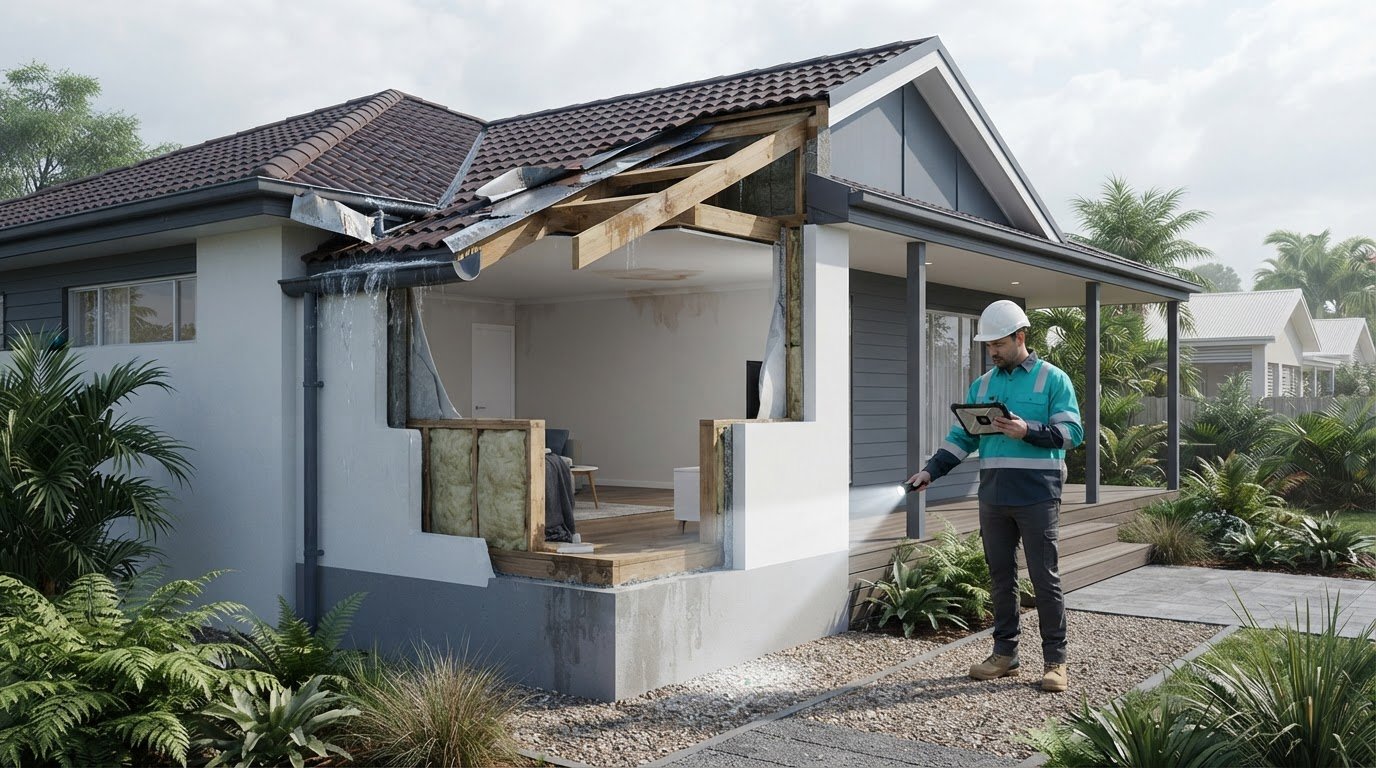
What if the crumbling grey mortar along your ridge line is actively compromising the roof timbers beneath? For many homeowners trying to protect their property, understanding what is roof repointing and why is it important is the difference between simple preventative care and severe structural timber rot. While cement bedding provides the base that holds ridge caps in place, flexible pointing creates the elastic, weatherproof seal that moves with your home and keeps storm-driven rain out.
It’s completely normal to feel uncertain about whether cracked mortar demands an entire roof replacement or just targeted repairs, especially when unreliable operators push temporary patch-ups. In this guide, you’ll discover how modern polymer compounds safeguard your structural rafters, how to spot deteriorating mortar before moisture damages your plasterboard, and how licensed trade professionals restore ridge capping correctly. Here is everything you need to know to keep your roof structurally sound and completely watertight.
Key Takeaways
- Understand what is roof repointing and why is it important for protecting your home by discovering how flexible polymer compounds shield structural cement bedding against weather movement.
- Spot visible warning signs of mortar degradation early, including fractured ridge capping and dislodged mortar fragments accumulating in your gutters.
- Protect your property from costly structural damage by preventing water ingress before hidden leaks rot ceiling battens and internal timber rafters.
- Explore the professional restoration workflow that licensed specialists use to safely clear degraded mortar and apply flexible pointing compounds.
- Learn why hiring qualified roof restoration professionals ensures strict compliance with trade safety standards and delivers durable, long-term weatherproofing.
What Is Roof Repointing? The Essential Difference Between Bedding and Pointing
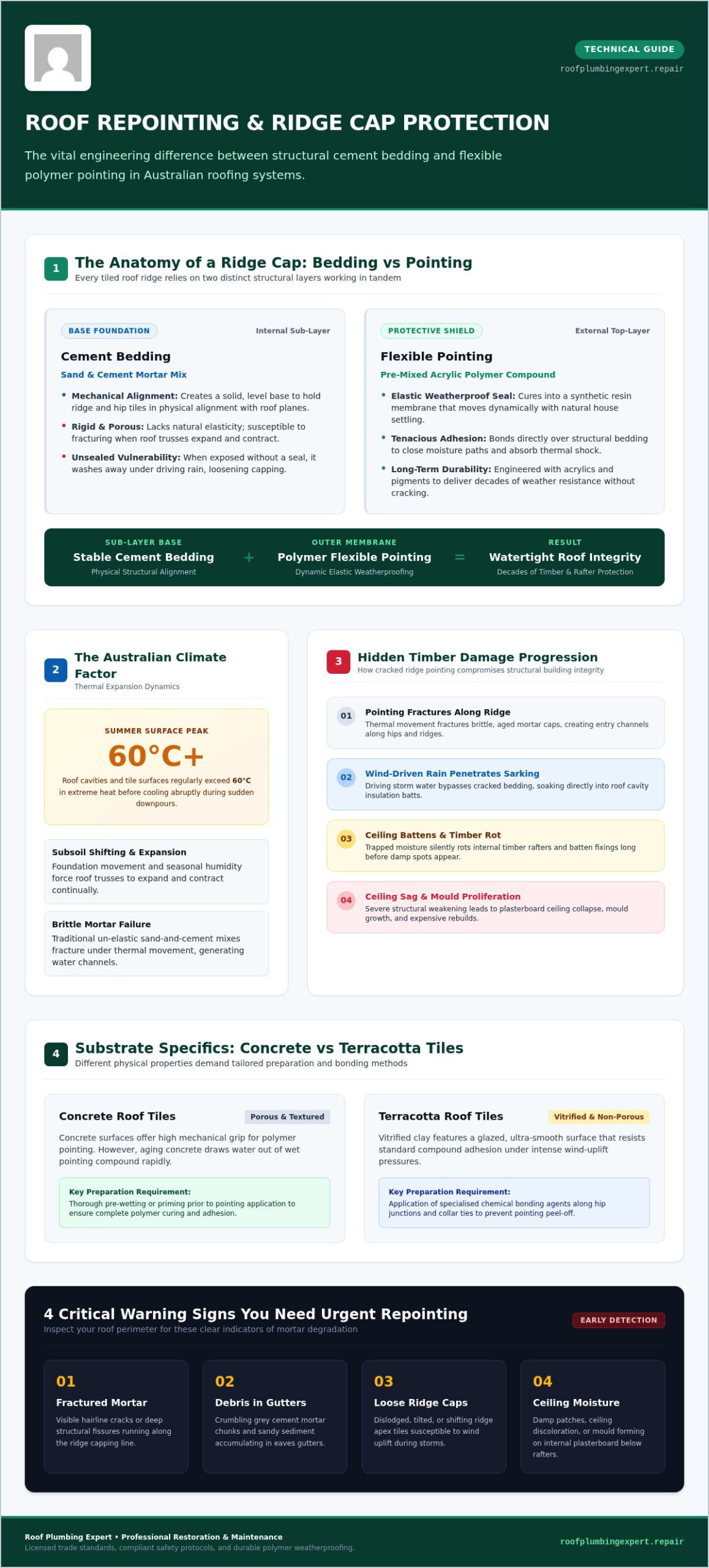
Every tiled roof relies on two distinct layers along its ridge caps and hips: structural bedding underneath and protective pointing on the outside. Understanding what is roof repointing and why is it important begins with separating these two components. While historical masonry relies on the standard process of renewing the pointing in exposed joints, roofing requires a specialised mechanical approach. Bedding physically positions the capping, while repointing forms a continuous, weather-resistant outer skin over that cement foundation.
Rigid cement cannot tolerate natural house movement. As Australian homes settle through shifting subsoils, severe heatwaves, and seasonal humidity changes, roof timbers continually expand and contract. Traditional mortar lacks elasticity, leading to immediate fracture lines along the ridge line. Modern repointing replaces outdated sand-and-cement caps with pre-mixed, flexible polymer compounds. These advanced materials bond directly over the structural bedding, eliminating water paths while absorbing thermal movement.
The Role of Cement Bedding Under Ridge Caps
Cement bedding consists of a heavy sand-and-cement mix that creates a stable, level base for ridge and hip tiles. It mechanically aligns the capping to the roof plane. However, bedding alone is porous and prone to cracking under Australian sun exposure. When unsealed bedding fractures and washes away, the apex of the entire roof assembly loosens, allowing individual ridge caps to shift in high winds.
How Modern Flexible Pointing Replaced Traditional Mortar
Modern pointing formulations combine acrylic polymers, selected sands, and water-based pigments into a thick, elastic paste. These synthetic resins cure into a durable, flexible seal that expands and contracts alongside structural roof trusses without fracturing. Flexible pointing provides decades of lasting weatherproofing by maintaining a tenacious mechanical bond across shifting roof joints.
Concrete Tiles vs. Terracotta Tiles: Repointing Nuances
Concrete and terracotta tiles exhibit fundamentally different physical properties that dictate specific preparation methods:
- Concrete Tiles: Naturally porous with textured surfaces, concrete tiles provide exceptional mechanical grip for polymer pointing. However, aging concrete draws moisture out of pointing quickly, requiring thorough pre-wetting or priming to ensure lasting bonding.
- Terracotta Tiles: Vitrified clay tiles feature smooth, non-porous glazed finishes that resist standard adhesion. Repointing terracotta demands specialised bonding agents along hip junctions and collar ties to prevent the compound from peeling away under wind-uplift pressures.
Selecting the correct application technique for your specific tile material is critical. When learning what is roof repointing and why is it important, the core takeaway is straightforward: stable cement bedding delivers structural alignment, while elastic pointing delivers absolute weather protection.
Why Is Roof Repointing Crucial for Australian Homes?
Homeowners asking what is roof repointing and why is it important often view the work as cosmetic upkeep, but repointing is fundamentally an active structural shield. The Australian climate subjects roof cavities to severe thermal expansion cycles. Roof surfaces frequently exceed 60°C under blazing summer sun before cooling abruptly during sudden downpours. Without resilient pointing, this relentless expansion and contraction fractures brittle cement, creating pathways for moisture ingress and compromising structural ceiling battens.
Waterproofing Defence Against Severe Weather and Driving Rain
Compromised mortar channels wind-driven rain straight beneath protective roof sarking, soaking ceiling insulation batts below. This moisture slowly rots timber rafters and batten fixings long before damp patches become visible on your plasterboard ceilings. Left unchecked, continuous water ingress leads to mould growth, ceiling sag, and costly interior damage during heavy storms. Scheduling comprehensive professional roof restoration Sydney addresses deteriorated ridge caps before hidden moisture damages structural timbers, preserving the integrity of your property.
Wind Uplift Protection and Storm Resistance
Severe coastal weather generates immense negative aerodynamic pressure over roof ridges, pulling upward on individual capping tiles. Australian Standard AS 2050 governs the placement, bedding, and pointing of concrete and terracotta tiles specifically to resist these wind forces. When older mortar beds lose their adhesion, ridge tiles turn into loose ballast that can dislodge during gale-force storms, creating hazardous flying projectiles and leaving your roof exposed. Applying flexible polymer pointing locks the ridge capping assembly firmly to adjacent tiles, ensuring your home complies with structural fixing standards. A timely inspection from Roof Plumbing Expert ensures your capping lines remain completely secure against extreme weather.
Pest Deterrence and Bushfire Ember Protection
Deteriorating mortar leaves open voids along hips and ridges, creating entry corridors for vermin, possums, and nesting birds. Once inside, pests chew electrical wiring and soil ceiling insulation. In bushfire-prone zones, damaged pointing creates open vulnerabilities where windblown embers can lodge directly into dry roof cavities. Maintaining seamless ridge pointing adheres to verified professional roofing safety standards, creating an unbroken barrier that defends your roof space from pests, water, and airborne fire hazards.
Key Warning Signs Your Tiled Roof Needs Urgent Repointing
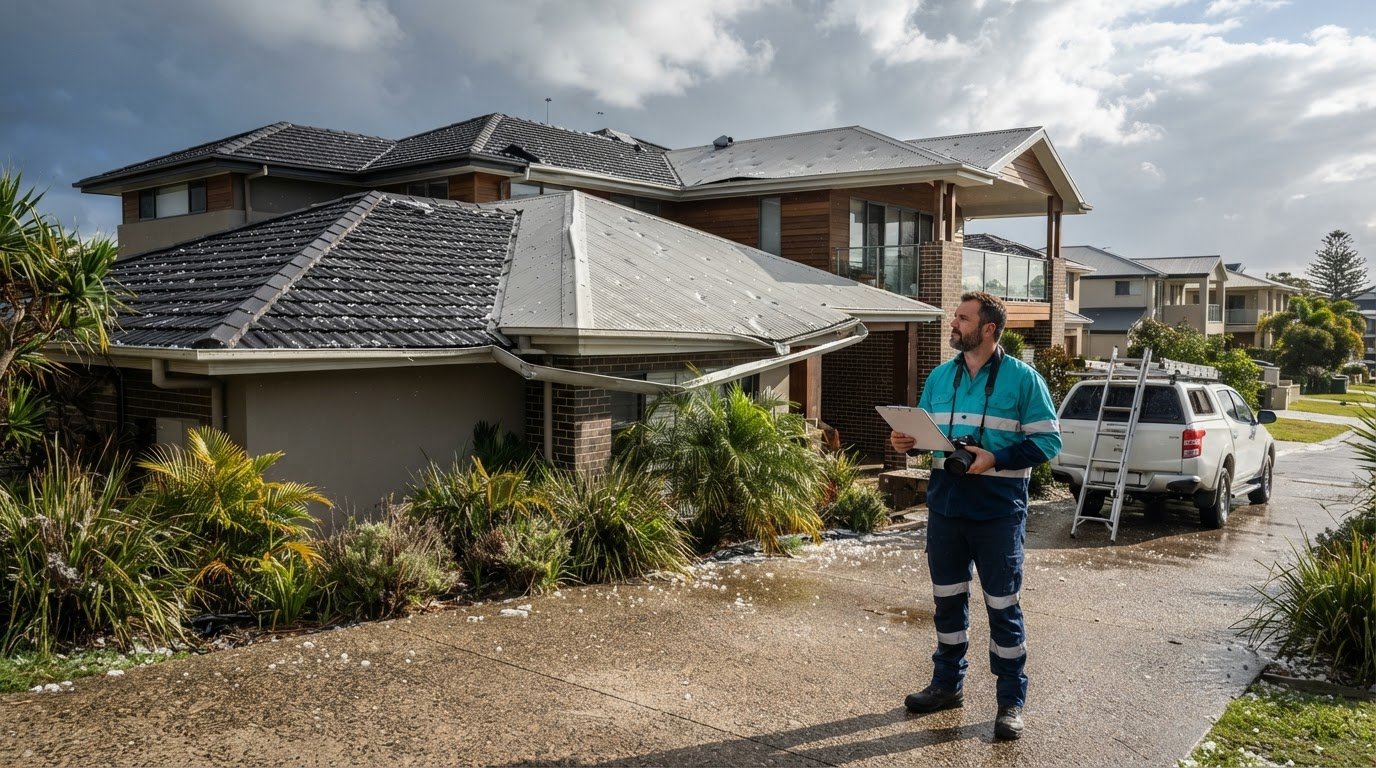
Catching ridge deterioration early protects your roof timbers from expensive structural rot. For property owners evaluating what is roof repointing and why is it important, recognising visible failure symptoms prevents emergency callouts during heavy weather. Mortar breakdown rarely happens overnight; it offers clear warning signs both inside your ceiling space and across the perimeter roofline.
Exterior Visual Clues from Ground and Gutter Line
You can identify significant pointing failure safely from ground level without climbing onto the roof:
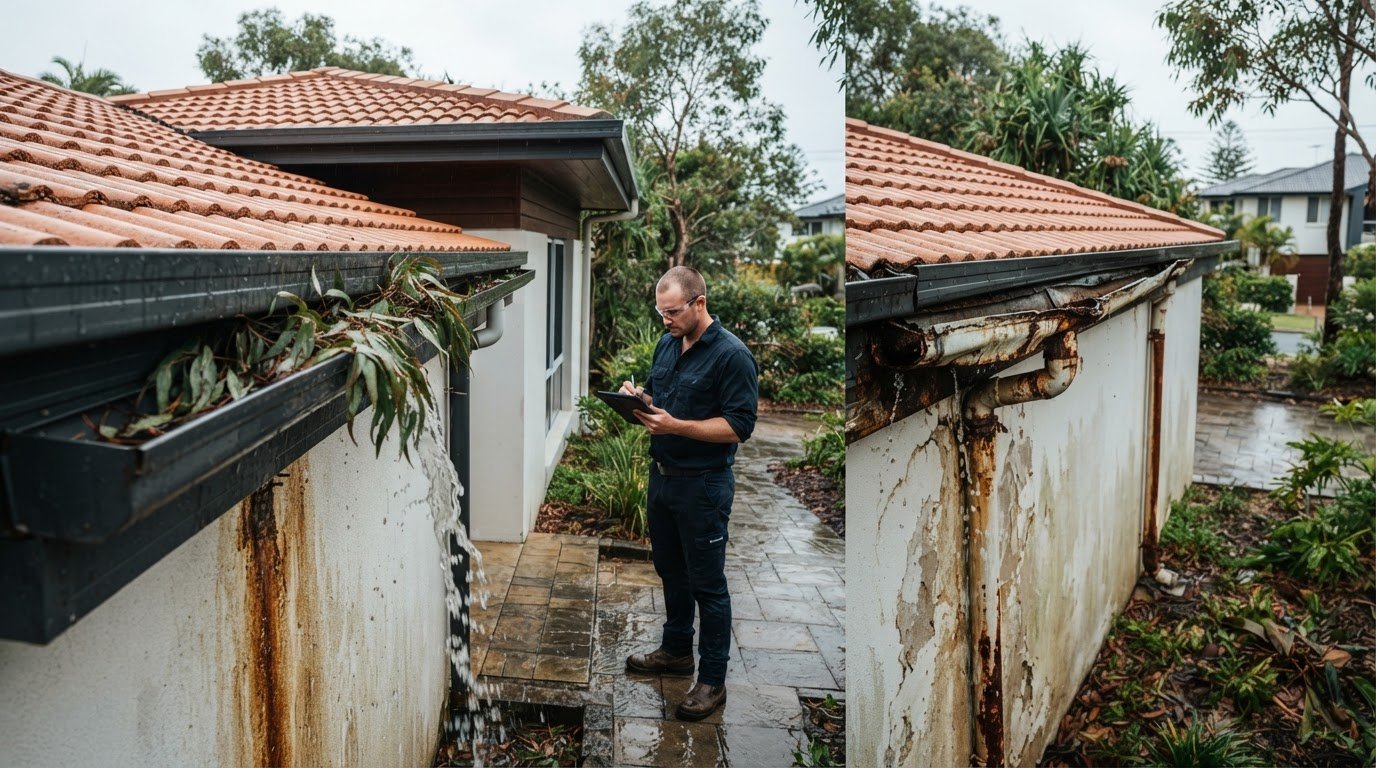
- Mortar Chunks in Gutters: Loose aggregate and sandy debris washing down into your gutters and downpipe nozzles indicate the bedding underneath has started crumbling.
- Misaligned Ridge Profiles: Ridge or hip capping tiles that appear crooked, uneven, or visibly shifted out of line signal that bonding adhesion has failed completely.
- Efflorescence and Fractures: Look for hairline cracks along the pointing edges, missing mortar triangles, and white powdery salt stains (efflorescence) leaching through exterior joints.
Internal Indicators Inside Ceiling Cavities
Roof cavities often reveal water ingress weeks before ceiling plasterboard shows visible staining. Entering the manhole on a bright sunny day makes daylight leaks visible through cracked apex mortar. In rainy periods, check for musty odours, damp ceiling insulation batts, and tell-tale moisture tracks staining the structural rafters. When damp paths prove elusive, professional roof leak detection NSW identifies the precise entry points before dampness ruins internal ceilings.
The Risk of Postponing Necessary Repairs
Postponing maintenance accelerates structural wear. Minor hairline cracks expand rapidly as trapped moisture swells under seasonal temperature shifts. What starts as a simple repointing project can deteriorate into an extensive structural re-bedding task if the underlying mortar foundation crumbles away. Mandated Australian building standards require roof assemblies to remain securely fixed and weatherproof. Ignoring broken ridge joints also puts your property at risk of denied insurance claims, as standard policies specifically exclude gradual water damage caused by deferred maintenance.
Monitoring these early warning signs ensures you understand what is roof repointing and why is it important for preserving property value. Acting promptly stops minor cracking from turning into widespread timber decay.
The Professional Roof Repointing Process Explained Step by Step
Executing ridge restoration correctly requires strict adherence to Australian Standard AS 2050 installation methodologies. Understanding what is roof repointing and why is it important becomes clear when looking at the precision required to rebuild a compromised ridge line. A qualified tradesperson never spreads wet compound over crumbling mortar; they follow a systematic multi-stage restoration procedure.
Step 1 & 2: Inspection, Safety, and Surface Preparation
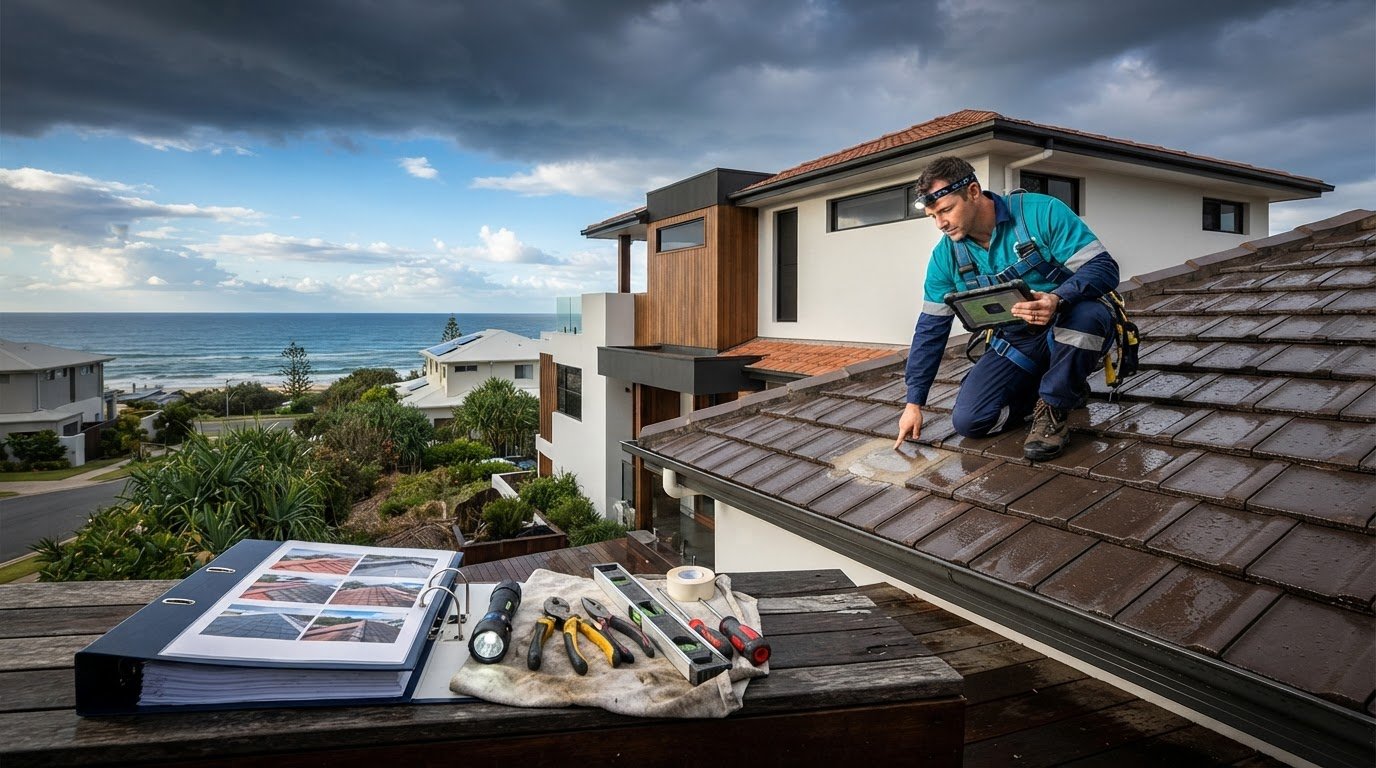
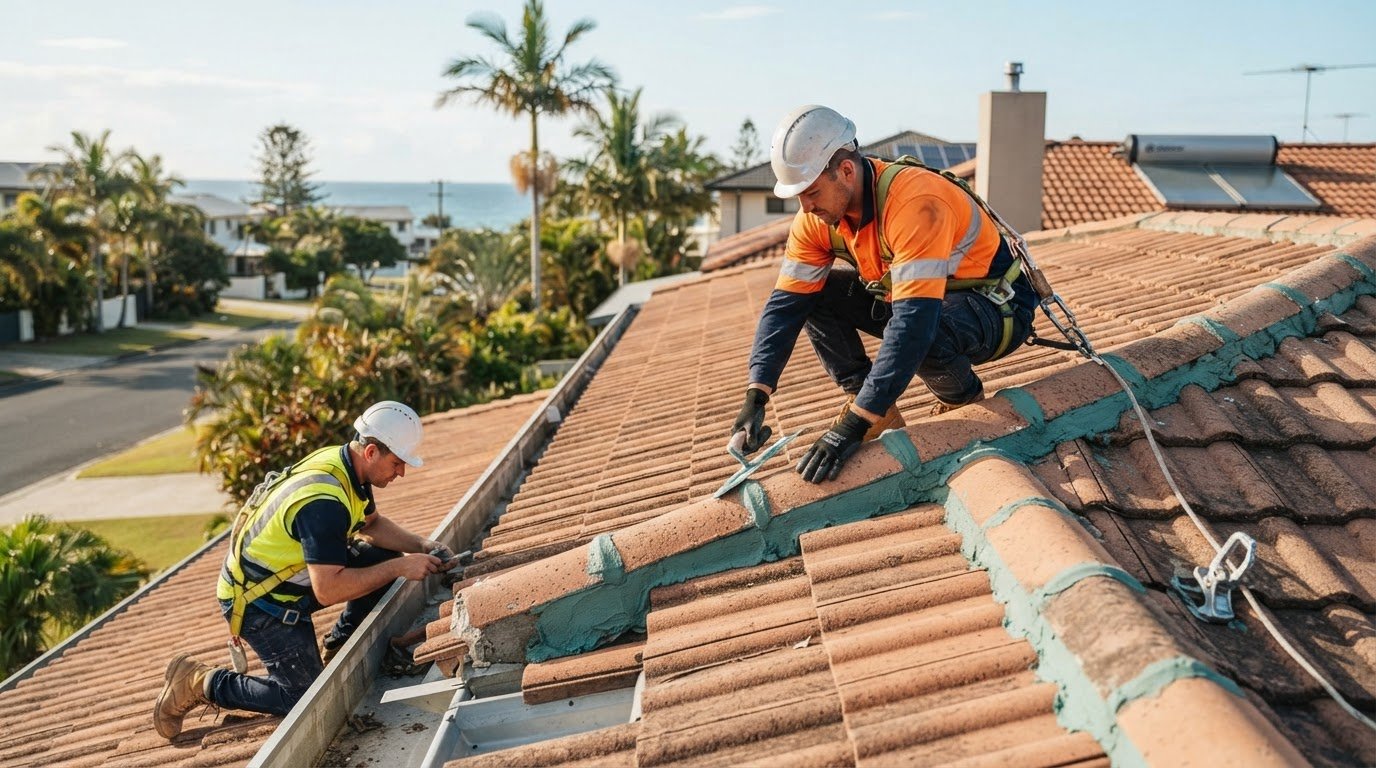
Work begins by establishing compliant anchor points, harnesses, and perimeter fall protection. Technicians evaluate the pitch, tile condition, and underlying timber batten stability across the whole roof plane. Using specialised pneumatic chisels or diamond-tipped grinders, tradespeople strip away all fractured, debonded pointing and degraded bedding. A controlled high-pressure wash removes lingering moss, lichen, and loose aggregate, creating an immaculate substrate essential for polymer adhesion.
Step 3 & 4: Mechanical Re-Bedding and Flexible Application
Where capping tiles have loosened, tradespeople lift the caps and lay a fresh 3:1 sand-and-cement mortar bed to establish proper structural alignment. Once the bedding sets, technicians trowel an Australian-made flexible acrylic pointing compound evenly over the collars and joints at a consistent 3mm to 5mm thickness. Trowelling the compound to a flawless, uniform bevel ensures rainwater glides away smoothly rather than pooling against tile collars. This durable polymer skin absorbs thermal structural shifts without splitting.
Step 5: Weep Hole Installation and Clean-Up
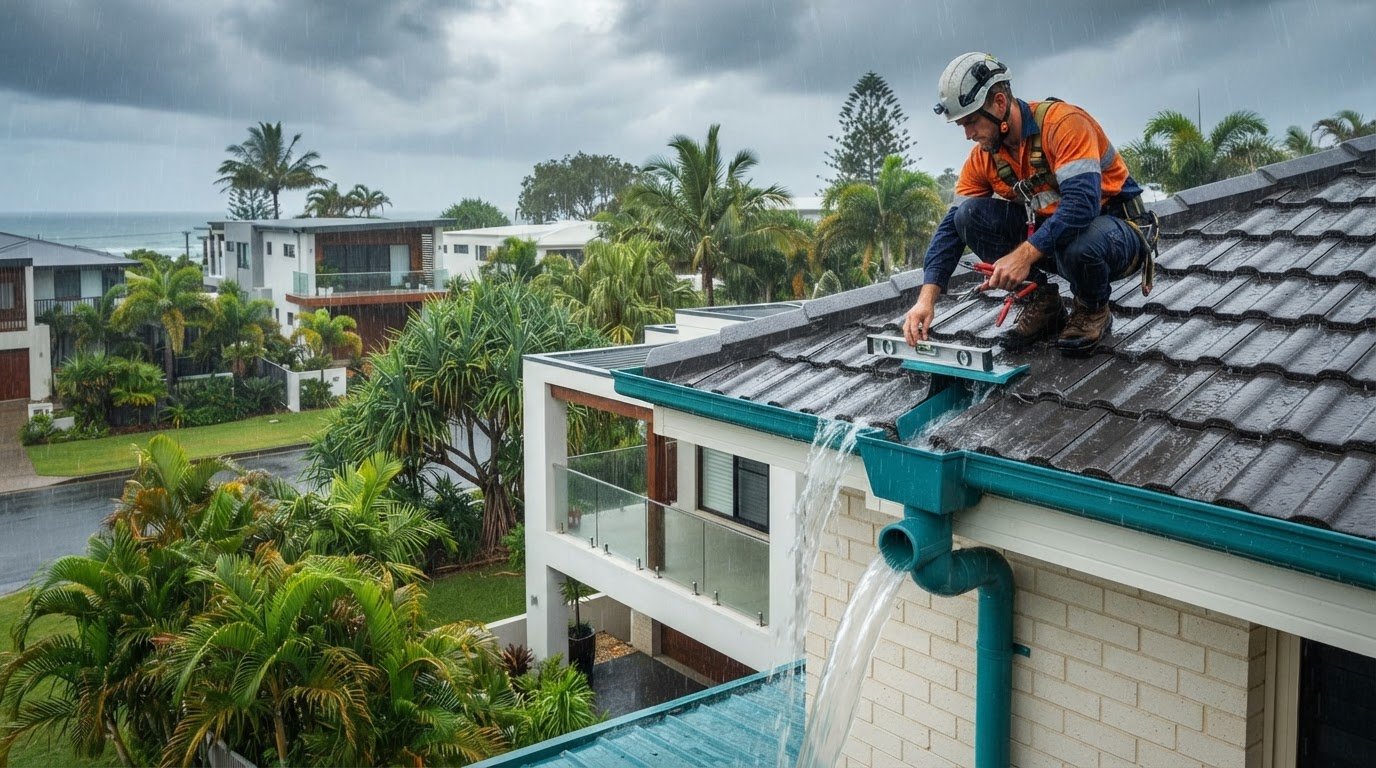
Technicians form mechanical weep holes beneath each ridge cap in accordance with AS 2050 guidelines. These drainage outlets discharge condensation that naturally accumulates within the roof cavity, preventing hidden moisture from rotting structural battens. Finally, technicians remove all discarded mortar fragments and slurry from valleys and perimeter gutters. If loose mortar has congested or damaged your external drainage channels, upgrading with specialised gutter and downpipe installation NSW ensures roof runoff discharges safely away from your foundations.
Now that you recognise what is roof repointing and why is it important, protecting your home against severe storms starts with licensed craftsmanship. Arrange a professional capping assessment and quote with Roof Plumbing Expert to secure your roof today.
Why Choose Qualified Specialists for Roof Restoration and Maintenance
Understanding what is roof repointing and why is it important gives homeowners the knowledge needed to spot deterioration, but carrying out the work requires certified trade skills. Ridge caps sit at the highest, most exposed point of your home. Attempting amateur repairs or engaging unverified contractors often leads to recurring leaks, non-compliant work, and costly structural repairs down the track.
The Hidden Risks of Amateur DIY Repointing
Working on a roof without proper trade equipment brings severe personal safety risks. Beyond dangerous fall hazards, walking incorrectly across tile pans often cracks brittle concrete or terracotta tiles, creating fresh water paths into your ceiling space. Amateur repairs also tend to use rigid cement or hardware-store silicone. These temporary fixes quickly split under thermal expansion, trapping moisture underneath and accelerating timber decay.
Integrated Roof Plumbing and Structural Drainage Assessment
A licensed professional never evaluates ridge capping in isolation. Deteriorated mortar beds regularly coincide with damaged lead soakers, perished valley irons, or rusted apron flashings. Specialized roof plumbing tradespeople inspect every junction where tiles meet drainage components. This holistic evaluation ensures your repointing, flashings, and gutter channels operate together as a cohesive barrier, protecting New South Wales homes from driving coastal rain and flash storms.
Protecting Your Asset with Guaranteed Workmanship
Hiring qualified specialists gives you access to commercial-grade polymer pointing compounds backed by manufacturer warranties and certified workmanship. Licensed professionals comply strictly with NSW Fair Trading requirements, Australian Standards, and site safety regulations. When maintaining your home’s first line of defence, partnering with seasoned restoration experts delivers genuine long-term security. Book a comprehensive roof and flashing assessment with Roof Plumbing Expert to safeguard your property against the elements.
Secure Your Roof Against the Elements Today
Maintaining a weatherproof ridge line is one of the smartest investments you can make in your home. Now that you know what is roof repointing and why is it important, you can spot failing mortar before driving rain damages structural ceiling battens or interior plasterboard. Modern polymer compounds move naturally with your roof frame, providing an elastic, durable barrier against severe storm winds and harsh Australian heat.
Don’t wait for loose ridge caps to shift during the next severe storm. Backed by specialised trade expertise across NSW residential and commercial roofs, our team provides thorough external roof plumbing, flashing, and gutter diagnostics alongside premium flexible pointing. Request a Professional Roof Inspection from Roof Plumbing Expert today to protect your property and enjoy lasting peace of mind all year round.
Frequently Asked Questions
How often does a tiled roof need repointing in Australia?
Tiled roofs in Australia typically need repointing every 10 to 15 years, depending on climate exposure. Properties situated in coastal settings like Mainly Beach experience faster degradation from salt air and driving coastal winds. Older sand-and-cement mortar fractures much sooner, whereas modern polymer compounds provide extended protection. Regular roof inspections ensure you spot debonding joints before moisture causes internal timber rot.
What is the main difference between roof re-bedding and repointing?
Re-bedding provides the structural cement base, while repointing provides the flexible weather seal on top. Tradespeople lay a sand-and-cement mortar bed to physically position and level the ridge tiles. Repointing involves applying an elastic polymer paste over that cured mortar bed. Grasping what is roof repointing and why is it important helps property owners realise that bedding holds tiles in place, while pointing stops rain entering.
Can I stay in my home while the roof repointing is being carried out?
Yes, you can comfortably stay inside your home throughout the repointing process. Because the work is completed entirely on the exterior roof surface, your indoor living areas remain accessible and unaffected. You’ll hear footsteps, pressure washing, and mortar removal noise overhead during working hours. Keeping pets indoors and moving vehicles away from perimeter eaves ensures tradespeople can work safely around the site.
Will repointing a roof fix existing water leaks?
Repointing will resolve water leaks caused specifically by cracked ridge mortar, dislodged hip tiles, or unsealed tile collars. However, it won’t fix leaks originating from cracked tile pans, rusted valley irons, or perished lead flashings. A licensed roofing specialist performs comprehensive leak diagnostics to ensure water isn’t bypassing the ridge capping entirely. Addressing failing mortar alongside damaged flashings and gutters ensures complete weatherproofing.
Can I repoint my own tiled roof as a weekend DIY project?
Repointing your own tiled roof is strongly discouraged due to significant safety hazards and technical requirements. Working at heights without certified harnesses and ladder anchors risks severe falls. Walking across tiles incorrectly also causes brittle concrete or terracotta to crack beneath your feet. DIY applications often use incorrect mortar ratios that trap moisture, leading to roof truss rot and voided building insurance policies.
How long does flexible pointing compound take to cure completely?
Flexible pointing compound forms a protective outer skin within two to four hours on a mild, dry day. However, a full cure throughout the polymer bed takes between 24 and 48 hours depending on humidity, temperature, and direct sunlight. Professional roofers schedule application during stable weather windows to prevent sudden showers from washing away uncured paste, ensuring the joint develops maximum elasticity and bonding strength.
What happens if a roof is re-bedded without adding flexible pointing?
Leaving freshly bedded ridge tiles without a flexible pointing layer exposes the porous cement directly to weather extremes. The rigid sand-and-cement mortar absorbs rainwater and cracks as the building frame moves naturally during seasonal temperature shifts. Within a short period, water penetrates the bedding, washing away the aggregate foundation and loosening ridge caps. Adding polymer pointing forms an essential waterproof skin that prevents early mortar failure.
Does cracked pointing mean my entire roof needs replacement?
No, cracked mortar rarely demands a full roof replacement. Learning what is roof repointing and why is it important reassures owners that isolated ridge degradation is a manageable maintenance issue. In most cases, stripping away debonded compound, re-bedding loose caps, and applying fresh flexible pointing completely restores the roof’s structural integrity. Replacing the entire roof is only necessary when tiles and underlying framing suffer widespread structural decay.