A sagging gutter isn’t just a minor plumbing nuisance; it’s a structural emergency waiting to happen. While many Sydney homeowners only look up when a heavy downpour turns their eaves into a waterfall, the most destructive damage often occurs silently long before the first leak appears. It’s stressful to watch water pool near your foundations while wondering if you’re facing a simple blockage or a massive repair bill, especially when trying to decipher conflicting advice from different tradies.
We believe property protection should be transparent and straightforward. This guide identifies the critical signs you need new gutters so you can catch failing components before they lead to rotted fascia boards or internal ceiling collapses. We will walk you through ten essential inspection points, including technical indicators like galvanic corrosion and subtle signs of foundation subsidence. You’ll gain the professional knowledge needed to assess your roof’s health and the peace of mind that your home is properly guarded against the elements before the next storm season arrives.
Key Takeaways
- Learn how to identify the structural signs you need new gutters by conducting a professional-level inspection of your roofline and downpipe connections.
- Discover the difference between a “Dry Day” visual check for rust and a “Rainy Day” performance test to catch overflow issues before they flood your roof cavity.
- Understand the link between failing drainage and secondary damage like rotted timber fascia boards or rising damp near your home’s foundations.
- Master the “20% Rule” to determine if a repair is a viable solution or if a full system replacement is required for long-term property protection.
- Find out why premium materials like Colorbond are the definitive choice for homeowners seeking durability and legal compliance in the harsh Australian climate.
The Essential Role of Gutters in the Australian Climate
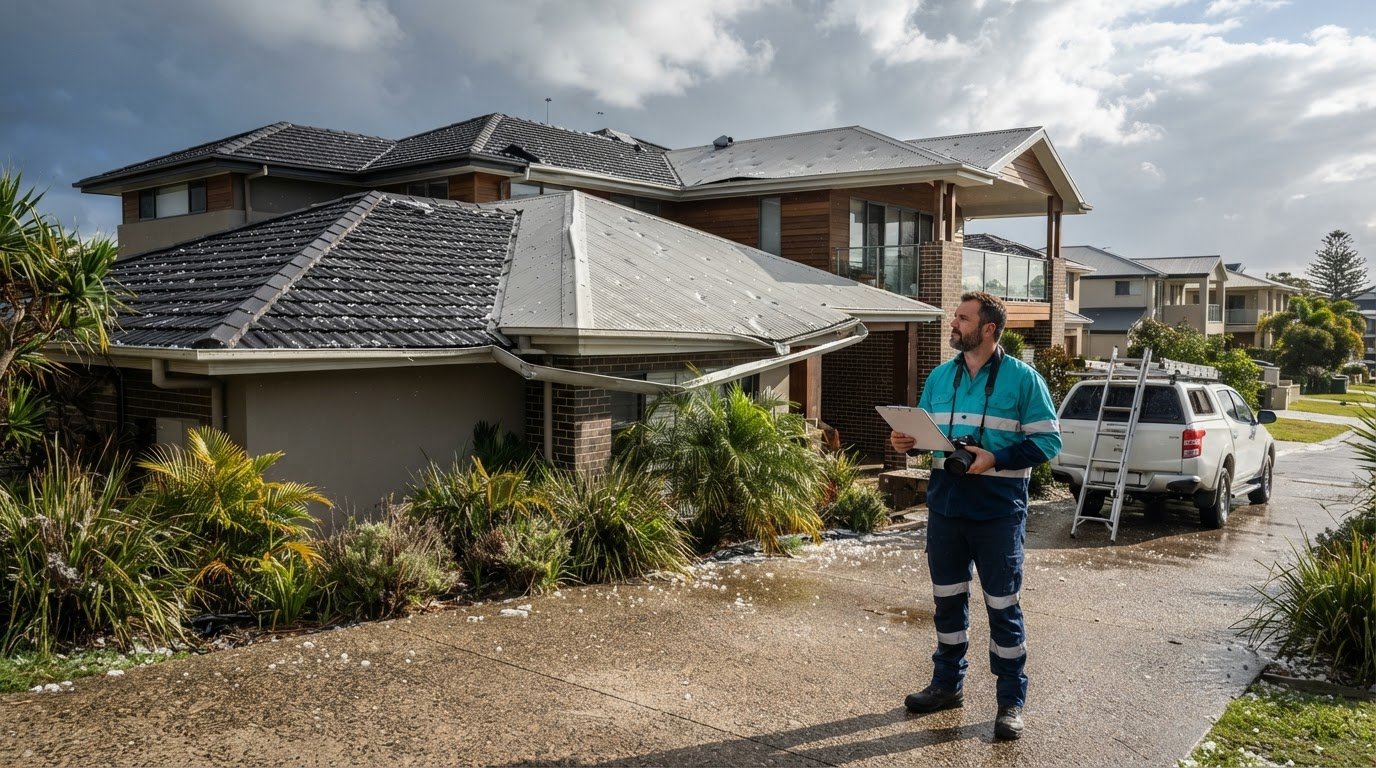
Sydney’s weather is notoriously unpredictable. Intense storm cells often deliver a month’s worth of rain in a single afternoon, putting immense pressure on residential drainage. In these moments, your gutters act as a “quiet protector,” shielding the structural integrity of your home from the sheer volume of water. While a simple blockage might cause a temporary spill, true structural failure is far more dangerous. Recognising the early signs you need new gutters is the difference between a routine maintenance task and a catastrophic foundation repair.
Understanding rain gutter system functions is vital for every homeowner. Their primary job is to collect water from the roof and channel it safely into the stormwater system. When this process fails, water finds the path of least resistance, which is often straight into your eaves or down into the soil surrounding your home. A functional system manages this flow with precision, but once the metal or joins fail, the system can no longer handle the velocity of a typical Sydney downpour.
Protecting Your Sydney Property Foundations
Uncontrolled runoff is a primary cause of soil erosion and cracked concrete slabs. When gutters overflow, water pools at the base of the house, saturating the ground. This constant moisture can lead to rising damp, which damages internal walls and creates unhealthy living conditions. Because many water issues start out of sight, professional roof leak detection NSW often begins with a thorough assessment of the guttering system. We ensure water is actually leaving the site rather than seeping into the building fabric, which can cause thousands in structural repairs if left unaddressed.
The Coastal Challenge in Mainly Beach
Properties in coastal areas like Mainly Beach face an additional threat: salt air. Salt spray accelerates metal fatigue, causing standard zinc or galvanised gutters to corrode much faster than those inland. This chemical reaction, often called “gutter cancer,” creates pinholes and brittle sections that cannot be patched. If you live near the ocean, one of the most reliable signs you need new gutters is the appearance of white, powdery oxidation or bubbling paint on the gutter surface. For these environments, we recommend marine-grade finishes like Colorbond to ensure your drainage system survives the salt-laden sea breeze. These materials are specifically engineered to resist the corrosive effects of the coastal environment, providing a level of durability that standard materials simply cannot match.
Visual Red Flags: The “Dry Day” Inspection Checklist
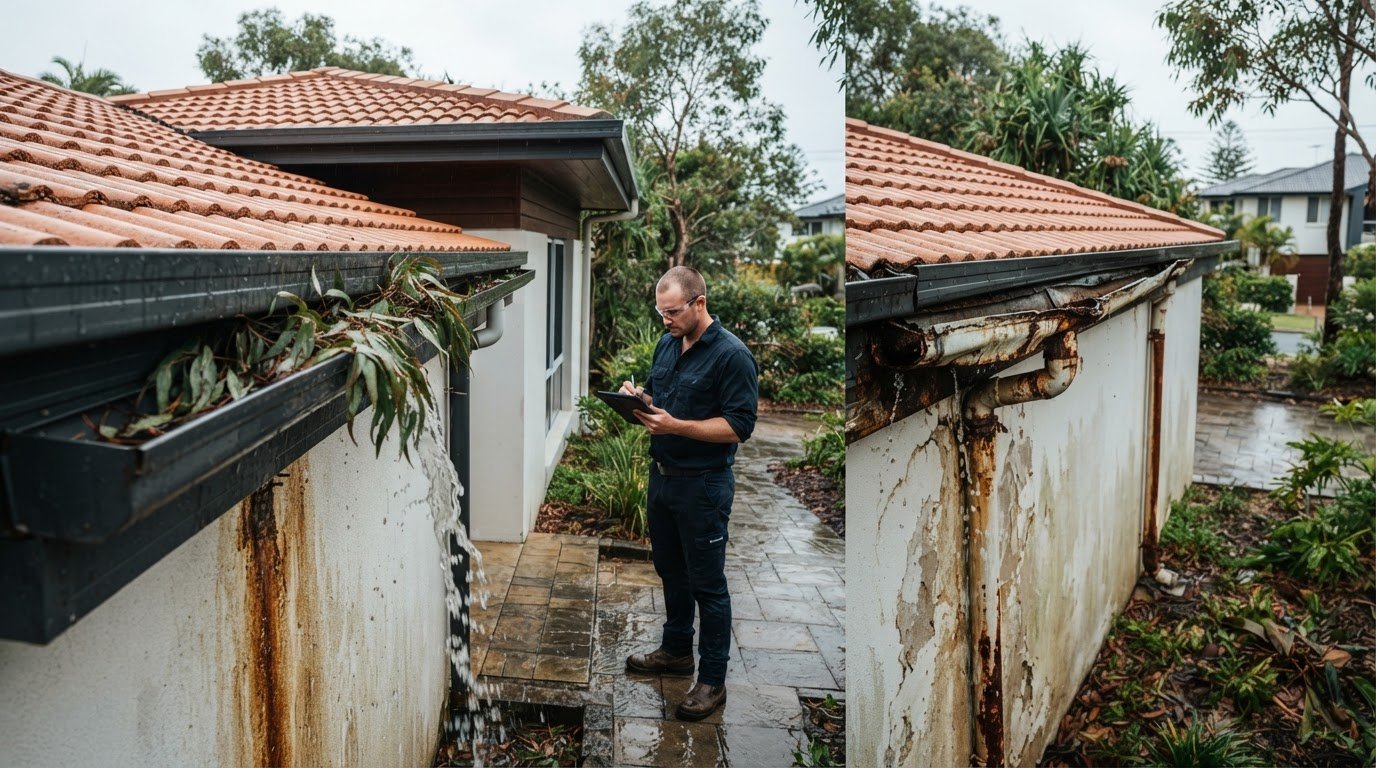
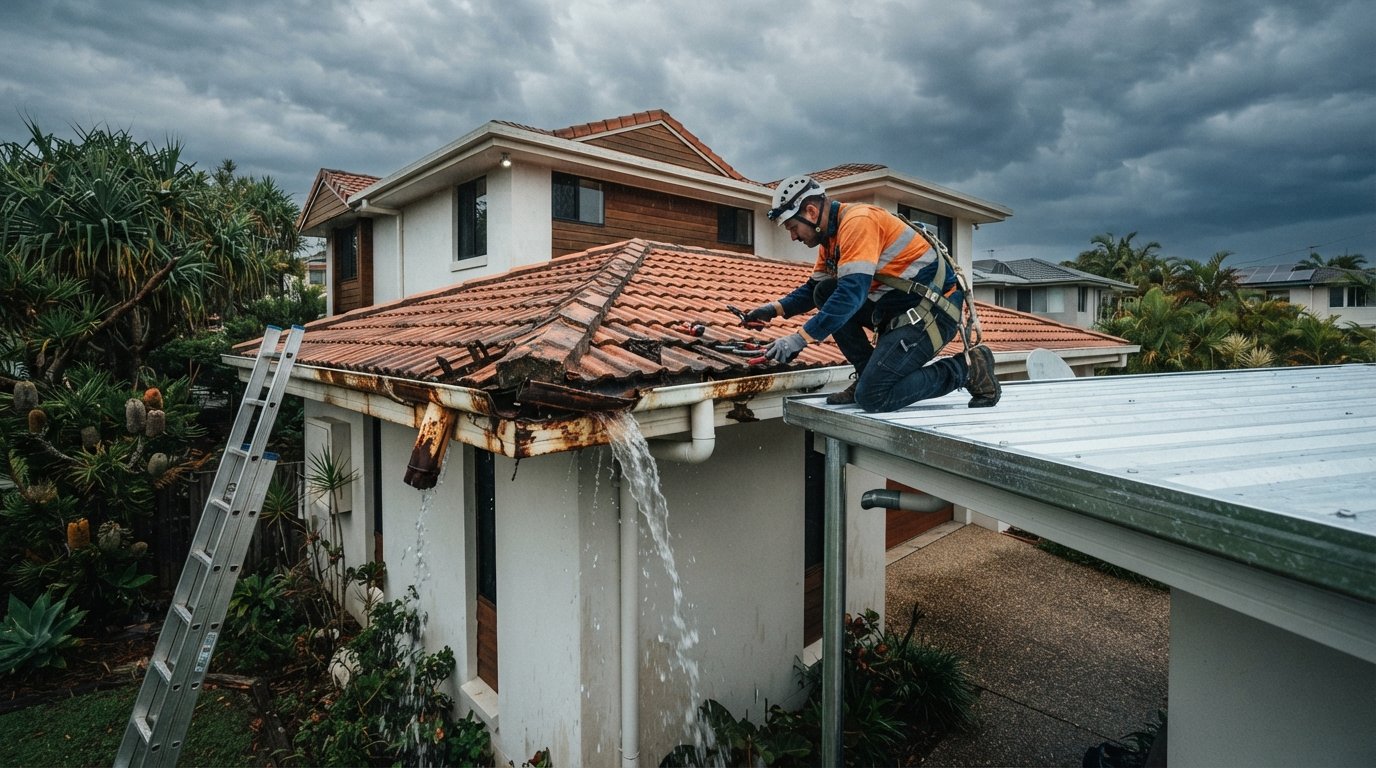
You don’t need a storm to identify failing drainage. A dry day provides the perfect opportunity to spot structural issues that water often hides. Walk the perimeter of your property and look for orange streaks or rust spots along the metal. These marks, often referred to as “gutter cancer,” indicate that oxidation is eating through the material from the inside out. If you notice orange water stains on your fascia boards, the metal has likely already reached a point of systemic failure.
Keep an eye on the ground near your garden beds. Finding loose nails or screws beneath the eaves is a serious concern. These fasteners are usually forced out when the weight of wet debris causes the gutter to pull away from the roofline. This physical separation is one of the most obvious signs you need new gutters, as it indicates the brackets can no longer support the system’s load.
Corrosion and Peeling Paint
Peeling or bubbling paint on the underside of your gutters is rarely a cosmetic issue. It typically means moisture is trapped permanently between the paint and the metal substrate. Over time, this leads to systemic thinning and the appearance of “pinhole” leaks. These tiny holes might seem insignificant, but they prove the metal is too weak to channel water effectively. Rust appearing near joins and mitres is particularly dangerous. These areas are the structural anchors of your system; once they fail, the entire run becomes unstable.
Sagging and Separation
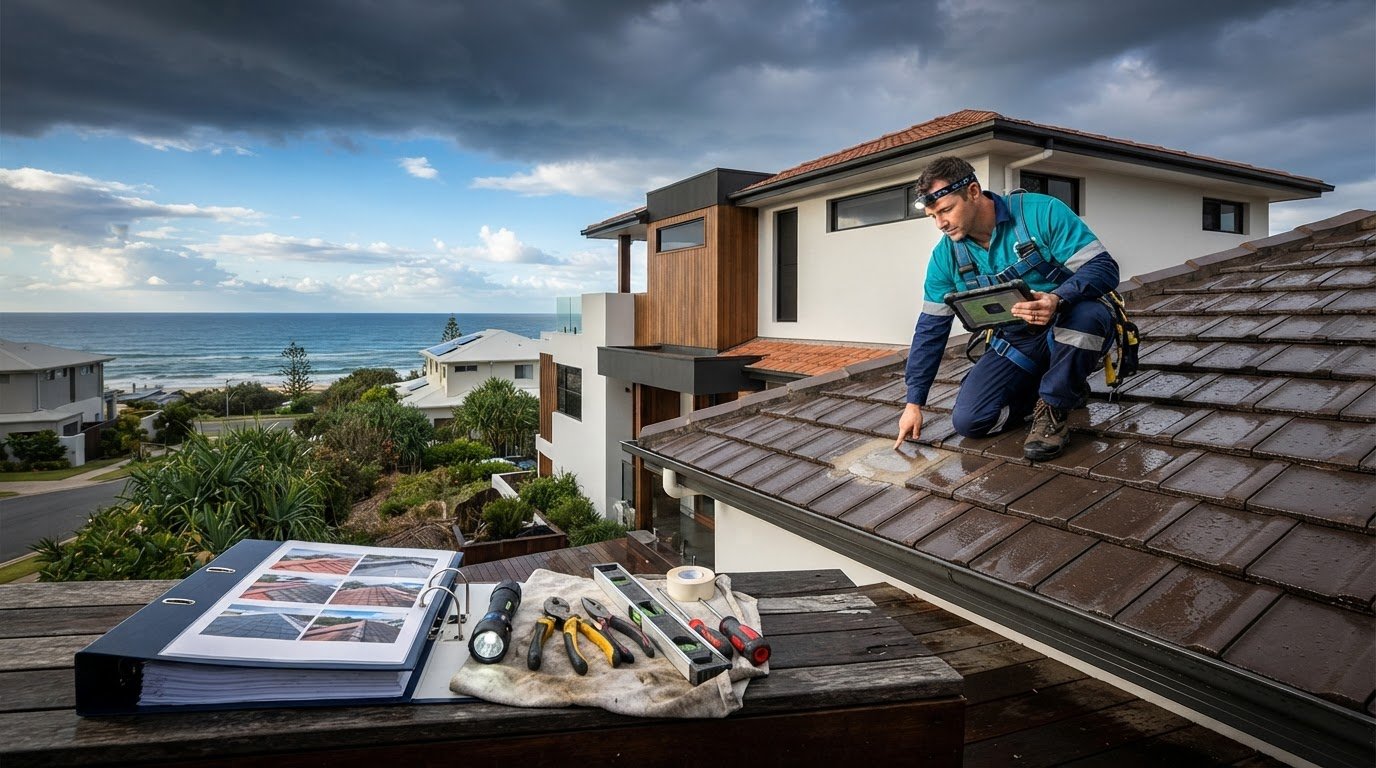
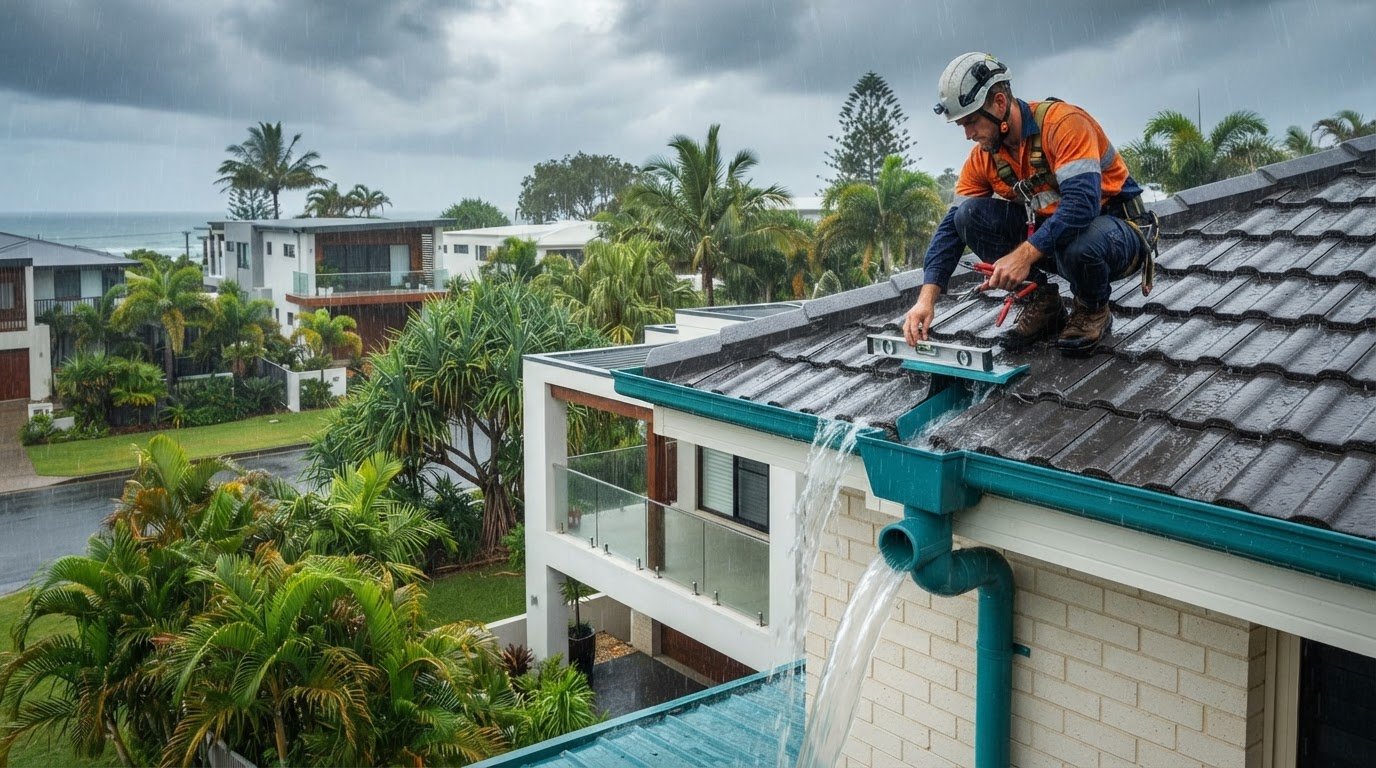
Gutters must maintain a precise “fall” to ensure water moves toward the downpipes. You can test this using a spirit level; any section that dips or holds stagnant water is a candidate for replacement. Heavy sludge and debris loads warp the metal profile over time, leading to permanent sagging. Gaps between the gutter back and the fascia board are another major warning sign. This separation allows water to bypass the drainage system entirely, flowing directly onto your timber eaves and into the wall cavity. If your inspection reveals these gaps, a professional gutter and downpipe installation specialist can help restore your home’s protection. Catching these signs you need new gutters early prevents the need for more expensive structural repairs later.
Performance Failures: The “Rainy Day” Test
Observing your roof during a heavy Sydney downpour is the most effective way to identify critical signs you need new gutters. While visual checks on dry days reveal material decay, performance failures only become obvious when the system is under load. If you see water cascading over the front edge like a suburban waterfall, don’t assume it’s just a few stray leaves. This often indicates the gutter profile is undersized for the catchment area or the pitch has failed entirely. Sydney storms don’t play fair. Our intense rainfall events can quickly overwhelm older, narrow guttering systems that were never designed for modern climate extremes.
Leaking joins are another major indicator of a system past its prime. If you notice a steady drip from the mitres or seams hours after the clouds have cleared, the original seals have perished. In these cases, the metal has often begun to warp, meaning a simple bead of silicone won’t provide a long-term fix. You should also check your downpipes during the peak of a storm. If the gutters are full to the brim but the downpipes are barely trickling, you have a serious flow restriction or a design flaw that could lead to internal flooding.
The “Waterfall” Effect and Overflow
Distinguishing between a simple leaf blockage and a structural failure is essential. If your gutters are clear of debris but water still spills over the front, the system lacks the capacity to handle the volume. Often, fixing overflowing gutters requires more than just a clean; it necessitates new downpipe positioning to improve the flow rate. Without these adjustments, intense rain creates a back-flow risk where water spills over the back lip of the gutter and directly into your roof cavity, damaging insulation and internal plasterboard.
Pooling Water and Foundation Risks
Ponding occurs when water sits in the “valleys” of a gutter run instead of flowing to the outlet. This stagnant water is one of the clearest signs you need new gutters, as it breeds mosquitoes and accelerates rust through constant moisture contact. Beyond the health risks, stagnant water adds immense weight to your gutter brackets. This extra load causes the metal to stretch and sag, eventually pulling the fasteners out of the timber fascia. Look for backsplash damage or soil erosion on your home’s exterior walls. When water doesn’t reach the stormwater drain, it hits the ground with enough force to scour the earth, eventually threatening the stability of your concrete slab or footings.

Secondary Damage: When Gutters Affect Your Whole Home
Neglected drainage systems don’t just fail in isolation; they eventually compromise the entire building envelope. When water overflows or leaks due to the signs you need new gutters identified in previous sections, it doesn’t just disappear. It wicks into the timber, seeps through the roof cavity, and settles around the foundations. This secondary damage is often where the real financial burden lies for Sydney homeowners, as structural repairs to the house frame or masonry are far more invasive than a simple gutter swap.
Rotting Fascias and Eaves
When gutters sag or pull away, water regularly overflows onto the timber fascia boards. This constant exposure to moisture leads to wood rot, which is a structural failure that compromises the support for your entire gutter system. You can perform a simple “screwdriver test” to check for this. If you can easily push a screwdriver into the timber fascia behind the gutter, the wood is rotted and requires urgent attention. Rebuilding your eaves and replacing rotted timber is significantly more expensive than a timely gutter upgrade. Catching the signs you need new gutters before the timber fails is a critical step in property maintenance. It’s much easier to install new metal than it is to cut out and replace structural timber that has been damp for months.
Interior Leaks and Mould
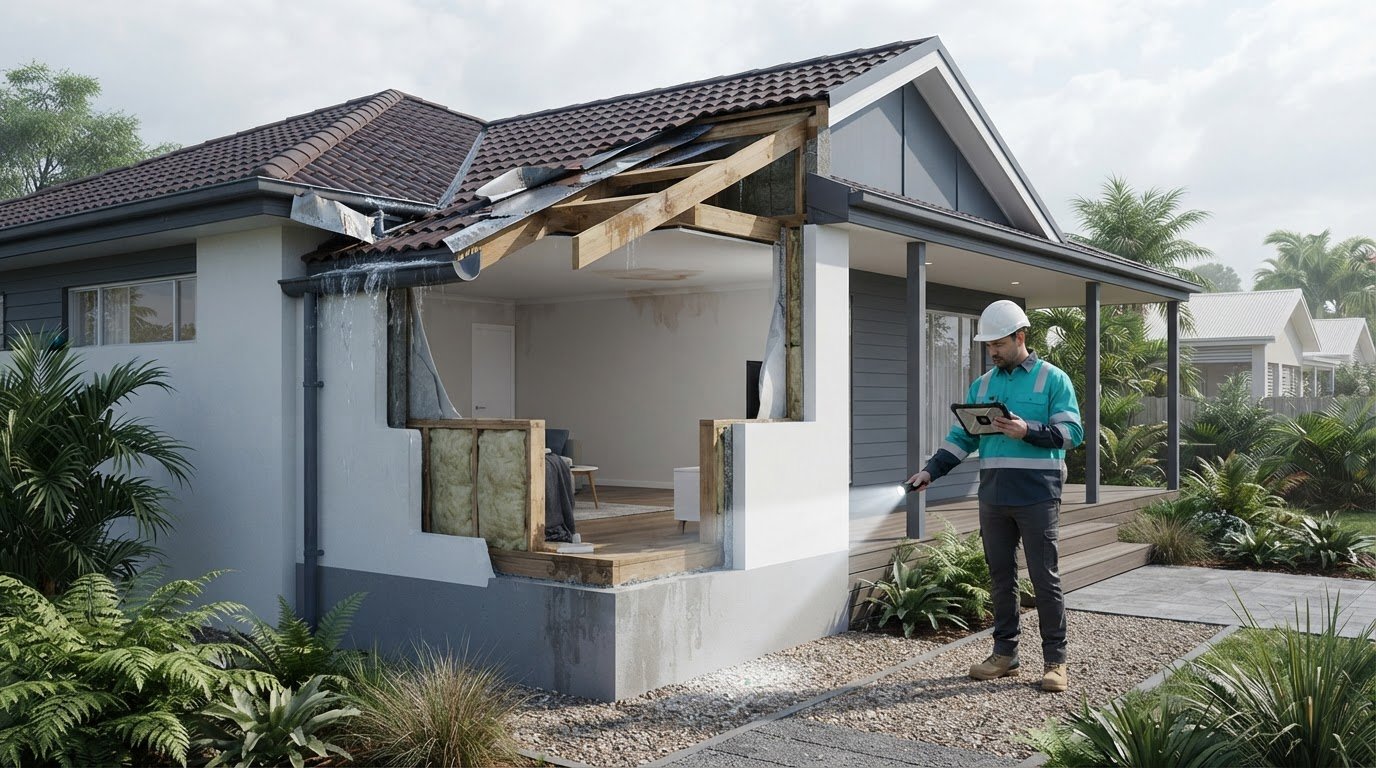
Persistent gutter failure is a leading cause of internal water ingress. When water backs up under the roof tiles or through the flashing, it creates unsightly ceiling stains and causes plasterboard to bubble or sag. This moisture creates a perfect environment for mould and mildew growth within your roof space and along the eaves. Beyond the structural damage, mould poses a genuine health risk to your family. If you’ve noticed damp spots on your ceiling, a professional roof leak repair Sydney is often necessary to address the damage caused by neglected drainage.
Landscaping washouts are another subtle indicator of gutter neglect. If you notice your garden beds are being scoured away or there is significant soil movement near your external walls, your gutters are likely failing to channel water to the stormwater drains. This excess water can lead to dampness in sub-floor areas or even basement flooding in some Sydney properties. Secure your home’s future by addressing drainage issues now. Book a professional gutter and downpipe inspection to ensure your property is ready for the next storm season.
Repair vs. Replacement: Making the Right Call
Deciding whether to patch a small leak or overhaul your entire drainage system is a common dilemma for Sydney homeowners. We typically recommend the “20% Rule” as a practical guide. If the cost of repairing multiple sections exceeds 20% of the price of a full replacement, you’re likely throwing good money after bad. Most metal gutters in our climate have a functional service life of 15 to 20 years. Once the system reaches this age, the metal thins systemically, and the structural integrity of the joins begins to fail. Recognising these signs you need new gutters allows you to invest in a long-term solution rather than paying for a cycle of endless, ineffective patches.
Professional installation is non-negotiable for ensuring your home meets current Australian drainage standards. A licensed roof plumber ensures the correct fall and downpipe sizing, which is essential for both your warranty and your home insurance compliance. While a DIY fix might seem cheaper today, it often lacks the precision required to handle a Sydney storm cell, leading to the same structural risks we’ve discussed in earlier sections.
When a Patch Job Isn’t Enough
Silicone sealants and waterproof tapes are temporary band-aids, not permanent solutions. They don’t address the underlying material fatigue. Patching rust is particularly futile; oxidation is a chemical process that eventually bubbles through any surface treatment. We also assess the structural integrity of your hangers and brackets during an inspection. If the supports are bent or the fasteners are pulling out of the timber fascia, a new run of guttering is the only way to ensure the system stays attached during a deluge. A “Seasoned Specialist” knows that once the core material has perished, no amount of sealant will restore the system’s ability to protect your home.
Choosing Durable Materials Like Colorbond
Upgrading to modern materials is an investment in your property’s longevity. We specialise in Colorbond roofing Sydney and matching gutter systems because they are specifically engineered for our harsh environment. Modern finishes are designed to resist the intense UV radiation of the Australian sun and the corrosive salt air prevalent in coastal areas like Mainly Beach. These materials offer far superior durability compared to the old galvanised steel or PVC systems of the past.
The value add of a new system goes beyond mere functionality. New gutters provide a significant boost to your home’s street appeal. A crisp, straight roofline in a contemporary colour replaces the look of sagging, rusted metal, instantly modernising your property’s exterior. Choosing the right materials and professional installation today means you won’t be searching for signs you need new gutters again for several decades. It provides the ultimate peace of mind that your home is guarded against the elements, regardless of what the next storm season brings.
Protect Your Property Before the Next Downpour
Identifying the early signs you need new gutters is the most effective way to prevent costly structural damage to your foundations and fascia boards. Whether you’ve spotted orange rust streaks during a dry day or witnessed the “waterfall effect” during a heavy Sydney storm, these indicators prove that your drainage system is no longer fit for purpose. Relying on temporary patches only delays the inevitable and risks the integrity of your entire building envelope.
As local Mainly Beach roof plumbers, we are specialists in Colorbond guttering and expert leak detection and repair. We ensure your roof plumbing meets all NSW drainage requirements, providing a durable solution that stands up to salt air and intense coastal rainfall. Don’t wait for a ceiling collapse or foundation crack to take action. Book a Professional Gutter Health Check in Mainly Beach today to secure your home’s future. Taking proactive steps now ensures you can rest easy knowing your property is guarded by a system built for Australian conditions.
Frequently Asked Questions
How often should I check my gutters for signs of damage in Sydney?
You should conduct a thorough inspection at least twice a year. In Sydney, it’s best to check before the summer storm season begins and again after autumn when leaf litter is at its highest. Regular checks allow you to spot the early signs you need new gutters, such as hairline cracks or bracket separation. Staying ahead of maintenance prevents water from wicking into your fascia boards and causing structural rot.
Can I just paint over rust on my gutters to make them last longer?
Painting over rust is a temporary cosmetic fix that doesn’t address the underlying material failure. Rust is effectively “gutter cancer” that eats through the metal from the inside out. While a fresh coat of paint might hide the orange streaks for a few months, the oxidation continues underneath. Once corrosion has taken hold, the metal becomes brittle and porous. Replacing the affected sections with durable materials like Colorbond is the only definitive solution.
Why are my gutters overflowing even though I just cleaned them?
Overflowing gutters in a clean system usually indicate a design flaw rather than a blockage. Your gutter profile might be too small for your roof’s catchment area, or you may have too few downpipes to handle the volume during a Sydney downpour. If the water can’t escape fast enough, it spills over the front or back edges. A professional assessment can determine if you need high-capacity slotted gutters or additional downpipe installation to manage the flow.
What is the average lifespan of gutters in a coastal area like Mainly Beach?
In coastal suburbs like Mainly Beach, the salt air significantly reduces the lifespan of standard galvanised gutters. You can typically expect 10 to 15 years of service from basic materials before salt-induced corrosion becomes a major issue. However, premium options like Colorbond are engineered with specific coatings to resist this harsh environment. These modern systems often last 20 years or more, providing superior durability against the sea breeze and intense Australian sun.
Does home insurance cover the cost of replacing old, leaky gutters?
Most Australian home insurance policies explicitly exclude damage caused by gradual deterioration or lack of maintenance. While your insurer might cover a roof collapse during a catastrophic storm, they won’t pay for new gutters if the leak was caused by years of rust or neglect. Maintaining a functional drainage system is considered the homeowner’s responsibility. Keeping your gutters in good repair is essential for ensuring your property remains covered for sudden storm events.
Will new gutters solve the dampness problem in my basement or foundations?
New gutters are a primary defence against foundation dampness. If your current system allows water to pool at the base of your home, it can lead to rising damp and soil movement. By installing a correctly pitched system that channels water into the stormwater drains, you remove the source of the moisture. While it won’t fix existing structural cracks, it prevents the ongoing saturation that threatens the stability of your concrete slab and external walls.
Is it better to get seamless gutters or standard sectional ones?
Seamless gutters are generally considered the superior choice for modern Australian homes. Standard sectional gutters rely on joins and mitres that are sealed with silicone, which eventually perishes and leads to leaks. Seamless systems are roll-formed on-site to the exact length of your roofline, eliminating these weak points. This design significantly reduces the chances of spotting the typical signs you need new gutters, such as dripping joins or rusted seams, providing better reliability.
Should I replace my downpipes at the same time as my gutters?
We strongly recommend replacing your downpipes when you install new gutters. An effective drainage system requires every component to work in harmony. Old downpipes might be undersized for modern high-capacity gutters or may contain internal corrosion that restricts water flow. By upgrading the entire system simultaneously, you ensure compliance with current NSW plumbing regulations. This approach provides total peace of mind that your property can handle the most intense rainfall events without backing up.