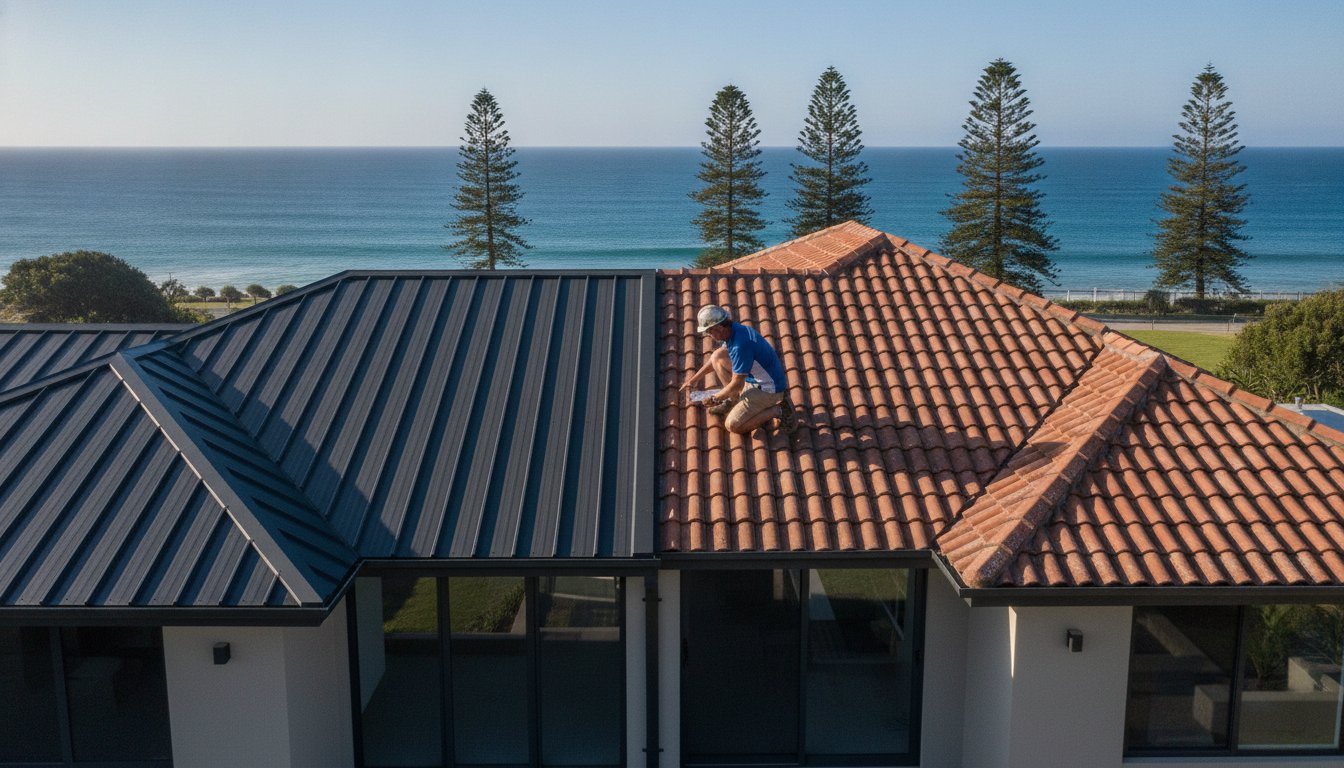
Could the very roof over your head be the most expensive liability on your Manly property? While traditional aesthetics often point toward classic masonry, the reality of living within reach of the Pacific Ocean means your choice of material is a high-stakes decision. When you’re weighing up a Colorbond vs tile roof Manly Beach upgrade, you aren’t just choosing a colour; you’re choosing how your home will stand up against relentless salt spray and the increasingly intense coastal storms we’ve seen lately.
We understand that Northern Beaches homeowners want peace of mind without the constant stress of cracked tiles or hidden corrosion. It’s a common frustration to see energy bills climb because of poor thermal insulation or to find damp patches after a heavy southerly buster. This comparison provides the clarity you need to make an informed investment. We will break down the structural benefits of modern steel versus traditional tiles, explain how the latest 2026 planning rules impact your renovation, and identify which material offers the best protection for your beachside lifestyle.
Key Takeaways
- Understand how Manly’s unique salt-laden air affects material longevity and why selecting the right grade of steel or tile finish is critical for preventing early corrosion.
- Compare the structural performance of heavy tiles against lightweight metal sheeting during intense Northern Beaches storm events to ensure your roof remains watertight and secure.
- Evaluate Colorbond vs tile roof Manly Beach options based on thermal efficiency to lower your energy bills and improve your home’s street appeal.
- Learn the specific maintenance requirements for coastal properties, including why regular salt-wash routines and gutter inspections are essential for long-term durability.
- Discover how your roofing choice dictates the design of your external plumbing, ensuring your gutters and downpipes are correctly configured to handle high-capacity coastal rainfall.
Choosing the Right Roof for the Manly Beach Environment
Manly’s microclimate is one of the most demanding in Australia. Properties situated between the harbour and the ocean face a constant bombardment of salt spray, high humidity, and intense UV radiation. When you’re evaluating a Colorbond vs tile roof Manly Beach residents have to look beyond simple aesthetics. Your choice determines how well your structure resists the corrosive “salt damp” that plagues many Northern Beaches homes. While traditional concrete or terracotta tiles have been a staple for decades, modern steel roofing is specifically engineered to handle these coastal extremes.
Your distance from the Pacific Ocean is the most critical factor in this decision. For properties within 200 metres of the breaking surf, standard materials aren’t enough. We recommend Colorbond Ultra steel for these marine zones, as it features a thicker protective coating. If your home is within 100 metres of the shoreline, Superdura Stainless steel is often the only viable metal option to ensure long-term durability. In contrast, traditional tiles are heavy and porous, which creates a different set of challenges in a high-salt environment.
The Impact of Salt Spray on Northern Beaches Homes
Airborne salt crystals are the “Invisible Enemy” of coastal roofing. These crystals settle on your roof and accelerate chemical reactions that break down surface coatings. While some competitors claim tiles last longer, they often ignore the issue of salt damp. In Manly, salt penetrates the porous surface of concrete tiles, where it crystallises and expands. This process makes the tiles brittle and prone to cracking over time. A Colorbond system, when installed with the correct marine-grade specifications, provides a non-porous shield that allows salt to wash away more effectively during rain events.
Roofing Trends in Manly for 2026
We’re seeing a significant shift toward modern, lightweight metal roofing in local renovations. This trend is partly driven by the new draft Northern Beaches Local Environmental Plan (LEP) and Development Control Plan (DCP), which are on public exhibition from July 20 to August 30, 2026. These updated rules aim to harmonise planning controls across the region, making it easier for homeowners to choose high-performance materials.
Homeowners are also prioritising street appeal, as the roof can account for up to 40% of a property’s exterior aesthetic. Popular choices for 2026 include:
- Modern Matt Finishes: Colours like Dover White and Southerly offer a premium, low-glare look.
- Heritage Integration: Using Bluegum or Wollemi to bridge the gap between traditional architecture and modern durability.
- Structural Weight Reduction: Swapping heavy tiles for steel to reduce the load on older timber frames common in Manly’s heritage pockets.
Performance and Durability Against Coastal Storms
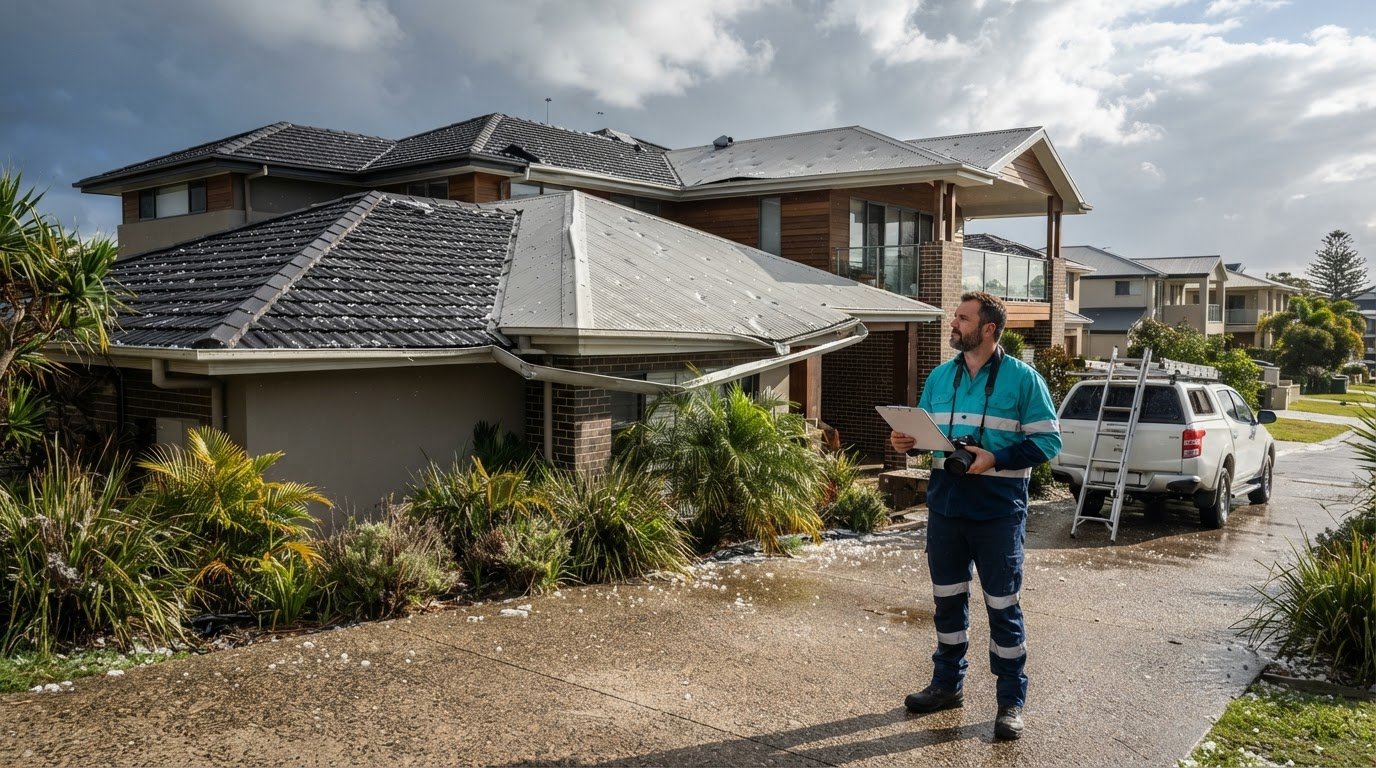
Manly Beach properties face a unique set of structural pressures. When a southerly buster hits the Northern Beaches, your roof must withstand more than just wind; it has to manage driving rain and salt-heavy gusts. Comparing a Colorbond vs tile roof Manly Beach requires looking at how these materials behave under stress. Tiles rely on their own weight and gravity to stay in place. In extreme wind events, this weight can actually stress the timber rafters of older homes. Conversely, Colorbond sheets are mechanically fastened directly to the battens, creating a unified structural skin that is far less likely to shift during a storm.
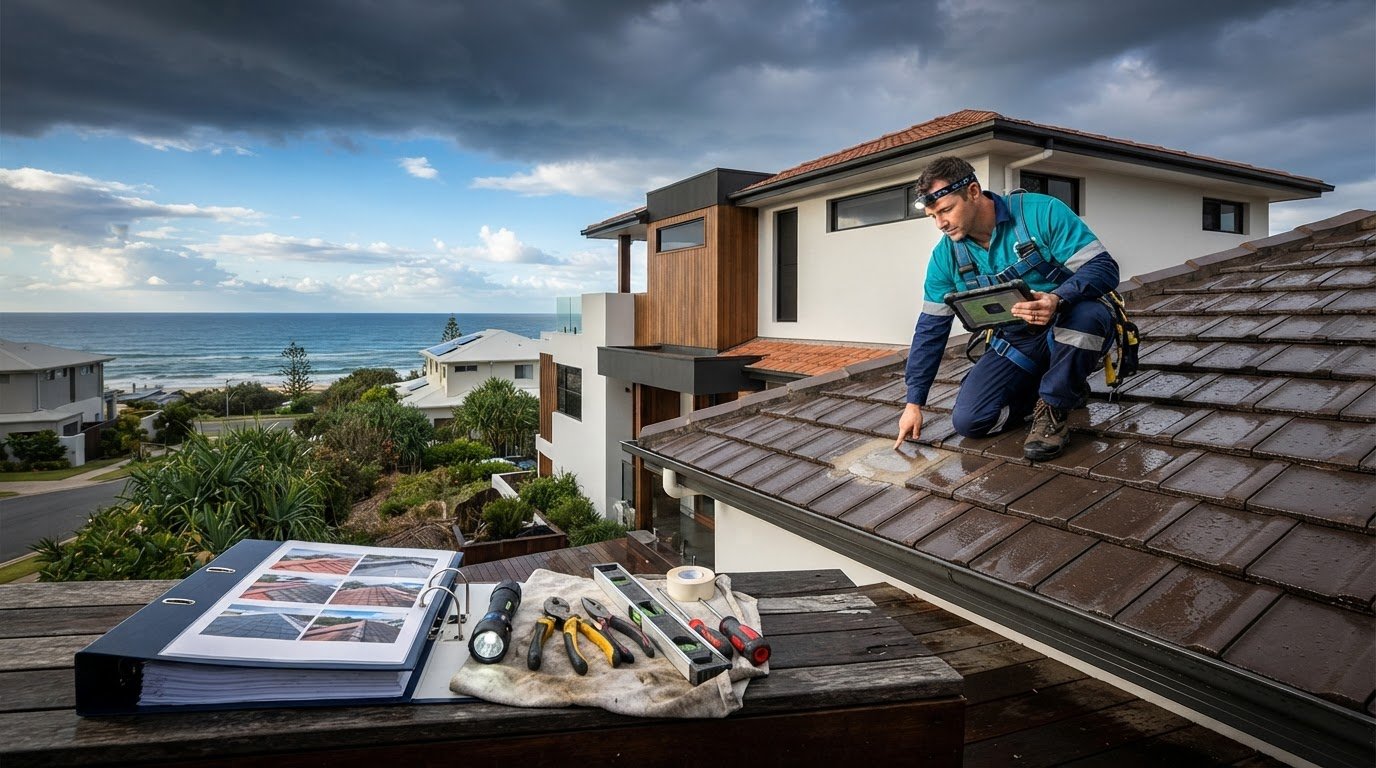
Watertightness is another area where metal excels in coastal environments. A tile roof consists of thousands of individual units. During heavy Manly downpours, wind can force water between these tiles through capillary action. Modern steel roofing uses long, continuous sheets that eliminate these entry points. This significantly reduces the risk of internal leaks that often lead to expensive ceiling repairs. If you’re concerned about the current state of your roof, a professional coastal roof assessment can identify potential failure points before the next storm season.
Colorbond Ultra: The Marine-Grade Solution
Standard metal roofing isn’t sufficient for homes within 200 metres of the Manly surf. For these front-row properties, Colorbond Ultra is the industry standard. It utilises a specialised aluminium-zinc-magnesium alloy coating that provides superior resistance to the chemical attack of salt spray. This isn’t just about looks; it’s about structural survival. Property owners should note that BlueScope warranties for coastal zones are strictly tied to using the correct grade of steel. For homes within 100 metres of the ocean, we often recommend Superdura Stainless steel to ensure your investment is fully protected against the harshest marine conditions.
The Vulnerability of Tile in Coastal Conditions
Concrete tiles are naturally porous. In a beachside environment, they absorb moisture and airborne salt. This salt eventually crystallises inside the tile, causing it to expand and become brittle. This is why many older Manly roofs suffer from “fretting” tiles that crumble at the touch. Maintaining these systems requires diligent roof repointing Sydney to ensure the ridge caps remain secure. Without this maintenance, the mortar cracks, allowing even more salt and water to penetrate the roof cavity. The high humidity in Manly also causes standard tile underlayment, or sarking, to degrade faster than it would in Western Sydney, leaving your home vulnerable if a tile does break.
Thermal Efficiency and Aesthetic Appeal for Beachside Living
Beyond structural integrity, your roofing choice dictates the daily temperature of your living spaces. When comparing a Colorbond vs tile roof Manly Beach residents must weigh up thermal mass against solar reflectance. Traditional tiles have high thermal mass, meaning they absorb heat during the day and continue to radiate it into your home long after the sun has set. In the humid Sydney summer, this often leads to higher air conditioning costs as your cooling system works overtime to offset the heat trapped in the roof cavity.
Modern steel roofing operates on a different principle. It utilises low thermal mass and high solar reflectance to keep interiors comfortable. Because metal cools down almost instantly when shaded, your home doesn’t hold onto the day’s heat. There is also a persistent myth that metal roofs are ‘loud’ during rain. When installed with high-quality sarking and modern ceiling insulation, the sound of rain on a Colorbond roof is barely distinguishable from a tile roof. This combination of quiet performance and rapid cooling makes steel an increasingly popular choice for Northern Beaches renovations.
Keeping Cool: Solar Reflectance Index (SRI)
The Solar Reflectance Index (SRI) is a measure of how well a material rejects solar heat. Lighter Colorbond colours like Dover White or Southerly have significantly higher SRI ratings than dark concrete tiles. While dark tiles can reach extreme temperatures in the midday sun, reflective metal surfaces bounce that energy away. This effect is enhanced when paired with proper ventilation systems, such as whirlybirds or ridge vents, which allow any residual heat to escape the roof space quickly. Choosing a high-SRI finish is one of the most effective ways to lower your carbon footprint and energy bills in 2026.
Modern vs. Traditional Styles in Manly
Aesthetics play a vital role in property valuation. Manly’s architectural landscape is a mix of classic heritage and contemporary Hamptons-style builds. Corrugated steel profiles perfectly complement the weatherboard and stone textures common in local coastal designs. However, for properties in designated heritage conservation areas, traditional terracotta tiles may still be required to maintain the suburb’s historical character. In the 2026 market, a professionally installed roof in a modern matt finish like Basalt or Bluegum can add significant street appeal, often becoming a key selling point for discerning buyers looking for a low-maintenance beachside lifestyle.
Maintenance Requirements and Long-Term Value
Every roof in Manly requires a specific maintenance regime to combat the aggressive coastal environment. When you’re comparing the long-term value of a Colorbond vs tile roof Manly Beach, you have to account for the hidden costs of neglect. While tiles are often marketed as a “set and forget” material, the reality in a high-salt zone is quite different. Without regular intervention, both materials can succumb to the elements, but the type of work required varies significantly between metal and masonry systems.
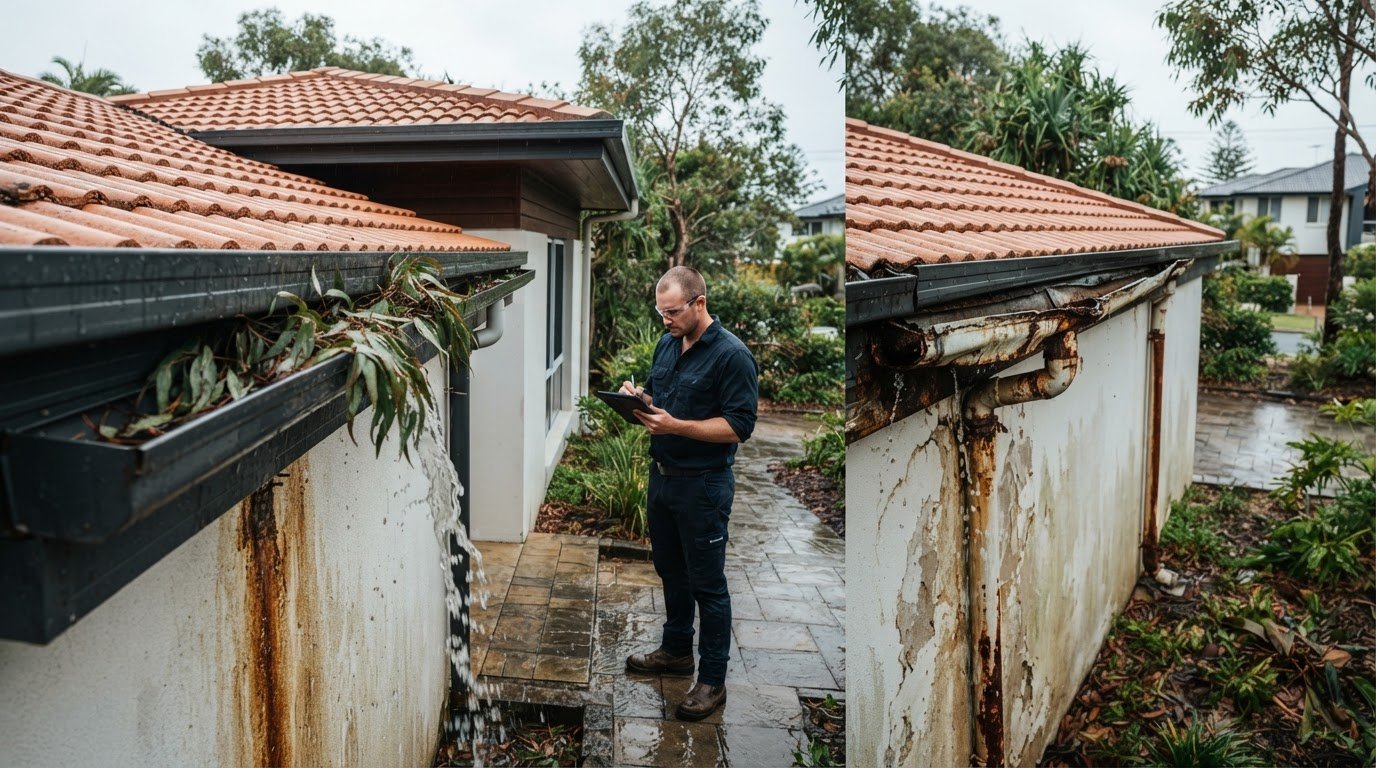
One of the most overlooked aspects of coastal property care is the management of “unwashed areas.” These are sections of your roof, such as the underside of eaves and the interior of gutters, that aren’t regularly rinsed by natural rainfall. In Manly, salt crystals accumulate in these sheltered spots, creating a concentrated corrosive paste. Over time, this leads to localised “salt damp” in tiles or premature rust in lower-grade metal. We recommend a comprehensive annual inspection to clear these deposits and ensure your drainage systems are functioning correctly. If your property is overdue for an assessment, you can schedule a professional coastal roof inspection to identify these hidden risks.
Maintaining Your Colorbond Roof in Manly
Modern steel roofing is remarkably durable, but it isn’t maintenance-free. For properties near the surf club or along the beachfront, a regular fresh water rinse is essential. This simple act removes salt buildup and preserves the integrity of the protective coating. During your annual check, we also look for any scratches or debris, such as fallen branches or metallic filings, that could compromise the surface. Keeping your gutters clear is equally vital; standing water mixed with salt is a recipe for rapid corrosion at the edge of your roof sheets. Investing in high-quality Colorbond roofing Sydney often results in lower long-term repair costs compared to tiles, provided these basic care steps are followed.
Tile Roof Restoration and Repointing
Tile roofs in Manly face a constant cycle of expansion and contraction due to temperature shifts and moisture absorption. This movement eventually causes the mortar bedding and pointing to crack. Once the pointing fails, your roof loses its watertight seal, and tiles can shift during high winds. Common signs that your roof needs attention include visible cracks in the ridge capping or finding pieces of mortar in your gutters. Professional repointing using modern flexible compounds is necessary to ensure the system remains secure during coastal storms. Neglecting a single cracked tile can lead to significant structural water damage, making regular restoration a non-negotiable part of owning a tile-roofed home on the Northern Beaches.
Expert Roof Plumbing Solutions for Manly Properties
Your decision in the Colorbond vs tile roof Manly Beach debate doesn’t just affect the top of your house; it fundamentally changes how your entire external drainage system must be engineered. A roof is a massive catchment area. During a heavy Sydney storm, thousands of litres of water must be moved off your property within minutes. If your gutters and downpipes aren’t perfectly matched to your roofing material, you risk overflow, foundation damage, and internal flooding. While previous sections focused on surface durability, the plumbing infrastructure beneath the surface is what keeps your home truly dry.
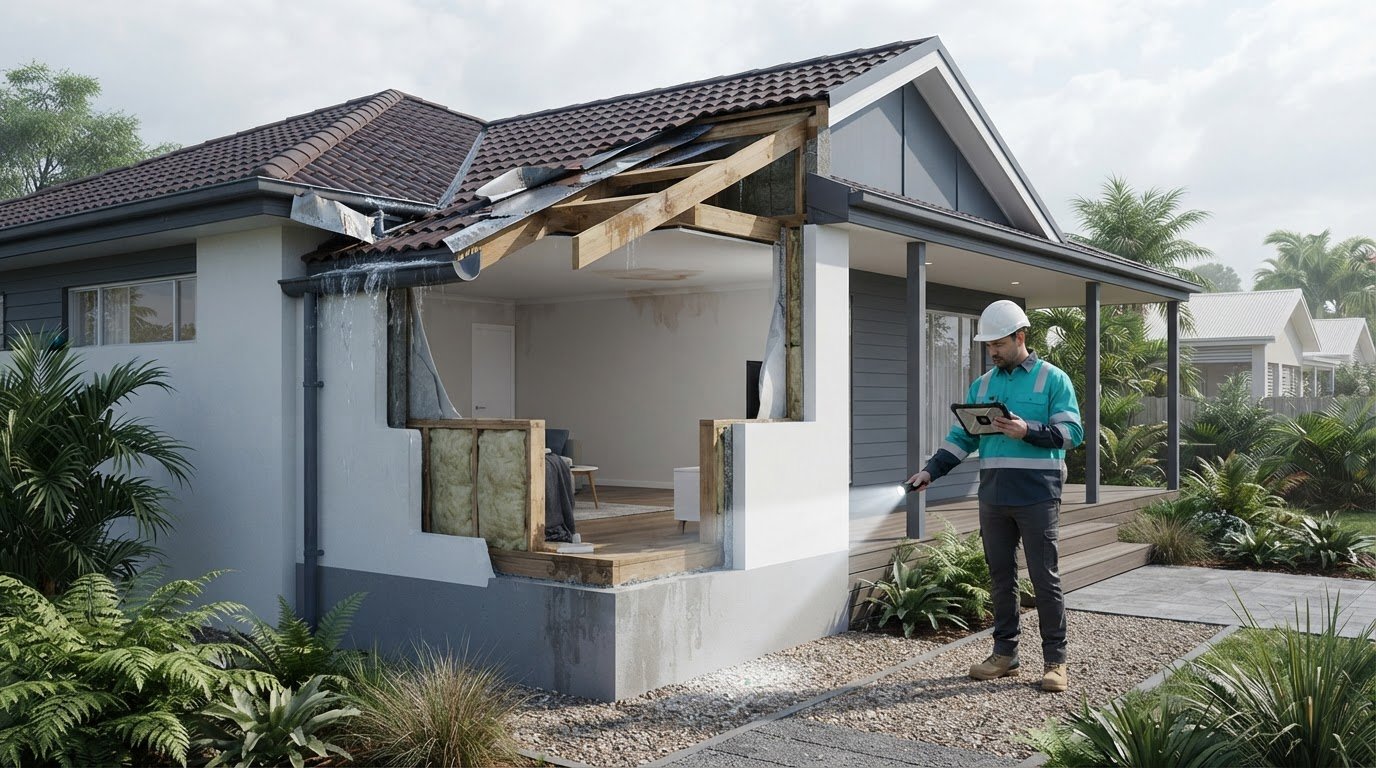
Coastal conditions can hide damage until it becomes a structural emergency. Salt-laden air can corrode internal flashings that aren’t visible from the street, leading to slow leaks that compromise your ceiling. This makes professional roof leak detection NSW a vital service for beachside residents. Our team uses specialised diagnostic tools to locate moisture ingress before it rots your timber trusses or destroys your insulation. We ensure that every component, from the ridge capping to the downpipe shoes, is configured to resist the unique pressures of the Northern Beaches environment.
Guttering and Downpipe Compatibility
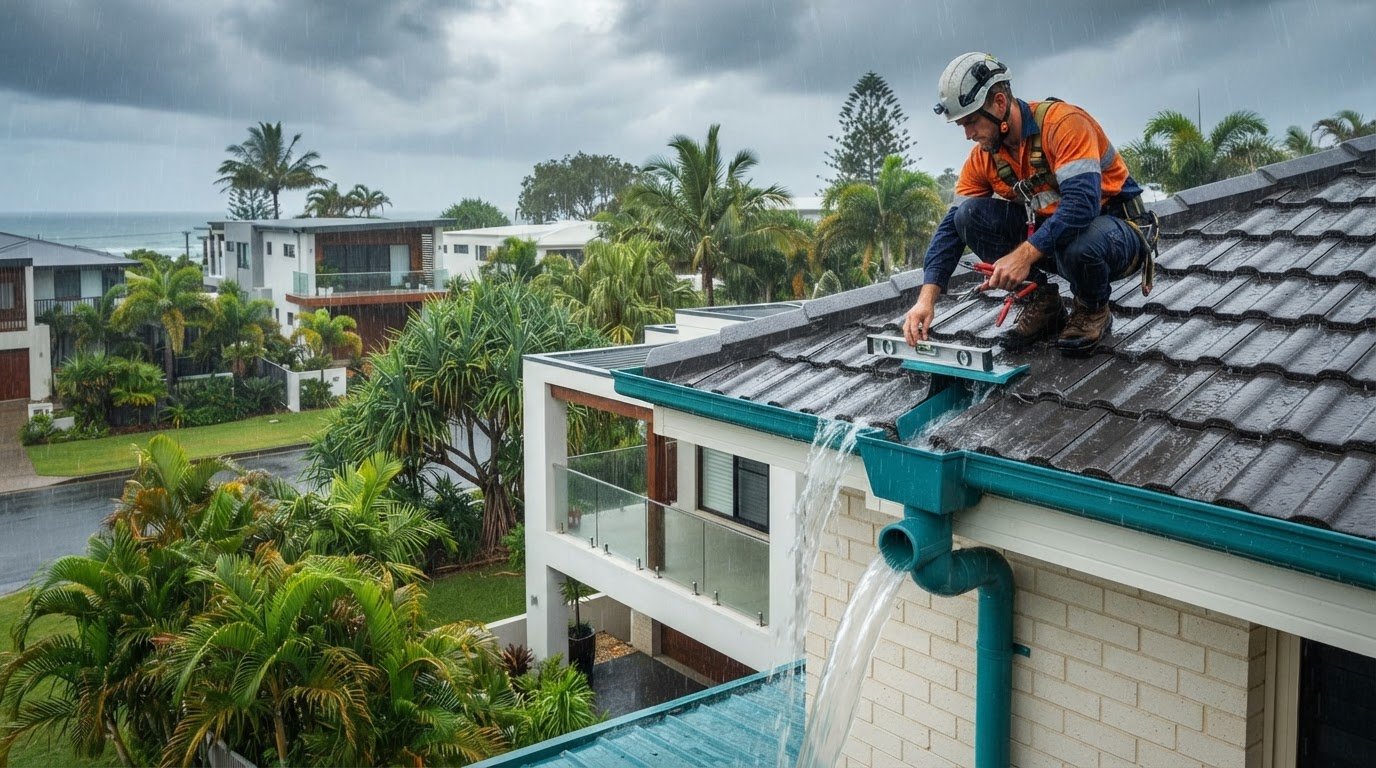
Colorbond roofing allows for a completely integrated system where the roof, gutters, and downpipes are made from the same marine-grade material. This prevents the risk of galvanic corrosion that occurs when incompatible metals meet. For tile roofs, which often have steeper pitches or more complex valley structures, high-capacity gutters are non-negotiable. We’ve seen many Manly properties struggle during “East Coast Low” events because their traditional plumbing simply couldn’t handle the volume of water sheeting off the tiles. Correct downpipe sizing is the only way to prevent these overflows and protect your eaves from water damage.
Next Steps: Consultation and Inspection
At Roof Plumbing Expert, we focus on the total health of your roofing system. We don’t just look at the surface; we examine the gutters, the downpipes, and the waterproofing flashings that keep the Manly salt spray out. Every property is different, and your specific distance from the ocean will dictate the best material and drainage configuration for your home. Whether you are looking to restore a classic tile roof or upgrade to a modern steel system, our local expertise ensures a result that adds value and security to your property.
Don’t wait for the next major storm to test your roof’s integrity. Contact Roof Plumbing Expert for a coastal roof assessment today and ensure your Manly Beach home is fully protected against the elements.
Securing Your Manly Home for the Future
Choosing the right material for your coastal property is a decision that impacts your home’s value and safety for decades. We’ve explored how the unique salt-heavy environment of the Northern Beaches demands specific engineering, from marine-grade Colorbond Ultra to precisely maintained tile systems. Your choice between a Colorbond vs tile roof Manly Beach depends on your distance from the surf, your home’s structural capacity, and your commitment to a regular maintenance schedule. Ensuring your gutters and downpipes are correctly matched to your roofing material remains the final, critical step in achieving a watertight finish.
As specialists in Northern Beaches coastal roofing, our team provides expert Colorbond and tile restoration services tailored to our local conditions. We are licensed roof plumbers with the local expertise needed to diagnose hidden vulnerabilities before they become costly repairs. It’s about more than just aesthetics; it’s about peace of mind during the next East Coast Low. Get a Professional Roof Assessment for Your Manly Property today to determine the best path forward for your beachside investment. Let’s work together to keep your home protected and looking its best for years to come.
Frequently Asked Questions
Is Colorbond or tile better for a house right on Manly Beach?
Colorbond Ultra or Superdura Stainless are generally the superior choices for properties directly facing the surf. While tiles are a traditional staple, the non-porous surface of marine-grade steel resists salt ingress far better than masonry. When comparing a Colorbond vs tile roof Manly Beach for front-row homes, steel provides a lighter structural load and significantly better resistance to the intense wind gusts found on the shoreline.
Does a Colorbond roof rust if it’s near the ocean?
Standard steel roofing can corrode in coastal zones, but marine-grade Colorbond is engineered specifically for these conditions. It utilises a specialised aluminium-zinc-magnesium alloy coating to prevent rust and surface degradation. Properties within 200 metres of the ocean must use the Colorbond Ultra range to maintain their material warranties and ensure the roof survives the constant salt spray.
Is it more expensive to install Colorbond or tiles in Sydney?
Installation costs vary based on the complexity of your roof’s pitch and structure. While concrete tiles often have a lower initial material cost, Colorbond is usually comparable in price to high-quality terracotta once labour and structural reinforcements are factored in. The long-term value of steel often outweighs tiles because it requires less frequent structural maintenance and offers better thermal performance in the Sydney heat.
Can I change my tile roof to a Colorbond roof?
Converting from tile to steel is a common and straightforward process for experienced specialists in Manly. The process involves removing the existing tiles, inspecting the timber frame, and installing new battens to provide a secure fixing surface for the metal sheets. This upgrade often reduces the overall weight on your home’s frame, which is particularly beneficial for older Northern Beaches cottages.
How often should I wash my coastal Colorbond roof?
You should rinse your roof with fresh water every six months if you live within reach of the salt spray. It’s critical to focus on “unwashed areas” under eaves or behind chimneys where salt accumulates without being cleared by natural rainfall. A simple hose-down prevents salt crystals from sitting on the surface and preserves the integrity of the protective coating.
Are tile roofs noisier than Colorbond roofs in the wind?
Tiles are naturally heavy and don’t vibrate, but they can chatter or rattle if the bedding and pointing have degraded. Modern metal roofs are fixed securely with neoprene-washered screws directly into the battens, meaning they don’t move during high-wind events. When paired with high-quality acoustic insulation, the sound levels are very similar to a traditional tile system.
Do I need special insulation for a metal roof in Manly?
High-performance sarking is essential for managing the high humidity levels found on the Northern Beaches. We recommend using an anti-condensation blanket that combines reflective foil with a glasswool layer. This setup prevents moisture from forming on the underside of the metal sheets and significantly improves the thermal efficiency of your home during the summer months.
What happens if salt spray builds up on my tile roof?
Salt buildup on masonry leads to a destructive process known as fretting. Salt crystals penetrate the pores of the concrete or terracotta and expand, causing the material to flake and crumble from the inside out. This makes the tiles brittle and prone to cracking, which eventually leads to hidden leaks and structural water damage during heavy coastal storms.