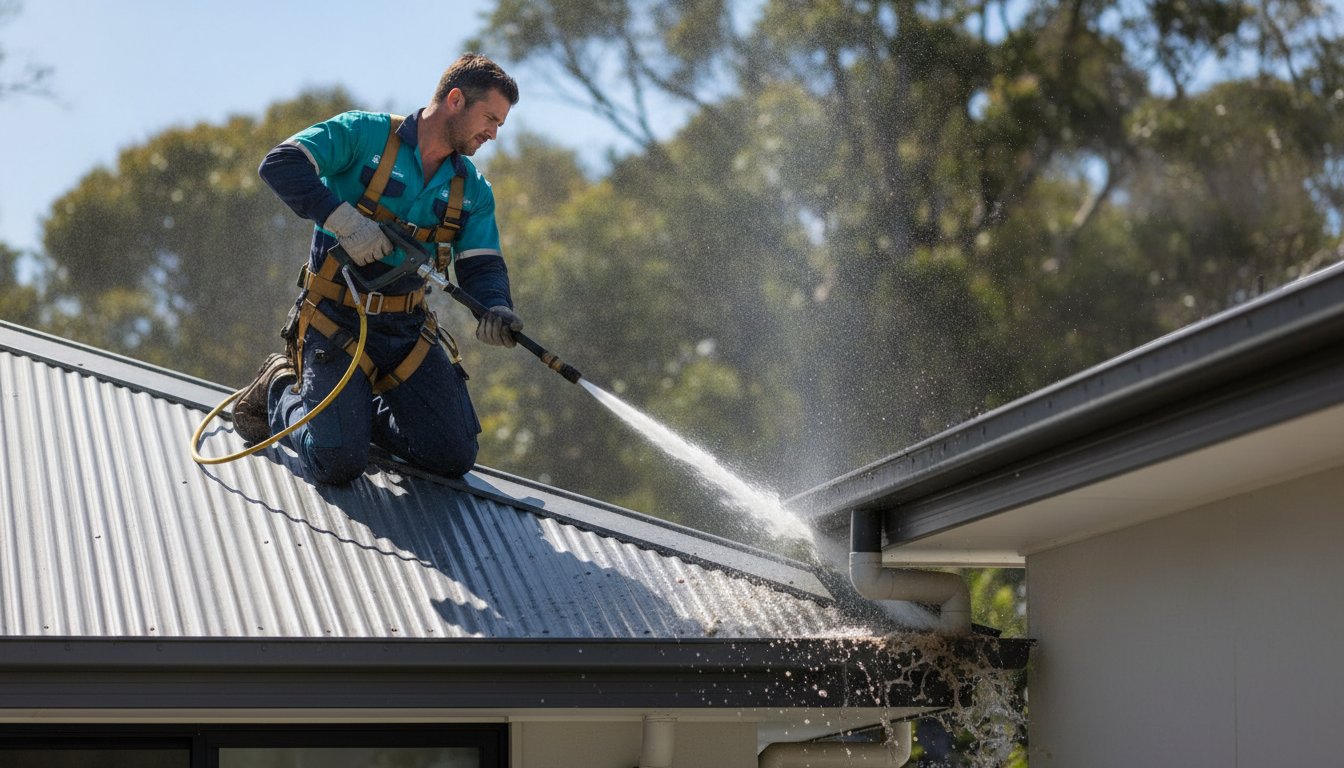
Did you know that tree roots are responsible for 60 to 70 percent of drainage blockages across Sydney? While a few leaves in the gutter might seem like a minor nuisance, a single heavy East Coast Low can quickly transform a small obstruction into a structural emergency. It’s incredibly stressful to watch water cascade over your eaves or discover fresh mould growth on your external masonry. Most homeowners we speak with share that same underlying fear of pooling water quietly compromising their property’s foundations during the next big storm.
This guide simplifies the process of blocked downpipe repair Sydney by teaching you how to identify, diagnose, and resolve blockages before they lead to expensive water damage. We’ll help you gain total peace of mind by explaining the diagnostic value of CCTV inspections, the effectiveness of high-pressure water jetting, and how the 2026 plumbing regulations impact your repair options. You’ll learn exactly when a pipe can be saved and when it’s time to consider a more durable replacement to keep your home dry and protected.
Key Takeaways
- Learn how to spot early signs of drainage failure before Sydney’s heavy storms cause water to overflow into your eaves and ceilings.
- Understand why professional diagnostics, such as CCTV camera inspections, are essential for locating deep obstructions that a simple wire cannot reach.
- Discover the most effective options for blocked downpipe repair Sydney, comparing the benefits of high-pressure water jetting against full structural replacement for ageing properties.
- Master the safe sequence for isolating a blockage, ensuring you use the correct PPE and height safety equipment when working on your stormwater system.
- Recognise the importance of hiring a specialist roof plumber to ensure all drainage work complies with Australian Standard AS/NZS 3500.3.
Identifying a Blocked Downpipe Before It Damages Your Sydney Home
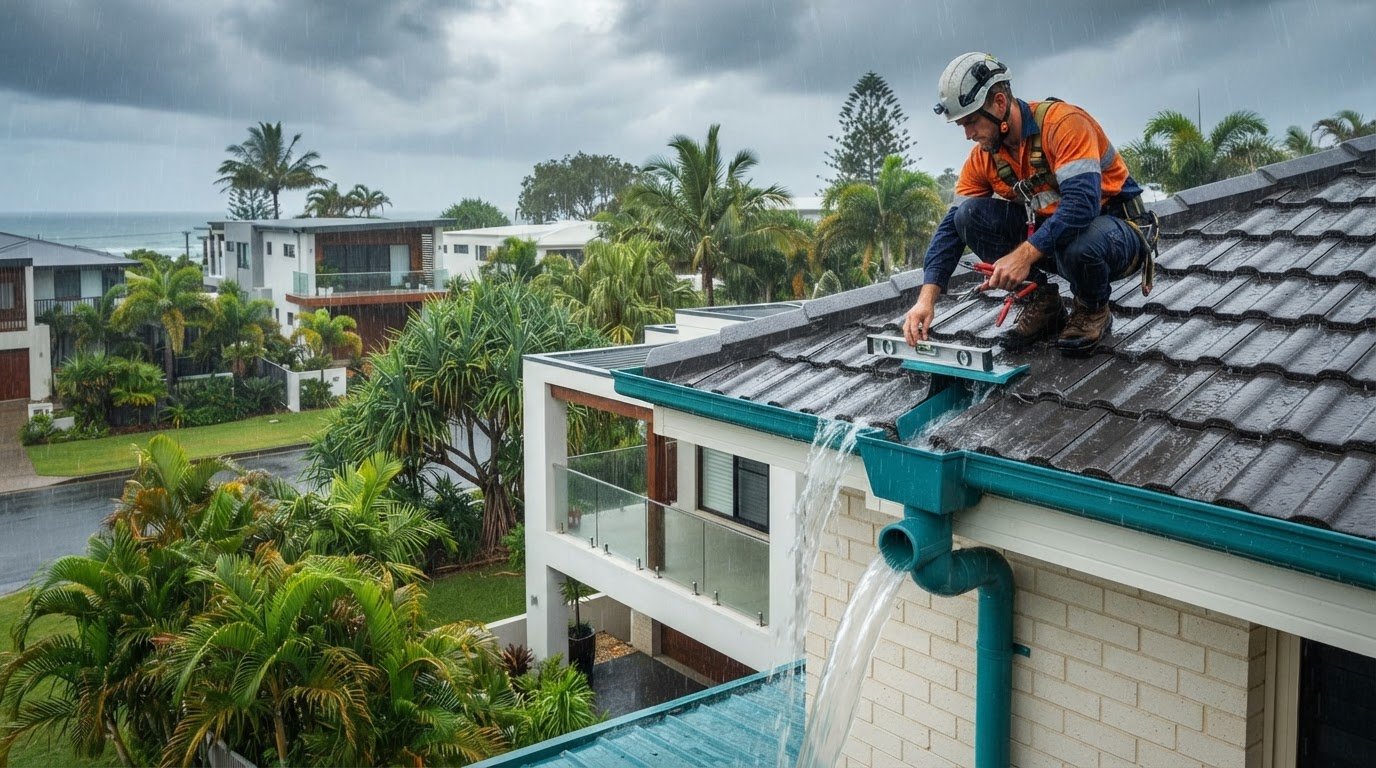
A Downspout, or downpipe, is the most critical component of your property’s stormwater management system. Its primary role is to channel thousands of litres of water away from your roof and foundations. When a blockage occurs, this system fails completely. In Sydney, our weather patterns often involve long dry spells followed by intense, sudden downpours. These “flash” events turn minor debris into a solid plug. This leads to immediate overflows that can saturate your eaves and ceiling space in minutes.
It’s vital to distinguish between a surface-level clog and a deep underground obstruction. A surface blockage usually happens at the gutter outlet and is often visible from a ladder. Deep obstructions occur further down the line, frequently where the pipe transitions into the ground. These require professional blocked downpipe repair Sydney because they involve the stormwater pipes buried beneath your garden or driveway. If left unaddressed, the pressure from trapped water can cause underground pipes to crack or burst.
Sydney terrace houses, particularly in the Inner West, often share common drainage lines. This makes them vulnerable to “blow-backs” if a neighbour’s pipe is blocked. Modern Colorbond homes rely on high-capacity gutters that dump massive volumes of water into a single downpipe. If that pipe is compromised, the overflow can quickly penetrate the building envelope, causing expensive internal damage to plasterboard and insulation.
The Tell-Tale Signs of Downpipe Obstruction
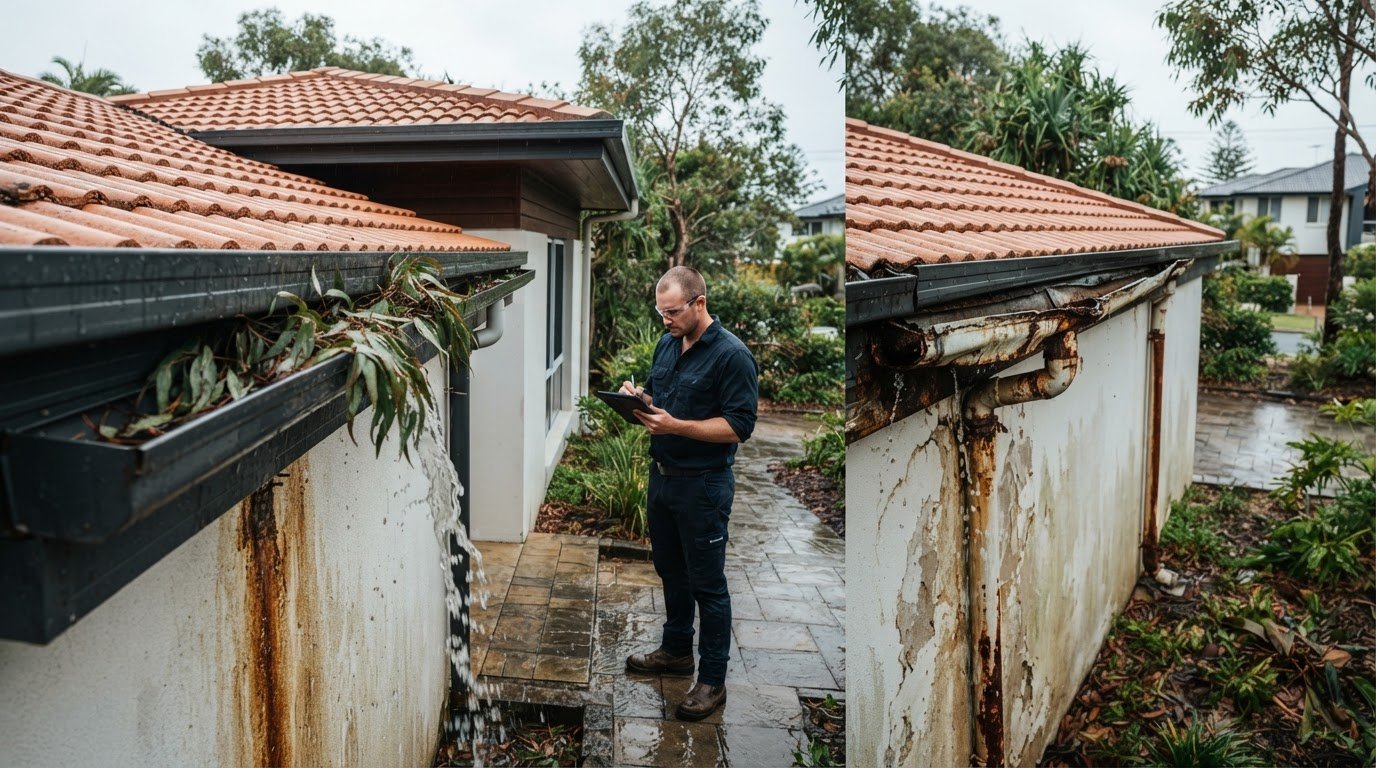
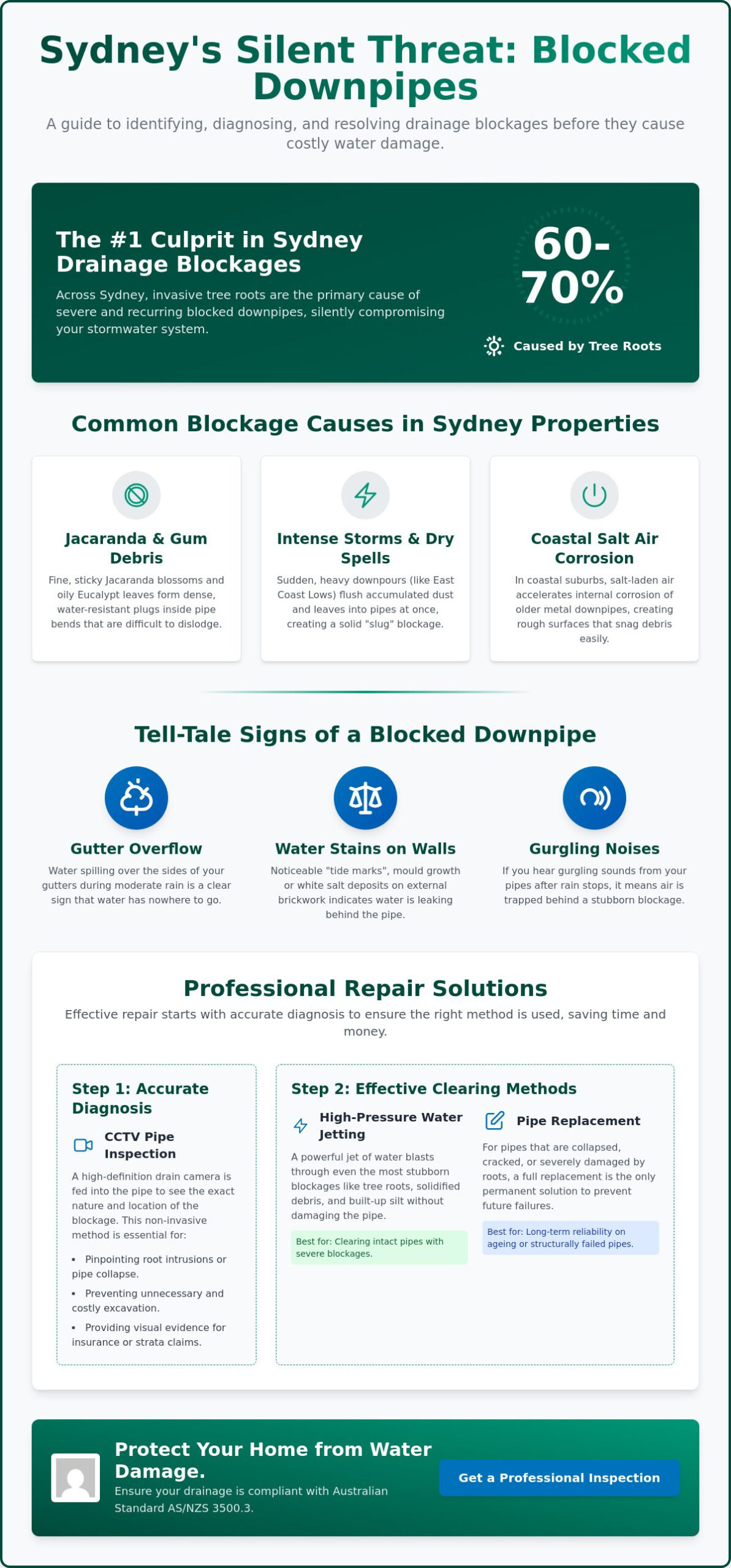
Look for water spilling over the sides of your gutters even during moderate rain. This usually indicates the water has nowhere to go. You might also notice “tide marks” or white salt deposits on your external brickwork, which suggests water is leaking behind the pipe. If you hear gurgling noises after the rain stops, it’s a clear sign that air is trapped behind a stubborn blockage. These indicators suggest you need to investigate your drainage before the next East Coast Low arrives. If your gutters are also spilling water over their edges, our detailed guide on how to fix overflowing gutters can help you determine whether the issue lies with the gutter itself or the downpipe below.
Sydney-Specific Causes: From Jacarandas to Gum Leaves
Local flora plays a massive role in drainage health. Jacarandas drop fine, sticky blossoms that mat together into a thick paste. Eucalypt leaves are oily and resistant to breaking down, often creating “nests” inside the pipe bends. In coastal suburbs like Mainly Beach, salt air can accelerate the internal corrosion of older metal downpipes. This creates rough surfaces where debris easily snags. When a long dry spell is followed by an intense storm, all the accumulated dust and leaves are flushed into the pipe at once. This creates a “slug” that’s difficult to clear without specialist equipment. Reliable blocked downpipe repair Sydney starts with understanding these local environmental factors.
Professional Diagnostics: How We Locate Stubborn Downpipe Blockages
Attempting to clear a deep clog by poking a wire or garden hose down the pipe is often a futile exercise. While it might shift some loose leaves, it won’t address the structural issues or solidified debris that cause recurring failures. Effective blocked downpipe repair Sydney starts with a methodical assessment of the entry and exit points. A specialist roof plumber begins at the transition point where the gutter meets the downpipe nozzle. This area is a common trap for matted debris that restricts the initial flow of water.
We also pay close attention to the “shoe”, which is the bend at the bottom of the pipe where it enters the ground. This is a high-impact zone where silt, gravel, and heavy organic matter settle over time. If the blockage persists beyond this point, we must verify the connection to the Sydney stormwater main. According to NSW Fair Trading regulations, all drainage work must lead to an approved discharge point. A blockage in the council main can render your entire downpipe system useless, regardless of how clean the vertical sections are.
CCTV Pipe Inspection: Seeing the Unseen
Acoustic Testing and Flow Analysis
Sometimes the pipe is clear, but the water still won’t drain. This often points to a gutter pitch issue rather than a physical obstruction. If the gutter isn’t angled correctly toward the downpipe, water pools and eventually overflows, mimicking the signs of a blockage. Flow analysis involves timing how long it takes for a specific volume of water to pass through the system. Identifying the root cause early prevents the need for invasive excavation. If you suspect your drainage is failing, a specialist diagnostic check provides the clarity you need to move forward.
Comparing Repair Methods: High-Pressure Jetting vs. Physical Replacement
Deciding between clearing a clog and performing a structural repair is a common dilemma for owners of ageing Sydney properties. While a simple blockage can often be flushed away, many recurring issues stem from the physical condition of the pipe itself. In older suburbs, original galvanised steel downpipes often suffer from internal corrosion. This rust creates a sandpaper-like surface that catches every passing leaf and twig, leading to a permanent cycle of obstructions. Modern blocked downpipe repair Sydney must account for these material realities to ensure a long-term solution.
Material compatibility is a major factor in the repair process. We often see older metal systems connected to modern PVC stormwater lines, or Colorbond downpipes that have been incorrectly fitted with incompatible brackets. These structural weaknesses allow the pipe to sag or shift, creating “dead spots” where silt accumulates. If your downpipe is structurally sound but full of debris, high-pressure clearing is the best path. However, if the pipe walls are thinning or the joints have separated, physical replacement is the only way to protect your home from water ingress.
Hydro-Jetting: The Heavy-Duty Clearing Solution
Hydro-jetting uses specialised nozzles to blast water at extreme pressure through the drainage line. Unlike a manual snake, which only pokes a hole through the centre of a clog, hydro-jetting scours the entire internal diameter of the pipe. It effectively removes matted leaves, silt, and even minor root intrusions. This method is highly efficient for blocked downpipe repair Sydney when the pipe is otherwise in good condition. We exercise caution with older, fragile pipes, as the intense pressure can worsen existing cracks in brittle earthenware or rusted metal sections. For most modern PVC or Colorbond systems, it provides a “like-new” internal finish.
When Replacement is the Only Option
Sometimes, clearing the blockage reveals a more serious problem. Pinhole leaks caused by internal rust are a frequent find in older Sydney homes. These leaks often go unnoticed until they cause dampness in the external walls or mould in the eaves. In these cases, the pipe has reached the end of its functional life. Upgrading to larger diameter downpipes is often a smart move, especially as Sydney experiences more frequent and intense rainfall events. A larger pipe capacity ensures your roof can shed water faster than the gutters can overflow. When corrosion or structural failure is confirmed, investing in professional downpipe replacement Sydney specialists recommend is the most reliable way to safeguard your property against future stormwater damage. When we perform these upgrades, we ensure the new components meet the highest gutter and downpipe installation NSW standards. This approach guarantees that your stormwater system is not just clear, but structurally prepared for the next decade of Sydney weather.
How to Repair and Clear a Blocked Downpipe: A Step-by-Step Guide
Performing a blocked downpipe repair Sydney requires a methodical approach to ensure the system is restored to full capacity. Before you begin, safety is the absolute priority. Working at heights on a ladder carries significant risk, especially on the uneven terrain common around Sydney terrace houses. Ensure your ladder is stable, and always wear appropriate Personal Protective Equipment (PPE), including heavy-duty gloves to protect against sharp metal edges and eye protection to guard against debris backsplash.
The most effective way to resolve a blockage is to isolate it by working from the top down. This prevents you from pushing a small clog deeper into the underground stormwater lines, which are much harder to access. If a standard downward flush fails, we often employ a “reverse flush” technique. This involves carefully applying water pressure from the bottom of the pipe to dislodge the core of the blockage and force it back up toward the gutter outlet where it can be manually removed.
Step 1: Clearing the Gutter Entry Point
Start by removing the “bird guard” or wire strainer from the top of the downpipe. These components often become the primary site of a blockage as they trap leaves and twigs. Clean the area around the “drop” (the hole in the gutter) thoroughly. If you see pooling water in the gutter even after the outlet is clear, it’s a certain indicator that the obstruction is located further down the vertical section of the pipe. Removing this surface debris prevents immediate re-blocking once the main clog is cleared. If you find that water is also spilling over the gutter rim rather than entering the downpipe, the steps outlined in this complete Australian homeowner’s guide to fixing overflowing gutters will help you address the broader drainage system.
Step 2: Using the Plumbers Snake or Hand Auger
Feed a manual plumbers snake or hand auger into the pipe with a steady, rotating motion. This allows the tool to navigate the bends and elbows without snagging or damaging the internal surface. You’ll need to “feel” for the resistance; a soft, springy sensation usually indicates matted leaves, while a hard, solid stop suggests a more serious debris build-up or even a structural failure. Work the auger back and forth to break up the core of the blockage. This creates a path for water to begin flowing again, which helps wash away the remaining material.
Step 3: Final Flush and System Testing
Once the blockage is broken, use a high-volume garden hose to perform a final flush. Watch the discharge point at your stormwater pit or the street kerb to ensure the water is running clear of silt and organic matter. While the system is wet, check every joint for leaks. If you find gaps, dry the area and apply a high-grade roofing sealant to reseal the joints. Finally, verify that all wall brackets are tight and the pipe is plumb. If the blockage is too deep for manual tools, you should request a professional high-pressure jetting service to clear the line completely.
Why Professional Roof Plumbing is Essential for Sydney Drainage
While a general plumber is an expert in internal pipes and fixtures, a specialist roof plumber focuses specifically on the building’s external envelope and stormwater management. This distinction is vital for effective blocked downpipe repair Sydney. Stormwater systems are subject to different hydraulic pressures and environmental stressors than internal sewerage. A specialist understands how to calculate the catchment area of your roof to ensure your downpipes aren’t just clear, but are actually sized correctly for Sydney’s intense rainfall patterns.
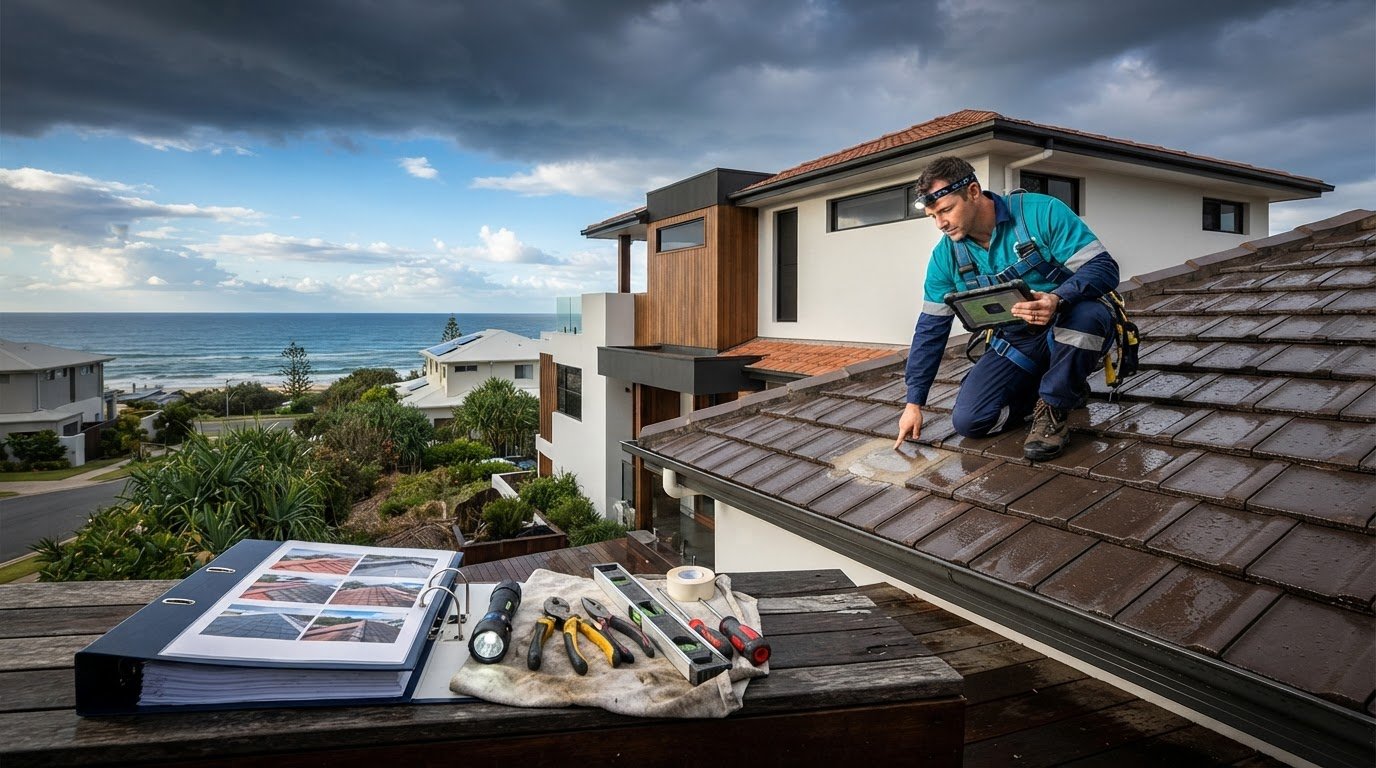
Compliance with Australian Standards, specifically AS/NZS 3500.3, is a legal requirement for all stormwater drainage work. These regulations dictate everything from the grade of the pipes to the frequency of support brackets. Professional repairs ensure your system meets these rigorous safety and performance benchmarks. Furthermore, hiring a licensed specialist protects your home insurance validity. Most policies exclude coverage for water damage resulting from “gradual deterioration” or “lack of maintenance”. Having a professional service record proves you took the necessary steps to prevent structural damage, providing essential documentation for future claims.
The importance of professional oversight is a global standard; for example, Miami 305 Plumbing provides 24/7 emergency assistance to ensure that both residential and commercial properties remain protected from sudden drainage failures.
The “Seasoned Specialist” approach goes beyond a quick fix. It involves looking at the property as a whole to identify why a blockage occurred in the first place. Whether it’s a structural sag in a 100-year-old terrace or an incorrectly installed nozzle on a new build, a professional identifies the root cause to prevent a recurrence. This long-term perspective provides the peace of mind that your home is genuinely protected against the elements.
The Expertise of Roof Plumbing Expert
We focus exclusively on external water management and structural protection. Our team has extensive experience with the diverse range of Sydney architecture, from heritage-listed brickwork to modern Colorbond roofing. We value transparency, which is why we provide clear explanations and visual evidence of every repair. By choosing a specialist, you ensure that your blocked downpipe repair Sydney is performed with precision and a deep understanding of local building requirements.
Preventative Maintenance: Avoiding the Next Blockage
The most cost-effective repair is the one you never have to make. Regular preventative maintenance, such as annual gutter cleaning and downpipe flushing, is essential for Sydney homeowners. This process removes the fine silt and organic “sludge” that standard rainfall cannot shift. We also recommend installing high-quality leaf guards tailored to the specific trees on your property, such as the fine-mesh guards needed for Jacarandas. For total confidence in your stormwater system, you can contact Roof Plumbing Expert for a comprehensive drainage audit. We’ll identify potential weak points and ensure your property is ready for the next heavy downpour.
Secure Your Sydney Home Against the Next Storm
Protecting your property from water damage starts with a clear and functional stormwater system. You’ve learned that identifying signs like gurgling pipes or tide marks early can prevent minor clogs from becoming structural emergencies. While DIY efforts have their place, the precision of CCTV diagnostics and high-pressure jetting ensures that blocked downpipe repair Sydney is handled correctly the first time. This methodical approach doesn’t just clear the line; it identifies underlying issues like internal corrosion or tree root intrusion before they compromise your foundations.
Relying on a specialist ensures your drainage system remains compliant with Australian Standards and protects your home insurance validity. Whether you own a heritage terrace or a modern Colorbond home, having a seasoned professional manage your roof plumbing provides the long-term security you need. Don’t wait for the next East Coast Low to test your drainage. Taking proactive steps now means you can rest easy knowing your home is guarded against the elements. Book Your Professional Downpipe Inspection with Roof Plumbing Expert Today. Our specialist roof plumbers bring years of expertise in Sydney stormwater systems to every heritage and Colorbond property we service.
Frequently Asked Questions
How much does it cost to unblock a downpipe in Sydney?
The cost of blocked downpipe repair Sydney depends on the accessibility of the pipe and the severity of the obstruction. Factors such as whether a CCTV camera is needed for diagnosis or if high-pressure water jetting is required will influence the final price. While simple surface clearings are straightforward, deep underground blockages that require specialised equipment naturally involve more labour. We provide transparent assessments based on the specific structural needs of your property.
Can a blocked downpipe cause foundation issues?
Yes, a persistent blockage is a significant threat to your home’s structural integrity. When water cannot flow through the downpipe, it pools at the base of the wall or overflows into the eaves. This saturates the ground around your foundations, which can lead to soil subsidence and foundation cracking. In Sydney’s reactive clay soils, this movement is a primary cause of expensive structural repairs that could have been avoided with simple maintenance.
How do I know if my downpipe is blocked or if my gutters are just full?
You can distinguish between the two by observing where the water overflows during rain. If water spills over the gutter edges everywhere, your gutters are likely full of leaves. However, if the water overflows specifically at the point where the gutter meets the downpipe, the blockage is within the pipe itself. Gurgling sounds or water “backing up” out of the ground-level shoe also confirm a downpipe obstruction rather than a simple gutter issue.
What is the best way to clear a downpipe that goes underground?
Professional hydro-jetting is the most effective method for clearing underground sections. Unlike manual snakes that only create a small hole, high-pressure water scours the entire internal diameter of the pipe to remove silt and matted organic matter. This is often paired with a CCTV inspection to ensure no tree roots have breached the line. This approach provides a definitive solution for blocked downpipe repair Sydney without the need for immediate excavation.
Is it better to repair or replace a rusted metal downpipe?
Physical replacement is almost always superior to repairing a rusted metal pipe. Once internal corrosion starts, the pipe wall thins and develops a rough texture that snags debris, ensuring the blockage returns quickly. Modern PVC or Colorbond replacements offer a smooth internal surface and superior weather resistance. While a patch might provide a temporary fix, a full downpipe replacement Sydney homeowners can rely on ensures long-term durability and protects your external masonry from rust staining and water ingress.
How often should I have my downpipes checked in Sydney?
We recommend a professional inspection at least once every twelve months to ensure your system is prepared for seasonal storms. Homeowners in heavily wooded areas or coastal suburbs should consider a check-up every six months to manage seasonal leaf drops and salt air impact. Regular checks allow us to identify minor issues, like loose brackets or small silt build-ups, before they escalate into major failures during an intense Sydney downpour.
Can I use a chemical drain cleaner for my downpipes?
You should never use chemical cleaners in your stormwater system. These products are often ineffective against the organic “mats” of leaves and silt found in downpipes and can cause significant damage to older metal components. They also pose a serious environmental hazard as they wash directly into Sydney’s waterways. If a blockage is stubborn, mechanical clearing or high-pressure water is the only safe and professional solution that won’t compromise your pipes.
Do Sydney councils require specific downpipe sizes for new roofs?
Yes, downpipe sizing is strictly regulated by the Plumbing Code of Australia (PCA) and Australian Standard AS/NZS 3500.3. The capacity must be sufficient to manage the local rainfall intensity of your specific Sydney suburb. Professional roof plumbers use these standards to calculate the required diameter based on your roof’s total catchment area. Ensuring your pipes meet these legal requirements is essential for both effective drainage and maintaining your home’s insurance compliance.