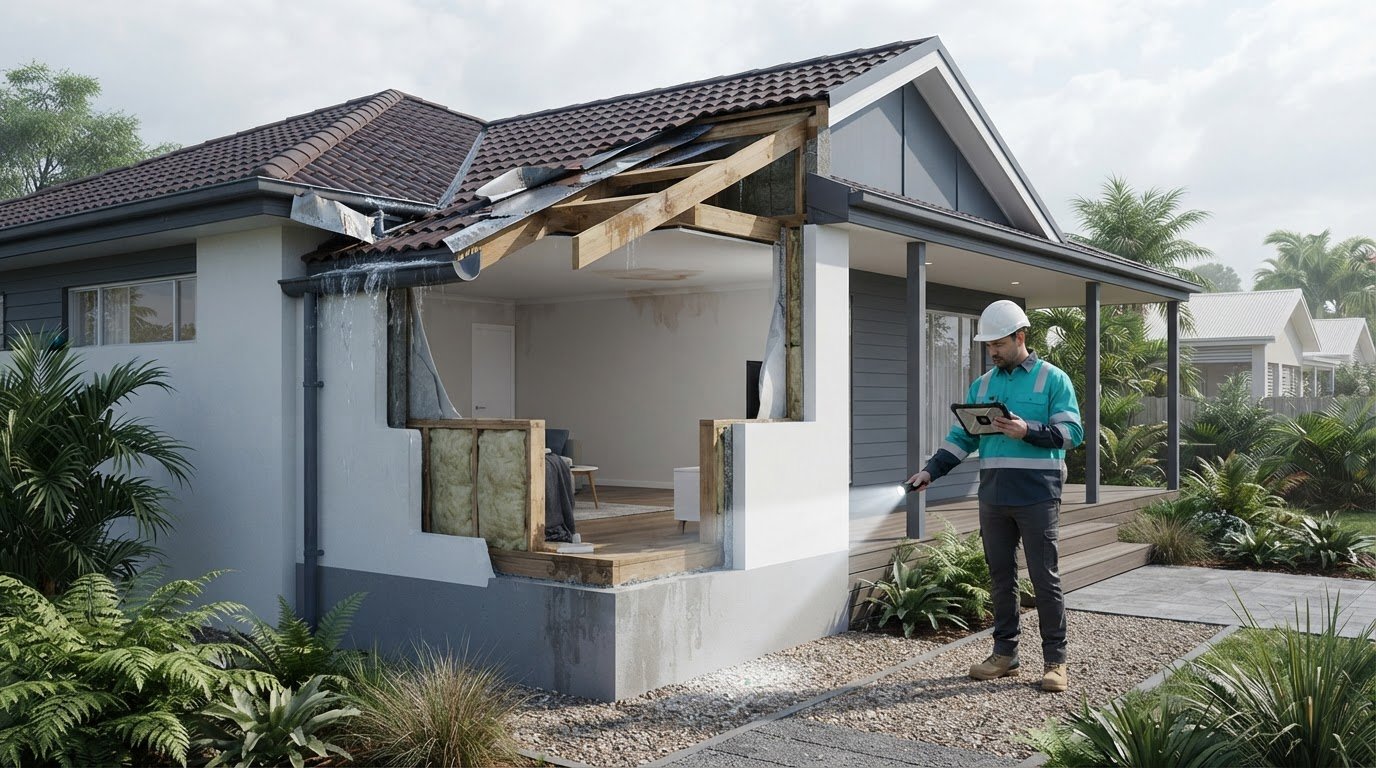
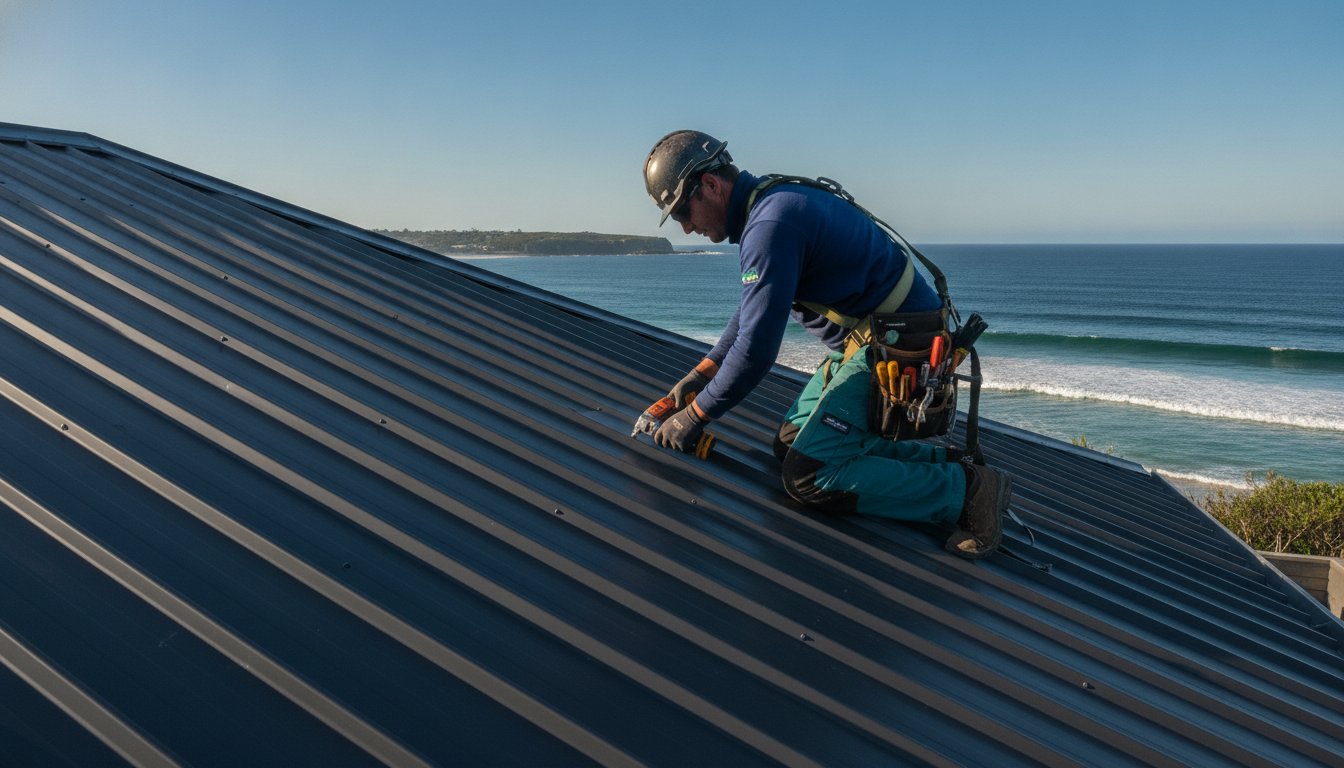
Living within a few kilometres of the beach means your home faces a constant barrage of salt air and intense UV rays that would destroy a standard roof in years. It’s natural to feel concerned about salt spray corrosion or the unsettling noise of metal sheets during a heavy East Coast Low. You’re likely looking for a solution that provides long-term security, looks modern, and keeps your energy bills under control. That’s why Colorbond roofing Central Coast has become the definitive choice for locals who value durability and precision engineering.
In this guide, you’ll discover how to select the right marine-grade finishes and profiles to ensure your home remains leak-free and compliant with local Bushfire Attack Level (BAL) ratings. We’ll break down the technical differences between profiles like Corrugated and Monoclad, explore the thermal benefits of the new 2026 colour palette, and explain why the right roof plumbing is the secret to a high-performing coastal home. By the end, you’ll have the confidence to choose a roof that protects your property for decades to come.
- Learn why Colorbond roofing Central Coast is the premier choice for withstanding salt air while lowering your home’s cooling costs through solar reflectance technology.
- Discover the technical differences between standard and Ultra finishes to ensure your property is protected against coastal corrosion and rust.
- Understand the vital role of precision-engineered flashing and high-capacity guttering in maintaining a completely watertight roof system.
- Navigate local council regulations and Bushfire Attack Level (BAL) ratings to ensure your new installation is fully compliant and safe.
- Find out how to verify BlueScope Steel warranties and why choosing a licenced roof plumber is essential for long-term structural security.
Why Colorbond is the Gold Standard for Central Coast Homes
Choosing the right material for a new roof or replacement is a significant decision for any homeowner. On the Central Coast, the climate presents specific challenges that demand more than just a standard building material. Colorbond roofing Central Coast has earned its reputation as the gold standard because it’s engineered to withstand the unique pressures of our environment. Manufactured by BlueScope Steel, this material undergoes rigorous testing to ensure it survives everything from intense UV radiation to the corrosive effects of salt spray.
Unlike traditional concrete or terracotta tiles, steel roofing is remarkably lightweight. This provides a distinct structural advantage, particularly for older Central Coast cottages where heavy tile loads can cause frames to sag or stress over time. By opting for a lighter material, you reduce the physical burden on your home’s foundation and timber structure. Additionally, for properties located near national parks or in leafy suburbs, the non-combustible nature of steel is a critical safety feature. It assists in meeting strict Bushfire Attack Level (BAL) ratings, providing a secure barrier against ember attack during the summer months. This blend of strength and safety makes Colorbond roofing Central Coast the most reliable choice for local conditions.
Thermal Efficiency and Energy Savings
The choice of roof colour directly impacts your household budget. Lighter Colorbond shades reflect significantly more heat than traditional dark tiles, which often absorb solar energy and radiate it into the ceiling cavity. To further enhance this performance, we recommend the installation of Anticon insulation blankets. These blankets play a dual role by preventing condensation from forming under the metal sheets and creating a powerful thermal break. Thermatech technology helps maintain a stable indoor temperature by reflecting a greater proportion of the sun’s heat away from the roof surface. This efficiency reduces the reliance on air conditioning and lowers long-term energy costs.
Durability in Coastal and Storm-Prone Environments
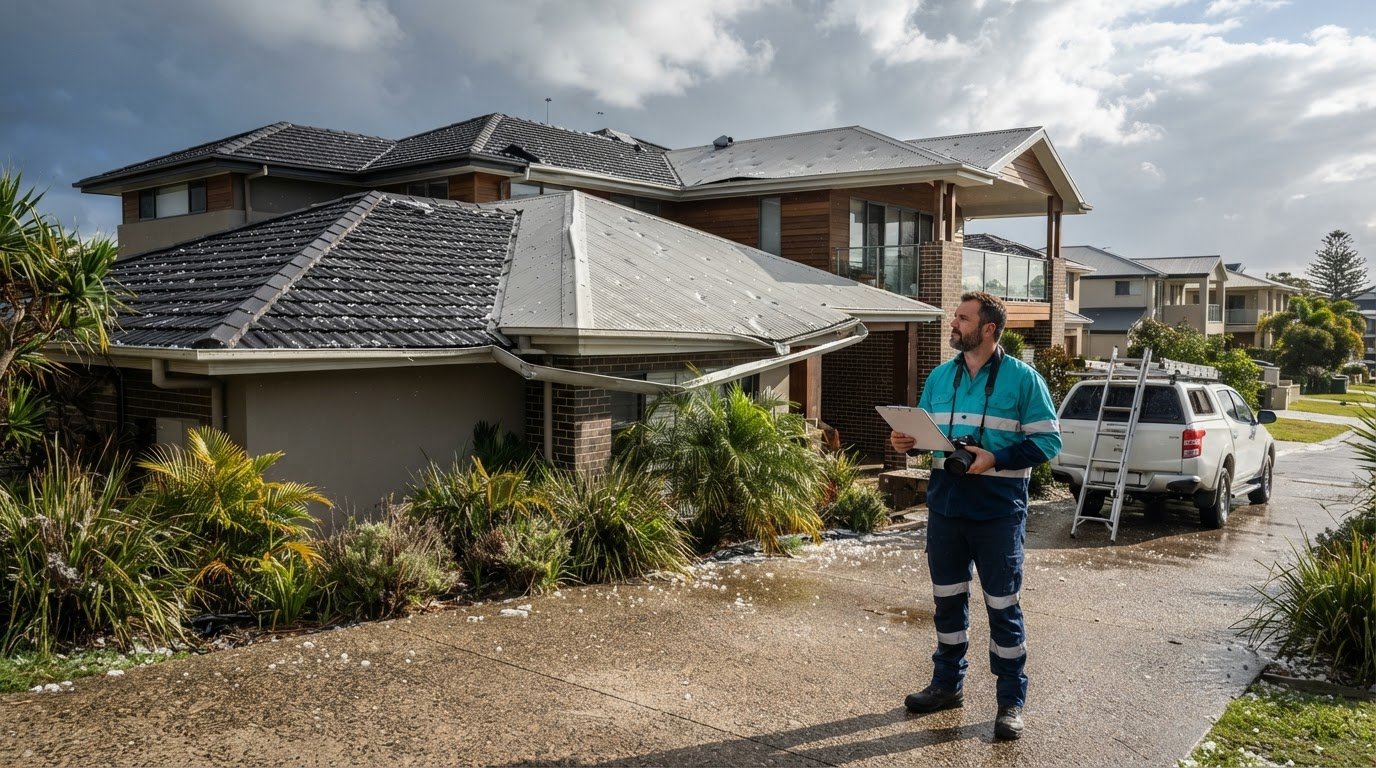
Central Coast residents are no strangers to the intense East Coast Low storm events that bring heavy rain and gale-force winds. During these periods, the superiority of a metal system becomes evident. Steel sheets don’t crack, shift, or become porous like aged concrete tiles. While older tiles can absorb water and gain significant weight during prolonged rain, Colorbond remains light and impervious. This prevents the structural strain that often leads to internal ceiling collapses. For homeowners not yet ready for a full replacement, a professional roof restoration Sydney service can help extend the life of an existing structure, but for ultimate coastal performance, a full metal conversion is the definitive solution.
Comparing Colorbond Profiles and Finishes for Coastal Conditions
Selecting the right Colorbond roofing Central Coast requires more than just picking a favourite shade from a swatch. The geography of our region, stretching from the salt-heavy beachfronts of Terrigal to the humid, leafy slopes of the hinterland, dictates which specific product grade and profile will perform best. For most suburban homes, the standard range provides exceptional service. However, properties situated within the direct line of salt spray require a specialised finish to prevent premature degradation. One size does not fit all when it comes to managing the corrosive effects of the Pacific Ocean. If you’re still weighing up your material options, our detailed Colorbond vs tile roof Sydney comparison breaks down exactly how each material performs across Sydney’s diverse climate zones.
Colorbond Ultra: The Essential Choice for Beachfront Properties
For homes located within 200 metres of breaking surf, standard steel is often insufficient to meet long-term durability standards. This is where Colorbond Ultra becomes a non-negotiable requirement for property protection. According to BlueScope’s coastal use guidelines, the Ultra range features a thicker AM150 metallic coating. This layer provides a much higher level of resistance against salt spray and industrial pollutants. Failing to use the correct grade near the coast often leads to “edge creep,” a specific type of corrosion that begins at the cut edges of the sheets and eventually undermines the integrity of the material. Choosing the Ultra finish ensures your warranty remains valid and your structure remains sound in high-salt environments.
Choosing the Right Profile: Aesthetics vs Function
The profile of your roof sheets determines how effectively water sheds during a storm and how the building presents from the street. We typically categorise these into three main functional groups:
- Corrugated (Custom Orb): This is the classic Australian profile. It offers a timeless aesthetic that suits both heritage renovations and modern builds. It is generally recommended for roof pitches of 5 degrees or more.
- Trimdek and Monoclad: These profiles feature deeper ribs and wider pans. They are engineered specifically for low-pitch roofs, allowing for efficient water shedding on slopes as shallow as 2 or 3 degrees.
- Kliplok: A premium concealed-fix solution. Because there are no visible screws or penetrations through the pans, it provides an incredibly clean look and eliminates potential leak points. This makes it a favourite for high-end architectural designs.
If you are unsure which profile suits your specific roof pitch, our team can provide a detailed assessment of your Colorbond roofing options to ensure maximum water drainage. Beyond the profile, consider the finish. Matte finishes have become increasingly popular in Central Coast suburbs because they offer a contemporary, non-reflective look. This is particularly beneficial in elevated areas where glare from a standard roof might affect neighbours or clash with the natural bushland. By matching a Matte finish with a coastal palette like Surfmist or Dune, you create a home that blends naturally with the local environment.
The Critical Role of Roof Plumbing in a Metal Roof System
A roof is only as effective as its weakest connection point. While the sheets themselves are incredibly durable, Colorbond roofing Central Coast relies entirely on precision-engineered roof plumbing to remain watertight during intense weather. We often see homeowners focus purely on the colour of the sheets while overlooking the hydraulic performance of the system. On the Central Coast, where East Coast Lows can dump hundreds of millimetres of rain in a single weekend, your drainage infrastructure is the first line of defence against internal water damage. A high-performing roof is a complete assembly where the sheets, flashing, and gutters work in total synergy.
Custom Flashing and Waterproofing
Standard off-the-shelf flashing is rarely sufficient for the high-wind zones found along our coastline. When wind-driven rain hits a roof at high velocity, it can be forced upward under the ridge capping or around the edges of barge boards. We use custom-folded flashing to ensure a perfect fit for your specific roof geometry. This includes apron flashing at wall junctions and specialised waterproofing for chimneys and skylight penetrations. These vulnerable points are where most leaks originate; therefore, we prioritise bespoke solutions over generic parts. To maintain thermal performance and meet minimum insulation levels, these flashing components must be integrated seamlessly with your insulation blankets to prevent moisture from compromising the R-value of your ceiling space.
Drainage Infrastructure for Heavy Rainfall
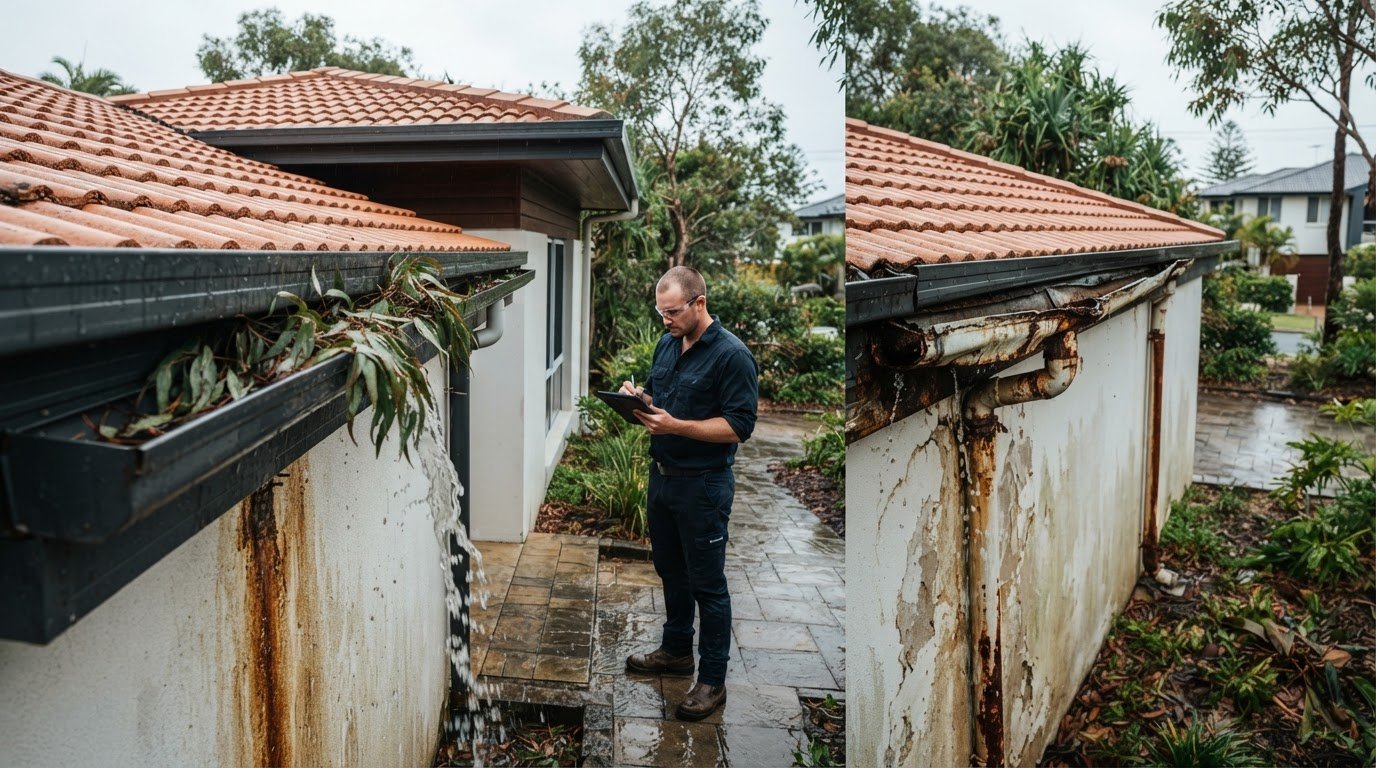
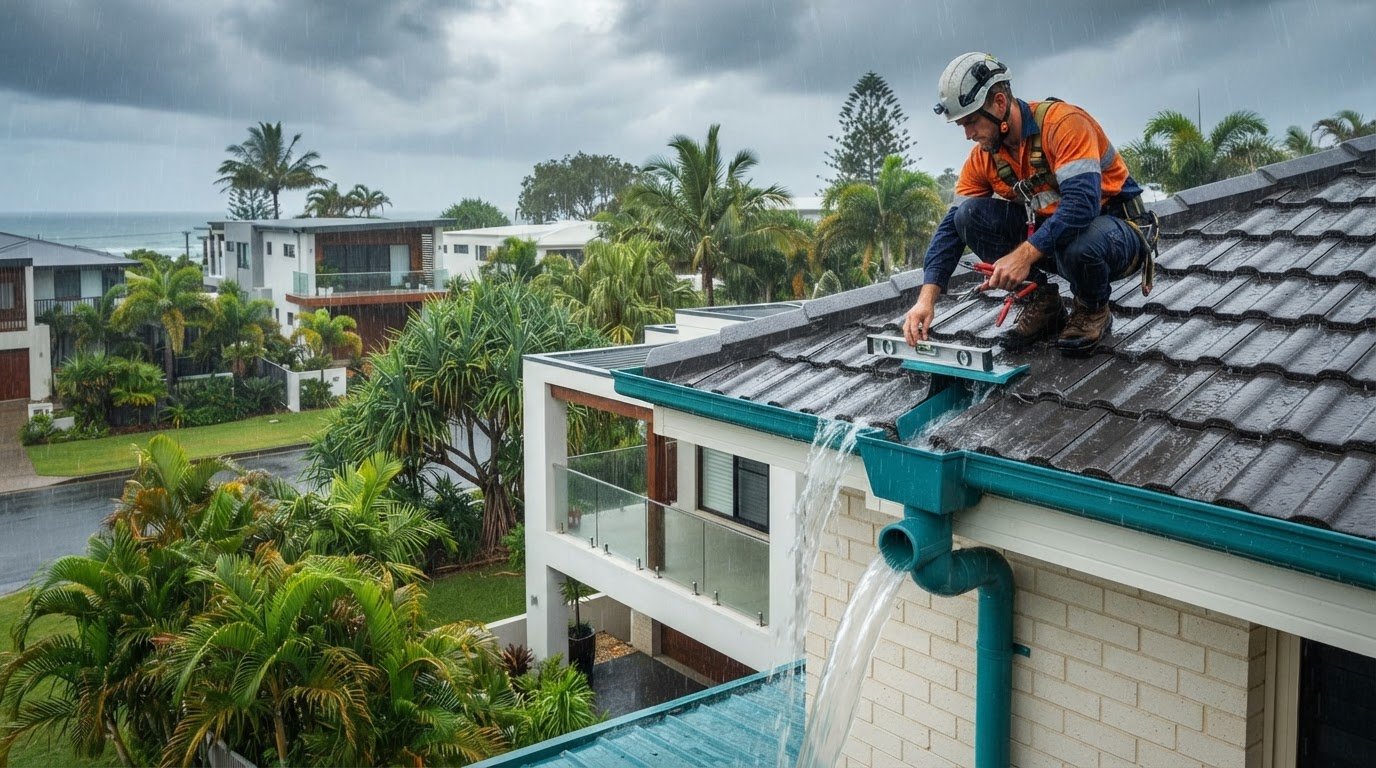
The synergy between your roof sheets and your guttering system is vital. If your gutters cannot clear water as fast as the roof catches it, the water will back up. This often leads to over-topping, where water flows back into the eaves or into the wall cavity. We calculate downpipe sizes based on the specific catchment area of your roof and the known rainfall intensity of the Central Coast region. For many local homes, we recommend half-round gutters because their curved base promotes a self-cleaning action and allows for a higher flow rate compared to traditional square profiles.
Integrating your new roof with professional gutter and downpipe installation NSW ensures that every component, from the ridge to the storm-water connection, is designed to handle extreme coastal conditions. For complex architectural designs with internal valleys, we may also install custom-made rainwater heads or sumps to act as an overflow safety net. This prevents structural flooding during peak storm events by providing an external path for excess water to escape if the primary pipes become overwhelmed.
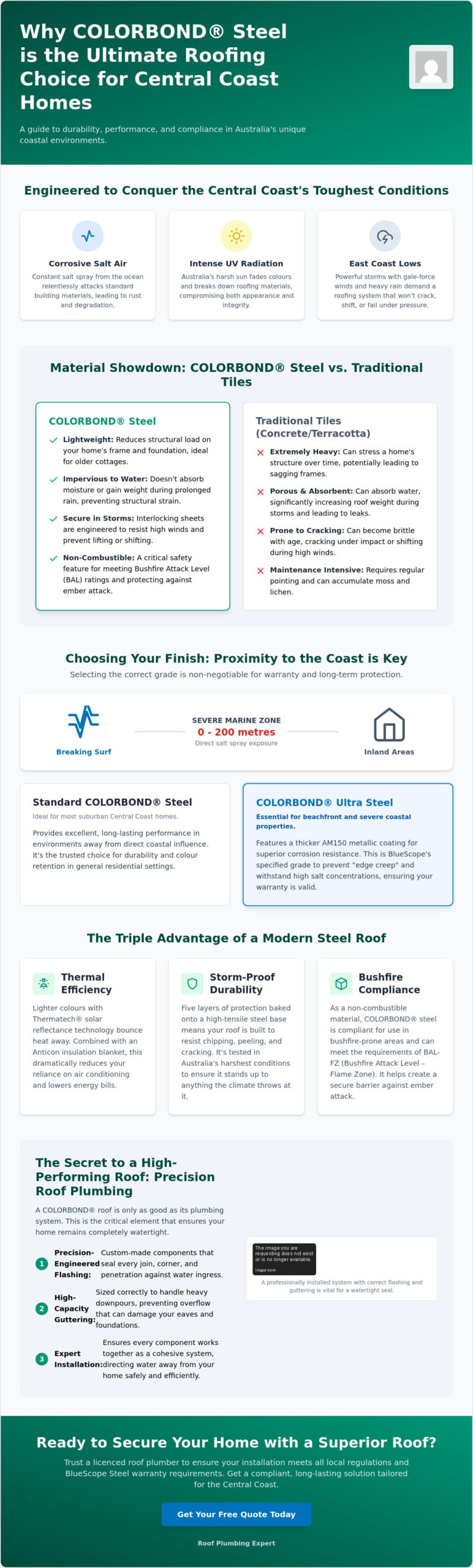
Planning Your Installation: Local Regulations and Thermal Efficiency
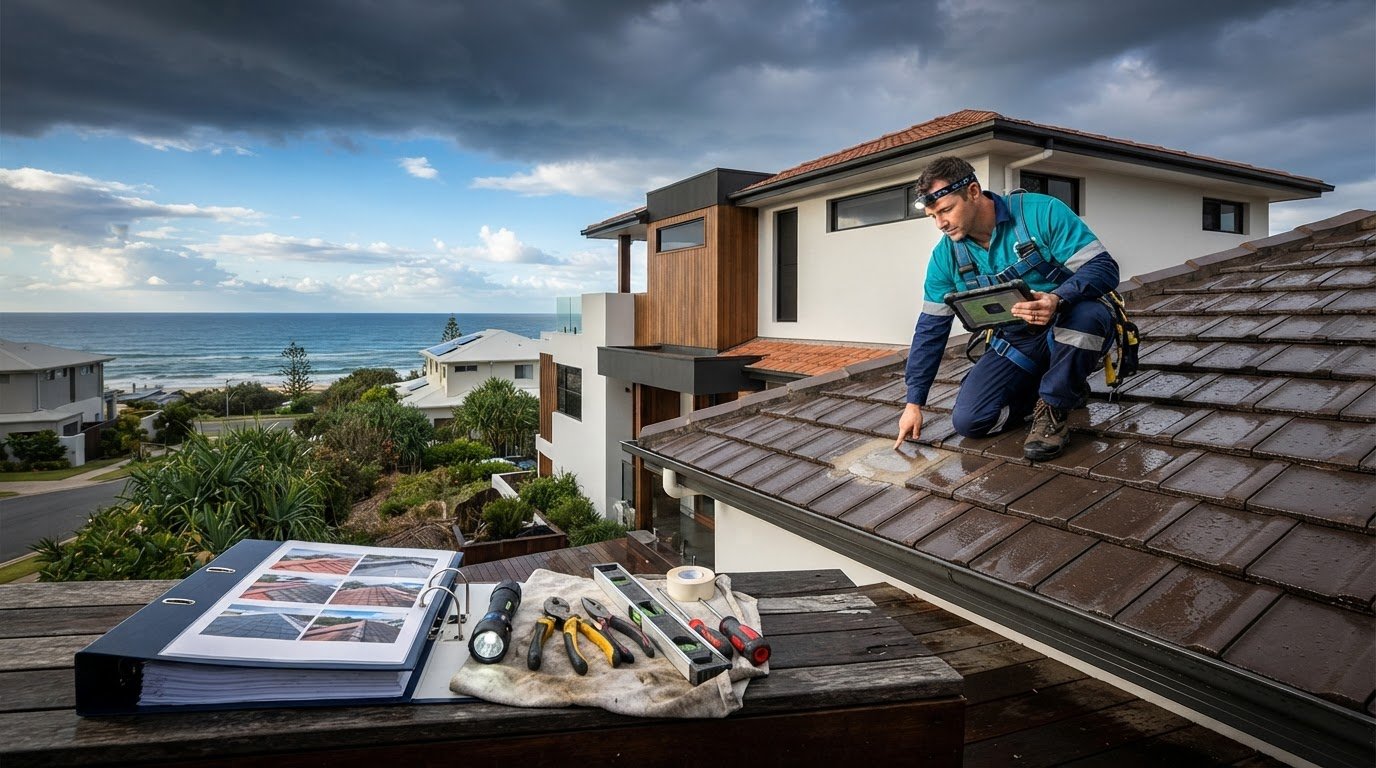
Planning a successful installation involves navigating several layers of local compliance and technical standards. For homeowners considering Colorbond roofing Central Coast, the first step is always a thorough site assessment. This process ensures your project aligns with the Central Coast Development Control Plan (CCDCP) 2022 and the latest National Construction Code (NCC) requirements. While NSW has deferred the adoption of NCC 2025 until May 2027, all new roofing projects must currently meet the 7-star NatHERS rating for thermal efficiency to ensure maximum energy savings.
Structural integrity is another critical factor, especially during a tile-to-metal conversion. Because metal sheets are significantly lighter than concrete tiles, the existing roof tie-downs and battens must be inspected and often upgraded. This ensures the roof remains secure during high-wind events and East Coast Low storms. Additionally, if your property is located in a bushfire-prone area, we must determine your Bushfire Attack Level (BAL) rating. Colorbond steel is a non-combustible material, making it an ideal choice for meeting the stringent safety requirements of high BAL zones, including BAL-40 and BAL-FZ.
Council Approvals and Heritage Considerations
Many roofing projects fall under “Exempt Development,” meaning they don’t require a formal Development Application (DA) if they meet specific criteria. However, if your home is in a heritage conservation area or a scenic protection zone, the council may restrict your colour choices to ensure the building blends with the natural environment. A Section 10.7 Certificate identifies the specific land use zones and development controls, such as heritage overlays or bushfire risks, that apply to your property. If your project involves the removal of old materials, we ensure all work complies with Australian Standard AS 2601 – 2001 for safe handling and disposal.
Ventilation and Condensation Management
Proper airflow is essential for the longevity of a metal roof. Without adequate ventilation, moisture can accumulate in the ceiling cavity, leading to mould growth or structural rot. We recommend a combination of eave vents and ridge venting to create a natural convection current. While traditional whirlybirds are effective, modern ridge vents provide a more streamlined aesthetic and consistent performance across the entire roof surface. This system works in tandem with your insulation to manage condensation and keep your home cooler in summer. To ensure your project meets all local compliance standards, contact our team for a professional assessment of your Colorbond roofing Central Coast requirements.
Choosing the Right Central Coast Colorbond Specialist
Selecting the right installer for Colorbond roofing Central Coast is just as critical as the material itself. While many general builders offer roofing services, there’s a significant technical difference between structural carpentry and specialised roof plumbing. In the 2250 to 2260 postcodes, local knowledge of regional weather patterns is essential for effective project scheduling. A seasoned specialist understands how to manage a roof replacement during the unpredictable storm seasons characteristic of the NSW coast, ensuring your home remains protected throughout the construction process.
Authenticity is another vital consideration. BlueScope Steel offers warranties of up to 45 years against corrosion to perforation, but these are often conditional on correct installation and the use of genuine materials. If a contractor uses non-genuine fasteners or fails to follow the manufacturer’s technical specifications for coastal zones, your coverage could be voided. We prioritise transparency by verifying material authenticity and ensuring every component, from the sheets to the smallest flashing, meets Australian Standards. This commitment to precision provides the long-term security every homeowner deserves.
Licencing and Insurance Essentials
Before signing any contract, it’s essential to verify that your contractor holds a valid NSW Fair Trading licence specifically in ‘Roof Plumbing’. General plumbing or building licences don’t always cover the complex hydraulic requirements of a metal roof system. Furthermore, for major works, the contractor must provide evidence of Home Building Compensation Fund (HBCF) insurance. This is a legal requirement in NSW for residential projects with a value over $20,000. It acts as a safety net for the homeowner, covering incomplete or defective work. You should never accept a quote from an uninsured or unlicenced contractor, as this places the full financial and legal risk on your shoulders.
The Roof Plumbing Expert Advantage
Our approach is centered on the ‘Total System’ philosophy. We don’t view a roof as just a collection of metal sheets; we treat it as a comprehensive drainage and protection unit. This involves evaluating the synergy between the roof pitch, gutter capacity, and downpipe placement. Even the highest quality installation requires occasional care to maintain its performance. For homeowners with existing metal roofs that aren’t yet ready for a full replacement, a professional Colorbond roof restoration Sydney can revive the appearance and structural integrity of the system. Whether you’re planning a new build or a restoration, our goal is to provide a definitive solution that guards your property against the elements for decades.
Ready to protect your home? Get a professional Colorbond quote from Roof Plumbing Expert today.
Protecting Your Central Coast Home for the Long Term
Investing in a new roof is about more than just street appeal; it’s about long-term structural security. We’ve explored how matching the correct marine-grade finish to your property’s proximity to the ocean is the only way to prevent salt-air corrosion and maintain your warranty. You now understand that a durable roof requires a “Total System” approach, where precision-engineered flashing and high-capacity guttering work together to withstand our region’s intense storm patterns. By selecting Colorbond roofing Central Coast, you are choosing a material specifically designed for Australian conditions, provided it’s installed by specialists who understand local compliance and thermal requirements.
Our team of specialist roof plumbing licenced contractors brings years of expertise in coastal marine-grade installations and comprehensive gutter and drainage integration. We focus on delivering a leak-free result that enhances your home’s value and provides lasting peace of mind. Secure your home with a premium Colorbond installation from the Central Coast experts. Your property is your most significant asset, and we’re here to help you protect it against the elements for decades to come.
Frequently Asked Questions
Is Colorbond roofing noisier than tiles during rain on the Central Coast?
Metal roofing is not significantly louder than tiles when installed correctly with high-quality insulation. We use Anticon blankets which provide both thermal resistance and acoustic dampening. This combination effectively muffles the sound of rain and hail, ensuring a quiet indoor environment even during heavy storms. Without this insulation, a metal roof would resonate more, but modern installation techniques have largely eliminated this concern for homeowners.
How long does a Colorbond roof typically last in a coastal environment?
A Colorbond roof typically lasts between 40 and 70 years. In a coastal environment, this lifespan depends heavily on using the correct material grade. Properties within 200 metres of breaking surf should use Colorbond Ultra to resist salt spray corrosion. Regular maintenance, such as rinsing unwashed areas with fresh water, also helps extend the life of the steel in high-salt zones.
Do I need to replace my gutters when I get a new Colorbond roof?
We generally recommend replacing your gutters during a new installation. Old gutters may have existing rust or incorrect falls that won’t align with the new roof sheets. Integrating new gutters and downpipes ensures the entire drainage system is hydraulically sound and capable of handling the heavy rainfall common on the Central Coast. It’s the most efficient way to prevent future leaks and water damage.
Can I install Colorbond over my existing tile roof?
You cannot install metal sheets directly over an existing tile roof. The structural requirements for tiles and metal are different. We must remove the tiles to inspect the timber rafters and install new metal battens and tie-downs. This process ensures the structural integrity of your home and allows us to install essential insulation blankets that wouldn’t be possible otherwise.
What is the best Colorbond colour for a house near the beach?
Lighter shades like Surfmist, Shale Grey, or Dune are ideal for beachside properties. These colours reflect more solar heat, which keeps your home cooler and helps meet modern energy efficiency standards. Additionally, lighter colours are much better at concealing the white salt residue that inevitably accumulates on coastal homes, keeping your roof looking cleaner for longer between maintenance washes.
Does Colorbond roofing rust if I live right on the coast?
Standard Colorbond steel is highly resistant to rust, but direct exposure to salt spray requires a specific product grade. Colorbond Ultra is manufactured with a thicker metallic coating and specialised paint system to prevent “edge creep” and corrosion in marine environments. When the correct grade is used and unwashed areas are maintained, your Colorbond roofing Central Coast will remain structurally sound and rust-free for decades.
How much does a Colorbond roof replacement cost compared to repairs?
A full roof replacement is a larger investment than a repair, but it provides significantly better value over time. While repairs address immediate leaks, they don’t fix systemic issues like metal fatigue or poor thermal performance. A replacement includes a new BlueScope warranty and updated drainage infrastructure. This long-term solution eliminates the need for recurring repair costs and improves the overall resale value of your property.
Are there specific council regulations for metal roofing on the Central Coast?
Yes, the Central Coast Council has specific guidelines under the Development Control Plan 2022. Some areas have scenic protection overlays that restrict your colour choices to ensure the home blends into the landscape. You must also consider your property’s Bushfire Attack Level (BAL) rating. We ensure every Colorbond roofing Central Coast project complies with these local regulations to avoid legal complications and ensure your home is fully insured.