A clean gutter can still overflow. If you’re wondering how to stop gutters overflowing, look beyond leaves and debris: a restricted outlet or downpipe, a damaged or sagging section, or a drainage system that can’t manage the incoming water may also be contributing. Overflow is a symptom, so the right fix depends on where the drainage path is failing.
It’s worrying to see water spilling beside your home, especially when you’ve already cleared the gutters and the problem keeps returning. You don’t need to climb onto the roof to start narrowing down the cause. Safe observations from the ground can help you note when the overflow happens and where water escapes.
This guide covers common causes and practical first steps, including what to check safely and what to avoid. You’ll learn when routine maintenance may help, why recurring overflow can point to a problem with the gutter, outlet or downpipe, and when a roof plumbing assessment can identify a suitable repair. If you also notice signs of a roof leak, that may need separate investigation.
Key Takeaways
- Learn how to stop gutters overflowing by matching the response to the likely cause, rather than assuming debris is the only problem.
- Use where and when water spills to gather clues about the gutter, outlet or downpipe.
- Make safe observations from the ground without climbing onto the roof.
- Understand why repeated overflow may point to a system or condition problem that routine clearing won’t resolve.
- See how a roof plumbing assessment can identify whether gutter or downpipe installation is a suitable lasting fix.
How to stop gutters overflowing: what the symptoms can tell you
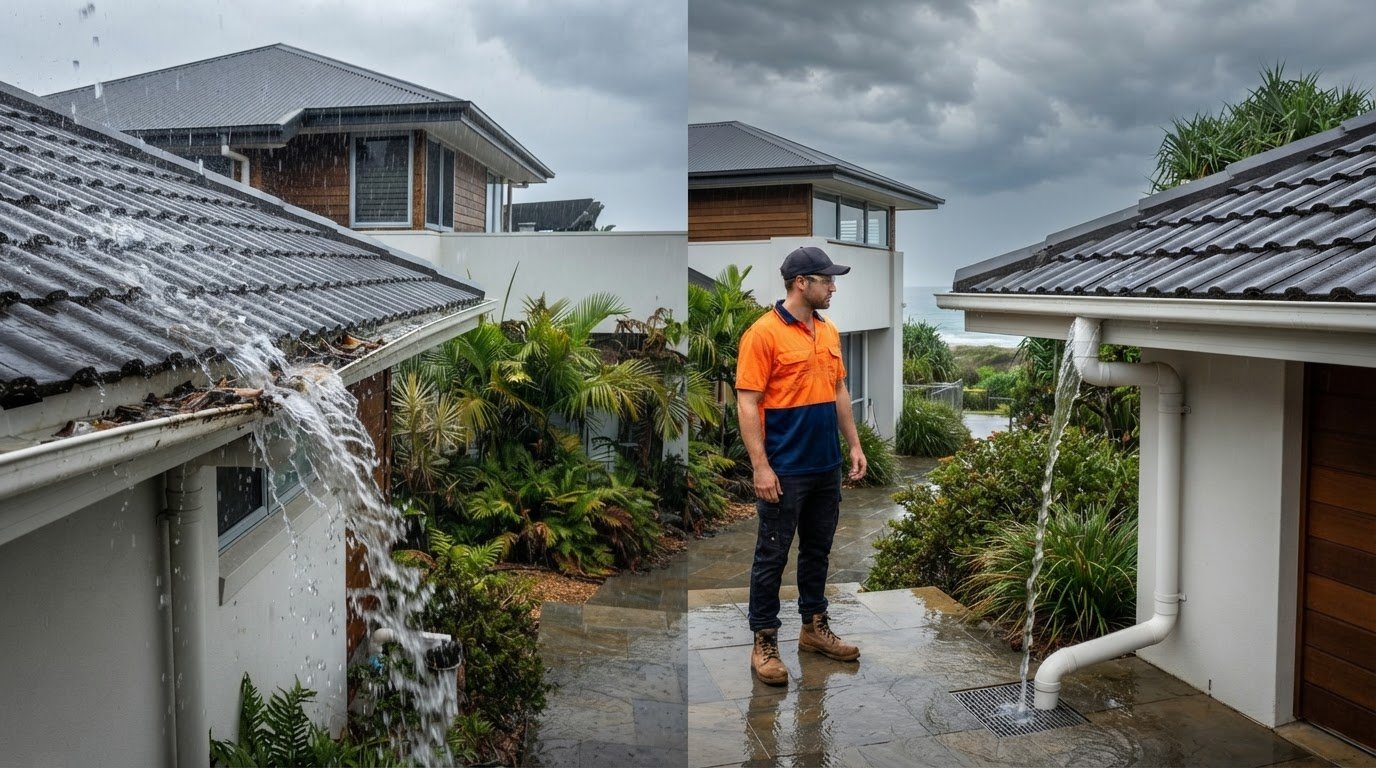
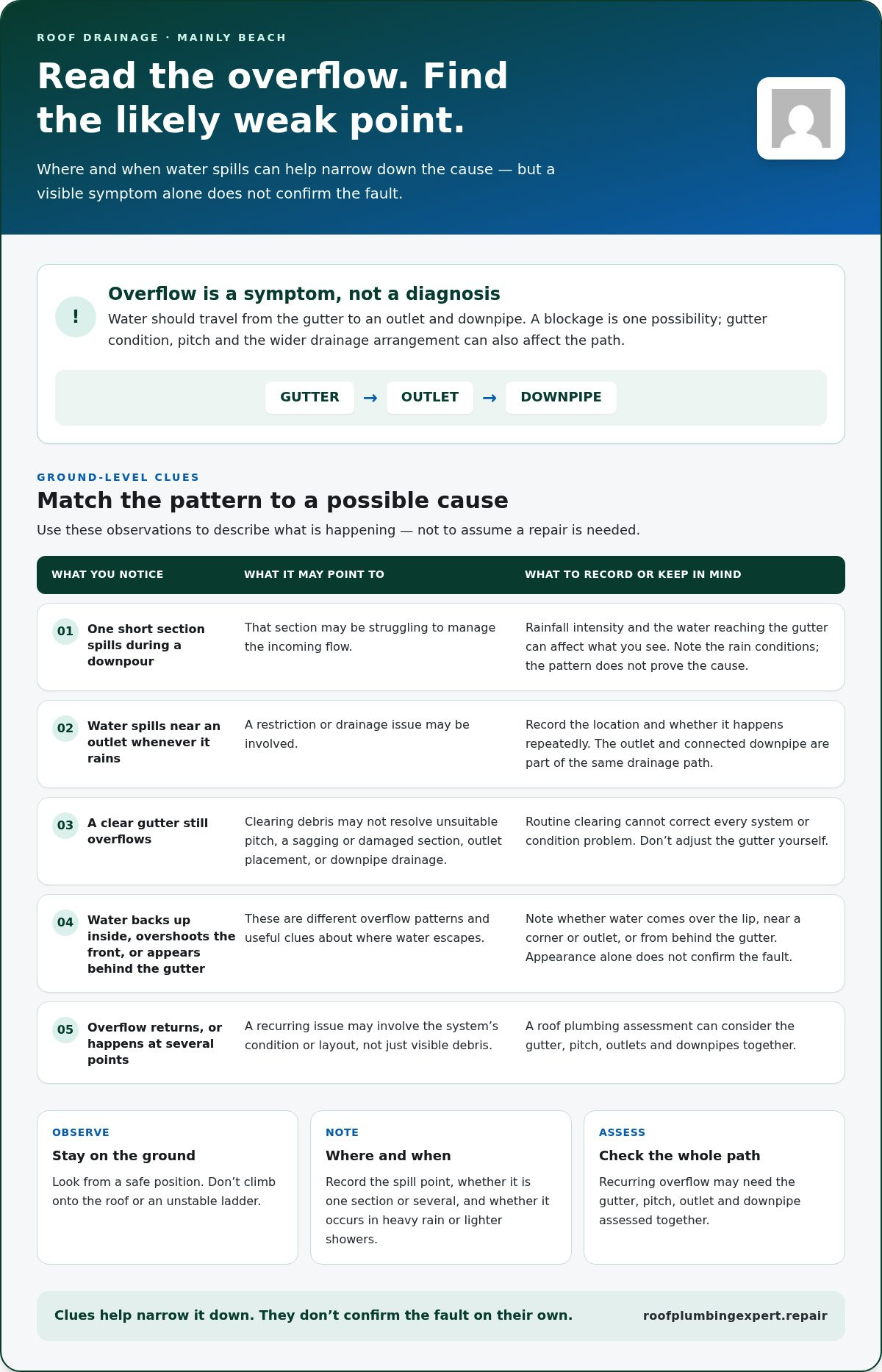
Water spilling over a gutter means rain isn’t following its intended path, but debris is only one possible cause. To work out how to stop gutters overflowing, first note where the water escapes and what the rain is like at the time. These details help narrow down the possibilities, but they don’t confirm the fault on their own.
For example, water might spill from one short section during a downpour, or appear near an outlet whenever it rains. The first pattern may occur when a section can’t manage the incoming flow; the second may point to a restriction or drainage issue. Neither observation proves the cause. Rainfall intensity, gutter condition and the connected downpipe can all affect what you see, including at homes in Mainly Beach.
Water overshooting the front edge is different from water backing up inside the gutter before spilling out. Note whether it flows over the lip, escapes near a corner or outlet, or appears to come from behind the gutter. The Rain gutter systems overview explains how gutters collect roof runoff and direct it away from a building. The whole drainage path affects how well the system works.
What does overflowing water look like?
Observe from the ground, not from the roof or an unstable ladder. Note whether overflow happens only in heavy rain or also in lighter showers, and whether it comes from one spot or several sections. Water spilling at the front, back or near an outlet offers useful clues, but further assessment is needed to identify the cause.
Why cleaning may not stop the overflow
Clearing leaves and other debris may remove a restriction, but it won’t correct every drainage problem. A gutter with an unsuitable pitch or a sagging section may not carry water towards its outlet effectively. Outlet placement can also affect drainage, while a downpipe may not keep pace with the flow reaching it. These are possible causes, not a diagnosis based on appearance alone.
If a clear gutter keeps overflowing, take note of where the water spills and whether it happens in particular rain conditions. Don’t try to adjust the gutter or inspect the roof yourself. An inspection can assess the gutter, pitch, outlets and downpipes together, and establish whether the issue is a restriction, a condition problem or part of the wider drainage system.
Common causes of overflowing gutters on Mainly Beach homes
Gutter overflow happens when water escapes instead of travelling through the intended drainage path, from the gutter to an outlet and downpipe. The cause may be a simple obstruction, but it can also involve the gutter’s condition or how the system handles roof runoff. Identifying the likely cause matters: clearing debris won’t correct a sagging section, and replacing gutters isn’t automatically the right answer.
Homes in Mainly Beach can have different roof shapes, gutter layouts and drainage arrangements, so there isn’t one cause or fix for every property. Two nearby homes may respond differently to the same rainfall. Treat visible symptoms as clues, not proof. Before choosing a fix, consider whether the issue may be routine maintenance or a fault with the system’s condition or layout.
Blockages, gutter pitch and sagging
Leaves, sediment and other debris can collect in a gutter or around an outlet, restricting the path water needs to follow. A blockage may cause water to back up, but removing visible debris won’t necessarily stop the overflow if another fault remains.
Gutters also rely on a suitable fall, often called pitch, to guide water towards an outlet. If that fall is disrupted, water can linger or collect in the wrong area. A sagging or damaged section may create a low point that interferes with drainage. From the ground, look for visible changes in the gutter line, but don’t try to adjust it yourself. An assessment can determine whether debris, a change in pitch or damage needs attention.
Downpipe capacity, placement and roof-water volume
Even if the gutter appears clear, water can back up if an outlet is restricted or the connected downpipe isn’t draining effectively. Outlet location and arrangement matter too, because water has to travel along the gutter to reach it. If overflow repeatedly occurs near one point, record where it happens, but treat that as a clue rather than a confirmed diagnosis.
Roof area and rainfall intensity affect how much water enters the system at once. During intense rain, a drainage arrangement that manages ordinary showers may struggle with the incoming flow. That doesn’t automatically mean the downpipe is too small or new gutters are needed. Capacity depends on the roof and the complete drainage setup, so assess the system for the specific property rather than relying on a one-size-fits-all rule.
Recurring overflow, several spill points or water backing up despite a clear gutter are reasons to have the system assessed. A roof plumbing assessment can consider gutter condition, pitch, outlets and downpipes together. For a persistent issue in Mainly Beach, a roof plumbing assessment can help identify which part of the drainage path needs attention.
How to find the likely cause before choosing a gutter fix
A useful diagnosis starts with a record, not a repair attempt. Note where water spills, what the rain is doing and what you can see from the ground. This gives a roof plumber a clearer picture of the pattern and helps distinguish a one-off event from a recurring drainage issue. Keep observations separate from conclusions: overflow near an outlet is a clue, not proof that the outlet is blocked.
A safe, ground-level check for homeowners
Stay on stable ground and look from a safe position. Don’t climb a ladder or walk on the roof to get a closer view. If you can see debris, a detached component or an obvious dip in the gutter line, record it without trying to reach or adjust it.
- Mark the overflow point. Note whether water escapes from one short section, near an outlet, or along several parts of the gutter. Use a simple description, such as “above the front porch” or “at the rear corner”.
- Record the rain conditions. Write down whether the spill began in light rain or during a heavier burst, and whether it continued throughout the shower or stopped. This helps show whether the problem appears under particular conditions.
- Look for visible clues from the ground. Check for obvious debris, a section that appears detached, or a noticeable sag. Don’t assume that what you can see is the only issue; parts of the drainage path may not be visible from below.
- Track the pattern over time. Record whether this is the first occurrence, whether the same spot overflows each time, or whether several sections are affected. If you can do so safely, a photo taken from the ground may help document the location.
Match the clue to the next investigation
A spill at one point may warrant closer attention to that section or its nearby outlet, but it doesn’t establish a blockage. If several gutter sections overflow, the assessment may need to consider the overall drainage layout and how the system handles roof runoff. Repeated problems, visible damage or suspected drainage faults call for a roof plumbing assessment rather than guesswork.
Share your notes with the roof plumber: location, rain conditions, frequency and anything visible from the ground. This information can help focus an inspection of the gutter, outlets and downpipes as connected components. A gutter and downpipe installation guide also explains how the broader system fits together. The aim is to identify the failure point before deciding how to stop gutters overflowing, rather than choosing a fix based on one symptom alone.
What to do when gutters overflow, and what not to try
When water pours over a gutter, protect people first and avoid rushing into a repair. You can gather useful information from the ground, but climbing onto the roof or reaching from a ladder can create a serious fall risk, especially in wet conditions. Keep children and others away from areas where water is falling or pooling, and don’t stand beneath a visibly loose or damaged gutter.
Low-risk steps during and after rain
Once you’re in a safe spot, note where the overflow is coming from and whether it’s happening at one point or across several sections. From inside, look for signs of water entry, such as damp patches or new staining, without touching wet electrical fittings or entering an unsafe area. These observations can help explain the issue later, but they won’t confirm its cause.
- Record the conditions. Note whether the overflow occurs in light or heavy rain and whether it stops when the rain eases.
- Check for visible clues from the ground. If you can clearly see debris or a detached component, record its location. Only remove debris if it’s safely reachable without using a ladder or accessing the roof.
- Keep the drainage path undisturbed. Don’t pour chemicals into the gutter or direct water onto the roof to test where it flows. These actions can create additional risks and won’t reliably identify a fault.
In practical terms, working out how to stop gutters overflowing starts with safe observation, not a hurried adjustment. Avoid bending, lifting or reattaching gutter components yourself. A gutter that looks slightly out of line from the ground may have a condition or fixing issue that isn’t safe to assess at height.
When to stop DIY troubleshooting
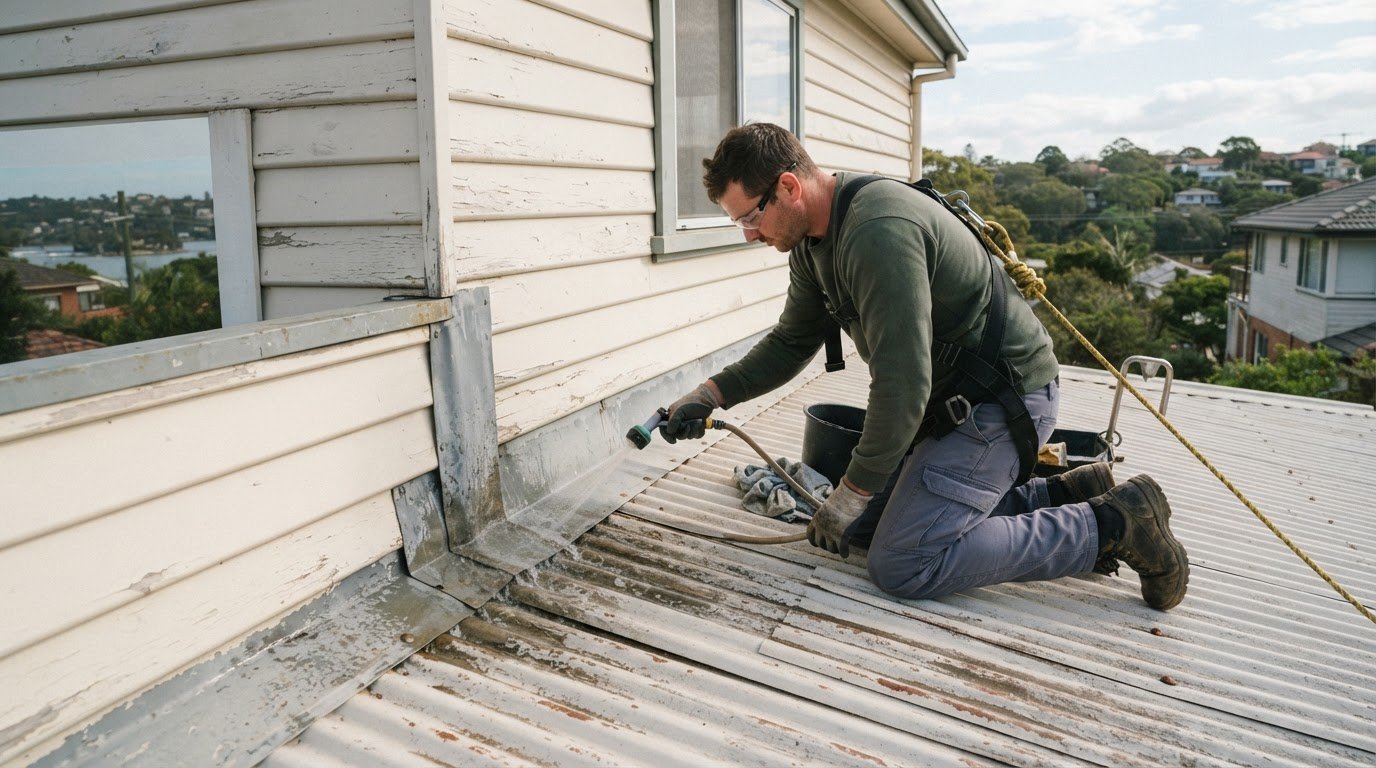
Don’t walk on the roof, use an unstable ladder or attempt repairs at height. Stop investigating and arrange a roof plumbing assessment if the overflow keeps returning, a gutter or downpipe appears damaged, or water is getting inside the building. A recurring problem may involve the gutter, outlet, downpipe or connected roof drainage, so a visible symptom alone isn’t enough to choose a lasting fix.
If water entry suggests a roof leak, the roof leak detection guide explains why the source needs proper investigation. Attention can help clarify whether the issue is limited to the gutter system or involves the roof as well.
For recurring overflow, Roof Plumbing Expert can assess the roof drainage and identify whether gutter or downpipe work is needed. Arrange a roof plumbing assessment to find the cause and plan an appropriate repair.
When a roof plumbing assessment can stop gutters overflowing
If overflow keeps returning, a roof plumbing assessment can help identify where the drainage path is failing. Rather than treating the gutter, outlet and downpipe as separate parts, the assessment considers how they work together and how the roof directs water into the system. This can help distinguish a local fault from an issue affecting the wider setup at a property in Mainly Beach.
What a roof plumbing assessment can examine
An assessment can examine the affected gutter section, its visible condition and the route water takes towards the outlet and downpipe. The roof plumber can consider whether the gutter’s pitch and condition may be affecting flow, and whether the outlet and downpipe appear to be managing the water reaching them. Your observations about where and when overflow occurs can help focus the investigation.
The appropriate action depends on the cause and the property’s roof configuration. A clear gutter may still overflow if another part of the drainage system isn’t working as intended. Conversely, a spill at one point doesn’t automatically mean the full gutter system needs replacing. An assessment helps identify the relevant failure point before a repair or installation is chosen.
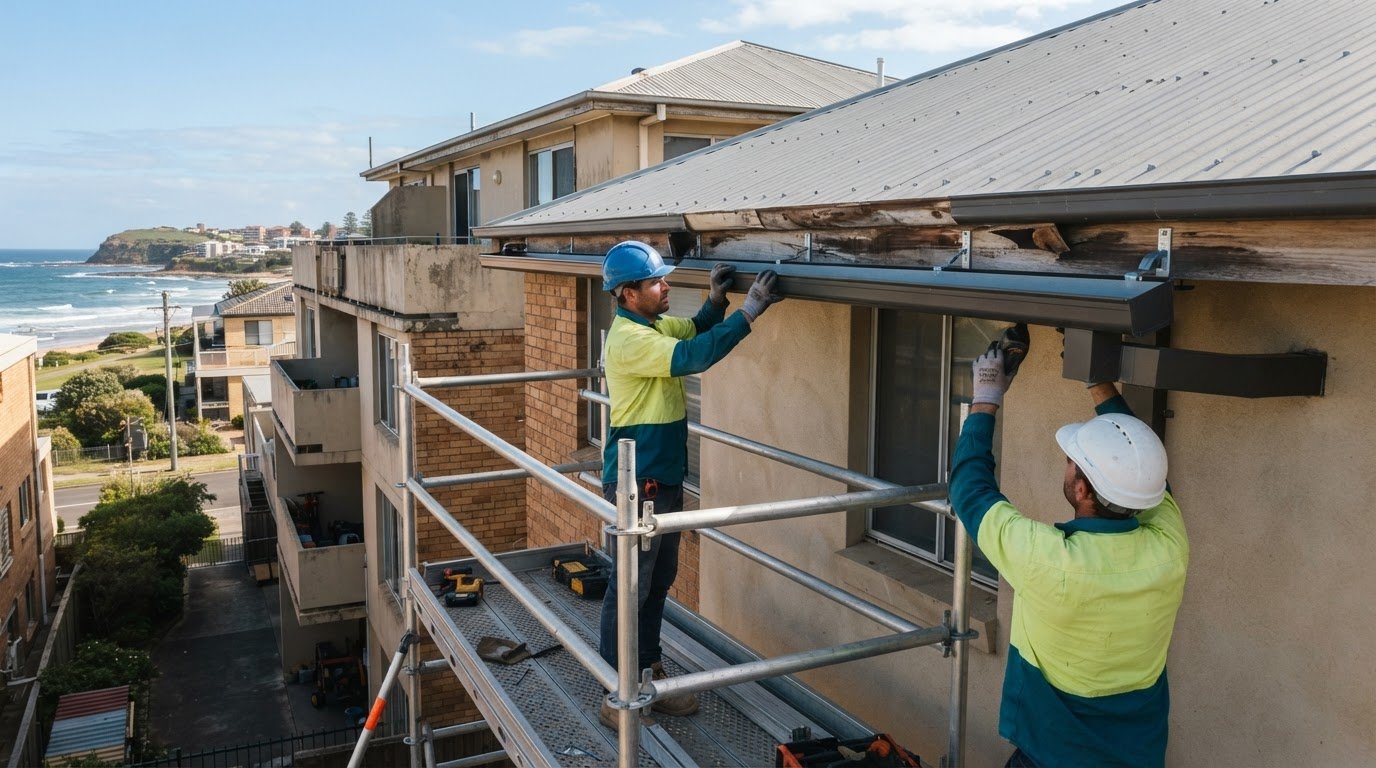
If the assessment identifies a broader system problem, Gutter & Downpipe Installation may be a suitable lasting option. If overflow coincides with signs of water entering the home, the roof may need separate investigation through Roof Leak Detection & Repair. Identifying whether the concern is drainage-related, a roof leak or both helps keep the next step focused.
Local help for recurring gutter overflow
Roof Plumbing Expert provides Gutter & Downpipe Installation. The business is Fully licensed and insured, with licensed tradespeople on every job. Its work is described as Licensed, Insured & Guaranteed.
For a recurring problem, share the overflow location, the rain conditions and any visible clues you’ve noted from the ground. These details offer a useful starting point for an assessment, but the cause still needs to be established before the right fix can be determined. That’s a practical way to approach how to stop gutters overflowing without guessing at repairs.
Roof Plumbing Expert is typically attending within 24 hours; same-day service is often available. If overflow keeps returning, contact Roof Plumbing Expert to discuss a roof plumbing assessment.
Take the next step towards reliable roof drainage
Recurring overflow is a reason to move from watching the problem to resolving it. Keep the details you’ve observed handy, then use them to explain what happens and where. A clear account of the symptoms can help focus the next assessment and avoid choosing a repair based on guesswork.
Knowing how to stop gutters overflowing means looking beyond the water spilling over the edge. The aim is to identify where drainage is interrupted and address the cause before the next downpour tests the system again. If overflow has become a regular concern, you don’t need to work it out alone.
Contact Roof Plumbing Expert about recurring gutter overflow to discuss an assessment and a practical next step for your property. With the cause properly understood, you can make a considered decision about the repair.
Frequently Asked Questions
Is it normal for gutters to overflow during heavy rain?
A brief spill during intense rain can happen, but substantial or recurring overflow shouldn’t be dismissed as normal. The amount of water arriving at the roof edge can rise quickly in a downpour, and the symptom alone won’t show whether the drainage system is coping as intended. For a home in Mainly Beach, note whether water is spilling near an entryway or gathering beside the house. Those details can help guide the next assessment.
Can gutter guards stop gutters overflowing?
Gutter guards can help limit some leaves and debris entering gutters, but they won’t correct every cause of overflow. A guard may not resolve a restricted outlet, a damaged section or a drainage arrangement that can’t manage the incoming water. Its design and fit also matter, as it needs to allow water to enter the gutter. Treat it as one possible debris-management measure, not a fix for an unidentified drainage fault.
How do I stop rain from overshooting my gutters?
First, observe from the ground whether rain is passing over the gutter during heavy rainfall, and note which roof edge is affected. Wind-driven rain or the way runoff meets the gutter can contribute, but the visible pattern doesn’t establish the cause. Don’t alter the roof edge or gutter yourself. If overshooting happens repeatedly, record the location and conditions so a roof plumber can assess how roof runoff meets the gutter.
What should I do if my downpipe seems blocked and the gutters overflow?
Keep clear of falling water and don’t climb to reach the downpipe opening. If water is spilling near the downpipe, that location is useful to report, but it doesn’t prove the pipe is blocked or show what may be restricting flow. Avoid pushing objects into the pipe or disconnecting sections, as this can damage components or create a further hazard. If the problem continues, have the gutter and downpipe assessed together.
Can overflowing gutters cause a roof leak?
Overflow and a roof leak are different issues, but water appearing inside during or after overflow needs attention. A ceiling mark may not sit directly below the point where water entered, so don’t assume the stain identifies the source. From a safe position, note when it appears and whether it changes after rain. Roof Plumbing Expert provides Roof Leak Detection & Repair to investigate suspected roof leaks.
How often should I check my gutters for overflow problems?
There’s no single inspection schedule that suits every home, because roof design and nearby trees affect what reaches the gutters. Make ground-level observations periodically, and take another look after you notice overflow, a visible change in the gutter line or water collecting where it hasn’t before. You don’t need to access the roof to keep track. If the same symptom returns, arrange an assessment instead of relying on repeated observation alone.