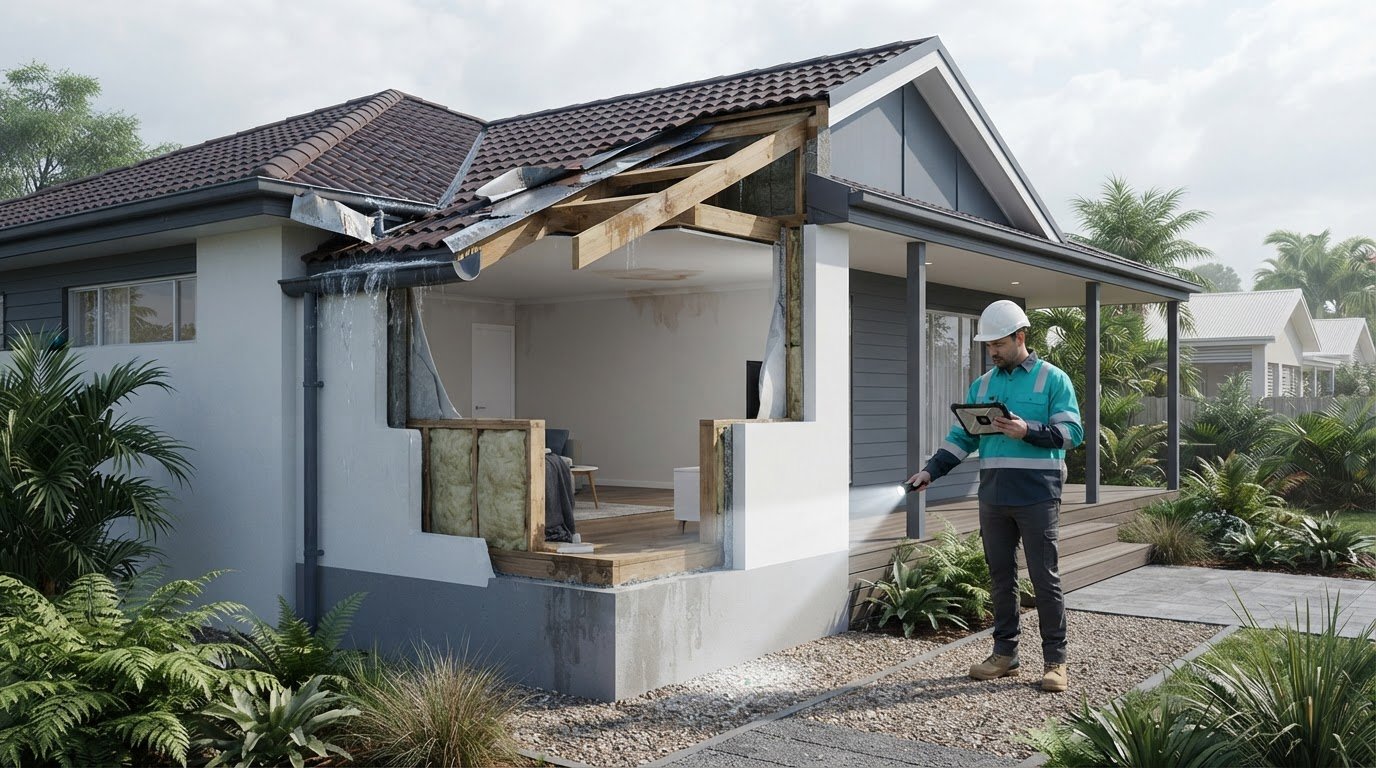
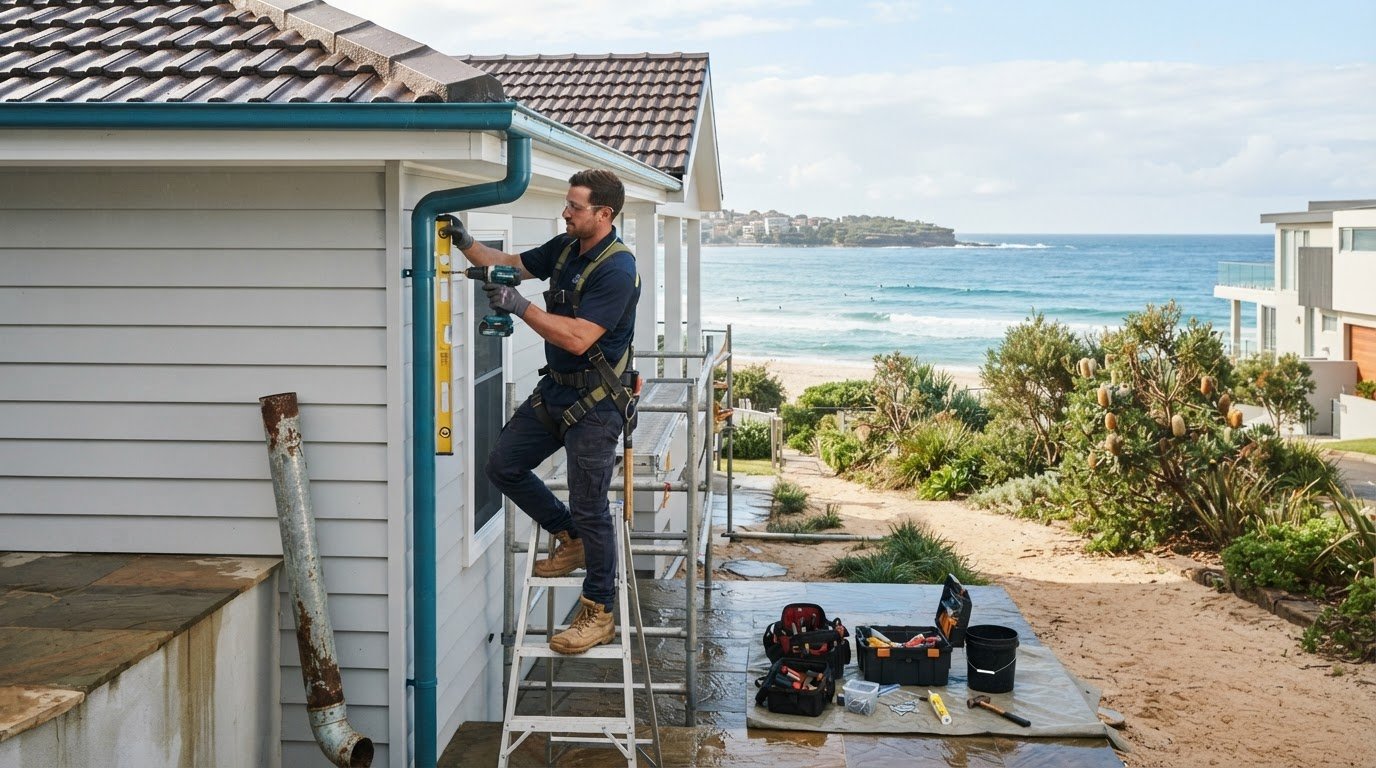
What if a rusted downpipe is more than an eyesore? In Manly Beach, salt air can speed up corrosion, while a failing connection may send heavy rain spilling near your home’s foundations. Professional downpipe replacement Manly Beach homeowners can rely on helps protect against coastal wear and stormwater damage.
If you’ve noticed rust, leaks, overflowing gutters or water pooling around your home, take the problem seriously. A drainage system needs to handle heavy rain, direct water away from the building and suit the home’s coastal conditions. The right replacement can also complement your exterior and support compliance with local stormwater requirements.
This guide explains how roof plumbers assess downpipes, choose durable materials such as Colorbond and install a system designed for reliable rainwater flow. You’ll also learn which warning signs to look for and why correct sizing, secure connections and careful installation matter. Roof Plumbing Expert provides gutter and downpipe services for property owners in Manly Beach, with practical guidance for coastal drainage.
Key Takeaways
- Compare PVC, Colorbond and aluminium to understand which downpipe material may suit your home’s coastal exposure and appearance.
- Rust, holes, peeling paint and overflowing gutters can signal drainage problems that need attention.
- With downpipe replacement Manly Beach homeowners can address, accurate sizing and secure connections help manage heavy rain and direct water towards the stormwater system.
- A site assessment can identify drainage needs and help ensure replacement work aligns with relevant local stormwater requirements.
- Roof Plumbing Expert provides gutter and downpipe installation and replacement services for property owners in Mainly Beach.
Why Downpipe Replacement is Critical for Manly Beach Homes
In Manly Beach, drainage components face a demanding combination of salt-laden air, coastal moisture and intense rain. Galvanised steel relies on a zinc coating for protection. Salt deposits and persistent moisture can wear that layer, allowing corrosion to develop. Once the underlying steel is exposed, rust can weaken the pipe and eventually cause leaks or failure. That makes downpipe replacement a practical way for Manly Beach homeowners to address deterioration, not just improve appearance.
The Impact of Salt Spray on Drainage Systems
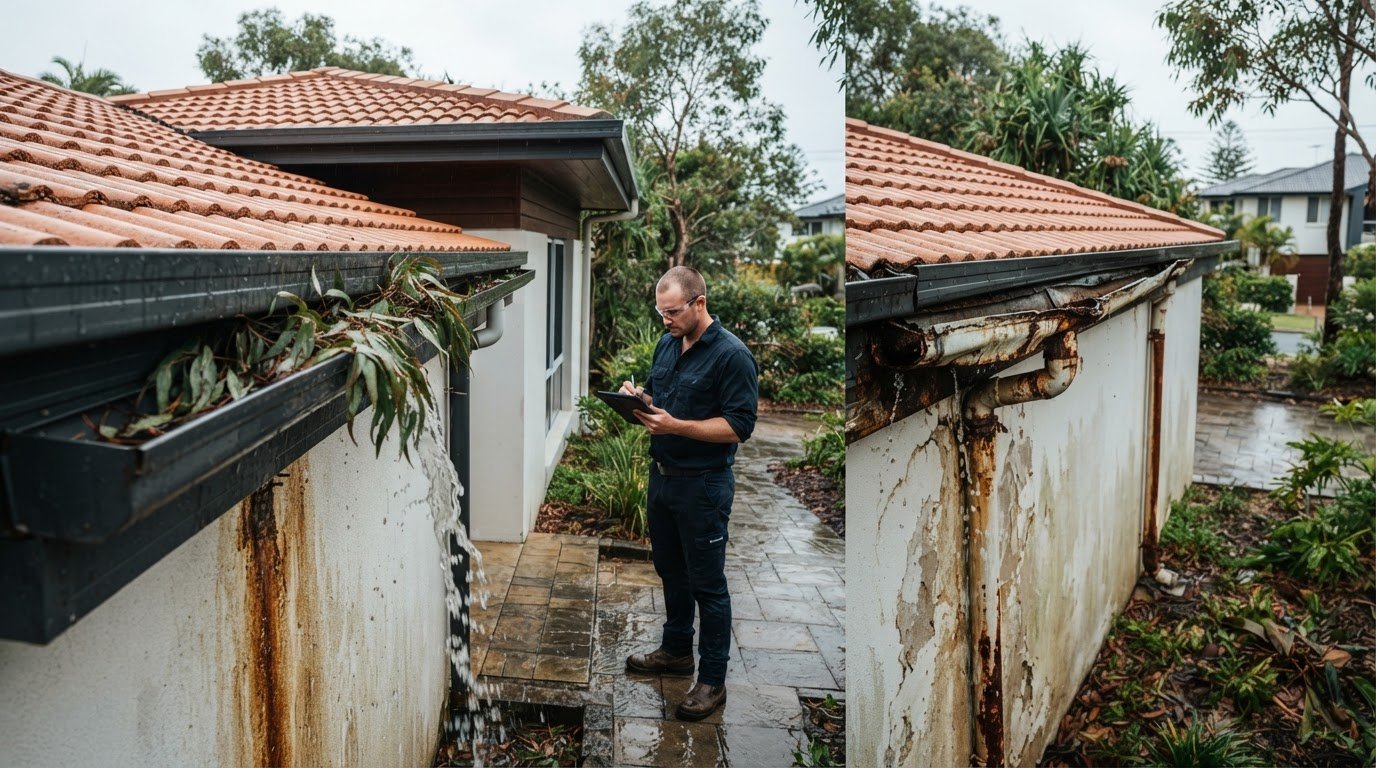
Salt residue can leave pale marks or surface discolouration, sometimes described as tea staining. This may be cosmetic at first, but check for blistering coatings, deep rust, holes or loose brackets. Surface staining alone doesn’t prove structural failure. A corroded-through section, persistent leak or weakened joint is a more serious sign that the pipe may no longer carry water reliably.
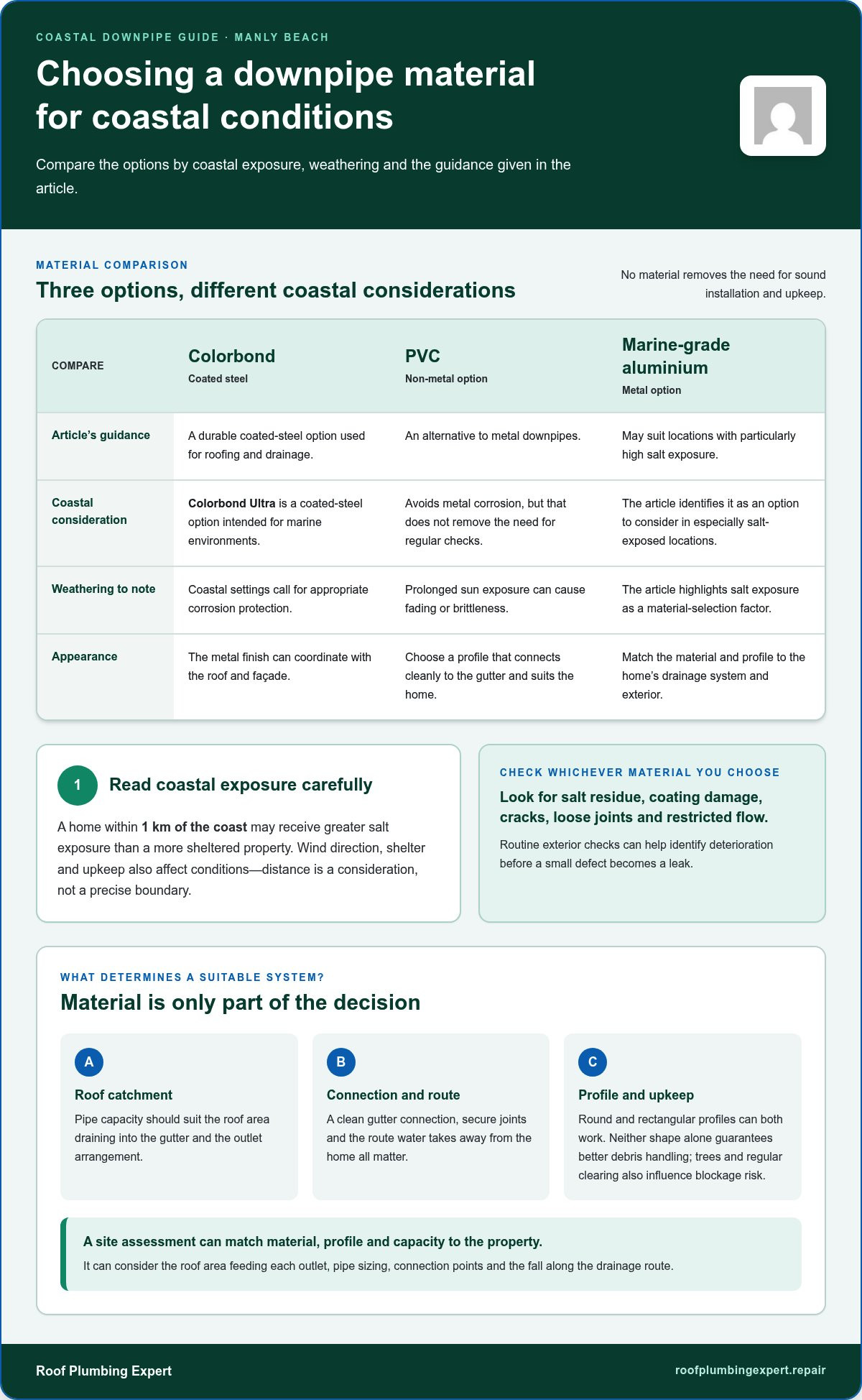
Distance from the surf matters. A home within 1 km of the coast may receive greater salt exposure than a more sheltered property, although wind direction, shelter and upkeep also affect conditions. Treat proximity as a material-selection consideration, not a precise boundary. Coastal exposure can vary from one property to the next.
Stormwater Management in the Northern Beaches
A downpipe carries rainwater from the roof gutter towards ground-level stormwater drainage. What is a Downpipe? provides a basic overview of this roof drainage component.
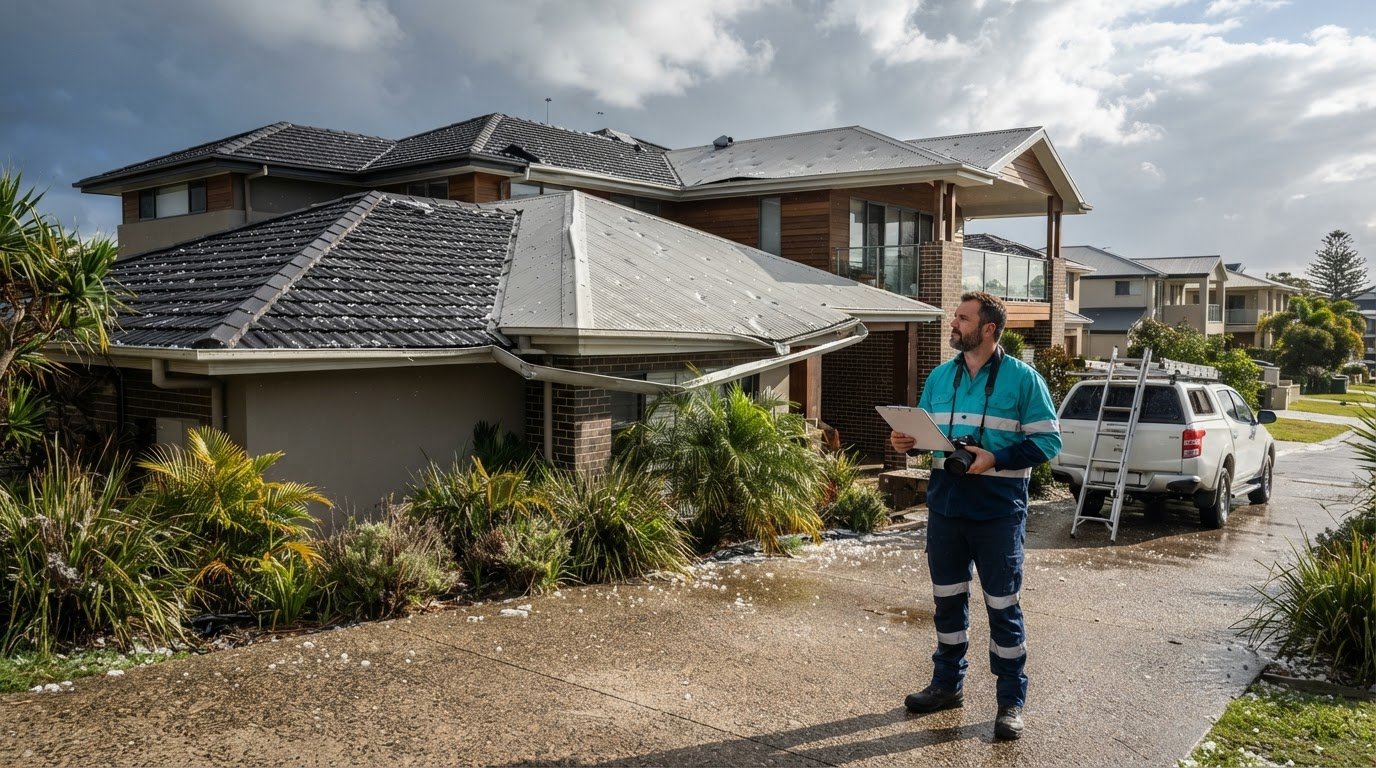
During intense East Coast Low weather, heavy rainfall can test the whole roof drainage path. If a downpipe is corroded, blocked, poorly connected or too small for the roof catchment, water may back up and spill over the gutter. Overflow can run down exterior walls, pool near the building or enter vulnerable areas. Gutter capacity, downpipe condition and the route water takes away from the home all need to work together.
Northern Beaches Council manages about 666 km of stormwater pipes and 32,356 drains, but private property drainage still needs to direct roof water appropriately. Manly’s varied slopes, ground levels and building layouts make a site assessment useful. A roof plumber considers the roof area feeding each outlet, pipe sizing, connection points and the fall along the drainage route. This helps identify where water could collect or discharge poorly, rather than relying on a one-size-fits-all replacement. Durable materials, correctly sized pipes and secure connections help prepare a system for coastal exposure and heavy rain.
Selecting the Best Materials for Coastal Downpipe Replacement
Material choice affects how a downpipe copes with salt exposure, sun and heavy rain, as well as how it looks against your home. Downpipe replacement for Manly Beach properties calls for a considered match between coastal conditions, roof catchment and the existing gutter system. Colorbond is a durable coated-steel option used for roofing and drainage, while marine-grade aluminium may suit locations with particularly high salt exposure. PVC is another option, but prolonged sun exposure can cause it to fade or become brittle.
Colorbond vs PVC: A Coastal Comparison
Colorbond offers a metal finish that can coordinate with the roof and façade, while PVC avoids metal corrosion but may weather under strong UV exposure. Colorbond Ultra is a coated-steel option intended for marine environments, making it worth considering for exposed coastal homes. No material removes the need for sound installation and upkeep. The NSW Government’s guidance on coastal corrosion protection requirements reinforces the importance of appropriate corrosion protection in coastal settings.
Keep drainage clear whatever the material. During routine exterior maintenance, check for salt residue, coating damage, cracks, loose joints and signs of restricted flow. These checks can help identify deterioration before a small defect becomes a leak.
Profile and Aesthetic Considerations
Round and rectangular profiles can both form part of a functional roof drainage system. Neither shape guarantees better debris handling on its own. Roof catchment, outlet sizing, nearby trees and regular clearing all influence blockage risk. Choose a profile that connects cleanly to the gutter and suits the home’s architectural lines. Colour-matched metal downpipes can blend with a roof or stand out as a deliberate feature.
For a home with Colorbond roofing, coordinating the downpipe material and finish can create a consistent exterior. Explore Colorbond roofing in Sydney for more on metal roofing considerations.
Size matters, but bigger isn’t automatically better. Downpipe capacity should suit the roof area draining into the gutter and the system’s outlet arrangement. An appropriately sized pipe helps move rainwater away efficiently. An undersized or poorly connected pipe can contribute to gutter overflow during heavy storms. A site assessment can determine a suitable combination of material, profile and capacity for the property. Explore professional downpipe replacement.
Signs Your Manly Property Needs Urgent Downpipe Attention
A downpipe can deteriorate quietly, then become obvious during a downpour. Look for rust patches, holes, split joints, peeling paint nearby or water escaping where the pipe meets the gutter. These signs can mean rainwater isn’t travelling through the drainage system as intended. A small rust hole may seem minor, but repeated leaks can wet wall materials and soil beside the home, allowing damage to spread before the fault is easy to spot.
Visual Inspection Checklist for Homeowners
From ground level, check whether brackets are secure and joints appear aligned. Look behind the pipe for damp marks, staining or peeling paint, which may point to a leak hidden from direct view. Also watch for leaves, windblown debris or other material collecting around the gutter outlet. Don’t climb onto the roof. A roof plumber can inspect hard-to-reach areas safely.
- Rust or holes: Check for corrosion that has broken through the pipe surface.
- Loose joins or brackets: Movement can open gaps and affect how water flows.
- Overflow during rain: A “waterfall effect” over the gutter may indicate a blockage, restricted outlet or downpipe capacity issue.
- Pooling at the base: Water collecting beside the home suggests it may not be draining away effectively.
Pay attention indoors as well. Damp patches, musty smells or mould on an external wall can have several causes, but failed roof drainage is one possibility. A leak behind a downpipe may leave a narrow trail of moisture that’s easy to miss until paint begins to blister or interior finishes show damage.
The Structural Risks of Ignoring Drainage
Repeated discharge at one spot can saturate nearby ground. Sandy soils can shift or erode when water is concentrated, potentially affecting the support around footings. The actual risk depends on the site, soil and drainage route. Redirecting roof water away from the building helps reduce persistent wetting. For broader NSW water-management information, see nsw.gov.au.
Downpipes and roof coverings work as one drainage path. A leak at the gutter outlet or pipe connection may appear similar to a roof leak, so tracing the source matters. Learn how roof leak detection in NSW can help distinguish roof faults from drainage issues. If rust, overflow or pooling keeps returning, replacing the damaged section can help restore reliable water flow.
The Professional Downpipe Replacement Process
A reliable replacement starts with understanding how water moves across the roof and away from the home. For downpipe replacement in Manly Beach, a careful assessment accounts for roof area, existing gutters, coastal exposure and the site’s discharge point, not just the length of pipe being replaced.
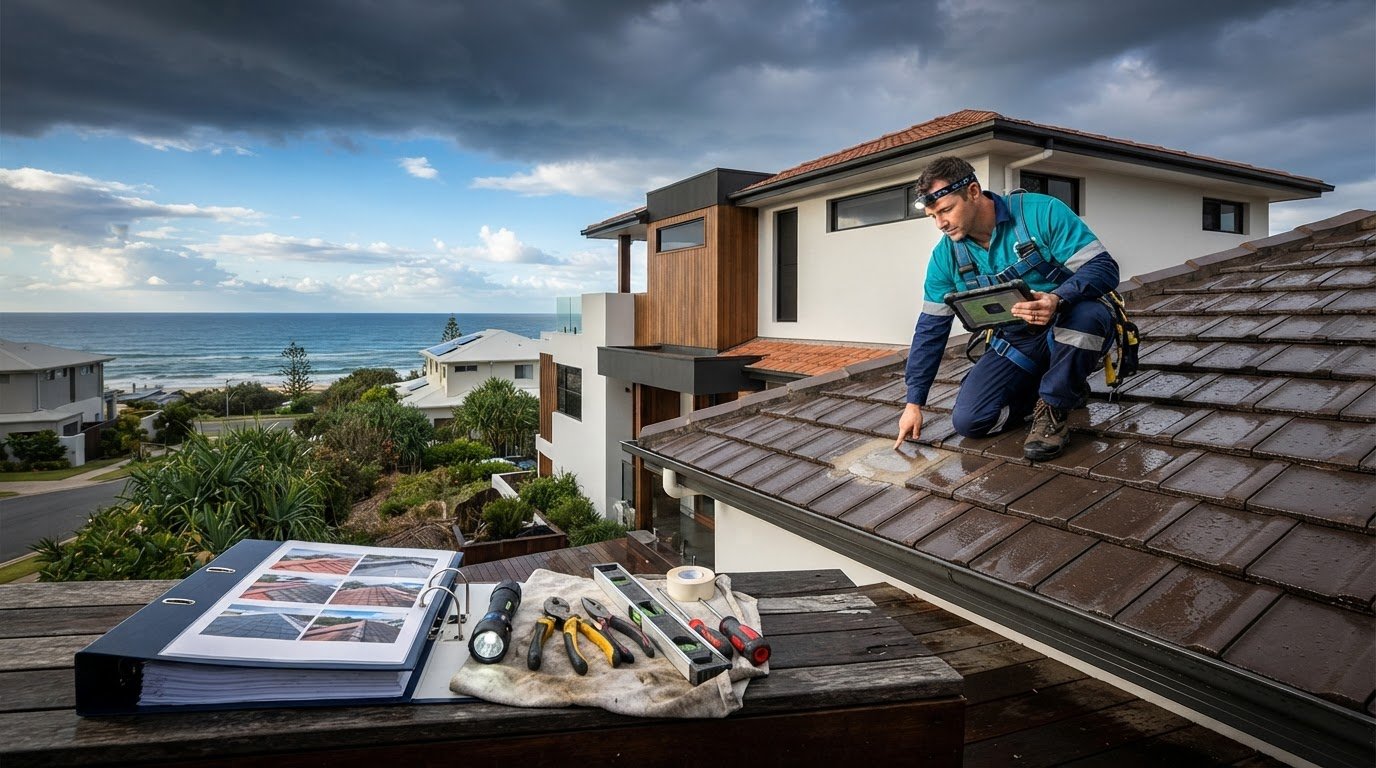
- 1. Site assessment and drainage calculation: The roof plumber inspects the gutters, outlets, downpipe route, brackets and visible connections. They assess the roof area draining into each outlet and determine suitable pipe capacity and placement for the property.
- 2. Removal and disposal: The old pipework is detached carefully to avoid damaging the gutter, roof edge or wall. Removed materials are handled and disposed of appropriately, with the work area kept orderly.
- 3. Precise installation: New brackets are positioned to support the pipe securely, and connections are aligned to maintain a clear flow path. Particular care is needed on exposed sites, where coastal wind can make work at height hazardous.
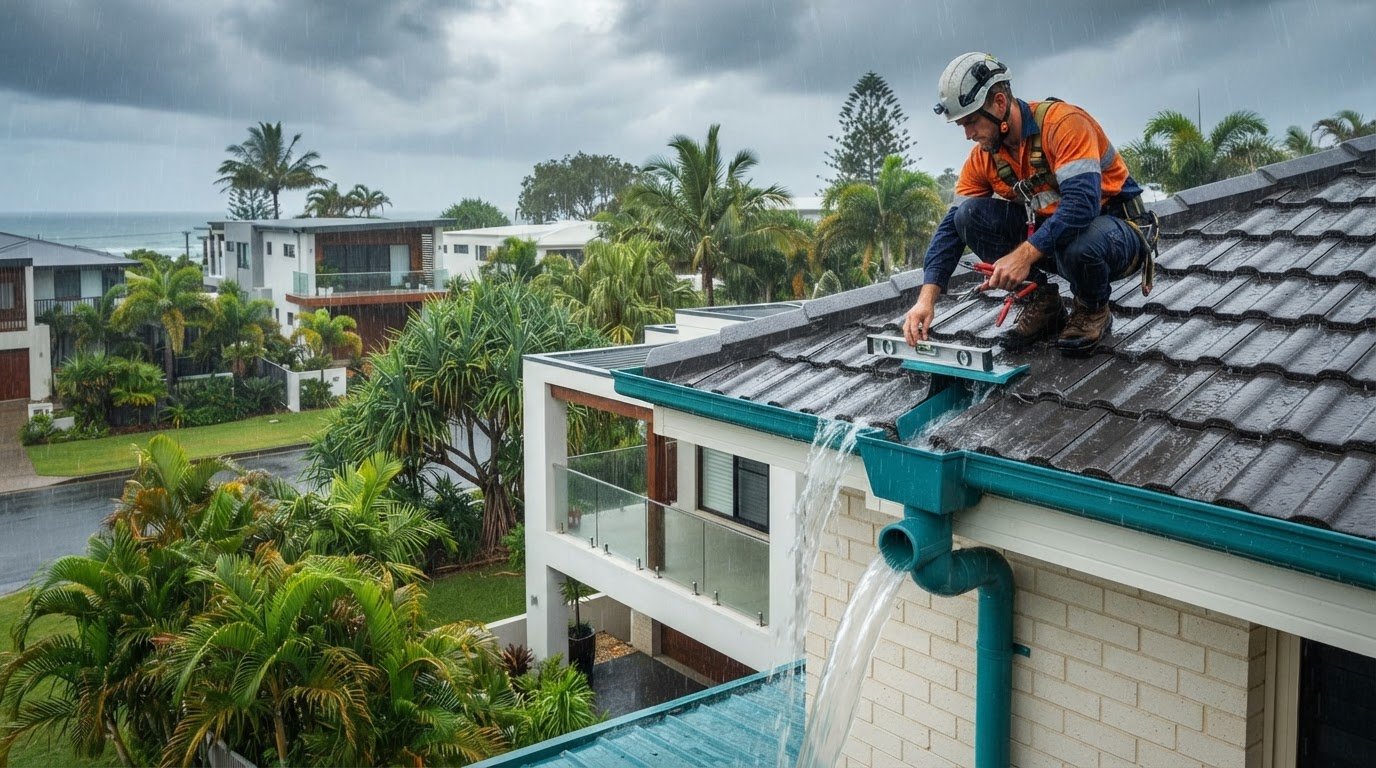
- 4. Flow testing: The completed system is checked with a controlled flow of water. This can reveal leaks at joints, poor connections or water backing up before the job is complete. Testing should reflect normal drainage conditions rather than subjecting the system to an arbitrary high-pressure blast.
Why Licensing and Insurance Matter
Roof drainage work requires an understanding of how gutters, downpipes and other roof components connect. Working at height also carries real risk, especially in gusty coastal conditions, so proper access equipment, fall protection and weather assessment matter. DIY work doesn’t automatically void home insurance, but damage or a claim may be affected by policy terms and whether work was completed safely and appropriately. Professional installation helps reduce avoidable errors and gives you a clear record of the work completed.
Ensuring Stormwater Compliance
Downpipes need to discharge to an appropriate connection point, not simply release water beside the building or onto a neighbouring property. Where a rainwater tank is part of the system, its overflow should also be directed so excess water can drain away without causing pooling or damage. The correct arrangement depends on the property and existing drainage. All stormwater drainage work must comply with AS/NZS 3500.3 plumbing standards.
Roof Plumbing Expert installs and replaces gutters and downpipes, with attention to secure connections and the property’s drainage route. For an assessment of your downpipe system, arrange downpipe replacement.
Why Choose Roof Plumbing Expert for Your Manly Project?
Coastal drainage needs more than a like-for-like swap. Salt exposure, roof layout and the path stormwater takes away from the home all influence the replacement approach. Roof Plumbing Expert provides guttering and roof plumbing services for property owners in Mainly Beach, with a focus on Colorbond materials and the structural integrity of the roof drainage system.
Our team specialises in gutter and downpipe installation and replacement. We consider how new pipework connects with the existing gutter, brackets and discharge route, then select materials suited to the property and its coastal conditions. The aim is a dependable drainage system that also complements the home’s exterior.
Workmanship Built Around the Details
Sound results depend on the small details: secure bracket placement, well-aligned pipework and properly sealed connections. We match the installation to the building, whether its exterior is contemporary or has older architectural features. That means considering the existing roofline and finish rather than treating every home as the same job.
We take care to install downpipes that connect properly with the existing drainage system and help direct rainwater away from the property.
Project Advice for Coastal Homes
A useful assessment considers the condition of the current downpipes, the roof area they serve, signs of corrosion and how rainwater is directed away from the property. These details help shape a practical replacement plan, including choices around durable materials and a finish that works with the roof and façade. You can discuss your Mainly Beach project with our team and request a quote based on the work required.
For related guidance on protecting roof areas from water entry, read our guide to roof waterproofing in Sydney. If salt corrosion or storm overflow has put your drainage system under pressure, downpipe replacement can address the fault and help protect your property.
Protect Your Manly Home Before the Next Downpour
Salt exposure and heavy rain put extra pressure on coastal drainage. Choosing suitable materials, correctly sized downpipes and secure connections helps direct stormwater away from your home and reduce the risk of overflow. If you’ve spotted rust, leaks or water pooling, prompt attention can help prevent a small drainage fault from becoming a larger concern.
Roof Plumbing Expert provides gutter and downpipe installation and replacement for property owners in Mainly Beach. Our work considers the drainage route, coastal conditions and materials such as Colorbond.
Take the next step towards a dependable drainage system. Arrange a downpipe assessment for your Mainly Beach home and get practical guidance for your property.
Frequently Asked Questions
How much does downpipe replacement cost in Manly Beach?
The cost depends on the number and length of downpipes, material choice, roof height, access and the condition of existing connections. A straightforward replacement may differ considerably from work requiring difficult access or changes to the drainage layout. There isn’t one reliable figure for every Manly home. A site assessment helps establish the work involved and provide a project-specific quote.
What is the best material for downpipes near the ocean?
The right material depends on how exposed your home is to salt spray, along with your roof drainage needs and preferred appearance. Colorbond is a durable coated-steel option, and Colorbond Ultra is intended for marine environments. Marine-grade aluminium may suit properties with particularly high salt exposure. Material selection should consider the home’s actual coastal conditions, rather than relying on distance from the surf alone.
Do I need to replace my gutters at the same time as my downpipes?
Not necessarily. If your gutters are sound, correctly aligned and compatible with the replacement downpipes, they may not need replacing. However, rust, leaking joints, poor fall or recurring overflow can indicate that the gutter system also needs attention. An inspection of the gutter outlets and connections can help determine whether replacing downpipes alone will provide a reliable drainage solution for your property.
How long does a professional downpipe replacement take?
There’s no fixed timeframe for every job. The number of downpipes, property height, safe access, existing pipe condition and any drainage adjustments all affect the work required. Replacing an accessible pipe is generally simpler than working around complex connections or difficult access. An assessment can clarify the scope and expected timing for your property before work begins.
Can blocked downpipes cause my roof to leak?
A blocked downpipe can cause water to back up in the gutter and overflow, potentially wetting roof edges, exterior walls or nearby building materials. That isn’t the same as a roof leak, and overflow can have other causes, such as a restricted outlet or undersized drainage. If you notice damp patches indoors, overflowing gutters or water staining, have the drainage and roof checked to identify the source.
Are there specific Council regulations for stormwater in Manly?
Stormwater requirements depend on the type and scale of work. A like-for-like residential replacement may be treated differently from a new development or significant alteration. Northern Beaches Council’s stormwater policy applies to development and may require a concept stormwater plan and engineering certification. Connections to council assets can involve additional permissions. Assess the proposed discharge route so the work suits the property and relevant local requirements.
What is the difference between standard Colorbond and Colorbond Ultra?
Colorbond Ultra is a coated-steel option intended for marine environments, while standard Colorbond is used for a range of roofing and drainage applications. The appropriate choice depends on the property’s exposure to salt and other site conditions. There’s no one answer for every coastal home. A roof plumber can assess the level of exposure and recommend a suitable material for the downpipe system.
How often should I have my downpipes inspected in a coastal area?
There isn’t one inspection interval that suits every coastal home. Salt exposure, nearby trees, storms and the age and condition of the drainage system all affect how closely it needs monitoring. Check visible sections and gutter outlets regularly, and pay attention after severe weather. Rust, loose brackets, leaks, overflow or pooling near the home are signs to arrange an inspection sooner.