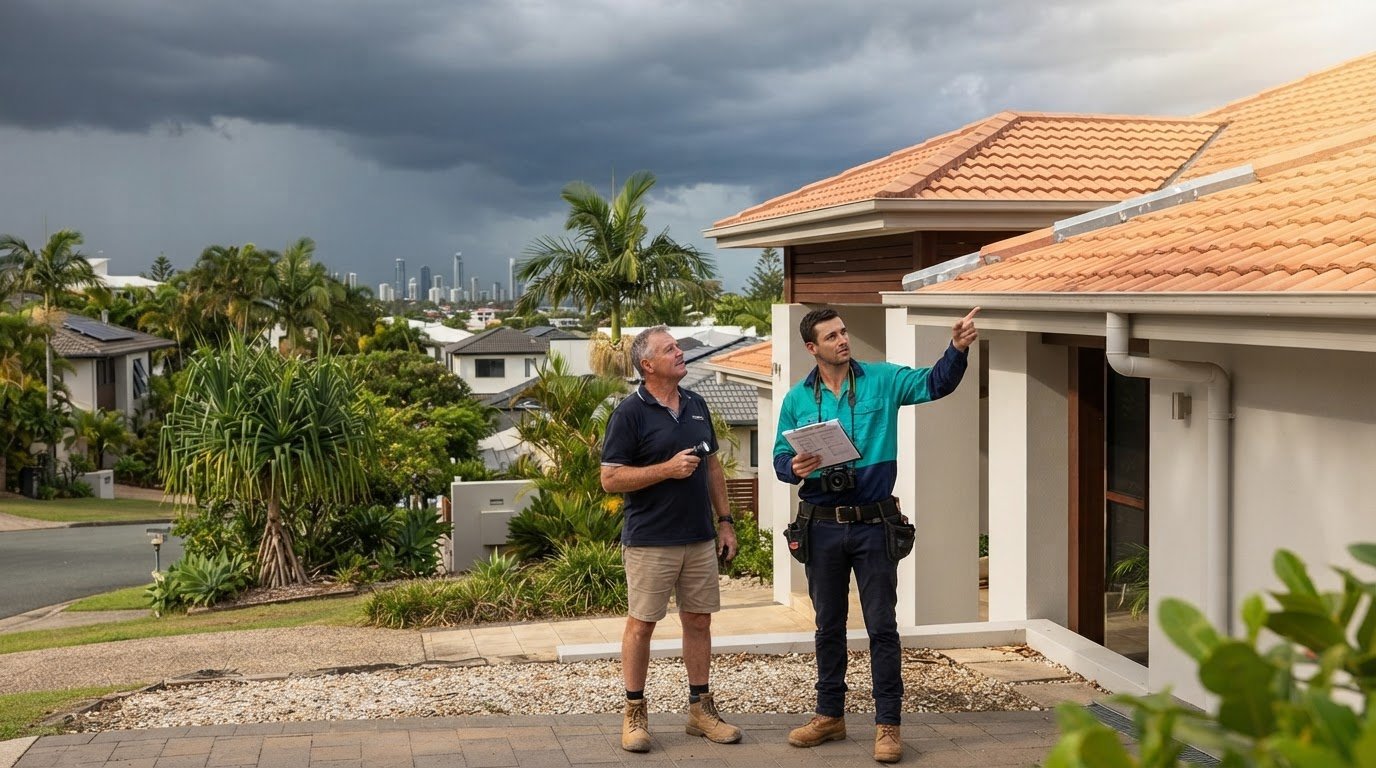
What if a small roof or drainage problem becomes a leak when heavy rain and strong winds arrive? Preparing your roof for storm season doesn’t mean climbing onto it. Start by checking what you can see from the ground and noting anything that may need attention.
It can be hard to know which signs matter or whether a task is safe to tackle yourself. This checklist helps you spot possible vulnerabilities, check gutters and downpipes, and distinguish simple ground-level checks from work best left to a qualified roof plumber. It also explains when visible damage or signs of water entry call for a professional assessment.
Check roof coverings, drainage and vulnerable junctions without taking risks at height. If you notice a concern, a roof plumbing assessment can help establish whether the roof, gutters or flashing need repair before storms arrive. A calm, methodical check gives you a clearer idea of what to do next.
Key Takeaways
- Use current official forecasts and warnings to guide when you check your home. Storm conditions vary by location.
- Look for visible gutter and downpipe issues from the ground, including plant growth, sagging or detached connections.
- When preparing your roof for storm season, treat water marks or displaced roof materials as signs to investigate, not proof of the full extent of damage.
- Record concerns with notes and photos taken from a safe location, then prioritise what needs professional attention.
- Recurring leaks, damaged flashing and persistent drainage problems are reasons to consider a roof plumbing assessment.
Preparing Your Roof for Storm Season Starts with a Safe Home Check
Start by noticing visible concerns while conditions are calm. That gives you time to record them and decide whether they need professional attention before forecast storms. A check can’t guarantee your roof will avoid damage. Storm timing and conditions vary by location, so check current official forecasts and warnings rather than relying on a fixed seasonal date.
This checklist covers roof surfaces, drainage, visible warning signs and sensible next steps. A ground-level check is only a screening exercise. It may highlight something that needs attention, but it can’t confirm hidden damage or prove the roof is storm-ready. Roofs use different coverings and components to protect a building and manage exposure to the elements. This overview of roofing materials provides useful background.
Never climb onto a roof or inspect it during unsafe weather. Leave roof access and repairs to a suitably qualified professional. Preparing your roof for storm season can begin safely from the ground.
What can you check safely from the ground?
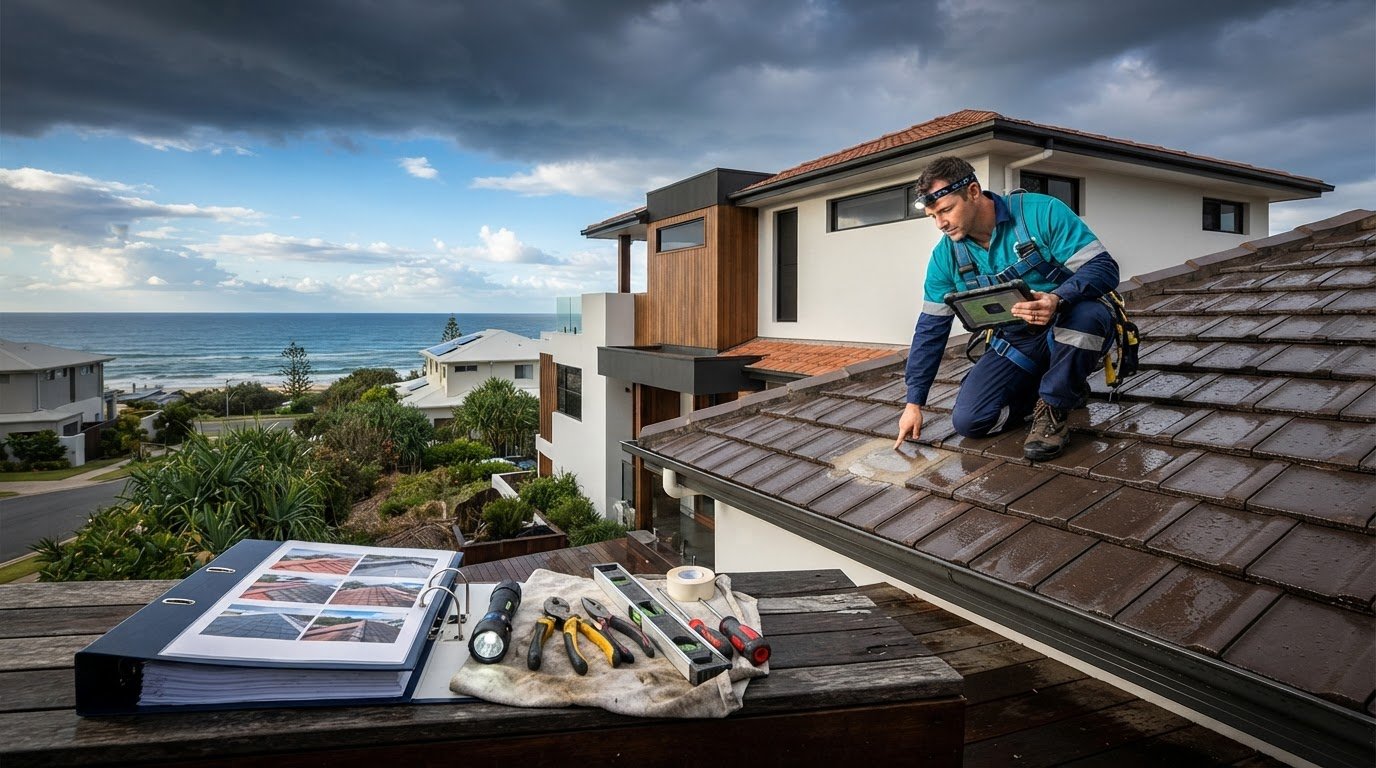
Choose a stable spot with a clear view. Use binoculars or a camera to observe accessible roof areas. Note tiles that appear displaced, sheets that look loose, damaged ridge caps or visible debris. These are signs to record, not reasons to climb up for a closer look.
Inside, look for new ceiling marks that could indicate water entry. Don’t touch wet light fittings, switches or other electrical equipment. Keep clear and seek appropriate help if you notice a potential electrical hazard.
When should you check your roof in Mainly Beach?
Check from the ground before forecast severe weather, but only when conditions are calm and your vantage point is safe. For current local warnings and forecasts, consult the Bureau of Meteorology. Don’t assume storm conditions will arrive on the same dates each year.
For preparedness advice and directions during severe weather, consult NSW SES guidance. If a warning is in force or conditions make observing the roof unsafe, stay sheltered and follow official instructions instead of carrying out a check.
If you spot a concern, note what you saw and when. Take a photo only from a safe location. This gives you a clear record to refer to when deciding whether to arrange a professional assessment. Don’t try to move roof materials or clear debris from the roof yourself.
Check Gutters, Downpipes and Roof Drainage Before Heavy Rain
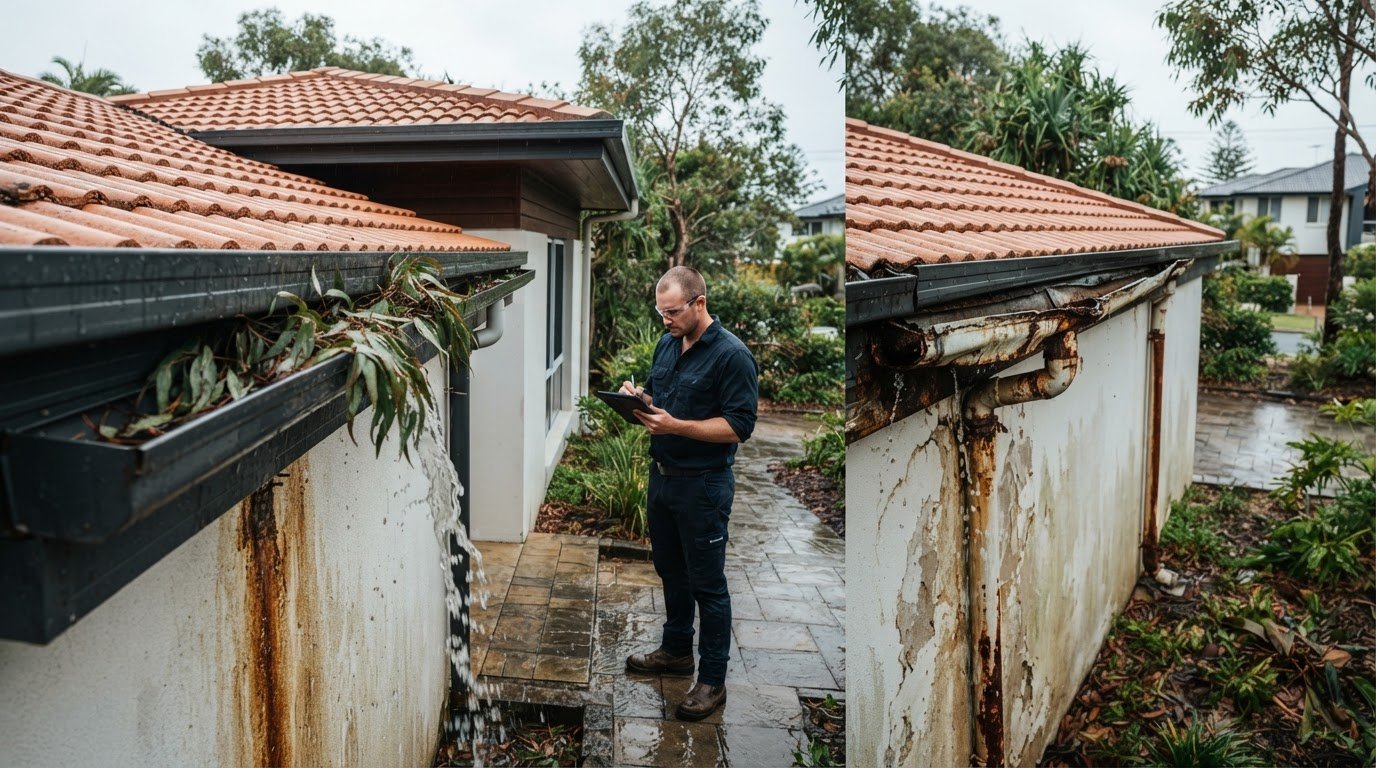
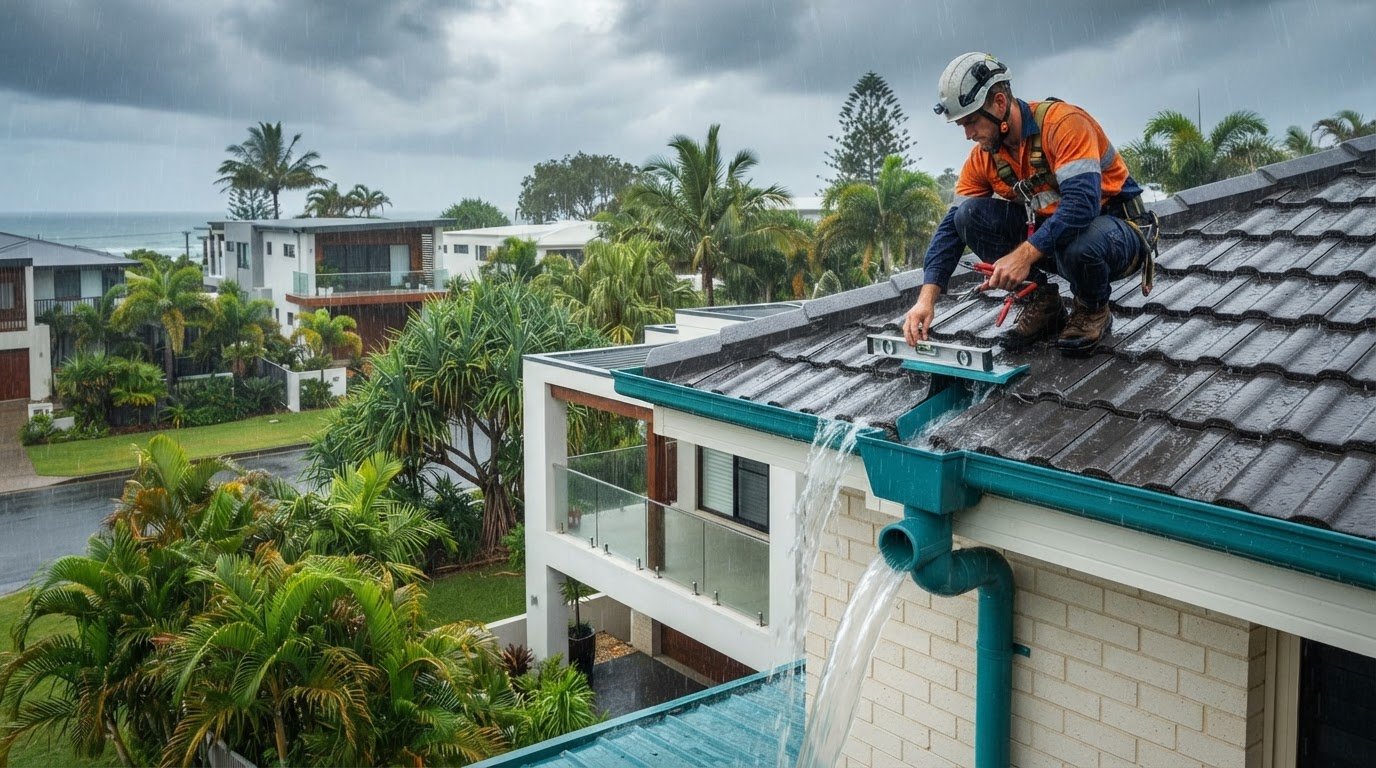
Gutters and downpipes collect roof runoff and direct it away from the building. Debris or a damaged connection can interrupt that path, causing overflow or poor drainage. As part of preparing your roof for storm season, check visible drainage points from the ground while conditions are calm. This is a screening check, not a reason to reach over an edge or climb onto the roof.
What gutter and downpipe warning signs should you notice?
From a stable position, look for leaves or plant growth in accessible sections, gutters that appear to sag, and downpipes that look disconnected or damaged. A section that seems to hold water is also worth noting. You can photograph visible concerns from a safe spot, but a photo alone can’t confirm the cause of a drainage issue.
After rain, note where water appears to overflow and whether the same location overflows again. Keep clear of moving water, slippery surfaces and unstable ground. Don’t reach over an edge, use an unstable ladder or attempt roof access to remove debris. If you can’t see a section safely, leave it for a professional to assess.
For background on replacement and installation options, see this gutter and downpipe installation guide.
When does drainage need a roof plumber?
Arrange a professional assessment if gutters repeatedly overflow, sections appear loose, or downpipe connections look damaged. The cause could involve a blockage, capacity, gutter fall or a connection problem. These possibilities can’t be diagnosed reliably from a ground-level photo, so don’t assume visible debris is the only issue.
A roof plumber can assess the drainage components and determine whether repair or replacement is appropriate. Roof Plumbing Expert provides gutter and downpipe installation alongside other external roof plumbing services. If you’ve spotted a concern, you can review options for a roof plumbing assessment.
Roof checks are one part of household readiness. Services Australia also provides information to help people prepare for emergencies, including links to state and territory services. Use current official guidance for broader preparedness, and keep your roof and drainage observations as practical notes for any follow-up assessment.
Spot Roof Damage Early Without Climbing onto the Roof
A ground-level look can help you spot signs that deserve attention, but it’s only a screening check. It can’t reveal every concealed defect or prove that a roof is storm-ready. When preparing your roof for storm season, note what you can see and arrange a professional assessment if concerns persist or appear after a storm.
Which roof warning signs deserve follow-up?
From a safe position, look for changes across the roof surface and around its junctions. Signs vary with the roof type, so don’t assess a tiled roof and a metal roof as if they have identical components.
- Tile roofs: Note tiles that look cracked or displaced, along with ridge caps that appear loose or deteriorated pointing along the ridge.
- Metal roofs: Look for sheets that appear lifted, loose or out of alignment.
- Roof junctions: Check for visible gaps or deterioration around flashing, skylights and other points where roof sections meet.
- Inside the home: Note new water stains or dampness on ceilings and upper walls.
A stain or damp patch is a reason to investigate, but it doesn’t identify the exact point where water entered. Roof water can travel before becoming visible indoors. Record what you’ve noticed and when, without trying to move roof materials or inspect the roof up close.
If you’re seeing signs of a leak, the NSW roof leak detection guide explains more about investigating possible water entry.
Why a ground-level check can’t confirm roof condition
Some defects are hidden beneath roof coverings or around junctions, and conditions in the roof space aren’t visible from outside. A clear view from the ground is useful, but it can’t confirm that fixings, flashing or concealed areas are sound.
Don’t walk on roofing to get a closer look. Wet, steep or damaged surfaces can be particularly hazardous, and stepping on roofing may cause further damage. Leave roof access and closer inspection to a qualified professional.
If the same warning signs recur, or you notice them after a storm, consider a roof plumbing assessment. A professional can assess roof coverings, flashing and other vulnerable junctions together, then explain what needs attention. That gives you a clearer basis for deciding on repairs rather than relying on guesswork from a photo.

Pre-Storm Roof Checklist to Prioritise Safe Next Steps
A clear order of actions helps you decide what to do without rushing into unsafe roof work. Preparing your roof for storm season means checking official information, recording concerns and organising suitable attention before conditions deteriorate. Leave roof cleaning, repairs and gutter work until conditions allow safe access. Don’t attempt them during a storm or when rain and wind make the work hazardous.
What should you organise before severe weather is forecast?
- Check warnings. Keep current local forecasts and warnings from the Bureau of Meteorology accessible, and follow official instructions.
- Observe safely. In calm conditions, look from the ground for visible concerns such as damaged flashing, loose-looking components or drainage issues.
- Keep a record. Photograph visible issues only from a safe position. Note where they are and when you first noticed them.
- Arrange attention. Organise a professional assessment for recurring leaks, damaged flashing or roof components that appear loose.
Don’t leave necessary work until a storm is close. If weather or access conditions become unsafe, postpone inspection or maintenance and follow official advice. For broader household preparedness, keep reliable warning sources close at hand and plan how you’ll respond if conditions change.
What should you do if a storm has already caused damage?
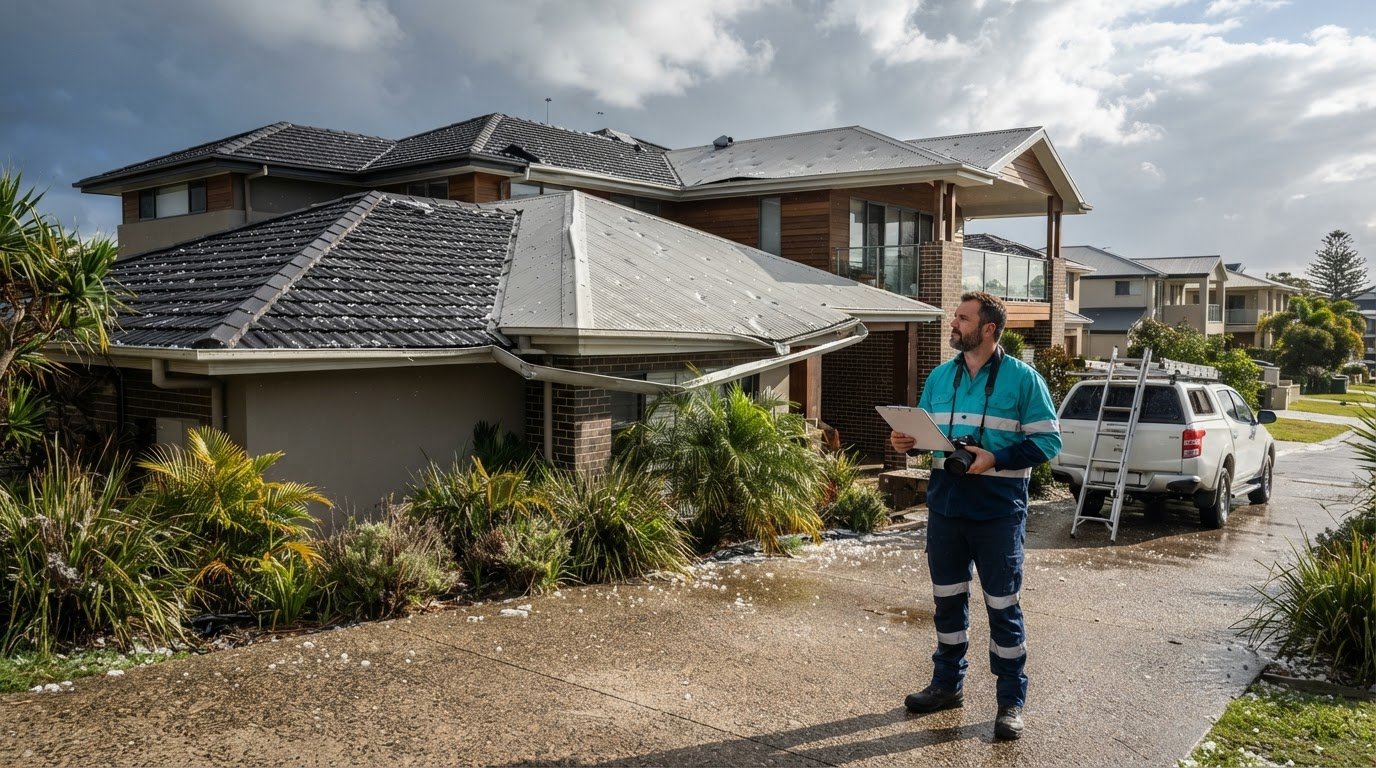
Focus on personal safety first. During severe weather, follow current NSW SES advice and directions. Keep away from fallen wires, unstable structures, floodwater and damaged roof areas. Don’t climb up to inspect damage or try to cover it yourself.
When it’s safe, document what you can see from a sheltered, stable position. Note when you first observed the damage and take photos only if you can do so without approaching hazards. Keep the information for a qualified assessment once conditions allow safe access. A quick look from the ground can help describe the concern, but it won’t confirm the cause or extent of damage.
If you’ve noticed a roof or drainage concern, you can discuss a roof plumbing assessment with Roof Plumbing Expert. Share your notes and observations, then leave roof access and repairs to a professional.
When to Call a Roof Plumber for Storm Season Preparation
A ground-level check can flag concerns, but recurring leaks, loose-looking roof materials, damaged flashing or persistent drainage trouble are sensible reasons to seek professional help. Preparing your roof for storm season is easier when you act on visible warning signs before weather makes roof access unsafe. A description or photo can help explain what you’ve noticed, but it can’t confirm the cause or guarantee which repair is needed.
Which roof plumbing issues can a specialist assess?
A roof plumber can assess external roof plumbing concerns across connected parts of the roof system, including gutters and downpipes, roof coverings, flashing and waterproofing. If water marks appear near a skylight, its junction with the roof may also need assessment. The visible symptom doesn’t necessarily show where water is entering, so the relevant components need to be considered together.
Roof Plumbing Expert specialises in roof plumbing and guttering services across NSW. Its services include gutter and downpipe installation, roof leak detection and repair, Colorbond roofing, roof restoration and repointing, roof flashing and waterproofing, and skylight repair or replacement. This is specialist external roof work, not general interior plumbing. The business doesn’t offer solar panel installation or asbestos removal.
How to prepare for a professional roof assessment
A few clear details can help explain your concern and provide a useful starting point for an assessment. From a safe position, gather:
- Photos of visible roof or drainage concerns taken from the ground, without approaching hazards.
- The area of the roof where you noticed the issue, described as clearly as you can.
- When you first saw the concern and whether it has returned during or after rain.
- Details of any interior water marks or dampness, including the room where they appeared.
This information helps communicate what you’ve observed, but it isn’t a substitute for an on-site assessment. Don’t climb onto the roof to take closer photographs, and don’t attempt repairs during unsafe weather. If conditions are deteriorating, follow official directions and wait until it’s safe to arrange access.
Mainly Beach readers with a concern about roof coverings, leaks, flashing, skylights or drainage can contact Roof Plumbing Expert to discuss a relevant roof plumbing enquiry. A clear description of the issue is a practical first step towards understanding what assessment may be appropriate.
Make Your Next Roof Check a Safe One
Preparing your roof for storm season starts with what you can safely observe, not a climb onto the roof. Check current official warnings, look over accessible roof and drainage areas from the ground, and keep notes or photos of anything concerning. Those observations can help you decide whether a professional assessment is the right next step, but they can’t confirm hidden damage or guarantee storm readiness.
Recurring leaks, loose-looking roof materials, damaged flashing and persistent gutter or downpipe problems are sensible reasons to seek specialist advice. Roof Plumbing Expert provides roof plumbing and guttering services across NSW, including gutters and downpipes, leak detection and repair, and flashing and waterproofing. An assessment can help clarify which external roof components need attention.
If you’ve noticed a roof or drainage concern, discuss it with Roof Plumbing Expert. Share what you’ve seen and when it appeared, and leave roof access to a professional. A careful check and clear next steps can help you approach storm season with greater confidence.
Frequently Asked Questions
How do I prepare my roof for storm season?
Start by checking current Bureau of Meteorology forecasts and warnings for Mainly Beach, then look over the roof and drainage from a safe position on the ground. Note visible concerns such as loose-looking roof materials, damaged flashing, sagging gutters or disconnected downpipes. Take photos only from somewhere safe. If leaks recur or you spot damage, arrange a roof plumbing assessment before weather makes access unsafe. Never climb onto the roof to inspect it or carry out repairs.
What should I check on my roof before a storm?
From the ground, look for displaced tiles, sheets that appear lifted, damaged ridge components, visible gaps around flashing or skylights, and debris in accessible gutter sections. Check whether downpipes appear disconnected or damaged. Indoors, note any new ceiling stains or dampness, but don’t assume these show where water is entering. Treat visible signs as reasons to investigate, not proof that the roof is sound or that you’ve found the source of a leak.
Is it safe to climb onto my roof to check for storm damage?
No. Don’t climb onto your roof to check for storm damage, especially if it’s wet, steep or visibly damaged. Roofing can be slippery or unstable, and a ground-level view cannot make roof access safe. Use binoculars or a camera from a stable position instead. If you can’t see an area safely, leave it to a qualified professional. During severe weather, stay clear of the roof and follow official warnings and instructions.
Can blocked gutters cause problems during heavy rain?
Yes. Leaves, plant growth or other debris can interfere with the flow of water through gutters and downpipes. During heavy rain, water may overflow rather than drain away as intended. From the ground, note visible build-up, sagging sections, apparent pooling or disconnected downpipes. Don’t reach over an edge or use an unstable ladder to clear debris. If overflow persists, a roof plumber can assess whether blockage, gutter fall, capacity or connections may be involved.
How often should I inspect my roof before storm season?
There isn’t one inspection schedule that suits every roof or location. For Mainly Beach homes, use current Bureau of Meteorology forecasts and warnings rather than assuming storms arrive on fixed seasonal dates. Make a safe ground-level check when conditions are calm before forecast severe weather, and note new concerns after a storm when it’s safe. A visual check is only a screen, so recurring leaks or visible damage may warrant a professional assessment.
What should I do if my roof leaks during a storm?
Prioritise personal safety and follow current NSW SES advice during severe weather. Don’t climb onto the roof or approach fallen wires, unstable structures or floodwater. Avoid touching wet electrical fittings. Once conditions are safe, record where you noticed water inside and when it appeared, using photos only from a safe position. A ceiling mark doesn’t necessarily show the entry point. Arrange roof leak detection and repair when safe access is possible, and don’t attempt a roof repair during the storm.