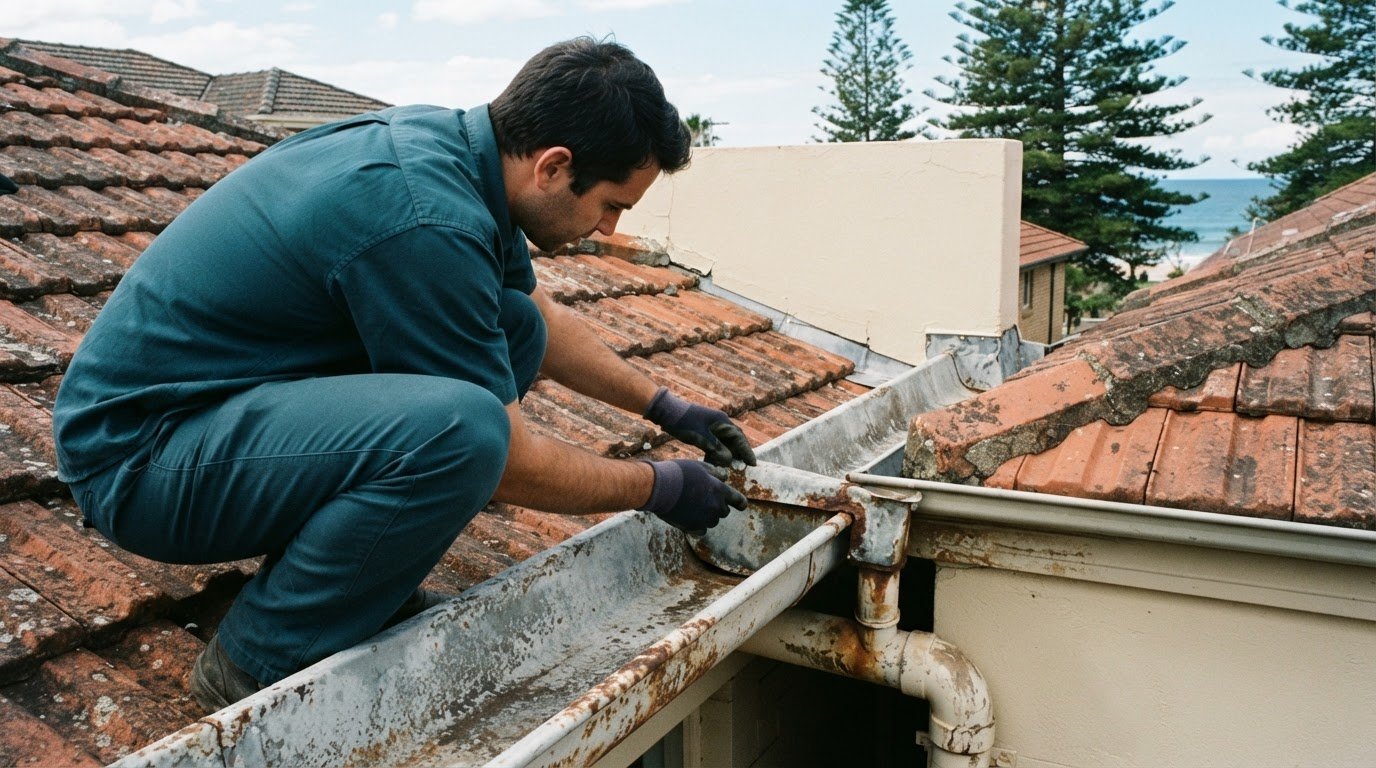
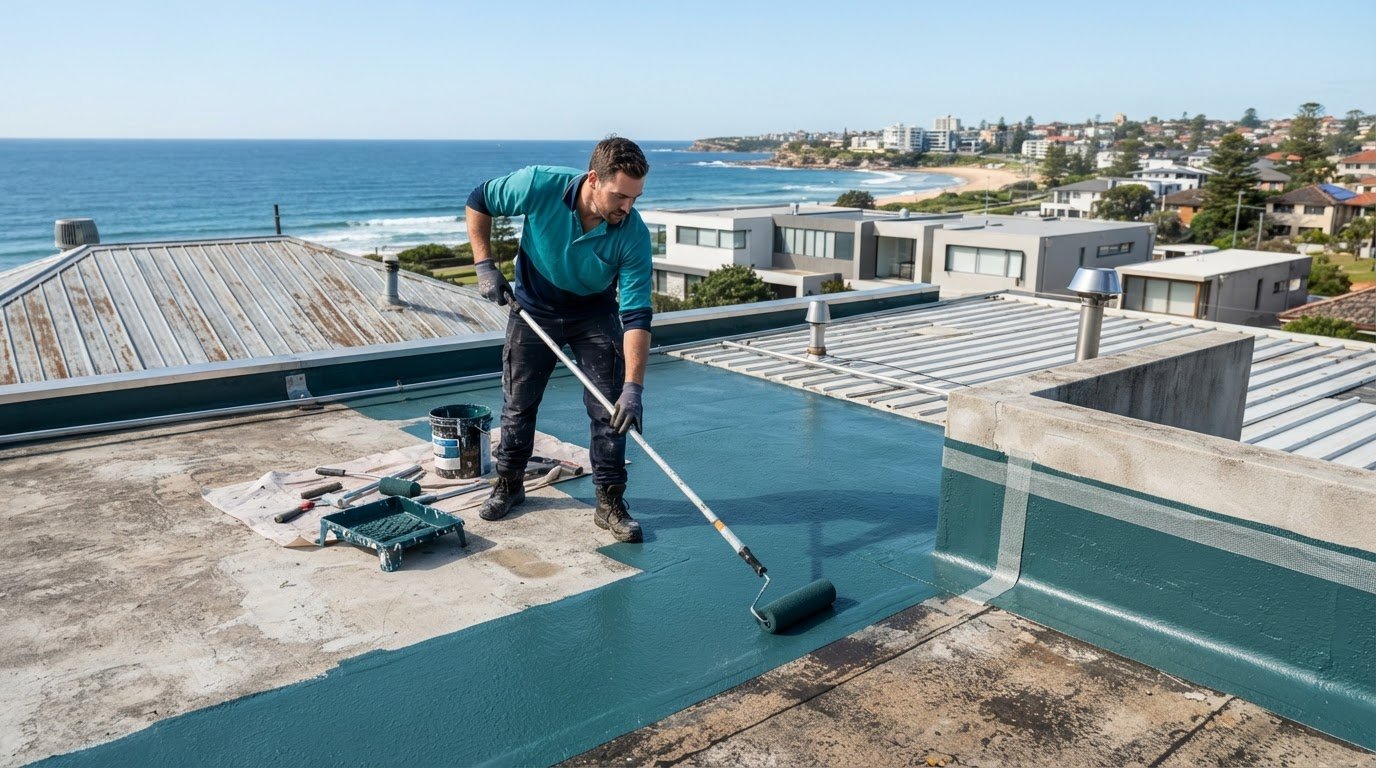
The right liquid membrane depends on the roof substrate, not simply on the fact that it’s flat. For waterproofing a flat roof, the main liquid options include water-based and solvent-based elastomeric coatings, as well as two-component systems made from a base material and hardener. Each requires a sound, dry surface and preparation suited to the material beneath it.
It’s easy to focus on the coating, but choosing a system that suits the substrate and preparing the surface properly are just as important. Concrete, metal and existing roof finishes can call for different preparation and priming steps. Roof movement and exposure to sun, heat and rain also affect the choice.
This guide compares the main liquid waterproofing options and explains how to prepare and prime common roof surfaces. It also covers reinforcement, application tools and details around upstands and joints, so you can understand what a durable, watertight finish involves before work begins.
Key Takeaways
- Match the membrane to the roof material, expected movement and exposure to sun, rain or foot traffic.
- Prepare a clean, dry and sound surface, then use a primer suited to both the substrate and coating.
- Compare water-based, solvent-based and two-component liquid systems to understand their application needs and working time.
- Plan for careful detailing at joints and upstands, with suitable reinforcement and tools for a continuous waterproof layer.
Applying membranes across multiple substrates
Choose a membrane for the roof beneath it, its exposure and how it will be used. Concrete and screed need a compatible system; metal roofing needs sound detailing at seams and penetrations. Roof design should allow water to drain effectively, with the appropriate fall depending on the roof and project. Near the coast, saltwater chloride can affect concrete, so exposure matters when assessing durability.
Liquid-applied polyurethane (PUR) can accommodate substrate movement caused by thermal expansion. Spray-applied systems can cover horizontal and vertical surfaces, joints and transitions, but require careful overspray control. Plural-component spray processes can release airborne particles, so the work area and application method need careful management.
Sheet membranes offer another approach. PVC and EPDM are common single-ply materials, while elastomeric sheets can bridge joints and resist tearing in high-traffic areas. Sheet membranes can last up to 50 years. That figure is an upper lifespan, not a reason to overlook substrate condition, installation or exposure.
Self-adhesive bitumen membranes avoid torch application: the installer positions the roll and presses it onto the prepared roof. Other modified bitumen sheets use heat to bond, and torch-on systems are commonly installed in two layers. Heat-based work requires suitable conditions and careful handling around roof details.
For example, an apartment-block roof included concrete, screed, plastic, copper, polymers and joints across horizontal and vertical surfaces. A plural-component spray process applied the membrane over these different substrates. This created a continuous applied system across the varied roof surfaces and junctions.
Which is better for a flat roof: liquid membrane, bitumen, EPDM or PVC? None is universally better. Choose based on the substrate, movement, foot traffic, exposure and detailing. Liquid systems suit complex junctions, sheet options suit broad areas, and bitumen is available in rolled and self-adhesive formats.
What Australian building standards and regulations apply to flat roof waterproofing? Requirements depend on the building type, roof construction, drainage design and membrane system. Treat compliance as part of the project design, rather than assuming a coating alone meets every requirement.
What Types of Liquid Waterproofing Are Available?
Liquid systems form a continuous elastic layer across flat roofs, including around penetrations and changes in direction. Water-based and solvent-based elastomeric coatings suit different conditions, while two-component products combine a base material with a hardener. Follow the product instructions for mixing, application and curing.
Two-component coatings need efficient application after mixing. Their working time is typically 15-30 minutes, so prepare tools and divide the roof into manageable areas first. PMMA liquid waterproofing can become rainproof after around 30 minutes, but that timing doesn’t replace the system’s full curing instructions.
Cold-applied, one-piece EPDM systems avoid torch work and can require few tools. Liquid application can simplify detailing on irregular surfaces, but the finished layer depends on even coverage and sound preparation. A coating won’t correct poor drainage or repair a damaged substrate by itself.
What are the best waterproofing systems for a flat roof in Australia? Choose based on the substrate, roof movement, exposure and intended use. Liquid coatings suit complex details, while bitumen, EPDM and PVC sheet systems offer alternatives for broad areas and different installation needs.
Can you waterproof a flat roof yourself, or should you hire a licensed roofer? For a complete membrane installation, a roofing professional is the practical choice for assessing the substrate and detailing joints. Use a roofer who holds any licence required for the work in your state or territory.
What are common causes of flat roof leaks and waterproofing failures? Poor surface preparation, gaps at joints or penetrations, uneven coating and water that doesn’t drain can all undermine a membrane. A leak may also indicate damage beneath the visible surface.
What safety risks and precautions apply when waterproofing a flat roof? Work at height and spray overspray need to be controlled. Gusty winds can carry spray onto nearby buildings and vehicles, while some spray processes can release airborne particles. Protect the surrounding area and follow the membrane system’s safety instructions.
Where leaks involve roof edges or junctions, roof flashing and waterproofing can address those vulnerable details.
Substrate preparation and priming
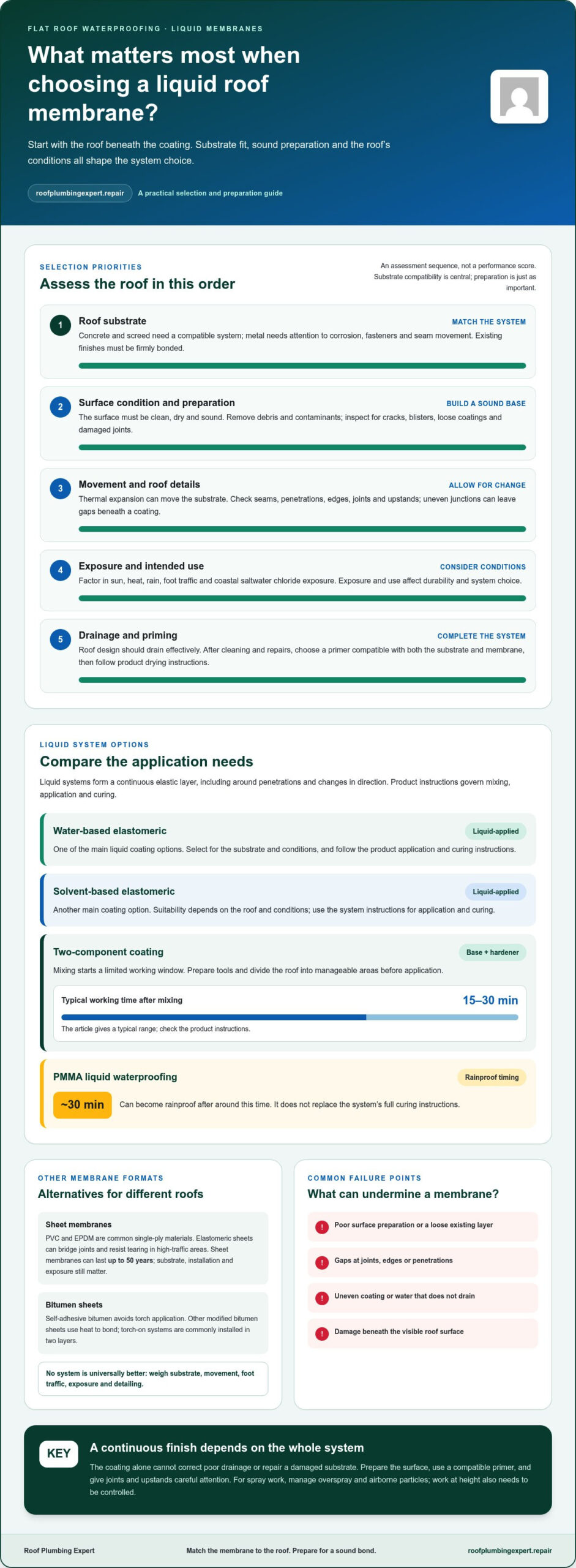
A liquid membrane bonds to the roof substrate, so preparation affects adhesion and durability. Clear away leaves, dust and loose material, then remove contaminants that could interfere with bonding. Inspect for cracks, blisters, loose coatings and damaged joints. A clean, stable substrate can help prepare the roof for waterproofing.
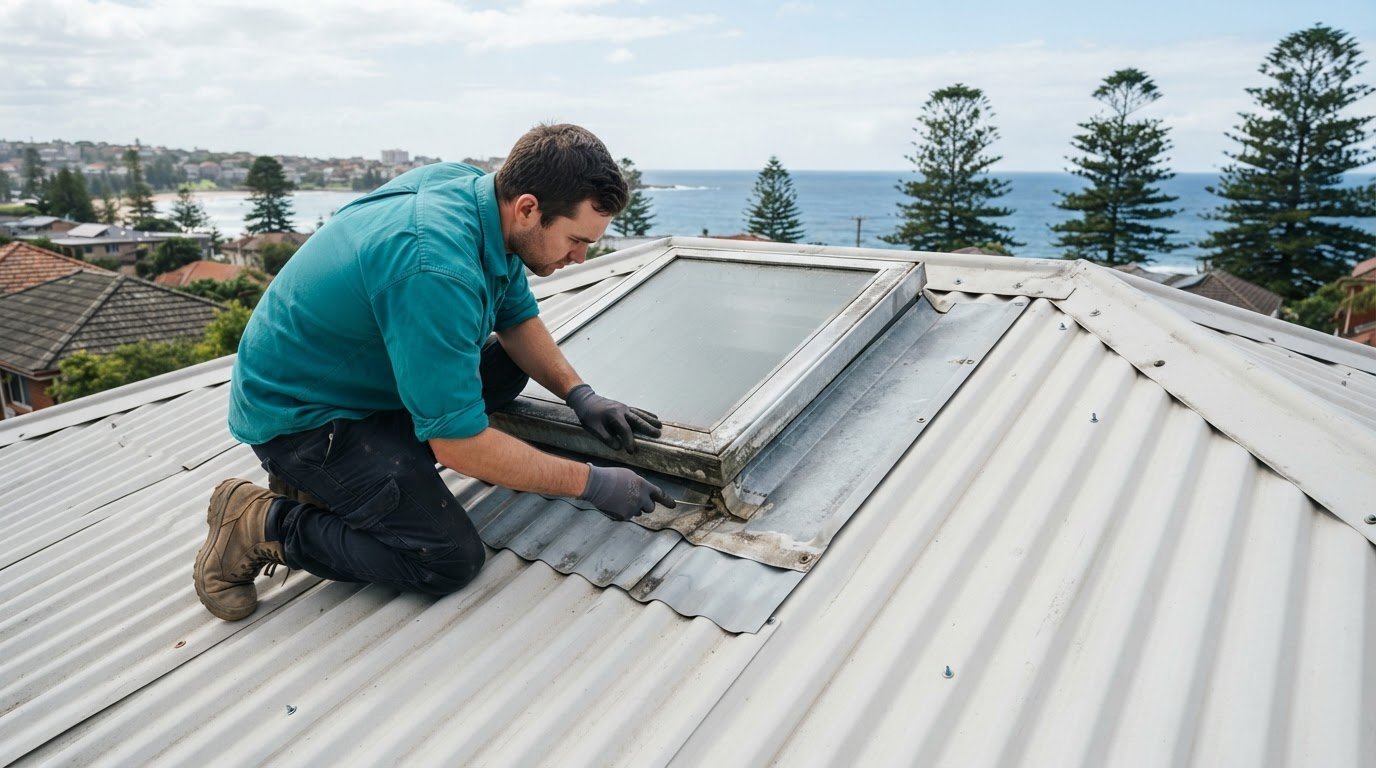
Repair defects using materials compatible with the existing roof construction and selected membrane. Pay close attention to penetrations, edges and junctions, where uneven surfaces can leave gaps beneath a coating. If the substrate has old paint or a previous membrane, check that it is firmly bonded. Loose layers can compromise the new system, even when the topcoat looks complete.
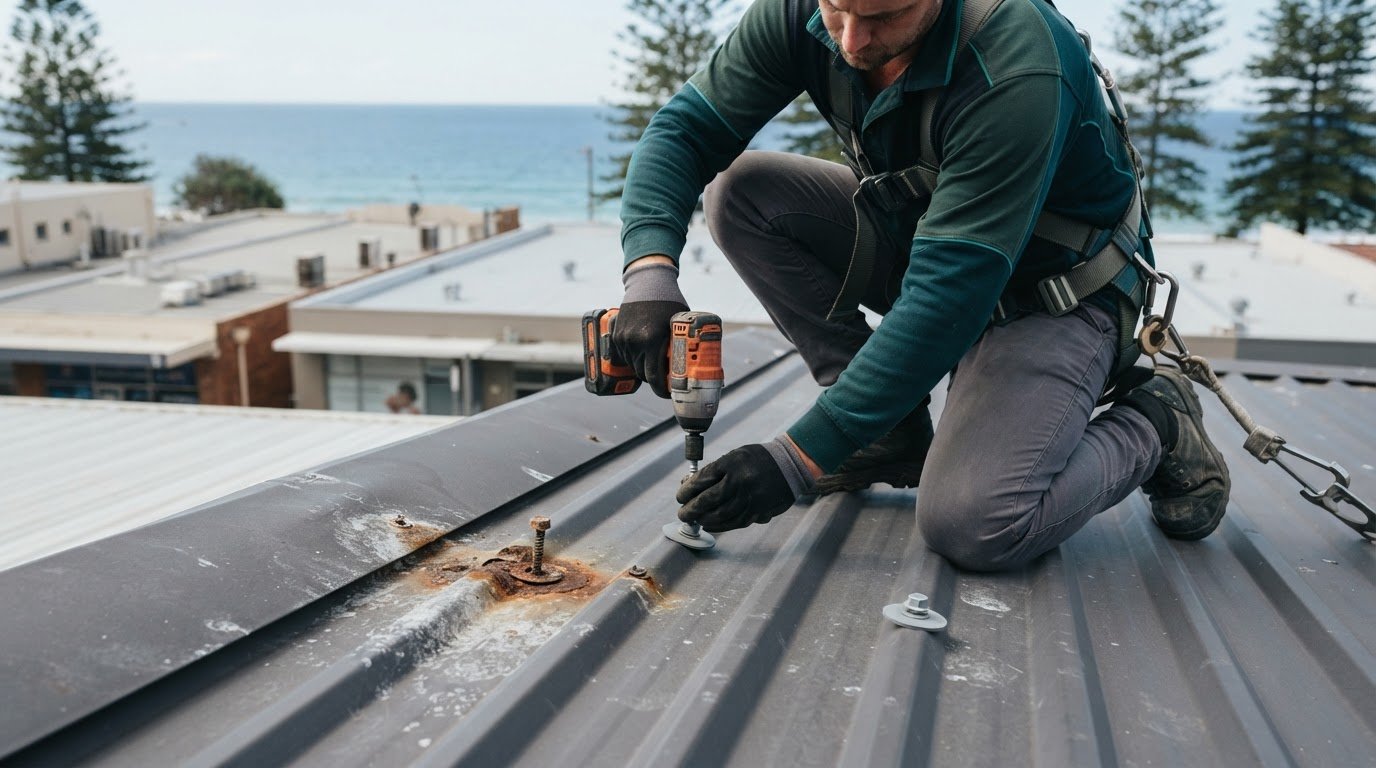
Concrete and screed may need different preparation from metal. Check concrete for friable areas and surface contamination, and inspect metal for corrosion, loose fasteners and movement at seams. Remove debris without pushing it into outlets or joints. This helps reveal defects before the primer or membrane covers them.
Apply primer only after cleaning and repairs, choosing one compatible with both the substrate and waterproofing product. Spread it evenly across the specified area, including transitions that need membrane adhesion. Follow the product instructions for application and drying before coating. Wet or incompatible primer can interfere with bonding.
For roof upstands, carry the liquid membrane around the junction and raise it approximately 15 cm above the lower edge. Seal roof connections and upstands in two layers. Where reinforcement fleece sheets overlap, apply an additional layer of liquid waterproofing between them to bond the overlap and keep the seal continuous.
Drainage matters before coating starts. Cement or metal flat roofs in Australia should have a 1-degree fall to help water run off. Check the roof surface and outlets for areas where water may collect, since a membrane cannot correct an unsuitable fall or blocked drainage.
Materials and tools required
Choose materials as a system: the primer, liquid membrane and reinforcement must suit the roof substrate and each other. For Australian conditions, consider UV stability and heat reflection, especially on roofs exposed to strong sun. Coastal salt and nearby industrial effluents can also affect material selection. Consider the roof’s intended use, including whether people will walk across it.
Before liquid application, have the membrane, compatible primer and reinforcement fleece ready. Use a roller or brush across open areas and a smaller brush for corners and around penetrations. For two-component products, which combine a base material and hardener, prepare a mixing paddle and clean container.
- For surface preparation: use a stiff broom, suitable scraper and cleaning equipment to remove dust and loose material.
- For application: have rollers, brushes or a squeegee suited to the membrane instructions.
- For detailing: prepare reinforcement fleece and a sharp cutting tool for trimming around edges and penetrations.
- For sheet systems: PVC and EPDM membranes offer single-ply alternatives to liquid-applied coatings.
Elastomeric sheet membranes provide uniform thickness and can bridge joints, making them useful where movement or regular access matters. Where relevant, select products with UV stability, heat-reflective properties and root resistance. PVC and EPDM are common single-ply options. PVC can reduce roof weight, resist corrosion and protect against harsh-weather impacts.
Match the tools to the application method. A roller and brush help apply coating carefully around roof details, while spray equipment covers larger areas. Spray work requires overspray control, particularly on windy sites near vehicles or neighbouring buildings. Follow the membrane manufacturer’s instructions for mixing, coverage and application conditions.
For a roof with frequent foot traffic, consider abrasion and impact resistance alongside weather exposure. Synthetic single-ply materials resist chemical rotting, and their strength helps withstand abrasion and shock. If leaks or damaged roof junctions need attention, arrange roof waterproofing assistance.
Roof Plumbing Expert: Gutter & Downpipe Installation
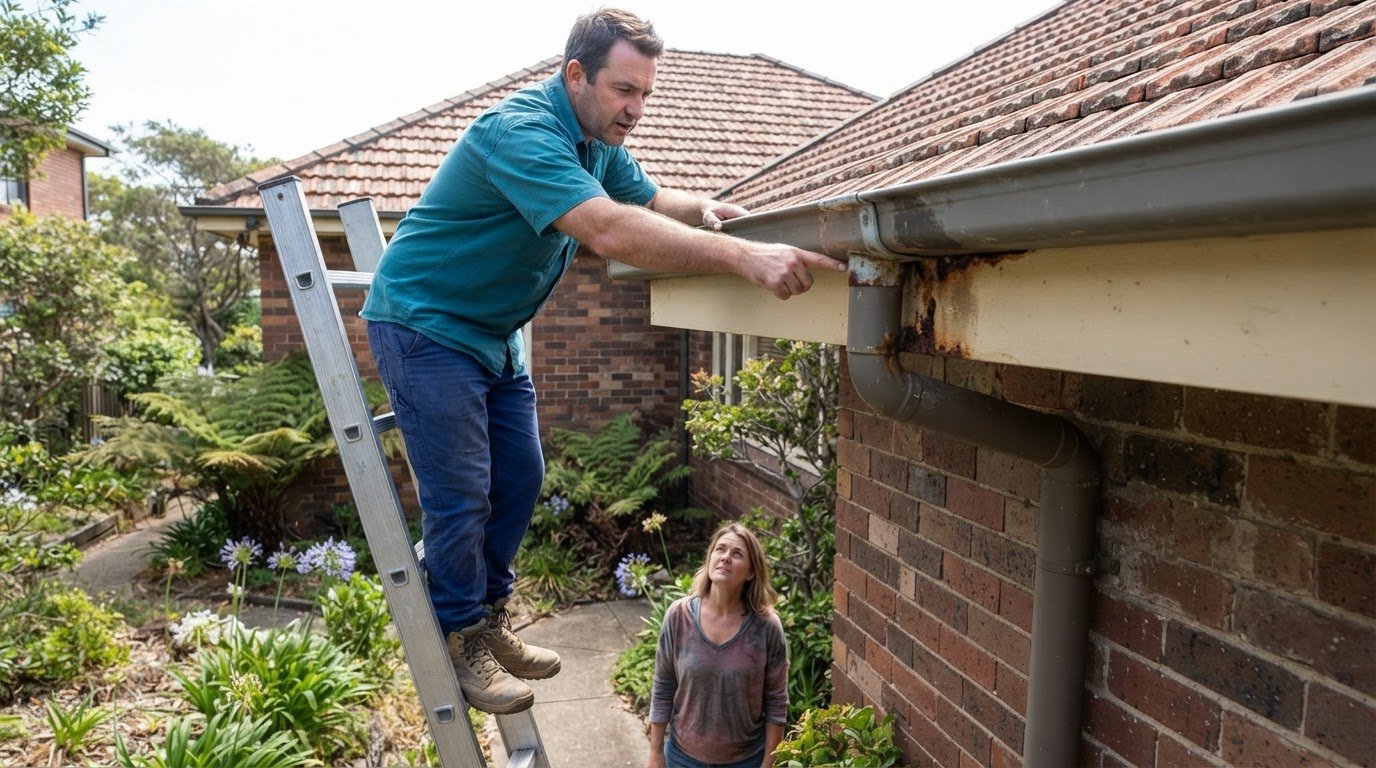
Roof Plumbing Expert provides Gutter & Downpipe Installation and Roof Leak Detection & Repair when drainage issues or water ingress need attention. Membrane selection and preparation matter, but so does moving rainwater away from the roof. Blocked, damaged or poorly functioning gutters and downpipes can contribute to pooling and put extra pressure on roof junctions.
If you notice a leak, indoor staining or water collecting around roof edges, Roof Plumbing Expert’s Roof Leak Detection & Repair service can help identify the source and address the roofing issue. Gutter & Downpipe Installation is also relevant when existing drainage components need replacing to maintain effective runoff.
For help with roof leaks or guttering, contact Roof Plumbing Expert.
Take the next step towards a sound roof
Before planning waterproofing a flat roof, consider how the roof, drainage and weatherproofing details work together. A membrane may address the roof surface, while water entering at a junction or escaping through a damaged drainage point calls for a different repair. Identifying where the problem appears helps focus the assessment and avoid treating only the visible symptom.
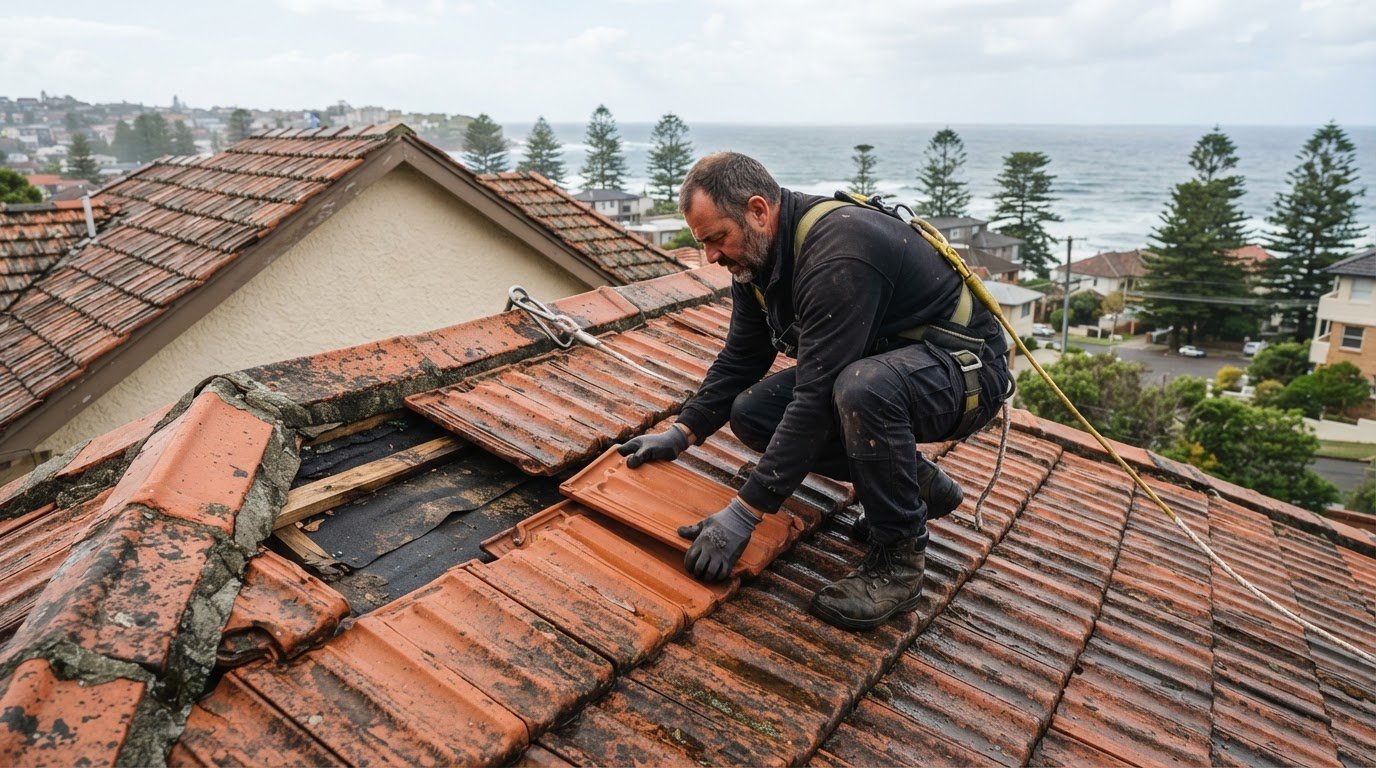
Roof Plumbing Expert provides Roof Leak Detection & Repair when water ingress needs investigating, and Gutter & Downpipe Installation when roof drainage needs attention. For broader roof work, Colorbond Roofing is also available. The right next step depends on the roof’s condition and the source of the problem.
Describe what you’ve noticed, such as water entry, visible roof damage or drainage concerns, when arranging an assessment. Contact Roof Plumbing Expert to discuss the roofing issue and work towards a practical way forward.
Frequently Asked Questions
Why Use Liquid Waterproofing for Flat Roofs?
Liquid waterproofing is useful on roofs with penetrations, corners and irregular details because it can form a continuous layer around them. Flexible systems, including polyurethane, can accommodate substrate movement, but still rely on proper surface preparation and even application. They won’t fix poor drainage or a damaged roof structure, so address those issues before coating.
How do you prepare and repair a flat roof before waterproofing?
Look for loose coatings, cracks, rust, open joints and areas where water collects. Remove dirt and loose material, then repair defects with materials compatible with the roof and membrane system. For example, fix a loose metal seam before coating over it. The surface must be dry and sound, and drainage outlets must remain clear so water can leave the roof.
How long do flat roof waterproofing membranes last, and what maintenance do they need?
Sheet membranes can last up to 50 years, but that figure isn’t a lifespan for every membrane type or installation. Check the product’s maintenance instructions and inspect the roof periodically, particularly after severe weather. Clear leaves from outlets and look for lifting edges, damaged junctions or punctures. Addressing visible wear early helps prevent small defects becoming water entry points.
How do climate, UV exposure and coastal conditions affect flat roof waterproofing in Australia?
Sun and heat influence membrane selection, making UV stability and heat-reflective properties important considerations. Rainfall affects drainage needs, while saltwater chloride can contribute to concrete corrosion near the coast. For a property in Mainly Beach, consider its actual coastal exposure, roof material and local rainfall when choosing a system. These factors help determine suitable membranes and protective details.