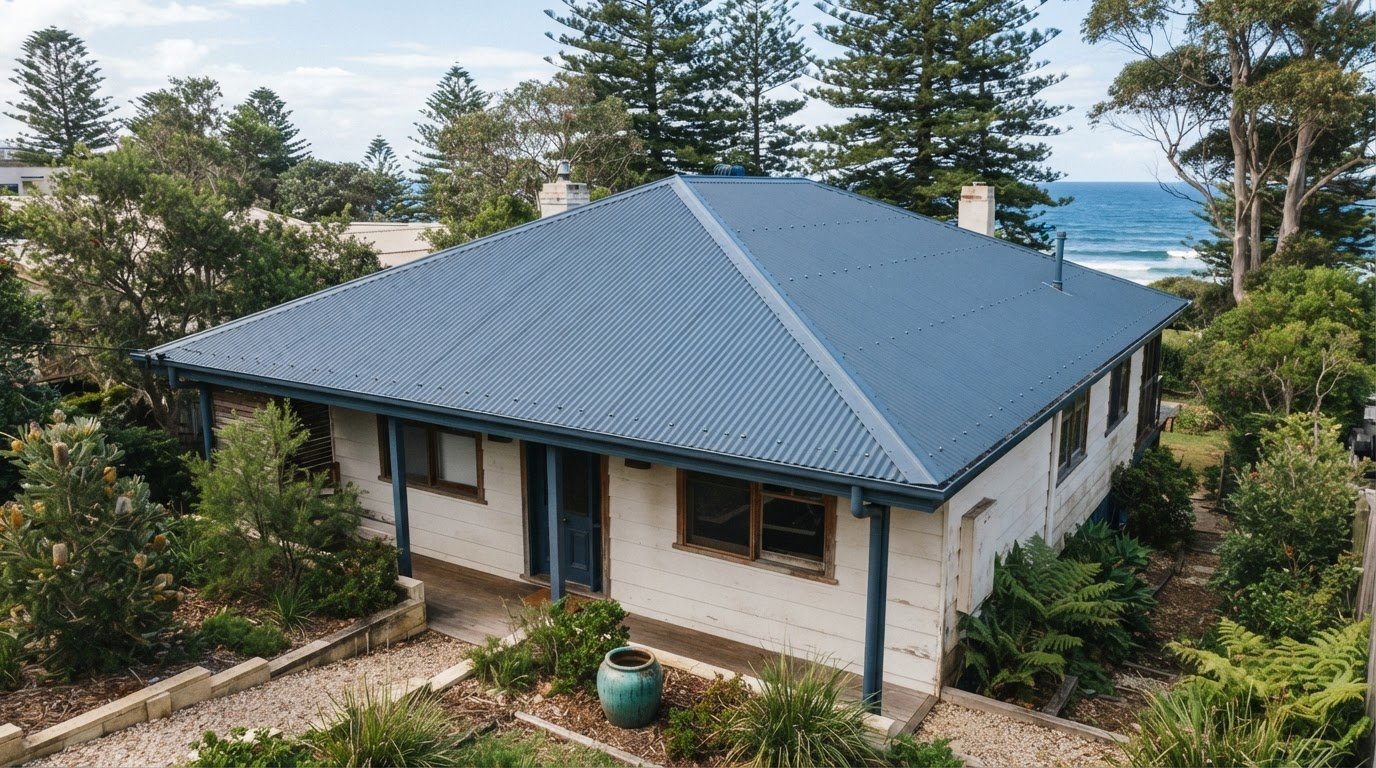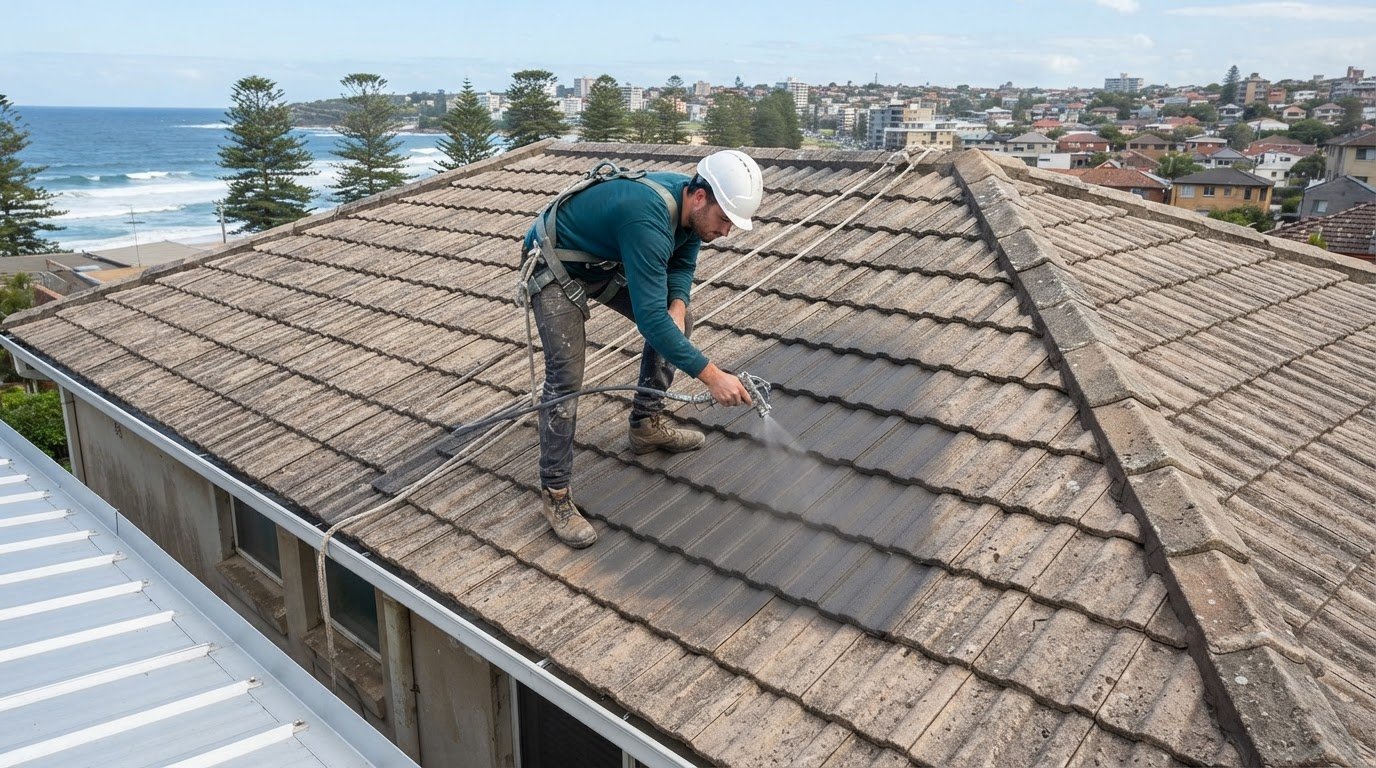
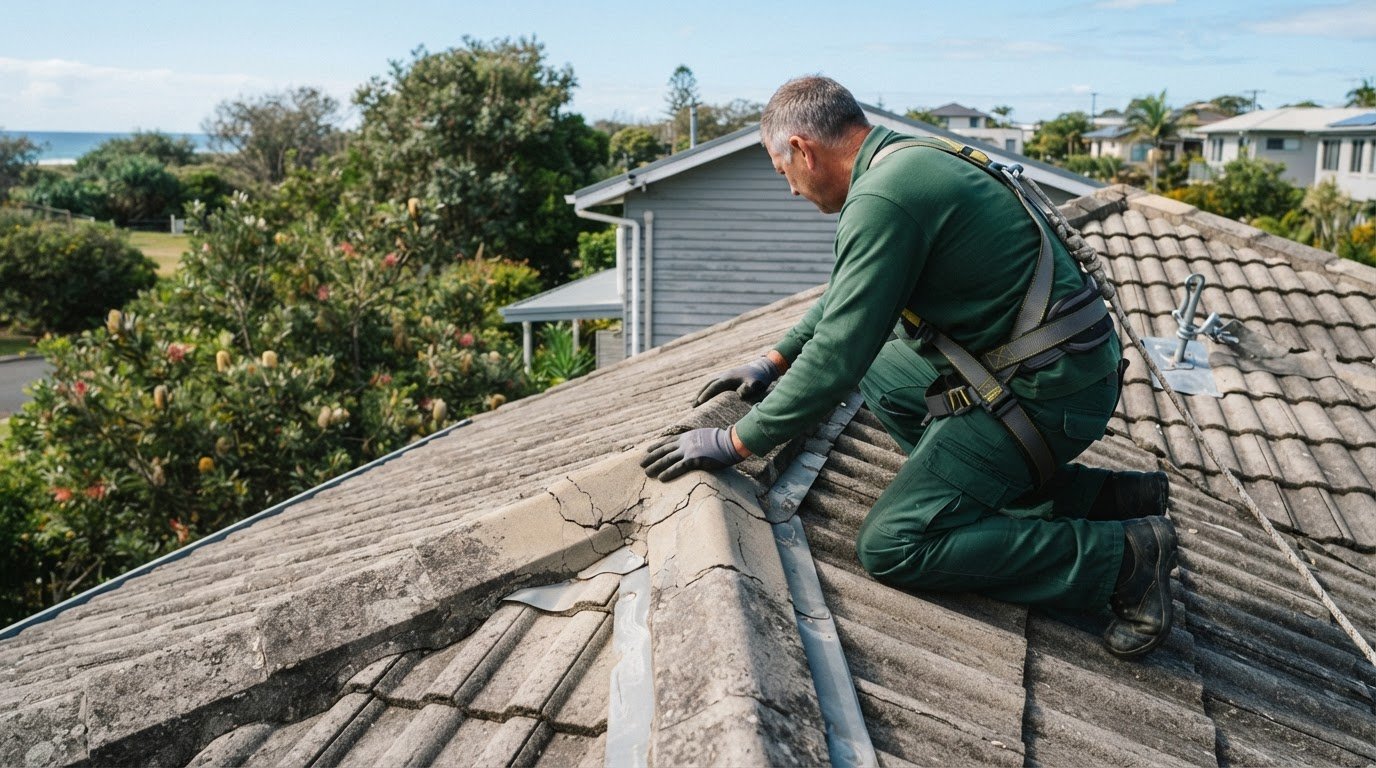
Replacing a roof isn’t always the first sensible step. Extending the life of your roof can be realistic when the covering and underlying structure remain sound, and maintenance addresses wear before it spreads. In Australia, metal roofs can last 40 to 70 years, while clay or concrete tile roofs can last 50 to 100 years with proper maintenance. The roof’s material and current condition both matter.
It’s understandable to want a clear answer before committing to major roof work. This article explains how to judge whether your roof has more serviceable years ahead, how debris and treatments affect its condition, and how restoration compares with replacement. You’ll also learn what shapes the decision, from visible damage to the condition beneath the surface. A careful assessment helps distinguish maintenance that can support a sound roof from repairs that may no longer be enough.
Key Takeaways
- Use the roof’s material, age and visible condition to judge whether maintenance may extend its useful life.
- Keep gutters and roof surfaces clear so trapped debris and moisture are less likely to contribute to deterioration.
- Assess whether a treatment suits the roof’s condition and understand what its warranty covers before relying on it.
- Compare restoration with replacement by considering the extent of damage and whether the underlying roof remains sound.
1. What Is the Average Lifespan of a Roof?
Extending the life of your roof starts with regular inspections, prompt repairs and keeping water moving off the roof. Metal roofs can last 40 to 70 years, while clay or concrete tile roofs can last 50 to 100 years with proper maintenance. An asphalt shingle roof generally lasts 20 to 30 years. Material, installation quality and exposure to weather all influence its service life.
Homeowners should schedule a professional inspection annually, with extra attention after severe storms. Roofs aged 10 years or more are also identified as needing inspection. Some experts recommend inspections at least twice a year, usually in spring and autumn. A roofer can assess the covering, roof edges, chimney junctions, flashing and drainage without relying only on what’s visible from the ground.
Regular inspections can reveal cracked tiles, missing shingles, rust, damaged flashing, water stains and leaks before deterioration spreads. They also help determine whether the roof is suitable for maintenance or needs more extensive work. The result is a clearer understanding of its condition and which repairs matter most.
To extend roof life, arrange inspections, clear accumulated debris, keep gutters flowing and address small defects promptly. After storms, have a professional check for shifted tiles, lifted edges and water entry. Avoid walking on the roof: foot traffic can damage tiles or shingles and create new paths for leaks.
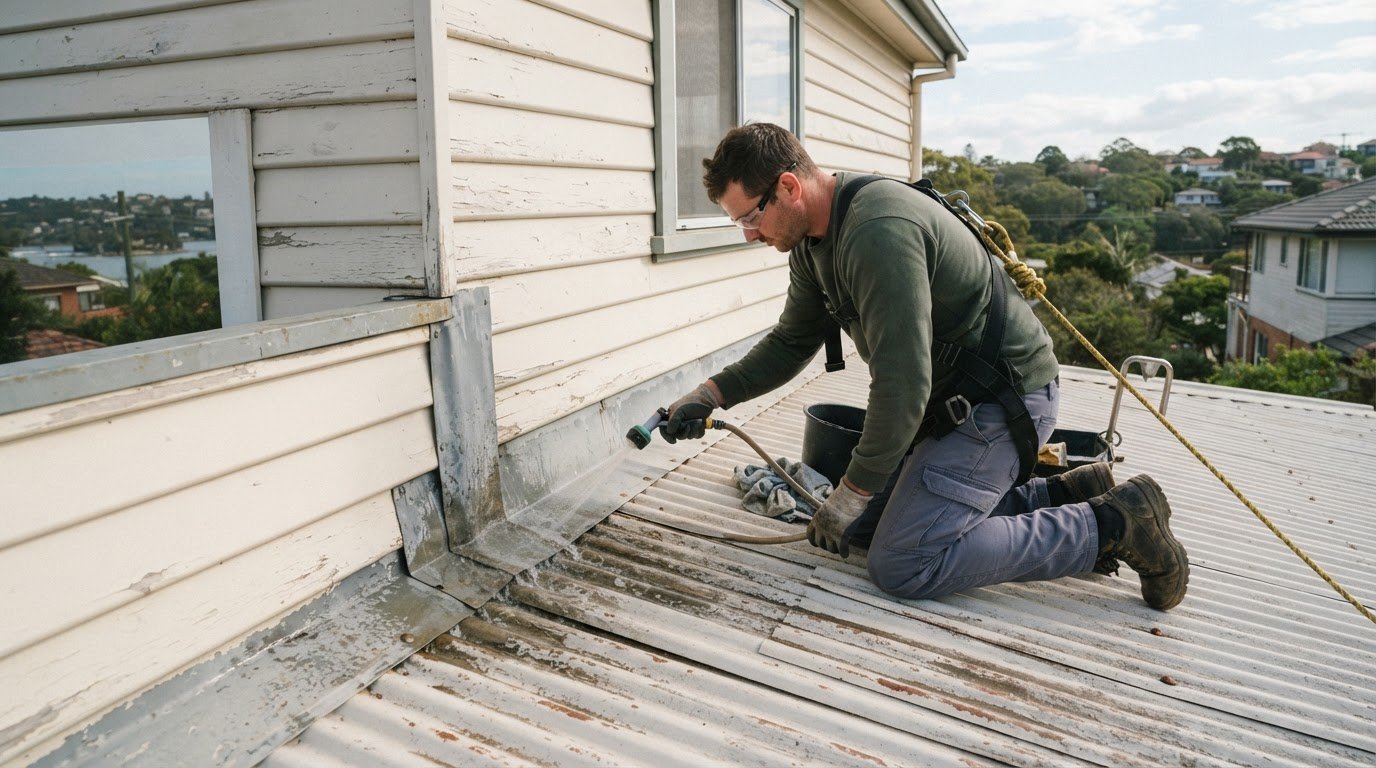
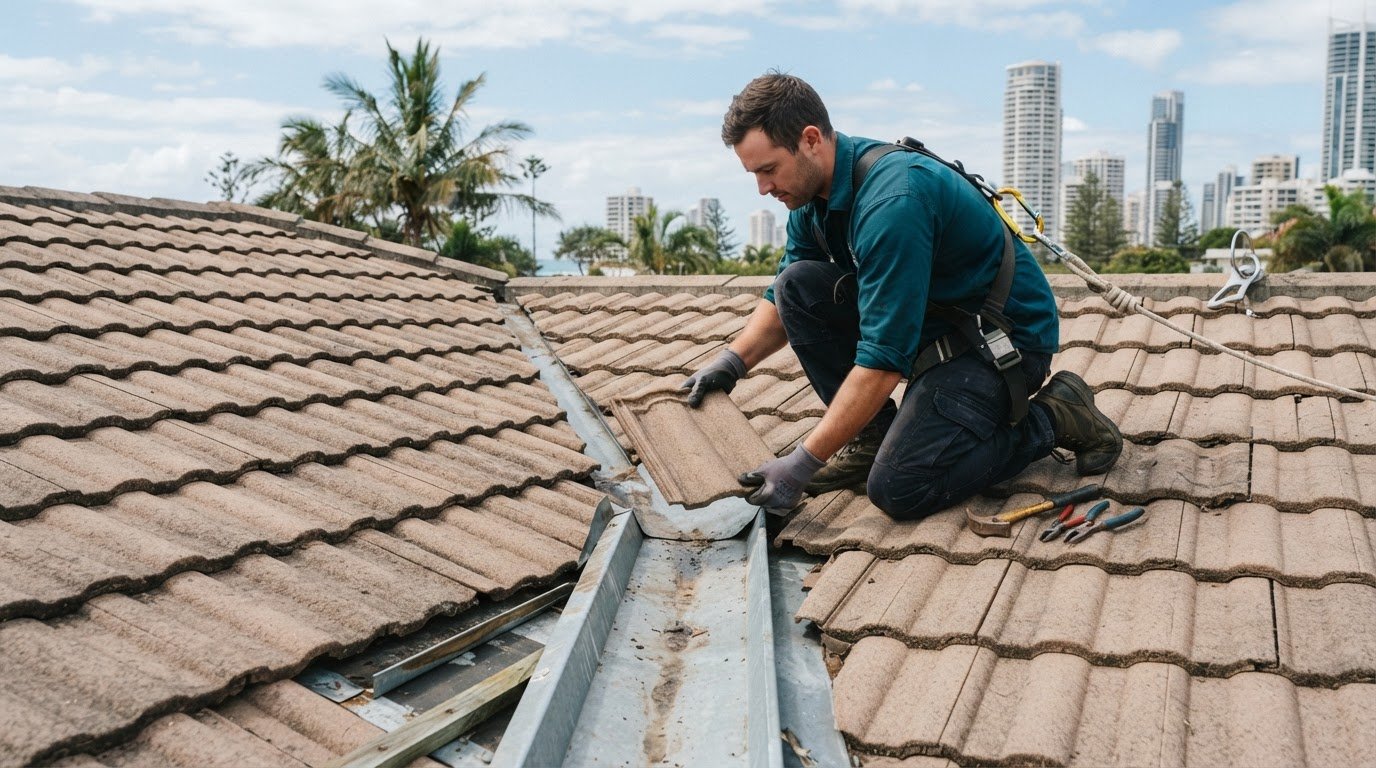
Leaks, cracked tiles, rust and damaged flashing need repairs suited to the specific defect. A roofer can trace water entry, replace broken tiles or shingles, repair or replace affected flashing, and address corroded metal. Roof Leak Detection & Repair identifies the leak source, while Roof Flashing & Waterproofing addresses vulnerable roof junctions. Widespread deterioration or recurring leaks may mean replacement is more practical than isolated repairs.
2. Clearing roof debris
Leaves, twigs and dirt can build up in roof valleys, behind chimneys and inside gutters. Blockages slow drainage and keep water in contact with roofing for longer. Clear gutters at least twice a year and after storms, when fallen branches and leaf litter can quickly block downpipes. Keeping drainage paths clear helps direct water away from the roof and building.
Overhanging trees add to the debris load. Trim branches that hang over the roof, and keep them 6 to 10 feet from it where possible. This reduces leaves and wind-blown branches landing on the roof. On flat roofs, remove debris and silt from areas that stay damp. Persistent moisture can contribute to rust and corrosion, particularly on metal roofing.
Algae and mildew can discolour roof surfaces and hold moisture against some materials. Choose a cleaning method suited to the roof material, and avoid forceful scrubbing or pressure that could damage the surface. A hose-applied enzyme cleaner may need to sit for about a day or until the next rain before rinsing away. Follow the product directions and check that the treatment is suitable for the roof material.
DIY roof maintenance carries a fall risk, particularly on wet or steep surfaces. Stay off the roof and clear accessible gutters from a stable position; leave roof-level debris removal and cleaning to a professional. Never risk an unsafe climb for a quick clean.
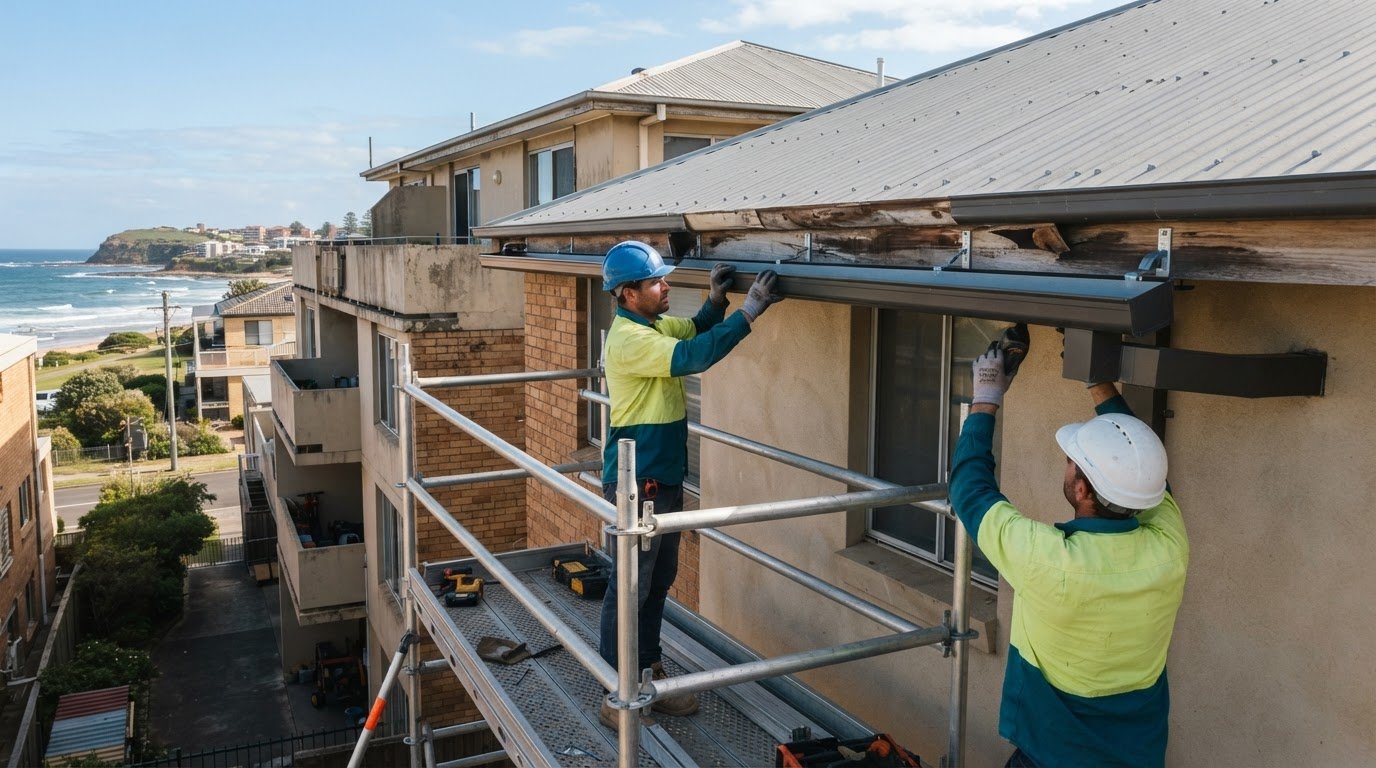
Debris removal also helps reveal problems that leaves can conceal, including blocked outlets, damaged coating or failed sealing. Clearing buildup does not repair those defects, so arrange an assessment if water continues pooling or corrosion is visible. For persistent gutter blockages or drainage problems, Gutter & Downpipe Installation can address the system’s capacity and route water away from the roof. Keeping gutters clear and drainage working supports better roof upkeep.
3. Treatment warranty and expected lifespan
A roof treatment may improve the surface, but it doesn’t reset the roof’s age or repair structural damage. Before applying a coating or sealant, assess the material, existing defects and product compatibility. Treatment is most useful when the underlying roof is sound. Widespread corrosion, brittle coverings or recurring leaks need closer assessment first.
Warranty terms matter. Read the treatment and roofing product documents for covered work, maintenance conditions, exclusions and the claims process. A coating warranty may cover the coating itself, not the roof structure or later damage from leaks. Keep treatment records and inspection notes together to make the work and maintenance history clear.
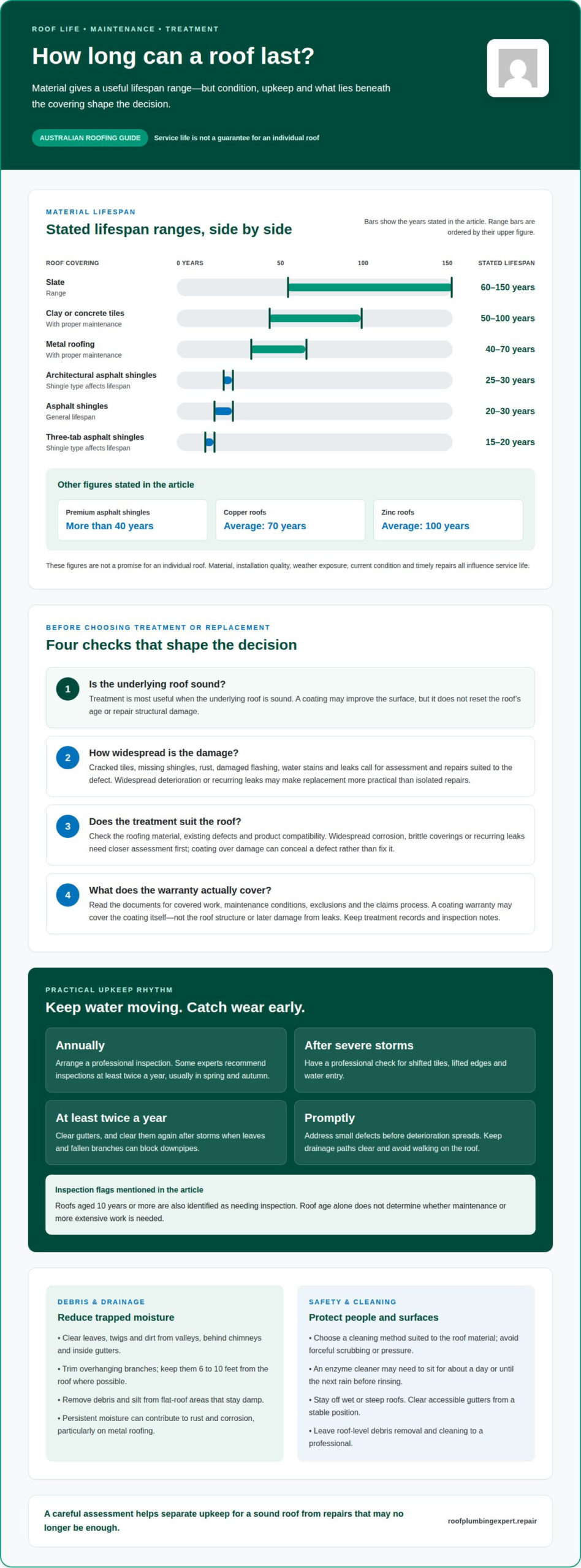
Expected lifespan varies by material and upkeep. Metal roofing can last 40 to 70 years, while clay or concrete tiles can last 50 to 100 years with proper maintenance. Asphalt shingle roofs typically last 20 to 30 years. Slate roofs may last 60 to 150 years; copper roofs average 70 years, while zinc roofs average 100 years.
Shingle type also affects lifespan: three-tab asphalt shingles typically last 15 to 20 years, compared with 25 to 30 years for architectural shingles. Premium asphalt shingles can last more than 40 years. These ranges aren’t a promise for an individual roof. Installation quality, weather exposure and timely repairs all influence how long the covering performs.
Australian building requirements and written warranty conditions can affect repair and maintenance decisions. Requirements depend on the work and its location, while the warranty defines its coverage and exclusions. Have missing shingles, rust or failed sealing assessed before treatment: coating over damage can conceal a defect rather than fix it. Prompt repairs can help prolong service life, but treatment cannot make an unsuitable roof sound.
4. Rejuvenation costs compared with replacement
Roof rejuvenation may cost less upfront than replacing an entire roof, but a lower initial outlay doesn’t automatically make it the better choice. The key question is whether treatment addresses the roof’s condition or only improves its surface. If the covering and structure remain sound, targeted restoration may defer replacement. If damage extends beneath the covering, treatment can leave the underlying problem unresolved.
Compare what each option involves. Restoration may include surface preparation, repairs, sealing or coating. Replacement involves removing the existing covering and installing new roofing; the scope depends on access, roof shape, material and concealed damage. Cost also depends on roof area and required repairs, so it is determined through a project-specific quote.
Consider an asphalt shingle roof with missing shingles after branches fall. Replacing the missing shingles may fix local damage, but ongoing leaks can also damage the roof deck or interior. A coating won’t restore deteriorated materials or fix defects underneath. Widespread damage, recurring leaks or a compromised structure point towards replacement rather than surface treatment.
Compare expected work over time, not just the first invoice. A treatment may need further maintenance, while replacement brings new materials and their own upkeep requirements. Ask for a clear scope that identifies repairs, preparation, coating or sealing, and any work excluded. This makes it easier to judge whether rejuvenation solves the cause or postpones a larger job. If damage centres on a leaking or deteriorated skylight, arrange skylight replacement or repair to address that specific part of the roof.
Roof Plumbing Expert: Colorbond Roofing
Roof Plumbing Expert provides Colorbond Roofing and roof work suited to your home’s condition in Mainly Beach. If an inspection finds isolated leaks or damaged sections, Roof Leak Detection & Repair can address the source. Roof Restoration & Repointing may suit a roof that needs restoration rather than full replacement, while Gutter & Downpipe Installation can address drainage issues affecting how water leaves the roof.
The right next step depends on the roof covering, the extent of deterioration and whether the underlying roof remains sound. Clear findings help you decide whether repair, restoration or replacement is practical. Contact Roof Plumbing Expert to discuss your roof and the work it may need.
Make your next roof decision with clarity
Turn what you’ve noticed into a clear understanding of the roof’s condition. A professional assessment can distinguish an isolated defect from wider deterioration, helping you decide whether repair, restoration or replacement is the practical option. Extending the life of your roof starts with addressing the actual cause, not relying on surface treatment alone.
Roof Plumbing Expert can address the issues behind that decision, including leaks, drainage concerns and roofing work in Mainly Beach. Services include Roof Leak Detection & Repair, Gutter & Downpipe Installation and Colorbond Roofing. The right approach depends on the roof and the work required, so a clear assessment is a useful starting point.
For practical advice about your roof’s next step, contact Roof Plumbing Expert. A sound decision can help you protect your home with confidence.
Frequently Asked Questions
Can You Actually Extend the Life of Your Roof?
Yes, extending the life of your roof is possible when it remains structurally sound and maintenance targets the cause of wear. For example, repairing a failed junction and improving drainage can help prevent repeat water entry. Treatments won’t make severely deteriorated materials sound again, so the roof’s condition matters more than its appearance. A professional assessment can distinguish repairable wear from broader failure.
What Is the Average Lifespan of a Roof?
There is no single average lifespan for every roof, because materials and conditions differ. Age is a useful starting point, not a complete diagnosis. For a practical estimate, consider the roof covering alongside installation records, previous repairs and signs of water entry. A roofer can assess the roof’s condition and vulnerable junctions.
How long do different roofing materials last in Australia?
Material makes a substantial difference: aluminium roofing can last 35 to 50 years, while steel roofing can last 30 to 50 years. Wood shake and shingle roofs typically last 25 to 30 years, and may reach 50 years with proper maintenance. These are expected ranges, not a guarantee for an individual roof. Installation quality, upkeep and weather exposure all affect performance.
How often should Australian roofs be inspected and maintained?
Arrange a professional roof inspection annually, and consider another after severe storms or visible damage. Between inspections, keep gutters clear and note changes such as water stains, loose roof components or corrosion. Don’t climb onto the roof to investigate; a professional can assess valleys, junctions and drainage safely. Regular attention helps identify emerging problems before water reaches the roof space or interior.
Does roof painting or sealing extend roof life, and how much does it cost?
Painting or sealing can support a roof in sound condition, but won’t repair cracked tiles, corrosion or damage beneath the surface. Preparation and repairs need to suit the roofing material for treatment to perform properly. Cost depends on roof area, access, surface condition and the preparation required. Request a project-specific quote to establish the cost for the work involved.