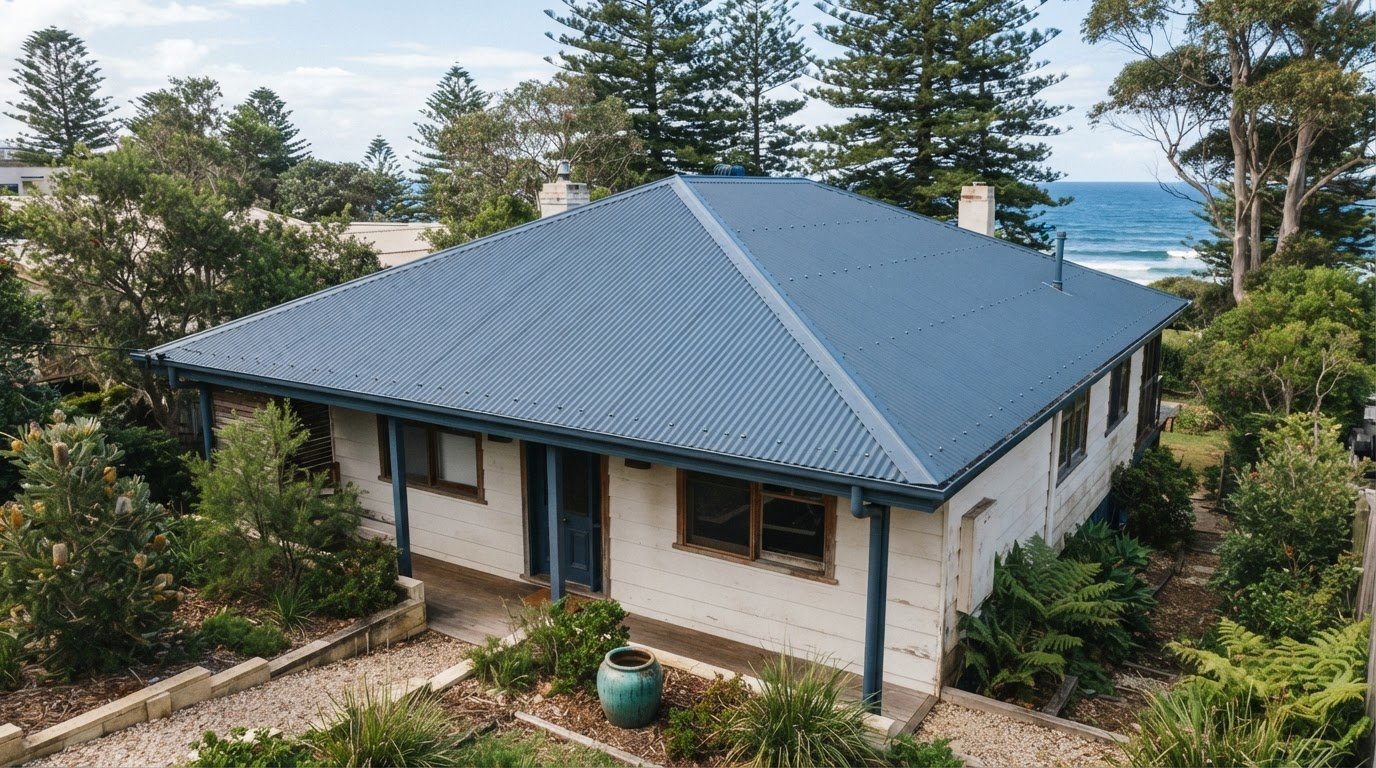
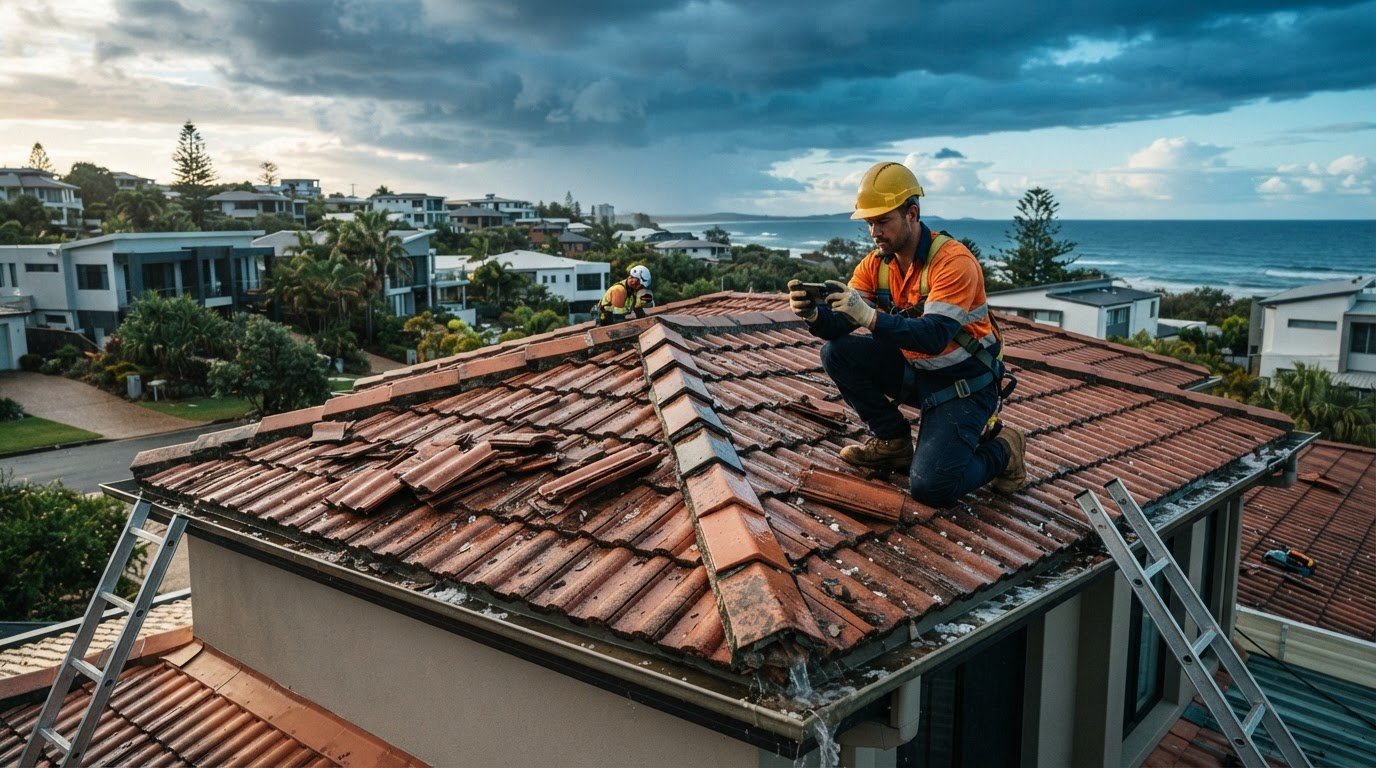
A storm-damaged roof may support an insurance claim when sudden wind, hail or falling objects cause the damage. An insurance claim for roof storm damage may also include resulting internal water damage, even if the insurer disputes the cost of repairing the roof. Cover depends on your policy and evidence showing how the damage occurred.
It’s easy to assume that visible leaks or stained ceilings will settle the question, but insurers may distinguish storm damage from existing wear, age or maintenance issues. Many policies specify a timeframe for lodging a claim, typically 30 to 60 days after the damage occurs, so prompt reporting and clear records matter.
This article explains which storm damage may support a claim, why insurers may reject or limit one, and how to document damage to the roof and interior. It also covers what to expect from an insurer’s assessor and how to take a dispute to the Australian Financial Complaints Authority (AFCA) if the insurer’s internal complaint process does not resolve it.
Key Takeaways
- Look for evidence that wind, hail or a falling object caused sudden roof damage, and distinguish it from gradual deterioration.
- Photograph damage inside and outside before cleanup, and keep a clear record of affected roofing materials and belongings.
- Contact your insurer promptly and keep the assessor’s findings, weather evidence and repair scope together.
- Understand how maintenance concerns, delayed reporting or incomplete documentation can affect a claim decision.
- If the insurer’s internal complaint process doesn’t resolve your dispute, you can seek a free, independent review through AFCA.
Will insurance claims cover roof repairs after a storm?
An insurance claim for roof storm damage may cover repairs when a sudden storm event caused the damage and your policy includes that event. The insurer assesses the evidence against the policy terms, so records linking the damage to the storm are important.
Documenting Roof and Interior Damage
A damage record captures what the storm affected, both inside and outside your property. It helps connect water stains, damaged belongings and a suspected roof entry point to the same event.
Take photographs and video before cleanup, including wide views and close-ups of affected areas. For example, record a ceiling stain, the room below it and visible roof damage from a safe position. Don’t climb onto a damaged roof. If water has entered, photograph soaked items before removing them when they may pose a health risk. These images can help distinguish separate areas of damage during assessment.
Recording Damaged Materials
Document affected roofing components and belongings before disposal or repair. Insurers may limit a claim when damaged items are missing from the scope of works because they were not recorded.
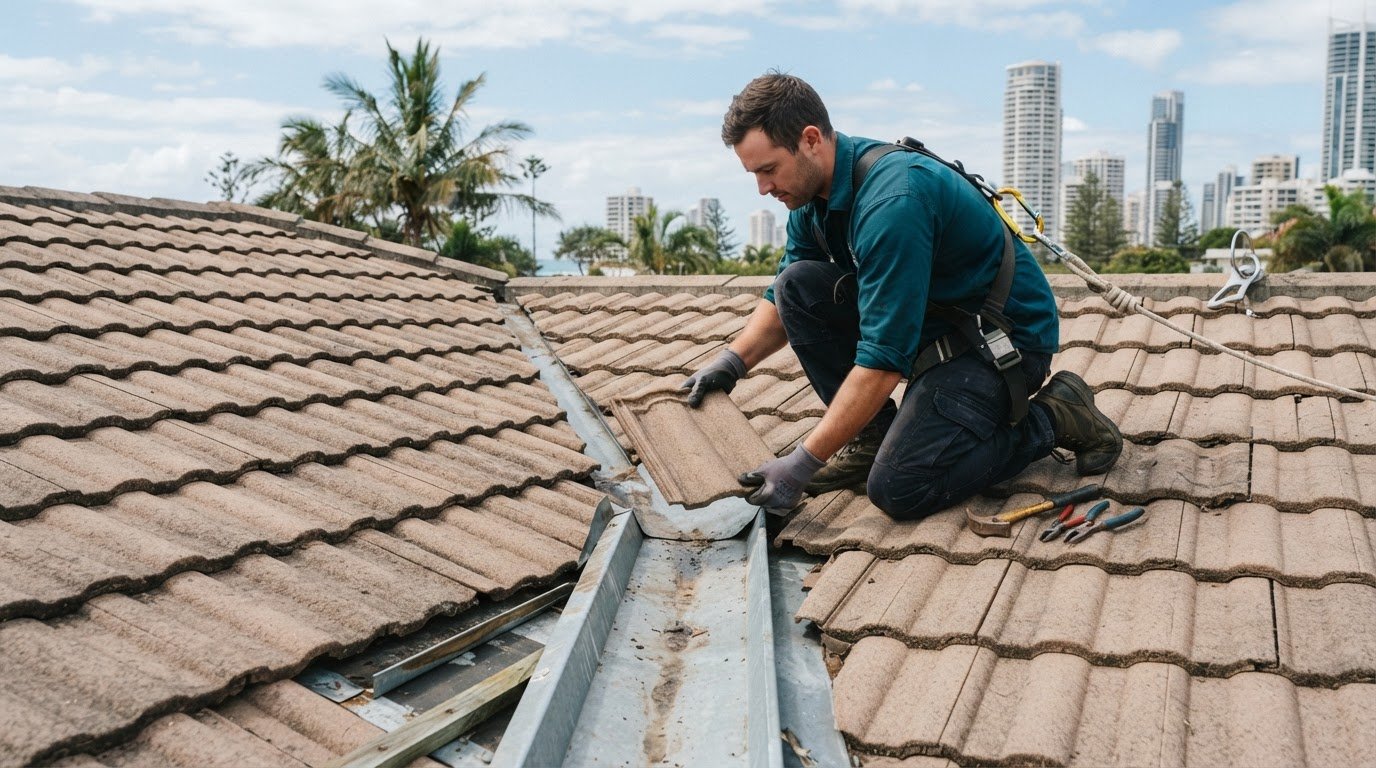
Photograph displaced tiles, dented metal sheets, damaged flashing and other affected materials in place. Make a written list of damaged belongings, including each item’s brand, model and serial number where possible. Keep damaged materials until they have been assessed, unless they pose a health risk. If removal is necessary, photograph them first and save the images with your claim records.
Claim Documentation and Approval
Claim documentation is the evidence an insurer uses to assess reported damage and decide what work may be covered. A dated record can clarify what happened and which parts of your property were affected.
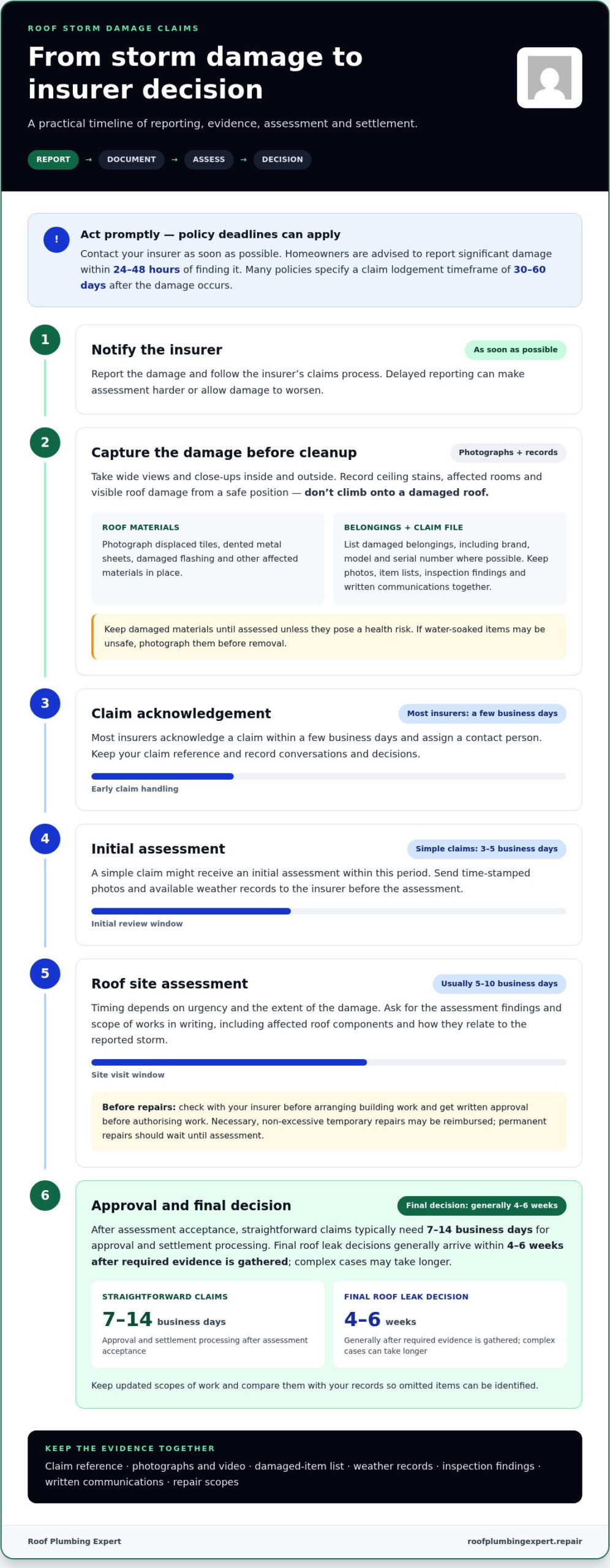
Contact your insurer promptly and follow its claims process. Many policies specify a filing timeframe of 30 to 60 days after the damage occurs. Keep the claim reference, photographs, item list, roof inspection findings and written communications together. Check with your insurer before arranging building work, including emergency repairs. Necessary, non-excessive temporary repairs may be reimbursed, but permanent repairs should wait until assessment.
After required evidence is gathered, insurers typically communicate final roof leak claim decisions within 4 to 6 weeks; complex cases may take longer. For an insurance claim for roof storm damage, keep copies of updated scopes of work and compare them with your records to identify any omitted items.
Storm Repair Rules and Licensed Roofers
Rules for storm repairs and roofer licensing vary between Australian states and territories, and may depend on the work involved. For a property in Mainly Beach, the relevant requirements are those applying in its state.
Before permanent repairs, ask your insurer in writing how to handle emergency work and keep its response with your claim file. For strata properties, establish whether the damaged roof or affected area is common property, as this may determine who manages the claim and repairs. Keep written approvals, inspection findings and repair records to support a clear handover between the insurer and those arranging the work.
Liaising with insurers and assessors
Contact your insurer promptly, then keep a clear record of conversations, assessments and decisions. Time-stamped photos, weather records and a written repair scope can help link the roof damage to the storm.
Roof Damage Assessments and Reports
A roof damage assessment records visible damage, likely entry points and the work needed to address it. A clear report helps the insurer compare your evidence with the assessor’s findings.
Ask for the assessment findings and scope of works in writing. A useful report describes affected roof components, such as tiles, metal sheets or flashing, and explains how the observed damage relates to the reported storm. Send time-stamped photos and available weather records to the insurer before the assessment.
You can ask to use your own roofer, but the insurer’s repair process determines how that choice is handled. Get written approval before authorising work. A professional roof inspection report can help clarify disputed damage; for an active leak, roof leak detection and repair can identify the affected area.
Assessment and Settlement Timelines
Assessment and settlement timelines cover the stages between lodging a claim and receiving the insurer’s decision. Knowing the likely sequence helps you follow up without mistaking an inspection date for claim approval.
Most insurers acknowledge a claim within a few business days and assign a contact person. A simple claim might receive an initial assessment within 3-5 business days. Roof site assessments are usually conducted within 5 to 10 business days, depending on urgency and damage extent.
After assessment acceptance, straightforward claims typically need 7-14 business days for approval and settlement processing. Final roof leak decisions generally arrive within 4 to 6 weeks after required evidence is gathered, while complex cases can take longer. If urgent financial need affects you, ask the insurer about fast-tracking; an advance payment may be made within five business days after demonstrating that need, and may be deducted from the claim total.
Notifying the Insurer and Arranging Emergency Repairs
Notify your insurer as soon as possible after discovering storm damage. Homeowners are advised to contact the insurer within 24-48 hours of finding significant damage; delayed reporting can make assessment harder or allow further deterioration.
Before emergency repairs, ask the insurer in writing what work it authorises and how it wants the damage recorded. Temporary make-safe work can prevent further loss, but keep photographs and receipts, and preserve damaged materials where safe. Do not begin permanent repairs before the insurer assesses the roof.
While waiting for an assessor, keep the access area clear and prepare your claim reference, storm date, photos and a concise damage list. If the assessor’s report omits a damaged room or roof component, send a written correction with relevant images. This creates a clear record for the insurer’s review.
Common reasons roof claims are rejected
Insurers commonly reject roof claims when they attribute damage to age, pre-existing faults, poor maintenance or late reporting. The key question is whether the evidence links the damage to a sudden storm event rather than an existing roofing problem.
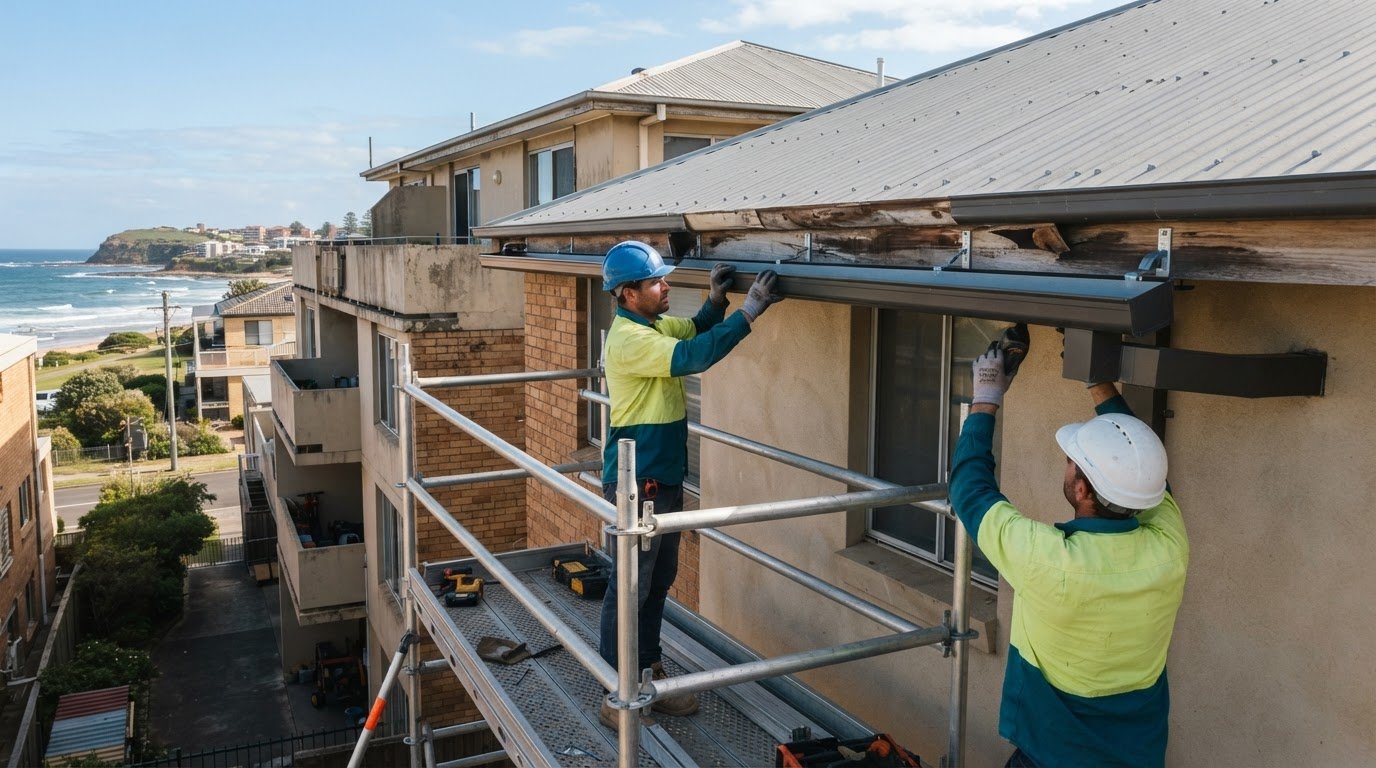
Storm damage can include hail dents in metal roofing, cracked roof tiles or damage from falling trees and branches. Severe wind can also damage gutters and other roof components. Insurers consider the reported cause and the roof’s condition, so records showing the damage after the storm can help establish the sequence of events.
Age and pre-existing damage can complicate a claim. For example, an insurer may attribute a leak to long-term deterioration if records or an inspection show existing rust or worn roofing. A storm occurring around the same time does not, by itself, prove that it caused every defect. Compare earlier property photos or maintenance records with post-storm images, where available, to clarify what changed.
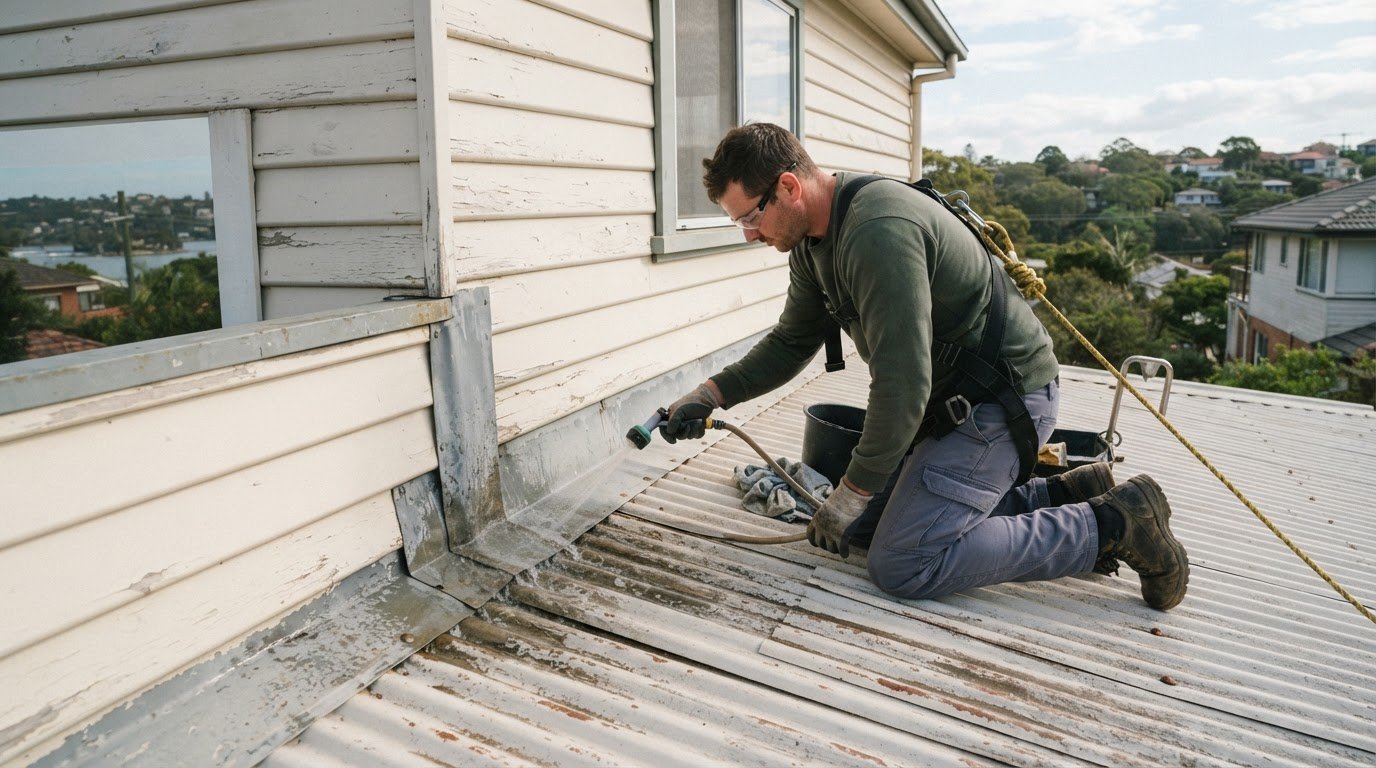
Maintenance issues are another common reason for rejection. Blocked gutters or roof valleys, rusty roofing, faulty flashings and accumulated debris can point to problems that developed over time. A roof pitch that is too low, incorrectly installed flashings or undersized box gutters may also be treated as maintenance issues. These conditions can affect how an insurer assesses a leak, even if heavy rain exposed it.
Timing matters, too. Claims lodged long after a storm are commonly rejected, particularly if the delay prevented proper assessment or allowed further deterioration. Report damage promptly, record when you discovered it, and keep dated photos and communications. If water staining appears after a storm, note when it first became visible and where it sits beneath the suspected roof entry point.
Gaps in documentation can also limit what the insurer considers. If damaged belongings or roofing materials are not recorded, they may be left out of the scope of works. Photograph damaged items and affected roof areas before disposal or permanent repairs. If the insurer’s report attributes damage to maintenance, compare its stated cause with the visible storm damage and your records. Ask for the reasoning in writing and respond with specific evidence, such as photos of a fallen branch beside damaged tiles or hail impact marks on metal roofing.
Storm damage that may support a roof claim
An insurance claim for roof storm damage may be supported when evidence links a sudden event to specific damage. In Australia, wind, hail and falling objects can cause storm-related roof damage. Your policy wording and the evidence determine whether repairs are covered.
Hail can dent metal roofing, crack tiles and damage skylights or solar systems. Record the type and location of each impact: a dented sheet, fractured tile or cracked skylight gives the insurer a clearer account than a general reference to hail. If rain entered the home, document roof damage and interior effects as separate parts of the claim.
High winds can lift or displace roofing materials, damage gutters and affect other roof components. A fallen tree or branch may strike the roof, break tiles or damage a skylight. Photos showing a branch beside fresh impact damage can help illustrate a possible link to the roof damage. Damage appearing after high winds does not, by itself, establish the cause.
Water ingress can also follow storm damage. Rain entering through a damaged roof may stain ceilings or affect belongings. Some policies may cover resulting internal water damage even when the insurer disputes the roof repair. Describe the entry point, affected rooms and damaged items separately so each can be assessed on its own evidence.
Make your evidence specific. Note whether damage appears on a particular roof slope, beneath a cracked tile, around a skylight or near a fallen branch. Take wide photos showing the roof section, then close-ups of dents, cracks or displaced materials. Keep observations about older marks distinct from damage that appeared after the storm.
One event can affect several parts of a property, but coverage may differ between them. A claim could involve roof repairs, damaged components or resulting interior damage. If the insurer accepts internal damage but disputes roof repairs, ask for its reasons and scope in writing. Compare those details with the evidence for each affected area.
For an insurance claim for roof storm damage, show what was affected, where it occurred and how the evidence relates to the storm. A cracked tile near a fallen branch, hail dents across metal roofing or a damaged skylight are concrete observations. Clear, location-specific records help the insurer assess each part of the claim.
What counts as storm damage versus wear and tear or poor maintenance in Australia?
Insurers distinguish damage caused by a sudden storm from deterioration that developed gradually. For a property in Mainly Beach, the assessment centres on the reported cause, the roof’s condition and evidence showing when the damage appeared. A leak noticed after a storm is relevant, but timing alone does not establish its cause.
Sudden damage may leave a clear, localised change, such as a displaced roof sheet or a broken component after severe wind. By contrast, rust across a roof section or a recurring leak around worn flashing can indicate a problem that developed over time. The physical pattern matters: an isolated break differs from corrosion spread across several sheets.
Maintenance concerns can include blocked gutters or roof valleys, rusty roofing or gutters, faulty flashings and roof debris. A roof pitch that is too low, incorrectly installed flashings or undersized box gutters may also affect drainage. If water enters during heavy rain, an insurer may consider whether a storm damaged the roof or exposed a pre-existing drainage or installation problem.
Build a timeline from records you already have. Compare earlier property photos, maintenance notes or invoices with the roof’s condition after the storm. Record when a leak first appeared and where it became visible. For example, a new stain beneath a displaced tile is useful context; a longstanding stain near corroded flashing may point to an earlier issue. Describe what you can see without presenting an unverified cause as fact.
Storm damage and maintenance issues can occur together. A falling branch might break a tile above a gutter that already contains debris. Document each condition separately and ask the insurer to explain how it treated each part. Its written assessment should clarify which damage it attributes to the storm and which it considers the result of deterioration or maintenance.
If the insurer identifies a pre-existing fault, compare its reasoning with the roof’s condition before and after the event. Point out specific differences, such as a new break beside an older area of rust, and provide dated records that support your account. This keeps the discussion focused on the cause and extent of each defect, rather than treating the whole roof as one issue.
For a leak with an unclear entry point, arrange a roof leak assessment to identify the affected area and document its condition. Keep the findings with your property records and the insurer’s assessment. The practical distinction is the evidence of cause: sudden, identifiable damage differs from signs of gradual deterioration or unresolved maintenance.
Roof Plumbing Expert: Gutter & Downpipe Installation
Roof Plumbing Expert can address storm-related roof and drainage damage with Gutter & Downpipe Installation and Roof Leak Detection & Repair. Use these services when damaged gutters overflow, downpipes are affected or a roof leak needs locating and repairing.
Where a storm has damaged roofing, Colorbond Roofing and Roof Restoration & Repointing may also be relevant to the repair work. Clear records of roof and interior damage can help you explain what you observed and discuss the required work alongside your insurance claim. Keep insurer approval and assessment requirements in mind before authorising permanent repairs.
For storm-related guttering or roof damage, contact Roof Plumbing Expert to discuss your property’s needs.
Plan the next step towards a sound roof
Once the insurer has made its decision, treat the claim outcome and the roof’s ongoing condition as related but separate matters. Approved work may address the reported loss, while drainage paths, roof junctions or other existing issues may still need attention. Consider how the roof and gutters work together when planning repairs, rather than focusing only on the most visible damage.
For an insurance claim for roof storm damage, match the insurer’s accepted scope with the physical work your property needs. Roof Plumbing Expert offers Gutter & Downpipe Installation, Roof Leak Detection & Repair, and Colorbond Roofing. These services address drainage problems, active leaks and damaged roofing, helping you plan the next stage with the roof’s condition in view.
Keep the insurer’s requirements in mind before arranging permanent work, and discuss any roof problem that remains after the claim decision. A clear repair plan can help you move forward.
Contact Roof Plumbing Expert to discuss your roof or guttering needs and take the next step with confidence.
Frequently Asked Questions
Can a hail damaged roof be repaired?
Yes, hail-damaged roofing can often be repaired when damage is limited to individual components. A roofer can assess whether dented metal sheets, cracked tiles, flashing or a skylight need repair or replacement. For example, isolated cracked tiles may require different work from widespread impact damage or a compromised roof structure. Keep the repair findings separate from the insurer’s decision about what your policy covers.
Does this affect my premiums?
A roof claim may affect your premium at renewal, but lodging a claim does not automatically mean your premium will rise. Insurers set renewal terms using their own rating approach and your policy details. Ask how a paid or declined claim is treated at renewal, and review the renewal notice for changes to the premium, excess or cover. Consider the excess and likely payout before proceeding with a small claim.
How long will it take?
A final decision on a roof leak claim typically arrives within 4 to 6 weeks after the insurer has gathered the required evidence. Complex claims may take longer, particularly if the cause or repair scope remains disputed. To keep the process moving, ask your insurer which documents are outstanding and whether the assessment has been completed. Keep a note of the response and any promised follow-up date.
So, what exactly is roof maintenance according to the insurance company?
Roof maintenance is routine care that keeps roof components in working order, rather than repair of sudden storm damage. Examples include clearing debris from gutters and valleys, addressing rust and maintaining sound flashings. An insurer may consider whether a defect developed gradually or existed before the storm. Keep maintenance invoices or inspection notes to show what work was completed and when.
Does Australian home insurance cover storm damage to a roof?
Australian home insurance generally covers roof damage caused by sudden events such as storms, hail and fallen trees, subject to the policy terms. A policy may treat roof repairs and resulting damage inside the home separately. Read the insured events, exclusions, excess and claim limits in your policy schedule. For example, an insurer may assess a sudden impact differently from gradual deterioration affecting the same roof area.
What evidence do Australian insurers require for a storm-damaged roof claim?
Insurers commonly need evidence showing the damage, its location and its connection to the storm. Alongside photographs, keep your claim reference, a dated description of what happened, any available weather information, and the assessor’s or roofer’s report. Save files with clear labels, such as “north roof slope” or “living room ceiling”, so each image can be matched to the relevant part of the claim.
How do roof insurance excesses, limits and depreciation affect claim payouts in Australia?
The excess is the amount you contribute towards an accepted claim, while a policy limit caps the amount payable for covered loss. Depreciation may reduce a payment when the policy calculates value after allowing for age or wear. Check whether your policy uses replacement value or another settlement basis, and whether separate limits apply to particular items. These terms can affect the amount payable even when damage is accepted.
What should I do if my Australian insurer rejects or underpays a roof storm damage claim?
Ask the insurer for its decision and reasons in writing, then compare the accepted scope with your photos, reports and damaged items. Identify specific omissions or disputed causes and submit a written complaint through the insurer’s internal dispute process. If that outcome does not resolve the issue, you can take the complaint to the Australian Financial Complaints Authority (AFCA) for a free, independent review. Keep copies of all claim communications.