
What gives a buyer more confidence: a cosmetic upgrade, or clear evidence that the roof has been cared for? For Australian homeowners, protecting home value with roof maintenance isn’t about promising a higher sale price. It’s about keeping the roof’s condition visible, addressing concerns before they worsen and making repair decisions based on evidence.
It can be hard to judge which signs need prompt attention, particularly if a roof issue could raise questions during a sale or inspection. Not every mark or ageing component calls for an upgrade, but leaks, blocked drainage, damaged flashing or failed waterproofing may need closer assessment. A measured approach helps distinguish practical maintenance from work that isn’t yet necessary.
This guide explains how roof condition can influence buyer confidence and how to prioritise maintenance according to the condition and potential risks. You’ll also learn when a roof plumbing specialist may be able to assess leaks, drainage, flashing or waterproofing, and what inspection notes, photos and repair records to keep. The aim is a clear history of care, not assumptions about what your property is worth.
Key Takeaways
- Protecting home value with roof maintenance means reducing avoidable deterioration and uncertainty, not expecting a guaranteed increase in sale price.
- Assess the roof as a connected system: damaged coverings, failing flashings and blocked gutters or downpipes can all affect water management.
- Use the roof’s condition and the urgency of any defect to decide whether routine maintenance, a targeted repair or further assessment is appropriate.
- Monitor visible changes from the ground and note drainage concerns after relevant weather, without climbing onto the roof.
- Keep clear inspection notes and repair records, and ask a suitable specialist to explain findings, work scope and what needs attention first.
How roof maintenance can help protect your home’s value
Protecting home value with roof maintenance means limiting avoidable deterioration and reducing uncertainty about the roof’s condition. It doesn’t guarantee a higher sale price. A sound roof helps protect the home from weather, while timely checks can bring issues such as damaged roof coverings, leaking junctions or blocked drainage to attention before they contribute to further problems.
A roof is a system of materials and components designed to protect a building. Understanding the durability of a roof helps put routine care in perspective: materials can wear, and the condition of flashings, gutters and downpipes also affects how water is managed. Maintenance is practical risk management, not a promise of a particular resale outcome.
What roof condition can signal to buyers and inspectors
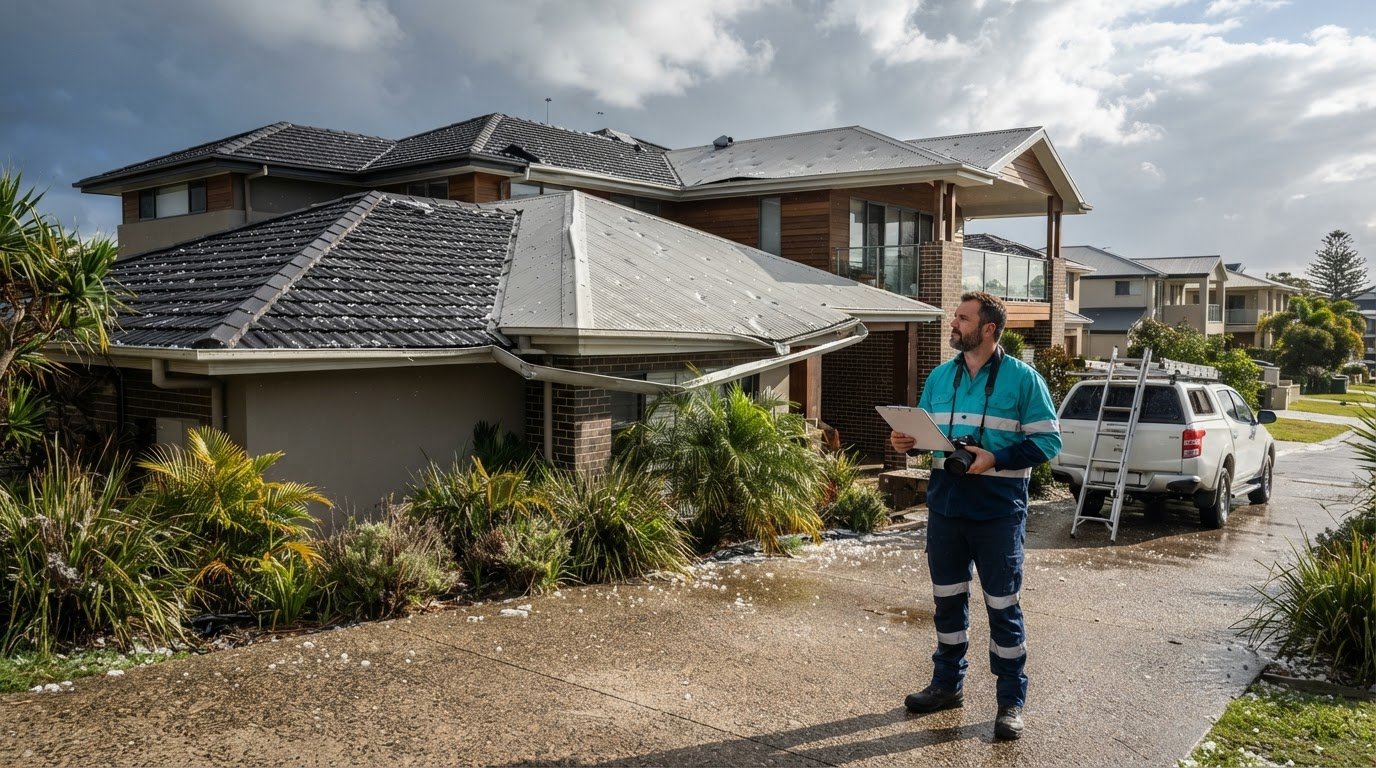
Visible damage, staining near ceilings or signs of water ingress may prompt a buyer to ask questions or seek a closer assessment. These signs don’t, by themselves, establish the cause or extent of a defect. A property viewing, a formal building inspection and a property valuation serve different purposes. Visible condition alone is neither a valuation nor a technical diagnosis.
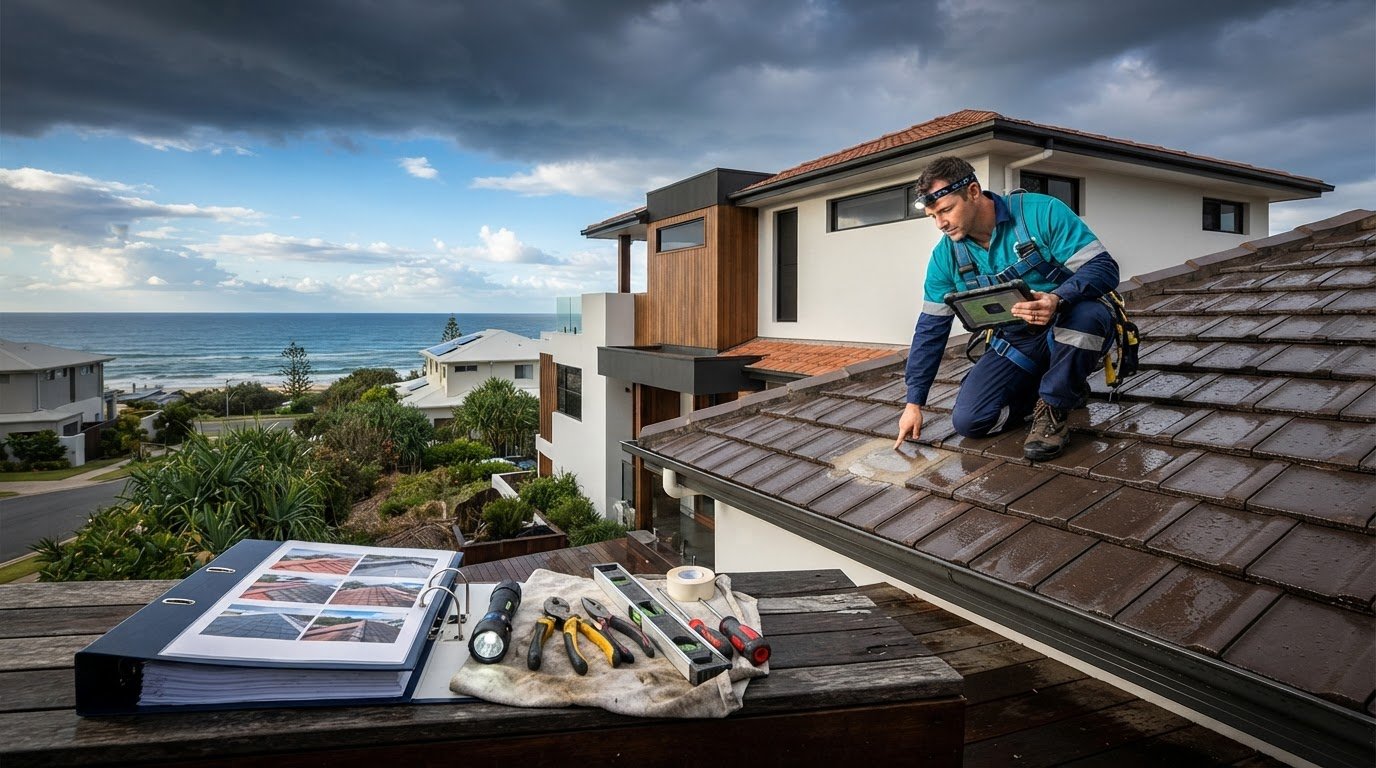
Clear records make it easier to explain what was observed, what work was completed and when. Keep dated inspection notes, photos and invoices where available. They can help you answer reasonable questions without relying on memory, but they don’t replace an independent inspection.
Why maintenance is not a guaranteed property-value increase
Property value reflects more than the roof. Location, the home’s overall condition, buyer demand and comparable sales can all matter. Don’t treat maintenance as a fixed-return project or assume a particular repair will add a set amount to the sale price or automatically affect insurance cover. Check insurance questions with your insurer.
Choose work to suit the evidence. Routine upkeep supports general care; a repair responds to an identified defect. Cosmetic improvements may change appearance without resolving a leak, while replacement is a larger decision that should follow an assessment of the roof’s condition and repair options. Not every ageing roof needs replacing.
A well-maintained roof can reduce uncertainty during a property assessment, but it can’t guarantee a higher sale price. If you notice a leak, damaged flashing or a drainage concern at your Mainly Beach home, a roof plumbing specialist can assess the relevant external roof components and explain the next steps. Keep the findings and agreed scope with your home records.
Which roof components matter most for protecting home value?
Roof coverings, flashings, gutters and downpipes work together to manage rainwater. The covering sheds water, flashings seal transitions and penetrations, and gutters and downpipes carry runoff away from the roof. A weakness in one part can affect the rest. That’s why protecting home value with roof maintenance means looking at how these components work as a system, not treating every issue as cosmetic.
Roof plumbing manages water at the roof and its drainage points, helping direct runoff away from parts of the property that may be vulnerable to water entry. The Australian Bureau of Statistics tracks the total value of residential dwellings, reflecting the importance of housing as an asset. For an individual home, sound water management is one practical part of looking after its condition.
How gutters, downpipes and roof drainage protect the property
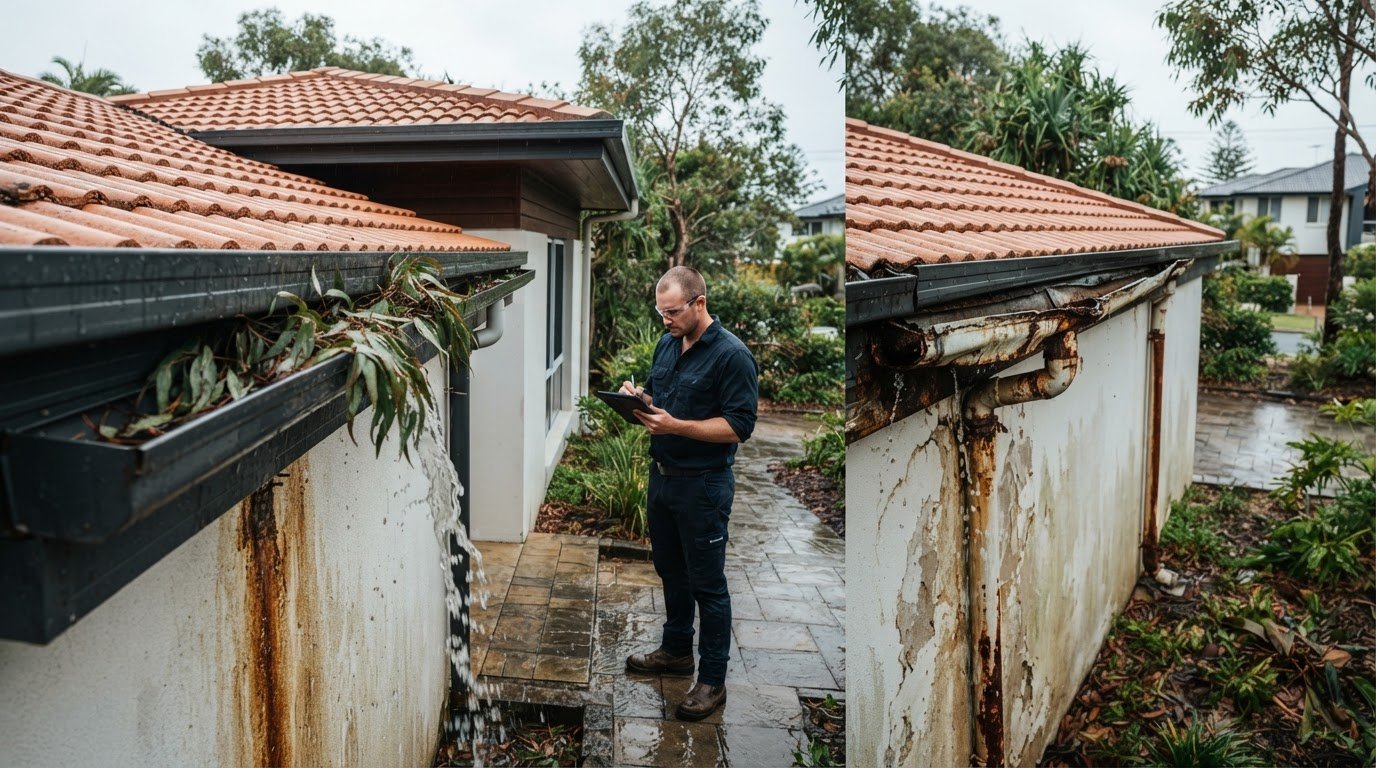
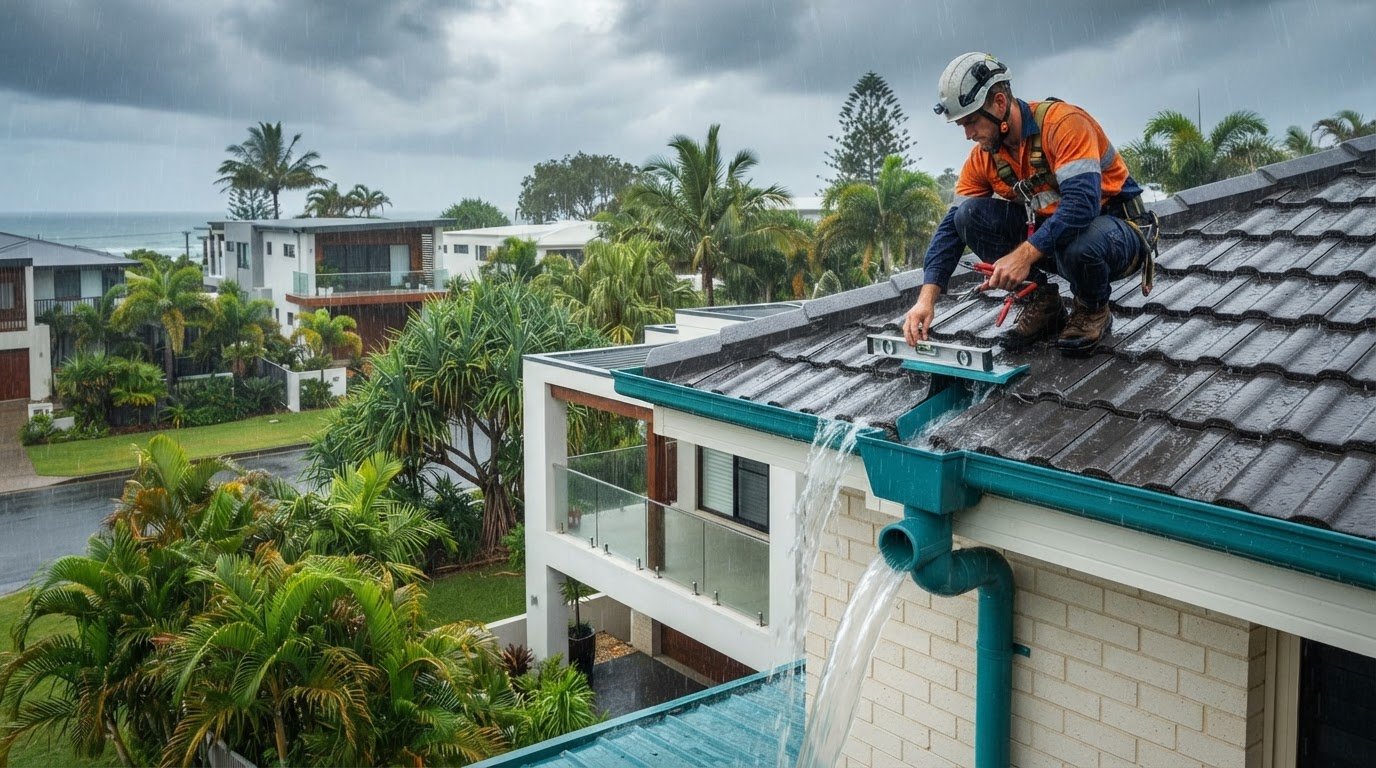
Clear gutters and functioning downpipes help carry roof runoff away from eaves, walls and the base of the home. From the ground, look for water spilling over gutter edges during or after rain, sections that appear to sag, or joints and downpipes that look separated. These signs warrant attention, but they don’t confirm the cause. For more detail on the system, see this gutter and downpipe installation guide. Avoid climbing onto the roof or reaching into gutters if access is unsafe.
Why flashings, waterproofing and roof coverings need attention
Roof valleys, wall junctions, skylights and other penetrations are points where materials meet, so sound flashing and waterproofing matter. Cracked or displaced tiles, damaged metal roofing, lifted edges or deteriorated seals may also allow water to enter. A ceiling mark or damp patch is a clue, not a diagnosis: water can travel before it becomes visible indoors. A specialist can assess the roof externally and help identify the source and scope of the issue. Pay particular attention to junctions and penetrations, where effective waterproofing helps manage water entry.
Prioritise assessment if you see overflow, separation, damaged roof materials or signs of water ingress. The right response may be a targeted repair rather than a broad upgrade. If you’re unsure whether a concern involves drainage, a leak or roof flashing, you can review roof plumbing and water-management services as a practical next step.
Roof maintenance, repair or replacement: how to compare the options
Choose the response that matches the roof’s observed condition, not an assumed resale benefit. Routine maintenance supports ongoing care; repair addresses a known defect; replacement is a broader decision that needs an assessment of the roof as a whole. None guarantees a particular sale result. Use this comparison to frame the next step, then confirm the scope with a suitable specialist where needed.
| Option | Condition and urgency | Scope and disruption | Specialist assessment |
|---|---|---|---|
| Maintenance | No known major defect; routine follow-up is due. | Limited, planned care with generally contained disruption. | Useful if observations or maintenance history raise questions. |
| Repair | An identifiable defect, such as a recurring leak or damaged material, needs attention. | Targets the affected area; scope depends on diagnosis. | Recommended to establish the source and suitable repair. |
| Replacement | Broader deterioration may make local repairs unsuitable. | Extensive work, with greater potential disruption. | Essential to assess overall condition and repair suitability. |
When routine maintenance may be the sensible next step
Use your maintenance history and safe, ground-level observations to decide what needs follow-up. Note visible changes, such as gutter overflow or debris accumulating after weather, and record when you noticed them. Don’t climb onto the roof to inspect it. If an issue persists, worsens or is difficult to interpret, arrange professional advice rather than guessing at a repair.
When roof repair or restoration needs a professional assessment
Recurring leaks, damaged roof materials and deteriorating junctions are reasons to seek an assessment. A repair addresses a diagnosed defect; restoration is a broader process and isn’t the same as replacing the roof. Neither is an automatic solution. Ask what condition has been found, which work is proposed and why. A specialist can explain whether restoration is suitable for the roof’s condition.
Before agreeing to work, ask for written findings and a clear scope, including what is urgent and what can be planned. This keeps the decision proportionate to the evidence, a practical approach to protecting home value with roof maintenance. For concerns involving leaks, flashings or roof drainage, you can review roof plumbing services as a next step.

A safe roof maintenance routine for homeowners in Australia
A safe routine starts from the ground. It helps you spot changes and keep useful records, but it can’t confirm what’s happening beneath roof coverings or replace a professional inspection. That distinction matters for protecting home value with roof maintenance: reliable observations help you decide when to seek advice without taking unnecessary risks.
What to observe and record without climbing onto the roof
Use a simple check after relevant weather, such as heavy rain or strong winds, and whenever you notice a change inside the home. Choose safe viewpoints on the ground and don’t use a ladder or step onto the roof.
- Look at the roofline. Note visible changes such as displaced or damaged materials, sagging gutters, or a downpipe that appears separated.
- Check for signs of water. From indoors, record new ceiling or wall stains, damp patches, or drips. These may indicate water ingress, but don’t identify its source.
- Observe drainage safely. From the ground, look for water overflowing gutters or collecting near the home after rain. Don’t reach into gutters or attempt work at height.
- Keep a simple record. Write down the date, weather conditions and what you observed. Take photos only from a safe location, and file relevant repair documents with your notes.
Record roof observations as clues, not as a substitute for a professional inspection. Don’t handle materials you suspect may be hazardous; leave them undisturbed and seek appropriate advice.
When to arrange an inspection and what to ask
Arrange a professional assessment if you see an active leak, visible damage to roof components, repeated gutter overflow or a drainage issue that keeps returning. A roof plumbing specialist may be able to assess external concerns involving leaks, flashings, waterproofing, gutters or downpipes. For background on leak diagnosis, read this roof leak detection guide.
Ask the specialist what areas were assessed, what evidence supports the findings, and which work needs attention first. Request clear written findings and a defined scope so you can distinguish urgent repairs from planned maintenance. Keep those records alongside your photos and notes to build a useful history of the roof’s condition.
If you’ve noticed a leak or recurring drainage concern at your Mainly Beach property, arrange an assessment of your roof plumbing concerns.
Protecting home value with roof maintenance: choosing the right specialist
The right provider depends on the concern. Recurring water entry may call for leak detection; overflow or poor runoff may point to gutters and downpipes; damaged roof junctions may need attention to flashing or waterproofing. A specialist in external roof plumbing can assess these areas and explain what the evidence supports. That makes protecting home value with roof maintenance a matter of informed decisions, not a promise of a financial result.
Questions to ask before approving roof work
A clear assessment should make the proposed work understandable before you commit. Ask the provider:
- Which roof components did you assess, and what observations support your findings?
- What work is urgent, and what can be planned or monitored?
- What does the proposed scope include, and what is excluded?
- Are there follow-up checks or other issues that need separate assessment?
Request findings and the work scope in writing. If the issue involves external drainage, leaks, flashing or waterproofing, check that the proposed work addresses those components rather than unrelated upgrades. Clear explanations help you compare recommendations and keep a useful record of the decision.
How Roof Plumbing Expert can help assess roof concerns
Roof Plumbing Expert provides roof leak detection and repair, gutter and downpipe installation, roof flashing and waterproofing, alongside other roofing services. These may be relevant when the concern involves water entry or roof drainage. A useful assessment should clarify what was checked, what the likely issue is, which work is recommended and why, and whether any further assessment is needed. It should help you decide on proportionate next steps, not suggest that a particular repair will increase your home’s value.
Roof Plumbing Expert provides roof plumbing and guttering services across New South Wales, with a local focus on Mainly Beach. If you have a roof plumbing concern, contact Roof Plumbing Expert for roof plumbing advice.
Make your next roof decision with confidence
Protecting home value with roof maintenance starts with a clear picture of the roof’s condition, not assumptions about resale gains. Safe observations and well-kept records can help you track changes, while a specialist assessment can clarify whether routine upkeep, a targeted repair or broader work is appropriate.
Remember that roof coverings, flashings, gutters and downpipes work together to manage water. A visible stain or overflow is a reason to investigate, not proof of the cause. Ask for written findings, a defined work scope and a clear explanation of what needs attention first.
Roof Plumbing Expert provides specialist roof plumbing and guttering services, including leak detection, drainage, flashing and waterproofing assessment, with a local focus on Mainly Beach. If you have a roof concern, contact Roof Plumbing Expert to discuss your roof concerns.
With careful observation and proportionate advice, you can make informed decisions and look after your home with greater confidence.
Frequently Asked Questions
Can roof maintenance increase my home’s value?
Roof maintenance can help protect your home’s condition, but it can’t guarantee a higher sale price. A well-kept roof and clear records may give buyers useful information and reduce uncertainty about visible defects or past repairs. The phrase protecting home value with roof maintenance is best understood as managing avoidable deterioration, not as a promise of a financial return. Property value also depends on factors such as location, overall condition and buyer demand.
How often should I maintain my roof in Australia?
There’s no single maintenance interval that suits every Australian roof. The right routine depends on factors such as the roof’s material, age, condition and surroundings. Make safe observations from the ground periodically, and check for visible changes after relevant weather, including damaged materials or unusual gutter overflow. For a home in Mainly Beach, keep notes on recurring concerns and ask a roof specialist to advise on a suitable maintenance plan for the property.
What roof problems can affect a property inspection?
Visible damage, signs of water ingress, recurring leaks, blocked or sagging gutters, separated downpipes and deteriorating flashings may prompt further questions or closer assessment. A ceiling stain is a sign to investigate, but it doesn’t confirm where water entered or how extensive the issue is. An observation during a viewing isn’t the same as a formal building inspection or valuation. Keep relevant repair records available to explain work already completed.
Should I repair or replace my roof before selling?
Not automatically. Base the decision on the roof’s condition and a professional assessment, rather than assuming replacement will improve the sale result. A targeted repair may suit an identified defect, while broader deterioration may call for a discussion about restoration or replacement. Ask for written findings, the recommended scope and an explanation of urgent versus planned work. This helps you weigh practical options and answer buyer questions without making unsupported claims about resale value.
Can blocked gutters damage my home?
Yes, blocked gutters can interfere with roof drainage and contribute to water overflowing near eaves, walls or the base of the home. Overflow is a reason to investigate, though it doesn’t by itself establish the cause or extent of a problem. From a safe position on the ground, note where and when overflow occurs. Don’t climb onto the roof or use a ladder to clear gutters if access could put you at risk.
What should I keep as proof of roof maintenance?
Keep dated notes of visible concerns, photographs taken from safe locations, written inspection findings, repair scopes and invoices. Record what work was completed and when, and file follow-up recommendations alongside it. These documents can help you explain the roof’s maintenance history to prospective buyers or other relevant parties, but they don’t replace an inspection or guarantee a particular outcome. A consistent record is useful for homeowners in Mainly Beach and elsewhere in Australia.