
What works for rust proofing for metal roofs near the sea isn’t simply painting over a rusty patch. Salt carried in coastal air can settle on roof surfaces, and moisture can contribute to corrosion where the metal’s protective finish is damaged or worn. A small patch of surface rust doesn’t automatically mean the whole roof needs replacing, but it shouldn’t be ignored.
If you’re unsure whether to clean, coat, repair or replace your roof, the right response depends on its material, condition and the extent of corrosion. A coating that isn’t compatible with the existing roof may not address the cause of the problem.
This article explains why coastal roofs corrode and how to weigh up prevention, repair, restoration and replacement. You’ll learn what to look for from the ground, when to seek a closer assessment, and how a roof plumber can help establish whether corrosion is localised or affects wider roof components. The aim is to help you make a considered decision and maintain your roof in a way that suits its exposure, including around Mainly Beach.
Key Takeaways
- For rust proofing for metal roofs near the sea, identify the roof material and condition before choosing a maintenance or repair approach.
- Check for visible deposits, blocked gutters, loose-looking fixings and damaged finishes from the ground. Don’t walk on the roof or disturb suspect materials.
- Cleaning, compatible coatings, localised repairs and replacement suit different conditions. A coating won’t resolve active corrosion or damaged metal by itself.
- Set an inspection routine that reflects your roof’s condition and coastal exposure, rather than relying on one schedule for every home.
- Arrange a professional assessment if you notice leaks, holes, loose sheets or corrosion across several areas. Share safe photos and details about the roof and symptoms.
Why metal roofs near the sea are more exposed to rust
“Rust proofing” describes steps intended to limit corrosion. Repairing existing damage is different: it means addressing metal or protective finishes that have already deteriorated. Cleaning or coating may help maintain a sound surface, but it won’t necessarily fix corrosion that has penetrated a roof sheet or affected a fixing.
Salt carried in sea air can settle on a roof. When moisture is also present, deposits may contribute to corrosion where the protective finish is damaged or metal is exposed. The level of exposure and resulting wear varies with the property, roof design, materials, condition and maintenance. That’s why rust proofing for metal roofs near the sea should start with identifying the roof and its condition, not choosing a treatment by default.
How salt and moisture contribute to metal roof corrosion
Salt deposits can remain on roof surfaces and around joints or fittings. When moisture reaches these areas, it can support the electrochemical process of corrosion. For a plain-language overview of what corrosion is, see Wikipedia’s explanation of the process.
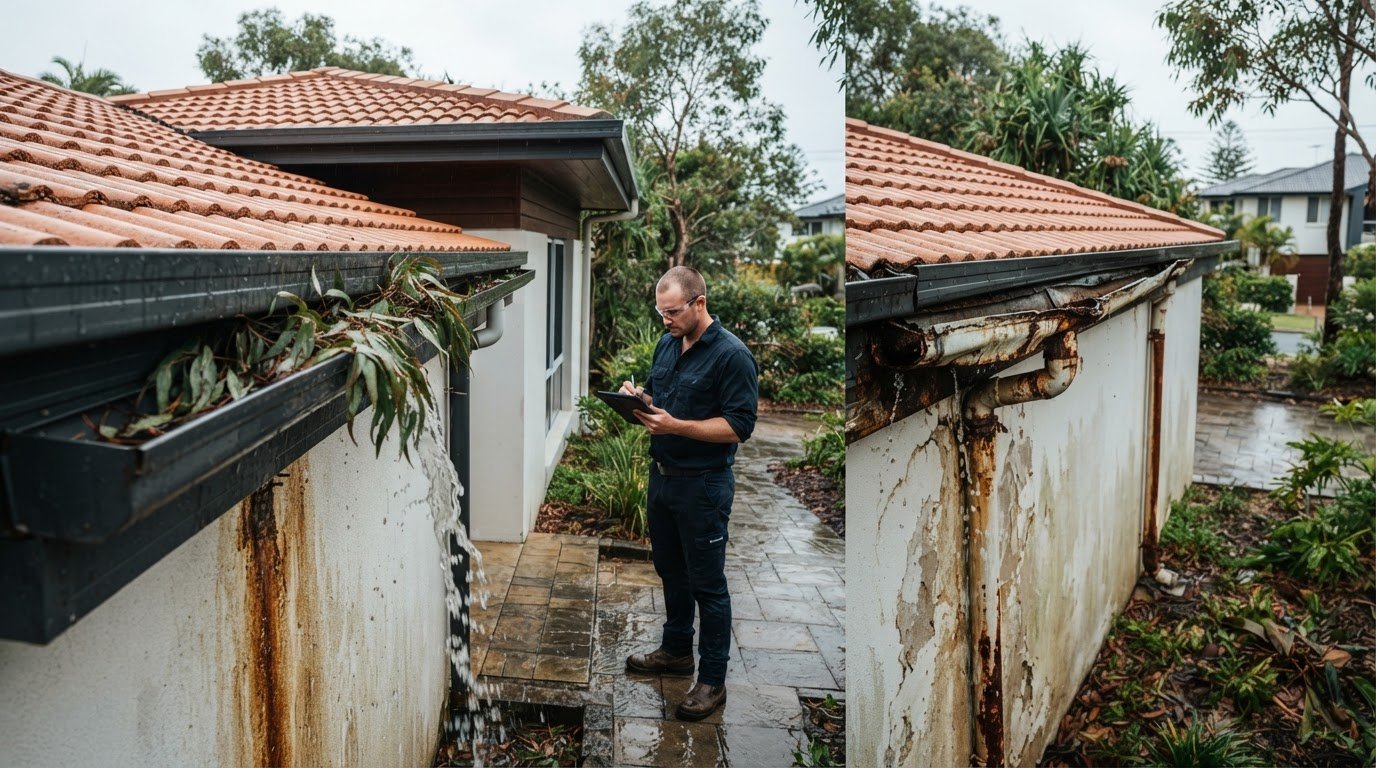
Scratches, cut edges, fasteners and damaged finishes deserve closer attention because they may expose vulnerable metal. Their presence doesn’t confirm serious damage, but the affected area and surrounding material should be assessed. Roofs with similar coastal exposure can still show different conditions.
Which parts of a metal roof may need attention?
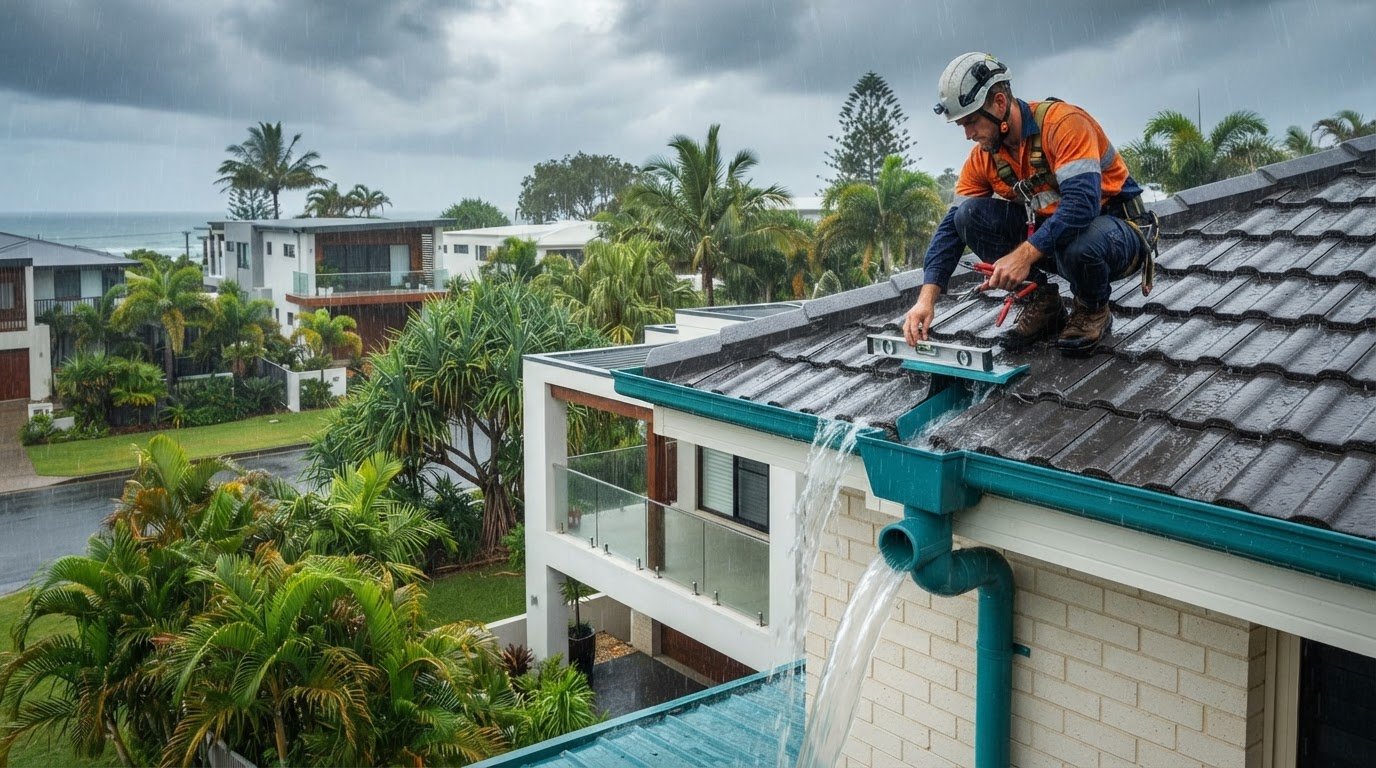
Look at the roof as a system, not just the broad sheet surfaces. Roof sheets, fixings, flashings, gutters and adjoining components can all show wear or signs that need a closer check. Water can also collect around details and joints, so assess these areas alongside the visible roof finish.
Compatibility matters too. Dissimilar metals in contact may raise corrosion concerns, so check what the roof, its fixings and its flashings are made from before selecting a repair or coating approach. Don’t assume two parts are compatible based on their appearance.
Rust-coloured staining can be a clue, but it doesn’t prove that a sheet is structurally damaged. Staining may sit on the surface, while corrosion beneath a finish can be less obvious. A roof plumber’s inspection can help establish whether the issue appears localised or involves wider roof components, and whether repair or restoration should be considered.
How to inspect a metal roof for rust before choosing a fix
Start from the ground and look across the roof in good light. Note visible rust marks, bubbling or flaking finishes, pitting, and staining around fixings. From a safe position, also look for signs of leaks. Don’t climb onto the roof, touch loose sheets or scrape a suspect patch to see what’s underneath. Leave roof access and closer investigation to a professional.
Visible signs that warrant closer assessment
Record what you can see without disturbing the roof. Take clear photos from the ground, showing the location of each concern, the affected component and any nearby paint or coating damage. Include wider shots that show where the mark sits on the roof, as well as closer images taken safely. Note when you first noticed the issue and whether you’ve seen signs of water entry inside.
A visible mark is a warning sign, not a confirmed diagnosis. Colour or a photograph alone can’t establish whether a roof sheet has failed or how far corrosion extends. Leaks, loose sheets or damaged flashings warrant prompt professional attention. The AMPP explains time-proven methods to prevent and control corrosion, but a roof’s condition still needs to be assessed in context before choosing a repair approach.
What a roof plumber can check
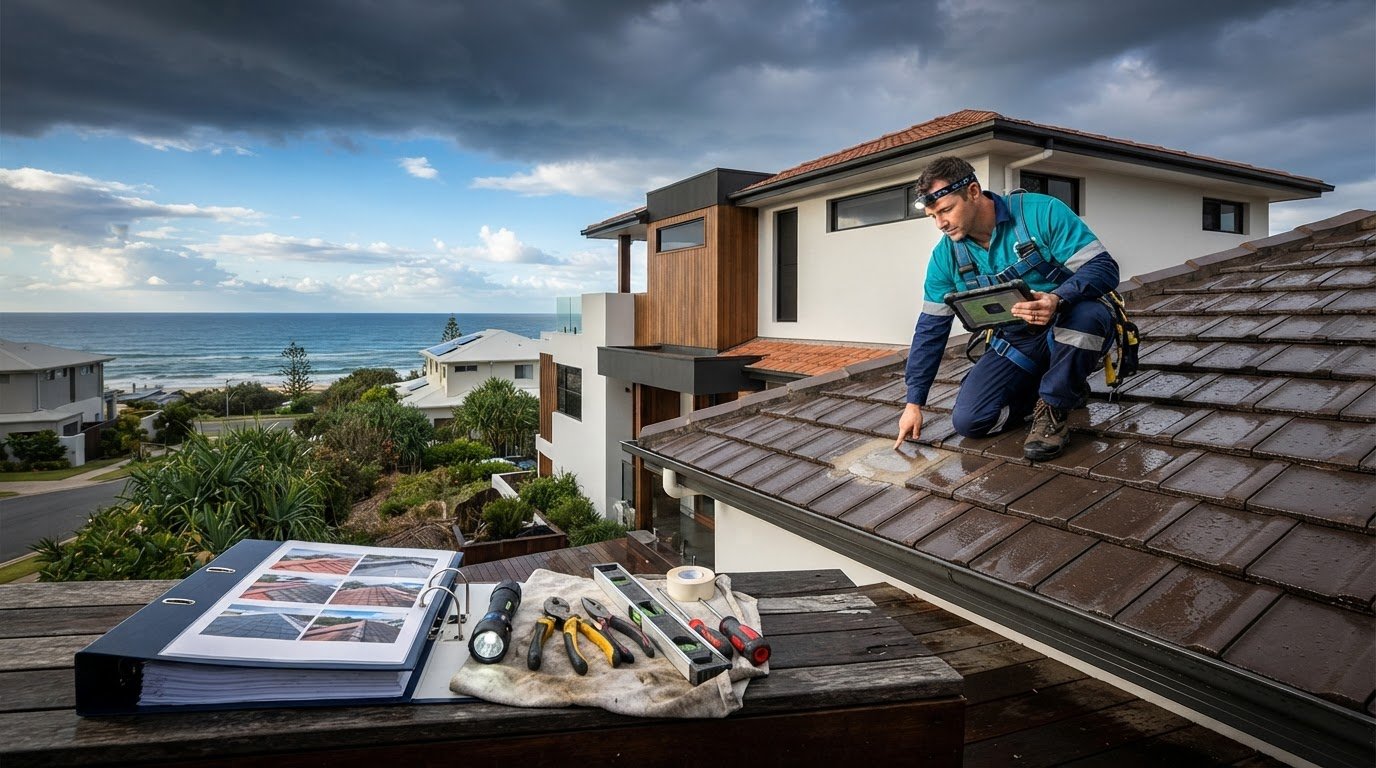
A roof plumber can assess the affected sheets, joints, flashings and fasteners, as well as likely water entry points. They can consider the surrounding roof rather than judging the whole system by one rusty spot. This helps clarify whether the concern appears localised or involves other components, and whether leak detection or roof repair should be considered.
If water entry is part of the concern, read this guide to roof leak detection in NSW. It can help you understand what information may be useful when describing a leak alongside visible roof changes.
Before seeking an assessment, gather the roof type if known, the property location, a short description of symptoms and safe photos taken from the ground. This gives the roofer useful context without asking you to investigate at height. If you’re weighing up rust proofing for metal roofs near the sea, an assessment can help establish what’s actually damaged before you consider a fix. You can also discuss a roof concern with Roof Plumbing Expert.
Rust-proof coatings, repairs or replacement: compare the options
The right response depends on what an assessment finds. Cleaning and routine maintenance can help manage surface deposits and keep roof components in view, but won’t repair metal that’s corroded through. A coating may suit a roof in sound condition if the surface and material are compatible with the product. Localised repair or replacement may be needed if corrosion has damaged sheets, fixings or adjoining components.
For rust proofing for metal roofs near the sea, separate prevention from repair. Applying a coating over active corrosion or damaged metal may hide a warning sign without addressing the underlying condition. First confirm the roof material and condition, then check whether a proposed system is compatible and follows the relevant manufacturer’s guidance.
| Option | May suit | Limitations and checks |
|---|---|---|
| Cleaning and maintenance | Managing visible deposits and monitoring a roof that appears sound. | Won’t restore corroded or perforated metal. Use care and follow guidance for the specific roof material. |
| Compatible coating system | A roof whose surface and substrate have been assessed as suitable. | Preparation and compatibility matter. Confirm product suitability for the existing material and follow manufacturer instructions. A coating isn’t a substitute for repairing damaged metal. |
| Localised repair | Damage that an inspection finds confined to a particular area or component. | The surrounding roof and related fixings still need assessment so a local repair doesn’t overlook wider deterioration. |
| Replacement | Cases where corrosion, perforation or compromised components are too extensive for a local repair to be appropriate. | This is a site-dependent decision, not an automatic response to surface rust. Review the roof’s overall condition and repair options. |
When a compatible coating may be considered
A coating is a possible maintenance option only after the surface and underlying metal have been checked. Preparation needs to suit the roof’s condition, and the coating system must be compatible with its material and existing finish. Don’t assume a product intended for one surface is suitable for another. Check the manufacturer’s instructions and seek professional advice if the condition is uncertain.
When repair or replacement deserves consideration
Corrosion across several areas, holes, leaks or compromised fixings can change the decision. Depending on the extent and location of the damage, a roof plumber may assess whether repair, restoration or replacement is appropriate. None is an automatic recommendation based on one rusty patch. For related information on metal roofing, see this Colorbond roofing guide.
If you’re unsure which option fits your roof, you can discuss a roof concern with Roof Plumbing Expert and ask about an assessment.

Coastal metal roof maintenance for homes around Mainly Beach
Coastal upkeep works best as a routine suited to the roof’s condition and exposure, rather than a fixed schedule for every home. Around Mainly Beach, salt and weather exposure make it sensible to keep an eye on visible roof areas, gutters and fixings. Location alone doesn’t confirm a roof’s corrosivity category or tell you which treatment it needs.
A safe routine for monitoring roof condition
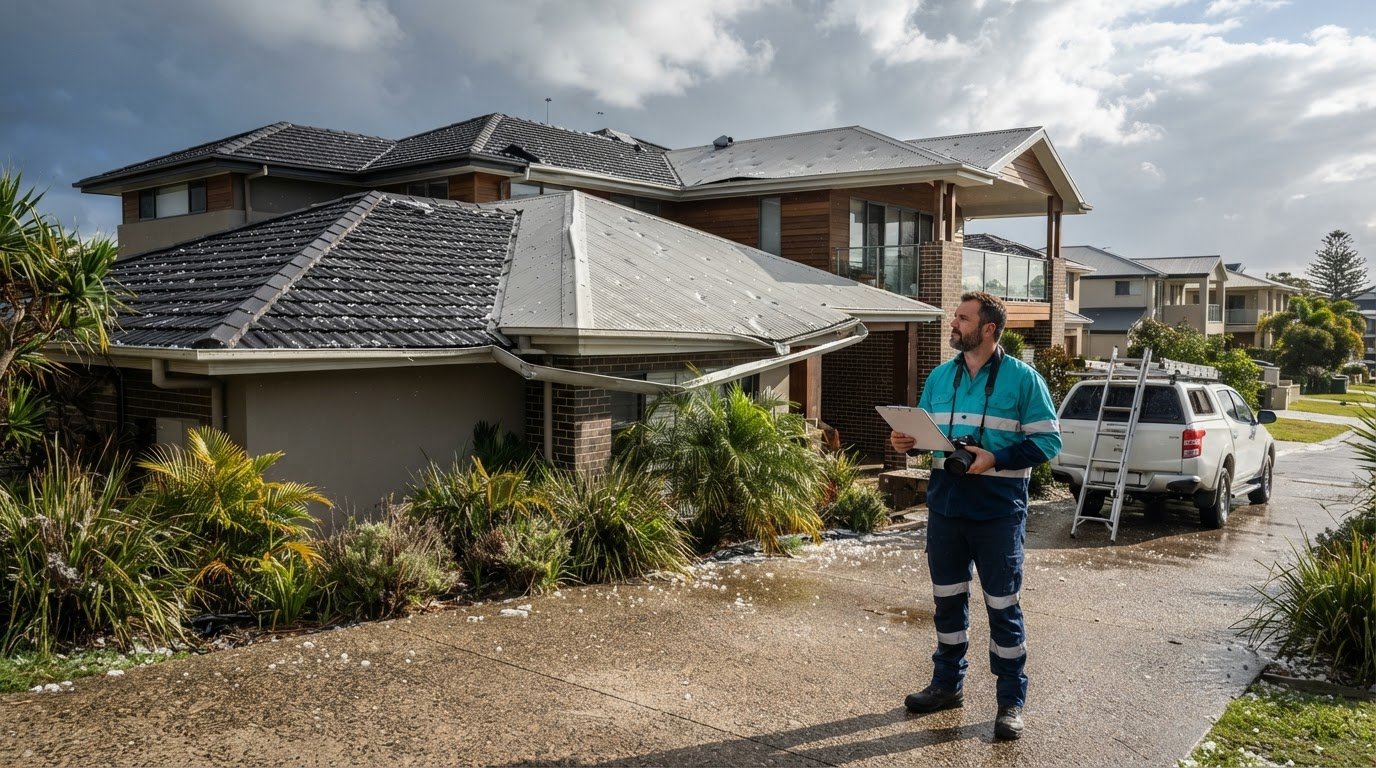
Use ground-level checks to record changes without climbing onto the roof. After severe weather and as part of your usual property upkeep, look for new deposits, blocked gutters, staining near fixings, loose-looking sheets and damaged finishes. Take dated photos from the same safe vantage points where possible, so changes are easier to compare.
- Note visible salt or dirt deposits, and check whether gutters and downpipes appear obstructed.
- Look for changes around accessible roof edges, flashings and fixings, without touching or disturbing them.
- Record any new rust marks, blistering or flaking finish, and where they appear.
- Arrange professional review if you notice leaks, loose sheets or corrosion that appears to be spreading.
Cleaning methods depend on the roof material and finish. Check the manufacturer’s care guidance before attempting any cleaning, and don’t use abrasive methods or combine metals and chemicals without material-specific advice. An unsuitable method could damage a finish or create another compatibility concern. If a closer check requires roof access, leave it to a professional.
How Australian coastal exposure classifications may help
AS 4312 is associated with atmospheric corrosivity zones in Australia. A zone classification can provide context about environmental exposure, but it isn’t a diagnosis of an individual roof or a specification for a particular coating or repair. Verify the relevant standard’s current edition and applicability before relying on it for a project. The roof’s material, design, condition and maintenance still need to be considered.
That distinction matters for rust proofing for metal roofs near the sea. A broad location label can’t show whether a particular roof has damaged coatings, vulnerable fixings or corrosion beneath a visible mark. A roof plumber can assess the actual components and help determine whether maintenance, repair or further work should be considered.
If you’ve noticed a change on your roof around Mainly Beach, contact Roof Plumbing Expert to discuss a roof assessment.
When to get professional help with a rusty metal roof
Some signs need more than routine monitoring. Arrange a professional assessment if you notice leaks, holes, loose sheets or corrosion appearing across several areas. Damaged flashings also deserve attention, especially if water is entering the roof space. Don’t climb up to investigate or try to scrape, patch or coat a suspect area yourself. A roof plumber can assess what’s visible and whether further inspection is needed.
What to expect from a roof assessment
An assessment may include checking the affected roof sheets, fixings, flashings, joints and signs of water entry, along with the condition of the surrounding roof. The aim is to understand the extent of the concern before settling on a next step. A diagnosis, quote or repair outcome can’t be confirmed without assessing the roof and its circumstances.
Ask the roofer to explain what appears damaged, which options may suit the roof and what work is included in any proposed scope. Share the roof type if known, the property location, symptoms and safe photos taken from the ground. Clear information helps frame the discussion without requiring you to access the roof.
Choosing a proportionate next step
Findings may point to continued maintenance, a targeted repair, restoration or replacement, depending on the location and extent of damage. Corrosion in one component doesn’t automatically mean the whole roof needs replacing. If restoration is being considered, this roof restoration guide offers related information.
Compare written scopes, not just the proposed outcome. Check that each scope identifies the affected components, explains the work and specifies materials suitable for the existing roof. If a coating or other material is proposed, ask how compatibility and preparation have been considered. Rust proofing for metal roofs near the sea should be based on the roof’s actual condition, not a one-size-fits-all promise.
Roof Plumbing Expert provides roof leak detection and repair, Colorbond roofing, roof restoration, and roof flashing and waterproofing. These services may be relevant to a roof concern, but the appropriate work depends on an assessment. Roof Plumbing Expert does not offer a standalone rust-proofing product or coating. Local owners around Mainly Beach can contact Roof Plumbing Expert about a roof assessment and discuss the signs they’ve noticed.
Protect your roof with a considered next step
Salt and moisture can contribute to corrosion, but a rusty mark doesn’t automatically mean the whole roof needs replacing. The most reliable approach to rust proofing for metal roofs near the sea is to understand the roof’s material and condition first, then compare suitable maintenance, repair, restoration or replacement options.
Watch for changes from the ground, and arrange an assessment if you notice leaks, holes, loose sheets or corrosion across several areas. A roof plumber can check whether the issue is localised or affects wider components, helping you make an informed decision instead of relying on a coating or repair that may not suit the roof.
Roof Plumbing Expert provides metal roof repairs, Colorbond roofing and roof restoration, along with roof leak detection, flashing and waterproofing services. If you’re concerned about your roof around Mainly Beach, arrange a professional roof assessment to discuss what you’ve noticed and the options to consider.
With a clear assessment and practical maintenance, you can take the next step with greater confidence and care for your home.
Frequently Asked Questions
Can you rust-proof a metal roof near the sea?
You can take steps to help limit corrosion, but no coating or maintenance approach should be treated as a guaranteed way to stop rust. Rust proofing for metal roofs near the sea starts with identifying the roof material and checking its condition. Cleaning or a compatible coating may suit some sound surfaces, while existing corrosion or damaged metal may need repair. Ask a roofer to assess the roof and check product guidance before choosing a treatment.
Does painting over rust stop corrosion on a metal roof?
No, painting over rust may not address the cause or extent of corrosion. The surface and metal beneath it need assessment before a coating is considered. Preparation and compatibility with the existing roof finish matter, and damaged or perforated metal may need repair rather than paint. Don’t assume a rust-coloured patch is the only affected area. A roofer can check the condition and help establish whether a coating is suitable or another option is needed.
How often should a metal roof near the coast be inspected?
There isn’t one inspection interval that suits every coastal roof. Set a routine based on the roof’s age and condition, its exposure, and any maintenance guidance for its material. Make safe observations from the ground as part of regular property upkeep, and check for changes after severe weather. If you notice a leak, loose sheet or corrosion that appears to be spreading, arrange a professional assessment rather than waiting for the next routine check.
What causes rust on a Colorbond roof near the sea?
Salt carried in sea air can settle on a Colorbond steel roof, and moisture can contribute to corrosion if the protective finish is damaged or metal is exposed. Scratches, cut edges, fixings and areas with worn finishes may warrant closer attention. Coastal exposure alone doesn’t confirm the cause or severity of a particular mark. For rust proofing for metal roofs near the sea, have the affected area and surrounding components assessed before choosing a repair or coating approach.
Can a rusty metal roof be repaired, or does it need replacing?
A rusty metal roof may be repairable, but replacement can be considered if damage is extensive. The decision depends on the location and spread of corrosion, whether sheets are perforated, and the condition of fixings and adjoining components. A rusty patch alone doesn’t mean the whole roof needs replacing. A roof plumber can assess the roof and explain whether maintenance, targeted repair, restoration or replacement is a proportionate option.
Is it safe to clean salt deposits from a metal roof yourself?
Don’t climb onto a metal roof to clean it yourself. Working at height and walking on roof sheets can be hazardous, and an unsuitable cleaning method may damage the finish. If you can observe deposits safely from the ground, record their location and check the roof manufacturer’s care guidance. Avoid abrasive cleaning or unverified chemicals. If cleaning requires roof access or you’re unsure what the roof material can tolerate, seek professional advice.
When should I call a roof plumber about rust on my roof?
Arrange an assessment if you find holes, leaks, loose sheets, damaged flashings or corrosion across several areas. These signs need more than a visual guess from the ground. Share the roof type if known, the property location, the symptoms you’ve noticed and safe photos. Roof Plumbing Expert provides metal roof repairs, Colorbond roofing, roof restoration, leak detection, flashing and waterproofing. Local property owners around Mainly Beach can discuss their roof concern with the business.