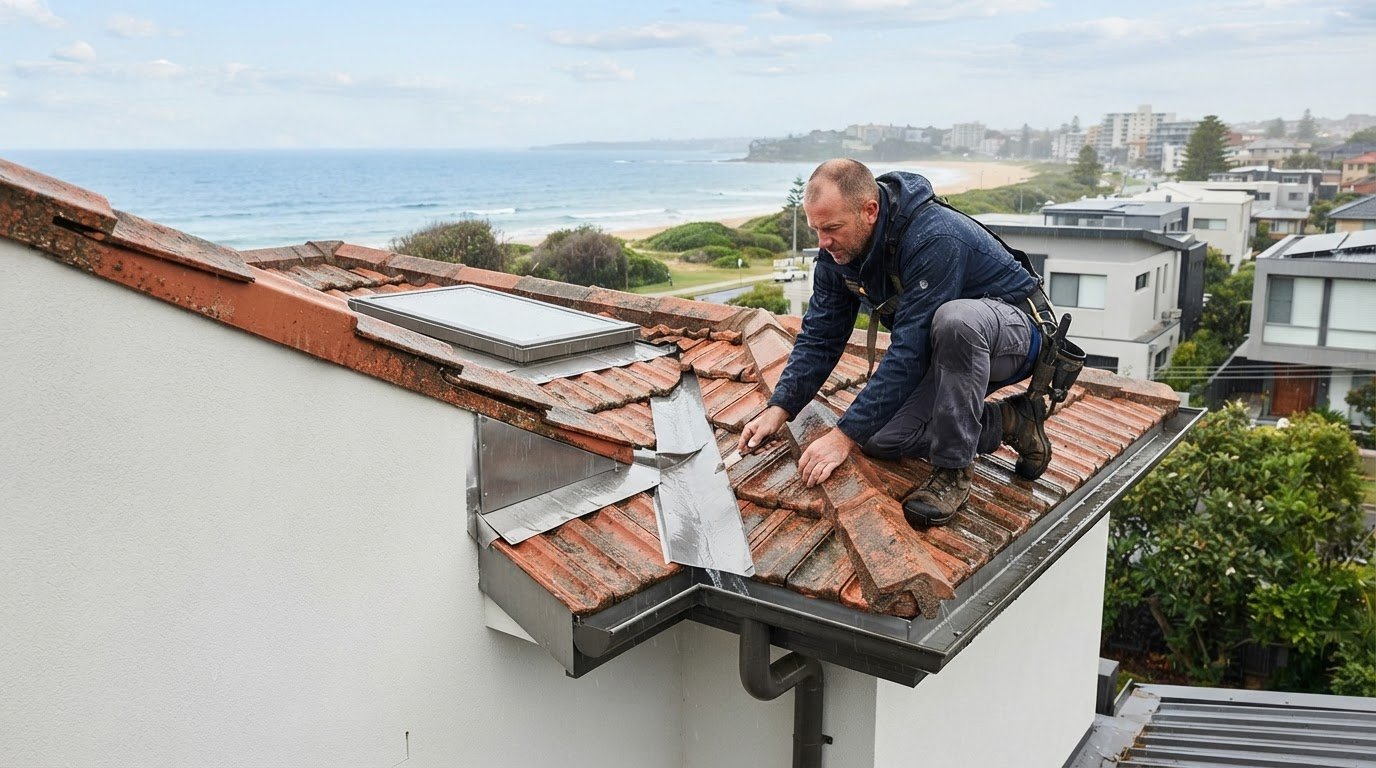
A roof leak doesn’t always start where you see the water. It can begin at a vulnerable junction, where the roof meets a wall, chimney or skylight. That’s the importance of roof flashing: correctly installed flashing directs water away from these joins and helps stop it getting beneath the roofing materials.
If you’re unsure what flashing does or where it sits, a small gap or damaged section can be easy to overlook. Water entering at a roof junction may affect materials beneath the surface, so take signs of a leak seriously without assuming the worst.
This article explains how flashing manages water, where it matters most and why its condition and installation are important. You’ll also learn what warning signs to watch for and when to arrange a roof assessment. For property owners in Mainly Beach, checking flashing as part of the roof’s wider water-management system can help clarify whether a concern needs attention.
Key Takeaways
- Understand the importance of roof flashing at junctions where roof materials meet or change direction, and why wind-driven rain can expose weak points.
- Learn where flashing is commonly used, including roof-to-wall junctions, chimneys, skylights and roof valleys.
- See why sealant alone may not resolve a flashing issue, and how shape, overlap, fixings and material compatibility contribute to a sound detail.
- Know which indoor warning signs to note and how to check for visible external clues safely from the ground.
- Find out what a roof plumbing specialist may assess to trace water pathways and consider flashing within the roof’s wider waterproofing system.
Why roof flashing matters for keeping water out
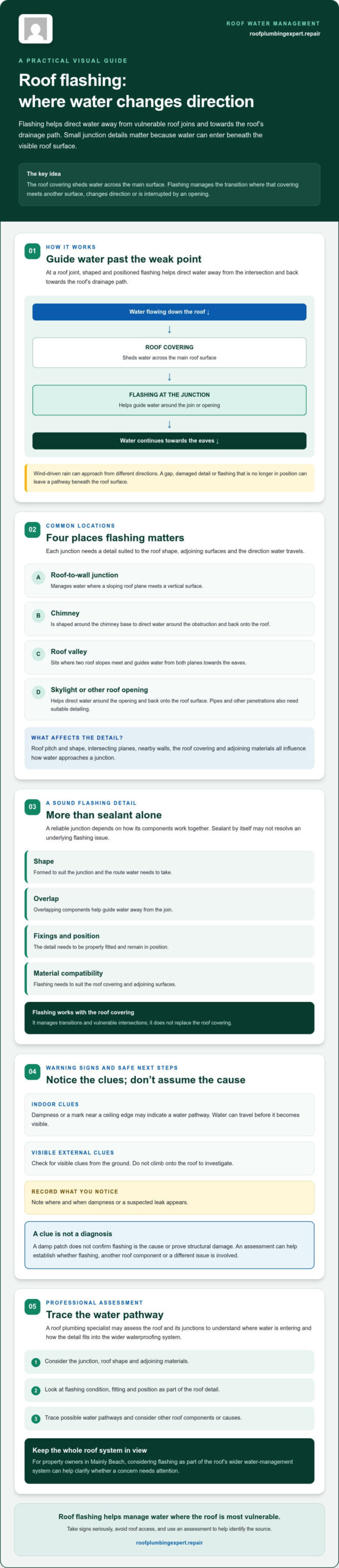
Roof flashing is shaped material installed at roof joints to direct water away from vulnerable intersections and towards the roof’s drainage path.
Wind-driven rain can reach a roof from different directions and press against places where materials meet or the roof changes shape. These junctions can leave narrow pathways for water if the detailing is damaged, poorly fitted or no longer in position. Understanding the importance of roof flashing starts with recognising that roof joints need deliberate water management, not just an uninterrupted covering across the main roof area.
What roof flashing does at a joint
Flashing is formed and positioned to manage water at intersections, such as where a roof meets a wall. Overlapping components guide water down and away from the joint towards the roof’s drainage path. The exact detail depends on the junction and adjoining materials. As the overview of flashing explains, flashing is used at vulnerable points to help weatherproof a structure.
Flashing works with the roofing materials rather than replacing them. The roof covering sheds water across the main surface; flashing manages the transition where that covering meets another surface or changes direction. If either part is damaged or incorrectly arranged, water may not follow the intended path.
Why small junction details can have wider effects
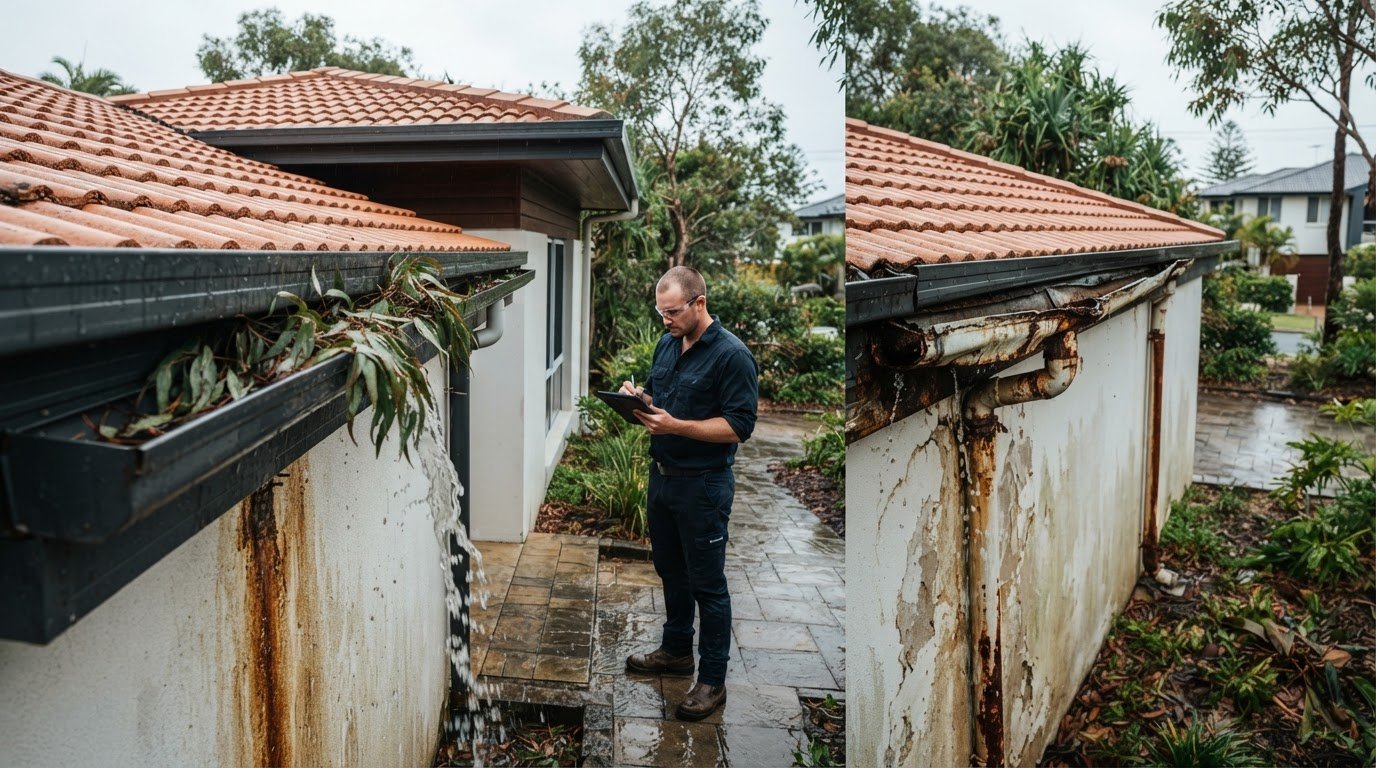
A gap at a junction can let water beneath the visible roof surface. Depending on where it enters and how much water gets in, it may reach the roof space, ceiling or nearby building materials. A damp patch indoors can be a clue, but it doesn’t confirm that flashing is the cause or prove that structural damage has occurred.
The location and extent of water entry matter. A mark near a ceiling edge, for example, may point to a nearby water pathway, but water can travel before it becomes visible. Don’t treat one visible sign as a diagnosis. An assessment can help establish whether flashing, another roof component or a different issue is involved.
Sound flashing details help direct water away from vulnerable roof joints and limit the chance of it entering concealed spaces. If you notice dampness or suspect a leak, note where and when it appears. Don’t climb onto the roof to investigate; an assessment of the roof and its junctions is a safer way to identify the source.
Where roof flashing is used and how it manages water
Flashing is fitted where the roof covering meets another surface or is interrupted by an opening. Common locations include roof-to-wall junctions, chimneys, skylights and roof valleys. The exact arrangement depends on the roof’s shape, materials and construction details. These locations aren’t all flashed in the same way; each needs a detail suited to the direction water travels and the surfaces it meets.
Roof-to-wall, chimney and valley flashing
At a roof-to-wall junction, flashing helps manage water where a sloping roof plane meets a vertical surface. Chimney flashing is shaped around the chimney base to direct water around the obstruction and back onto the roof. Valley flashing sits where two roof slopes meet, guiding water flowing down both planes towards the eaves. Each detail has a different job, and the right configuration depends on the roof covering and junction design.
Roof shape matters. A shallow or steep pitch, intersecting roof planes and nearby walls can all affect how water approaches a junction. Materials matter too: flashing needs to suit the roof covering and adjoining surfaces so the components work together. For homes in Mainly Beach, it’s useful to consider these junctions as part of the roof’s overall water-management system, rather than viewing each piece in isolation.
Skylights and other roof penetrations
A skylight interrupts the roof covering, creating edges where water needs to be directed around the opening and back onto the roof surface. Flashing should work with both the roof material and the skylight’s installation detail. Pipes and other roof openings also require suitable detailing, though the specific arrangement varies. If you’re researching work on a skylight, read this skylight replacement guide for further information.
The simple diagram below shows the intended direction of water around a roof penetration. It’s a guide to the water path, not a construction drawing; actual flashing layouts differ between roofs.
Labelled water-flow diagram: roof penetration
Water flowing down the roof ↓
Roof covering ───────→ water passes around the penetration
[Flashing directs water around opening]
[Skylight or other penetration]
Water continues down the roof towards the eaves ↓
These examples show the importance of roof flashing at changes in plane and around openings. If you’re unsure whether a junction or skylight detail is managing water correctly, a roof flashing and waterproofing assessment can help clarify the next step. You can learn more about roof flashing and waterproofing services.
Roof flashing myths: sealant alone is not the whole answer
A neat bead of sealant can look like a complete repair, but appearance alone doesn’t show whether the junction is managing water properly. Sealant may form part of some roof details. It can’t automatically correct flashing that’s poorly shaped, incorrectly overlapped, loose or unsuitable for the surrounding materials.
Understanding the importance of roof flashing means looking beyond the visible surface. Flashing’s shape and position guide water; overlaps help direct it towards the drainage path, while appropriate fixings hold the detail in place. The surrounding roof covering and adjoining materials also need to work with the flashing. A surface patch may hide a gap without addressing how water is getting in.
Why sealant is not a substitute for sound flashing
Sealant can help seal a joint when it suits the detail, but it isn’t a universal solution. Roof junctions are exposed to weather and can experience movement. A patch may be affected if it loses adhesion, cracks or doesn’t suit the adjoining surfaces. That doesn’t mean sealant always fails or that every flashing issue needs replacement. It means the cause and the full junction should be assessed before choosing a repair.
For properties in Mainly Beach, don’t assume a visible patch has resolved a suspected leak simply because it looks tidy from the ground. Nor can a homeowner confirm that concealed parts of a junction are watertight based on surface appearance alone. If water is still entering, the pathway may be elsewhere or hidden beneath the roof covering.
Why flashing details vary between roofs
A tiled roof, a metal roof and a roof with mixed materials create different junctions. The profile and layout of the covering affect how flashing can sit, overlap and direct water. A roof using Colorbond steel still needs a detail suited to its particular shape, adjoining surfaces and penetration or junction. There isn’t one configuration that suits every installation.
That’s why a repair shouldn’t be prescribed from a photograph or a bead of sealant alone. The roof design, materials and likely cause of the defect all matter. For broader information on how connected roof details contribute to water management, see this roof waterproofing guide.
If you’ve noticed signs of a leak or are unsure whether a flashing detail needs attention, a roof leak assessment can help identify the likely water pathway. You can also review roof flashing and waterproofing services as a possible next step.
Signs of a possible roof flashing problem and safe next steps
A damp patch near a ceiling edge or upper wall can be a reason to check for a roof leak, particularly if it appears or worsens after rain. It doesn’t confirm that flashing is at fault. Water can travel through roof spaces before showing indoors, so the visible mark may be some distance from the point of entry.
What homeowners can observe without accessing the roof
Start inside. Look for new or recurring moisture marks on ceilings and upper walls, and note any changes in their size or appearance. If you can see the roof from the ground, you may also notice a flashing edge that looks lifted or displaced. A ground-level view won’t show concealed details, so don’t climb a ladder or walk on the roof.
Keep your observations simple and safe:
- Note the location of each mark or visible concern.
- Record when it appears, such as after rainfall, and whether it returns or changes.
- Take a photo from a safe position if it helps you track changes over time.
- Don’t touch electrical fittings or disturb wet ceiling or wall materials.
These details can help explain what you’ve noticed, but they can’t identify the source on their own. A mark might be near a roof junction without being directly beneath the water entry point. That’s one reason the importance of roof flashing is best considered alongside the roof’s broader water-management system, rather than from a single indoor clue.
When a roof leak assessment may be appropriate
Arrange a professional assessment if moisture keeps returning, a damp area spreads, or visible roof-junction damage can be seen safely from the ground. A roof leak assessment can help investigate whether flashing is involved and trace possible water pathways. The entry point may be away from where water becomes visible indoors, so an indoor stain alone isn’t enough to diagnose the cause.
For a broader explanation of how roof leaks are investigated, see this roof leak detection guide. Keep clear of any area where water is close to electrical fittings, and don’t attempt a roof inspection yourself.
If signs persist, arrange a roof leak assessment to help identify the source and determine whether flashing or another part of the roof needs attention.
When professional roof flashing assessment protects your property
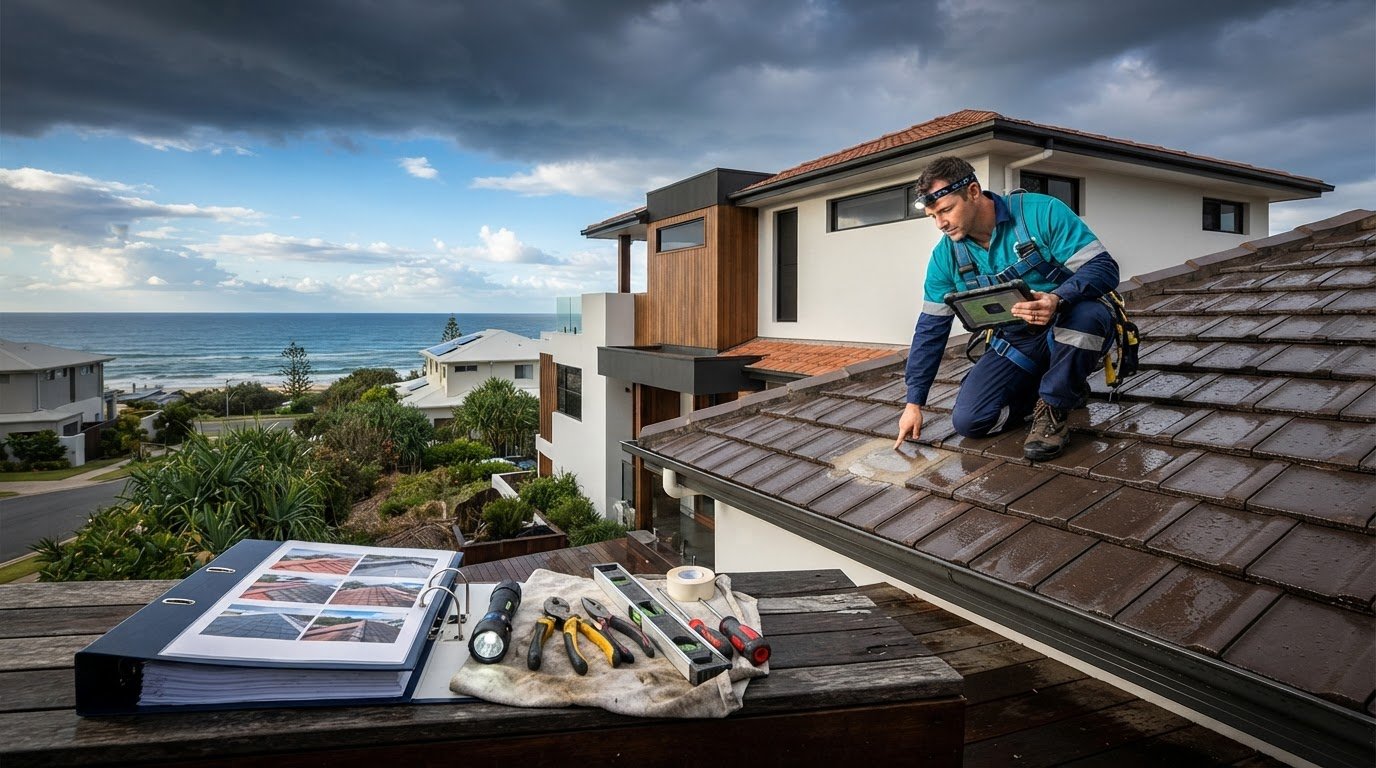
A professional assessment can help clarify whether a roof junction is contributing to a leak and what attention it may need. A roof plumbing specialist may examine the condition of the flashing, how it meets the surrounding roof and wall materials, and the likely pathways water could be following. This matters because the point where water appears indoors may not be where it entered the roof.
What to expect from a roof flashing assessment
The specialist can assess relevant roof details in context, rather than treating a bead of sealant or a single section of flashing in isolation. The roof’s configuration, coverings and adjoining materials all affect what a suitable next step may be. Recommended work should reflect the roof’s actual condition and the likely source of water entry, not assume every leak needs the same repair.
Ask for a clear explanation of what was inspected, what the findings suggest and what work is being proposed. If the source isn’t confirmed, ask what remains uncertain and whether further investigation is recommended. A clear discussion helps you understand how flashing fits into the roof’s wider water-management system and make an informed decision about next steps.
Finding local help in New South Wales
Roof Plumbing Expert provides roof flashing and waterproofing, as well as roof leak detection and repair, for residential and commercial properties across New South Wales. For property owners in Mainly Beach, these services may be relevant when a concern involves flashing. The cause and appropriate response can be established through assessment, so contact the business to discuss your property and confirm availability.
The importance of roof flashing becomes clearer when its condition is considered alongside adjoining materials and possible water pathways. A targeted assessment can help distinguish a flashing concern from another roof leak issue, without assuming the answer before inspection.
If you’ve noticed a possible roof-junction problem, you can discuss a roof flashing concern with Roof Plumbing Expert and ask about an assessment for your property.
Keep your roof junctions in good condition
Flashing manages water at vulnerable roof junctions, including where the roof meets a wall or surrounds a chimney or skylight. Its shape, overlap and fit with adjoining materials all matter, so a visible sealant patch alone can’t confirm that a detail is sound.
If you notice recurring damp patches or visible damage from the ground, note what you see and when it occurs. Don’t climb onto the roof to investigate. An assessment can help identify possible water pathways and determine whether flashing or another part of the roof needs attention. That’s the practical value of understanding the importance of roof flashing: knowing where water can enter and when to seek informed advice.
Roof Plumbing Expert provides roof flashing and waterproofing, roof leak detection and repair, and residential and commercial roofing services across New South Wales. If you have a concern in Mainly Beach, discuss a roof flashing concern with our team. A clear assessment can help you understand your options and choose a considered next step for your property.
Frequently Asked Questions
What is roof flashing and what does it do?
Roof flashing is material fitted at roof junctions and penetrations to help direct water away from vulnerable gaps. It works with the roof covering and surrounding details to manage runoff. Common locations include roof-to-wall transitions, chimneys, valleys and skylights. The design depends on the roof’s layout and materials, so flashing isn’t one identical component used in the same way on every home.
Why is roof flashing important?
Flashing helps manage water where roof surfaces meet, change direction or are interrupted by features such as chimneys and skylights. If a junction doesn’t shed water as intended, moisture may enter the roof space or affect nearby building materials. The importance of roof flashing lies in protecting these vulnerable transitions as part of the wider roof system. It can’t compensate for unrelated defects elsewhere on the roof.
Can a roof leak be caused by faulty flashing?
Yes, damaged, poorly fitted or deteriorated flashing can be one possible source of water entry. However, a ceiling stain or leak doesn’t prove flashing is at fault. Water may travel through the roof space before becoming visible indoors, so the mark can appear away from the entry point. A roof professional can inspect relevant areas and assess likely causes rather than relying on the indoor sign alone.
How do I know if roof flashing needs attention?
Possible clues include recurring damp patches near roof junctions or visible damage that you can observe safely from the ground. These signs don’t confirm the cause, and some flashing problems may not be visible from inside. Note where moisture appears and whether it follows rainfall. Don’t climb onto the roof to inspect it. If the problem recurs or concerns you, arrange a professional assessment.
Is roof flashing the same as roof sealant?
No. Flashing is a roof detail designed to manage water at a junction or penetration. Sealant may form part of some roofing details, but applying it over a visible gap doesn’t necessarily address the underlying issue. The right response depends on the flashing design, roof material and cause of the problem. Treating sealant as a universal repair may leave the water pathway unresolved.
When should I call a roof plumber about flashing?
Contact a roof plumbing specialist if moisture keeps returning, you suspect damage around a roof junction or you need an assessment after a leak. Don’t climb onto the roof to investigate. A specialist can examine relevant roof details and explain whether flashing, another roof component or a different water pathway may be involved. If you’re in Mainly Beach, contact Roof Plumbing Expert to discuss your concern and confirm availability.